
Onion in Zone 6B — Northeast
Allium cepa · Your Complete 2026 Planting Guide
Missed Seed Starting? No Problem!
Wait for starts to become available.
What to Do
Starts will be available at nurseries in 28 days (around April 1).
How to Plant Onion in Zone 6B — Northeast
Here are all your options for getting onion in the ground, from the easiest method to more advanced approaches.
Direct Sow Seeds
RecommendedMid March through late June
around March 18
Consider succession planting every 2-3 weeks for continuous harvest.
Can direct sow seeds or plant sets (small bulbs) in early spring.
Start Seeds Indoors
RecommendedMid January through early February
around January 21
Then transplant: Early to late April
Start seeds 10-12 weeks before transplanting outdoors.
Start seeds indoors 10-12 weeks early for largest bulbs.
Buy Starts
Works WellEarly to late April
around April 1
Plant purchased starts after last frost (April 15).
Onion sets (small bulbs) are the easiest method for beginners.
Transplant Outdoors
Timing InfoEarly to late April
around April 1
Can tolerate light frost, but wait for soil to be workable.
Plan to transplant within a few weeks of your target date.
Overview
Growing onions in our Northeast Zone 6B gardens offers incredible satisfaction — there's nothing quite like the sweet, complex flavor of a home-grown onion compared to those storage varieties from the grocery store. Our moderate summers with cool nights actually improve onion flavor development, while our reliable 40-50 inches of annual rainfall provides steady moisture these bulbs crave during formation.
With our short 183-day growing season and late spring start, timing becomes crucial for success with onions. The good news? These hardy plants laugh at our unpredictable April weather and late frosts, making them one of the most reliable crops you can grow in our challenging Northeast climate.
Starting Seeds Indoors
Starting onion seeds indoors makes sense if you want the largest possible bulbs or specific varieties not available as sets. Start your seeds from mid-January through early February — about 10 weeks before you can safely transplant them outside in our zone.
Set up seed trays with good potting mix in a warm spot (65-70°F works well). Once seedlings emerge, they'll need bright light — a south-facing window or grow lights work best during our dim Northeast winter days. Bottom watering works particularly well for onions since it encourages strong root development without disturbing those thin, grass-like tops.
Keep in mind that while indoor starting gives you maximum control, onion sets are much easier for beginners and still produce excellent results in our climate. The 10-12 week indoor commitment is substantial, but you'll get the biggest bulbs if you start early enough.
Transplanting Outdoors
Plan to transplant your onion seedlings from early to late April, timing it with our typical last frost window. These hardy plants can handle some cold, but you'll want soil workable and not waterlogged from snowmelt — a common issue in our rocky New England soil.
Harden off seedlings gradually over a week, starting with a few hours outside on calm days. Our April weather swings can be dramatic, so watch for those unexpected warm spells followed by cold snaps. Space plants 4-6 inches apart in rows, giving each bulb room to develop properly.
For easiest success, consider onion sets instead of transplants. These small bulbs plant directly into cool soil and eliminate the indoor starting process entirely — perfect for our unpredictable spring conditions.
Direct Sowing
Direct sowing onions works well in our Northeast climate, though you'll get smaller bulbs than transplanted starts. You can sow seeds from mid-March through late June, taking advantage of our extended planting window for this hardy crop.
Wait until soil temperature reaches about 45°F and the ground isn't muddy from snowmelt. Our rocky soil benefits from working in some compost beforehand — it improves drainage and gives roots an easier path through clay patches. Plant seeds ¼ inch deep, spacing them about an inch apart initially.
Most Northeast gardeners find onion sets the easiest direct planting method. Plant these small bulbs pointed-end up in early spring, spacing them 4-6 inches apart. Sets establish faster than seeds and handle our variable spring weather better than transplants.
Watering Onion in Zone 6B (Northeast)
Onions need consistent moisture throughout their growing season, which our moderate Northeast climate supports well. Aim for about 1 inch of water per week, including rainfall — and with our typical 40-50 inches annually, nature often does most of the work for you.
Check soil moisture with the finger test, pushing down about 2 inches. In our moderate-to-humid conditions, soil stays moist longer than in drier regions, so avoid overwatering. Water at the base rather than overhead to prevent disease issues that our humidity can encourage.
During bulb formation from mid-summer onward, maintain steady moisture but avoid waterlogged conditions. Our clay-heavy soils can hold too much water after heavy rains, so ensure good drainage. Stop watering completely when tops begin falling over — this signals the start of the curing process.
A thin layer of straw mulch helps regulate soil moisture during our variable summer weather, keeping roots cool during those occasional 82°F days while conserving water during brief dry spells.
🧪Fertilizing Onion
Feeding Schedule
Organic Fertilizer Options
Harvest Time
Your first onions will be ready for harvest from late June through late October, depending on variety and planting method. Sets and transplants mature faster than direct-sown seeds, giving you earlier harvests in our short growing season.
Watch for the telltale signs: tops falling over and turning yellow-brown. Don't wait too long after this happens — pull bulbs on a dry day and brush off excess soil. The papery outer skin should be forming, and necks should feel firm, not soft or spongy.
Cure harvested onions in a warm, dry, well-ventilated area for 2-3 weeks before storage. Our humid Northeast summers can slow this process, so good air circulation is crucial. A garage with open doors works well, or under a covered porch.
As our mid-October first frost approaches, harvest any remaining onions regardless of size. Green onions and partially mature bulbs still provide excellent eating, and you can use smaller bulbs first while properly cured large ones store through winter.
Common Problems in Zone 6B (Northeast)
Onion Thrips These tiny, slender insects cause silvery streaks and stippling on leaves, eventually leading to yellowing and dieback. Look for the actual thrips — they're barely visible, pale yellow insects that jump when disturbed. Our moderate humidity creates ideal conditions for thrips to multiply quickly during warm periods. Remove affected leaves, encourage beneficial insects with diverse plantings, and consider row covers during peak infestation periods in midsummer.
Pink Root This soil-borne fungal disease turns onion roots pink, then purple, eventually killing them entirely. Plants become stunted and may pull up easily since root systems fail. Our clay soils and spring moisture create perfect conditions for this disease, especially in areas with poor drainage. Improve soil drainage by adding compost, avoid planting onions in the same spot repeatedly, and choose resistant varieties when possible.
Bolting Onions send up flower stalks prematurely, making bulbs small and bitter. You'll see a thick, hollow stem emerging from the center with a round flower head. Heat stress, drought, or temperature swings can trigger bolting — our unpredictable spring weather and occasional summer hot spells create ideal conditions. Plant at the right time for your variety, maintain consistent soil moisture, and choose bolt-resistant varieties for our climate.
Northeast Specific Challenges: Our moderate summers and steady rainfall actually work in onions' favor compared to hotter, drier regions. However, our heavy spring rains and clay soils can create drainage issues that promote fungal diseases, making soil improvement crucial for long-term success.
Best Companions for Onion
Plant these nearby for healthier Onion and better harvests.

Keep Away From
Companion Planting Details
Onions make excellent companions for carrots, beets, and lettuce in our Northeast gardens. The strong onion scent helps deter carrot flies and aphids that often plague these crops, while the different root depths mean they don't compete for nutrients. Lettuce especially benefits from onions' pest-repelling qualities and appreciates the light shade cast by mature onion tops during our warmer summer days.
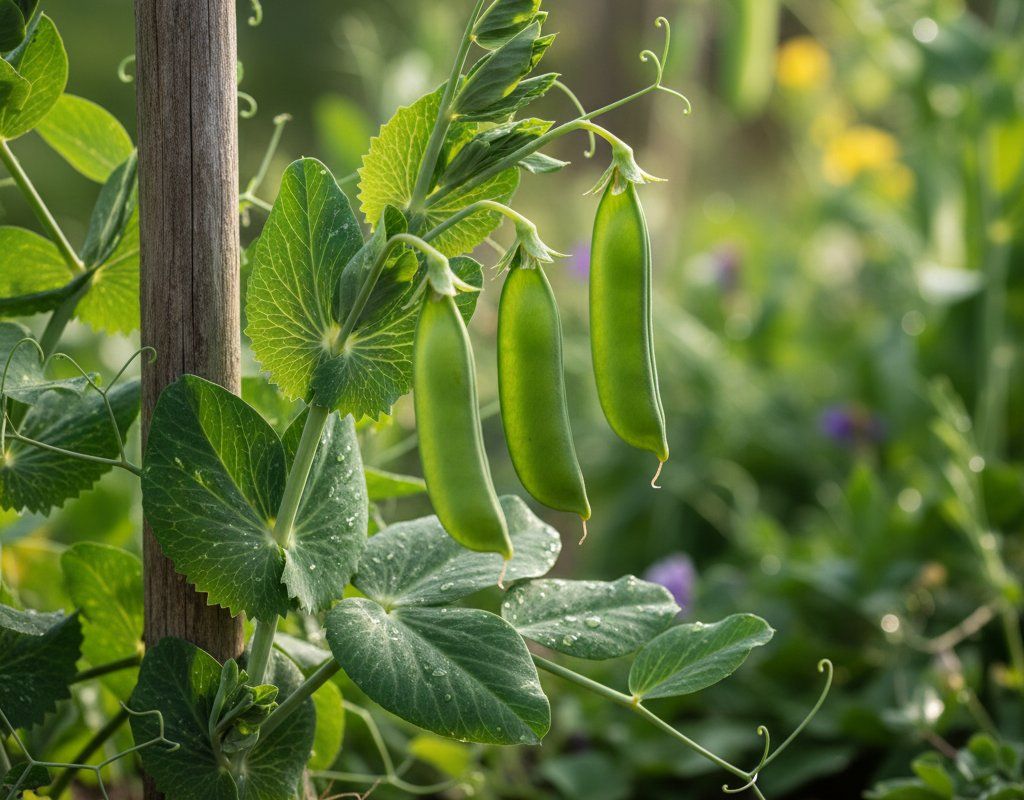
Plant onions near your tomatoes as well — they help repel aphids and may improve tomato flavor while taking up minimal space. However, avoid planting near beans and peas, as onions can inhibit their growth and nitrogen fixation. In our short growing season, every plant needs to perform at its best, so these incompatible pairings can really impact your harvest.
🌸Best Flowers to Plant with Onion
These flowers protect your Onion from pests and attract pollinators for better harvests.
For Pest Control


For Pollinators

Get a Reminder When It's Time to Plant
We'll email you when key planting windows open for your zone.