
Onion in Zone 8A — Florida
Allium cepa · Your Complete 2026 Planting Guide
You Can Still Sow!
Direct sowing window is open for Onion.
Direct Sow Now
Can direct sow seeds or plant sets (small bulbs) in early spring.
How to Plant Onion in Zone 8A — Florida
Here are all your options for getting onion in the ground, from the easiest method to more advanced approaches.
Direct Sow Seeds
RecommendedLate January through mid August
around January 28
Consider succession planting every 2-3 weeks for continuous harvest.
Can direct sow seeds or plant sets (small bulbs) in early spring.
Start Seeds Indoors
RecommendedLate November through mid December
around December 3
Then transplant: Mid February through early March
Start seeds 10-12 weeks before transplanting outdoors.
Start seeds indoors 10-12 weeks early for largest bulbs.
Buy Starts
Works WellMid February through early March
around February 11
Plant purchased starts after last frost (February 25).
Onion sets (small bulbs) are the easiest method for beginners.
Transplant Outdoors
Timing InfoMid February through early March
around February 11
Can tolerate light frost, but wait for soil to be workable.
Plan to transplant within a few weeks of your target date.
Overview
Growing onions in Florida gives you year-round access to fresh, flavorful bulbs that blow away anything you'll find in the store. Here in Zone 8A, our mild winters and long growing season mean you can harvest sweet, tender onions from spring through fall, while our hot summers actually help cure and concentrate those pungent flavors that make onions indispensable in the kitchen.
Florida's extreme humidity and sandy soils can challenge onion growing, but timing is everything here. With our 283-day growing season and reversed calendar, you'll plant in fall and harvest through spring and summer, avoiding the worst fungal pressure. The key is working with our subtropical climate instead of fighting it.
Starting Seeds Indoors
Starting onion seeds indoors makes sense if you want the largest possible bulbs or specific varieties not available as sets. Plant seeds in late November through mid-December, about 10 weeks before you plan to transplant outdoors. This timing gives seedlings a strong start before our mild winter weather arrives.
Use seed trays filled with quality potting mix and keep them in a warm spot around 70°F. Onion seeds germinate slowly, taking 10-14 days even in ideal conditions. Bottom watering works best to prevent damping-off disease, which loves our humid Florida air. Once seedlings emerge, provide bright light or grow lights for 12-14 hours daily.
Keep seedlings cool (around 60°F) once they're established - this prevents early bolting when you transplant them into our warming spring weather. Trim tops to 4 inches if they get leggy, which encourages stronger root development.
Transplanting Outdoors
Transplant your seedlings outdoors from mid-February through early March, after our last frost risk passes. This timing catches the sweet spot before our hot weather arrives, giving onions cool conditions to establish strong root systems. You'll have about a 3-week window that works well.
Harden off seedlings gradually over one week, starting with just 2-3 hours of morning sun and increasing daily. Our Florida sun is intense even in late winter, so ease them into it. Space transplants 4-6 inches apart in rows, planting them slightly deeper than they were in their containers.
Watch for late cold snaps during transplanting season - while onions handle light frost, a hard freeze can set them back. If temperatures drop into the 20s, cover with row cloth or even old bedsheets. Onion sets (small bulbs) are honestly easier for beginners and more reliable in our climate.
Direct Sowing
Direct sowing works well in Florida if you plant at the right time. Sow seeds from late January through mid-August, though spring planting (late January through March) gives the most reliable results. Seeds need soil temperatures around 50-60°F to germinate, which happens consistently by late January here.
Prepare beds by working compost into our sandy soil - onions need good drainage but also consistent moisture retention. Plant seeds ¼ inch deep and space them 1 inch apart in rows, then thin to 4-6 inches once they're established. Seeds are slow to germinate in cool weather, taking 2-3 weeks.
Direct seeding in summer (June through August) can work for fall harvest, but our extreme heat and humidity make it challenging. You'll need consistent watering and afternoon shade to get good germination. Honestly, starting with onion sets in early spring gives better results with less hassle.
Watering Onion in Zone 8A (Florida)
Onions need consistent moisture throughout their growing season, but here in Florida, that means adapting to our feast-or-famine rainfall patterns. During our dry winter and spring months, provide about 1 inch of water weekly, checking soil moisture with your finger 2 inches down. Sandy soil drains fast, so you may need to water twice weekly.
When our wet summer arrives, back off on irrigation but monitor drainage carefully. Onions hate sitting in waterlogged soil, which our afternoon thunderstorms can create quickly. If your beds don't drain well, consider raised rows or adding more organic matter to improve soil structure.
Water at the base of plants rather than overhead - our extreme humidity already creates perfect conditions for fungal diseases. Soaker hoses or drip irrigation work perfectly. Signs of underwatering include wilted, grayish tops; overwatering shows up as yellowing leaves and soft, rotting bulbs.
Stop watering completely once tops begin falling over and yellowing - this signals bulb maturation and starts the natural curing process. The last thing you want is wet bulbs heading into storage. Apply a thin layer of mulch around plants to conserve moisture and keep weeds down, but keep it away from the bulbs themselves.
🧪Fertilizing Onion
Feeding Schedule
Organic Fertilizer Options
Harvest Time
Your first onions will be ready from early May through mid-December, depending on when you planted. Look for tops that begin falling over and turning yellow - this signals the bulb has reached maturity and stopped growing. In Florida's heat, this process happens faster than in cooler climates.
Don't wait for all tops to fall over naturally. Once 50-75% have fallen, it's time to harvest the whole crop. Gently lift bulbs with a garden fork rather than pulling by the tops, which can damage them. Brush off excess soil but don't wash them yet.
Cure freshly harvested onions in a warm, dry, well-ventilated area for 2-3 weeks. Our humid Florida air makes this challenging - use a fan in your garage or covered porch to keep air moving. Properly cured onions will have papery outer skins and dried tops.
As we approach our first frost in early December, harvest any remaining onions regardless of size. Green onions and smaller bulbs won't store as long, so use them first. Well-cured storage onions can last 4-6 months in cool, dry conditions - a challenge in our climate, so consider refrigerator storage for longest life.
Common Problems in Zone 8A (Florida)
Onion Thrips These tiny insects cause silvery streaks and stippling on onion leaves, eventually leading to wilted, distorted foliage. In severe infestations, bulb development suffers significantly. Florida's warm weather creates perfect breeding conditions for multiple generations per season.
Hot, dry conditions favor thrips, which is exactly what we get during late spring. Encourage beneficial insects with diverse plantings nearby, and use row covers during peak thrips season (April through June). Blue sticky traps help monitor populations. Avoid overhead watering, which thrips hate.
Pink Root This fungal disease turns onion roots pink to red, eventually killing the root system and stunting bulb development. Affected plants show yellowing, wilting leaves even when soil moisture is adequate. Our sandy soils and high humidity create ideal conditions for this pathogen.
Pink root thrives in warm, moist soils - basically our summer conditions. Plant in well-draining beds with plenty of organic matter, and rotate onion family crops to different areas each season. Choose resistant varieties when possible, and avoid overwatering during humid periods.
Bolting Onions send up premature flower stalks, making bulbs small and bitter. You'll see thick, central stalks emerging with globe-shaped flower heads. Once bolting starts, the bulb stops developing and becomes inedible for fresh use.
Heat stress and long days trigger bolting, which is why timing matters so much here. Plant early enough that bulbs mature before our intense summer heat arrives. Consistent soil moisture helps prevent stress, and choosing short-day varieties suited to our latitude reduces bolting risk.
Florida Specific Challenges: Our extreme humidity creates perfect conditions for fungal diseases, while sandy soil requires constant attention to moisture and nutrients. Summer heat limits your growing window, so fall planting through spring harvest works best here.
Best Companions for Onion
Plant these nearby for healthier Onion and better harvests.

Keep Away From
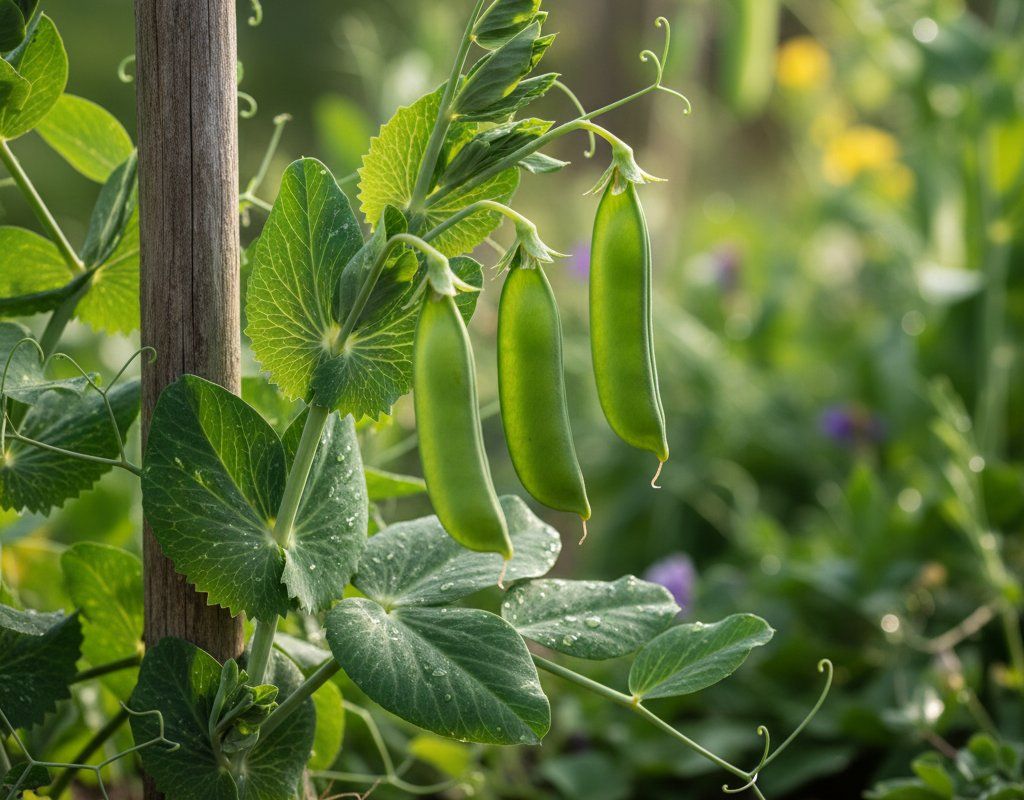
Companion Planting Details
Plant onions alongside carrots and beets - their strong scent helps deter carrot flies and other root pests, while their upright growth doesn't compete for space with these root crops. Lettuce makes an excellent companion since it appreciates the light shade from onion tops during our intense spring sun, and both crops finish around the same time before summer heat arrives.
Tomatoes and onions are classic companions because onions help repel aphids and other soft-bodied insects that target tomato plants. In Florida's humid conditions, this pest deterrent effect becomes especially valuable. Avoid planting onions near beans or peas - onions can inhibit the nitrogen-fixing bacteria that legumes depend on, reducing their productivity in our already challenging sandy soils.
🌸Best Flowers to Plant with Onion
These flowers protect your Onion from pests and attract pollinators for better harvests.
For Pest Control


For Pollinators

Get a Reminder When It's Time to Plant
We'll email you when key planting windows open for your zone.