
Onion in Zone 9B — Florida
Allium cepa · Your Complete 2026 Planting Guide
You Can Still Sow!
Direct sowing window is open for Onion.
Direct Sow Now
Can direct sow seeds or plant sets (small bulbs) in early spring.
How to Plant Onion in Zone 9B — Florida
Here are all your options for getting onion in the ground, from the easiest method to more advanced approaches.
Direct Sow Seeds
RecommendedLate December through early September
around December 23
Consider succession planting every 2-3 weeks for continuous harvest.
Can direct sow seeds or plant sets (small bulbs) in early spring.
Start Seeds Indoors
RecommendedLate October through mid November
around October 28
Then transplant: Early to late January
Start seeds 10-12 weeks before transplanting outdoors.
Start seeds indoors 10-12 weeks early for largest bulbs.
Buy Starts
Works WellEarly to late January
around January 6
Plant purchased starts after last frost (January 20).
Onion sets (small bulbs) are the easiest method for beginners.
Transplant Outdoors
Timing InfoEarly to late January
around January 6
Can tolerate light frost, but wait for soil to be workable.
Plan to transplant within a few weeks of your target date.
Overview
Growing your own onions in Florida gives you access to fresh, flavorful bulbs that put store-bought varieties to shame. Unlike those shipped-in onions with their papery texture, homegrown varieties develop sweet, complex flavors that make everything from salsas to Sunday roasts taste better. Florida's unique climate actually works in your favor here – onions are cool-season crops that thrive during our mild winters when most of the country is dormant.
Yes, our extreme humidity and sandy soils present some challenges, but onions are surprisingly well-suited to Florida growing once you understand the timing. With our 344-day growing season, you can plant in fall and harvest beautiful bulbs by spring, avoiding the summer heat that would stress these cool-loving plants. The key is working with Florida's reversed seasons rather than fighting them.
Starting Seeds Indoors
Starting onion seeds indoors makes sense if you want the largest possible bulbs or specific varieties not available as sets. Sow seeds in late October through mid-November, about 10 weeks before your transplant date. This gives you strong seedlings ready to go into the garden during our optimal cool-season window.
Set up seed trays with quality potting mix in a warm spot – onion seeds germinate best around 70°F, which is easy to maintain indoors during our mild fall weather. Bottom watering works especially well for onions since it prevents the tiny seeds from washing around and encourages strong root development.
Keep in mind that while indoor starting is possible, most Florida gardeners find onion sets (small bulbs) much easier and more reliable. The indoor route requires consistent attention for 10-12 weeks, and our high humidity can make damping-off a real problem with seedlings.
Transplanting Outdoors
Transplant your onion seedlings from early to late January when our weather settles into its coolest, most stable pattern. This timing gives onions the long, cool growing season they need to develop good-sized bulbs before our heat kicks in. Your plants will have about 12-14 weeks of prime growing weather ahead of them.
Harden off seedlings gradually over a week, starting with just a few hours of morning sun and building up their tolerance to outdoor conditions. Space transplants 4-6 inches apart in rows – closer spacing gives you smaller bulbs but higher yields, while wider spacing produces fewer but larger onions.
Watch for those January cold snaps that can surprise us even in Florida. While onions handle light frost just fine, young transplants benefit from row cover protection if temperatures drop into the upper 20s. Our sandy soil drains quickly, so transplants establish faster than you might expect.
Direct Sowing
Direct sowing onion seeds works well in Florida, especially from late December through early September when soil temperatures stay cool but workable. This method eliminates transplant shock and often produces hardier plants, though you'll get slightly smaller bulbs than with transplants started indoors.
Prepare your bed by working compost into our naturally sandy soil – onions need consistent moisture and nutrients that plain sand can't provide. Sow seeds about ¼ inch deep and 4-6 inches apart, or plant them closer and thin as they grow. Keep the soil consistently moist until germination, which takes 7-14 days in cool weather.
Most Florida gardeners actually prefer planting onion sets (small dormant bulbs) over direct seeding. Sets give you a head start and are much more forgiving of our variable winter weather. Plant sets pointed-end up, just deep enough so the tips barely show above soil level.
Watering Onion in Zone 9B (Florida)
Onions need consistent but not excessive moisture throughout their growing season in Florida. During our dry winter months, provide about 1 inch of water weekly through drip irrigation or soaker hoses – overhead watering in our humid climate invites fungal problems that plague onions. Check soil moisture by sticking your finger 2 inches deep; the soil should feel slightly moist but never soggy.
Our spring rains usually provide adequate moisture as bulbs begin forming, but monitor closely since onions are shallow-rooted and dry out quickly in sandy soil. The critical period is late winter through early spring when bulbs are sizing up – inconsistent watering during this time results in small, poorly-formed onions or causes them to bolt prematurely.
Pay attention to the plants themselves for watering cues. Underwatered onions develop blue-green foliage and stop growing, while overwatered plants show yellowing leaves and soft, rotting bulbs. In our high-humidity environment, good air circulation and avoiding wet foliage become even more important.
Stop watering completely when tops begin falling over and yellowing – this signals that bulbs are mature and ready for curing. Continued watering at this stage can cause bulbs to rot or sprout new growth, ruining your harvest just when it's ready.
🧪Fertilizing Onion
Feeding Schedule
Organic Fertilizer Options
Harvest Time
Your onion harvest typically begins in early April and can extend through early January, depending on when you planted and which varieties you chose. The telltale sign is when tops start falling over and yellowing naturally – don't wait for all tops to fall, as some varieties stay green longer than others. This usually happens about 100 days from planting, right as our spring heat starts building.
Pull onions on a dry morning when no rain is forecast for several days. Gently brush off soil but don't wash them – wet onions are prone to rot during curing. If tops haven't fallen naturally, you can bend them over by hand about a week before harvest to encourage the bulbs to finish maturing.
Cure onions in a warm, dry, well-ventilated area for 2-3 weeks before storing. Our humid Florida air makes this challenging – use fans to keep air moving and avoid curing outdoors where afternoon thunderstorms can undo your work. Properly cured onions feel firm and papery, with completely dry necks.
Since our first frost doesn't typically arrive until late December, you have plenty of time for proper curing even with late-season plantings. However, don't leave mature onions in the ground too long once they're ready – our warm, moist conditions can trigger new growth or rot even in winter.
Common Problems in Zone 9B (Florida)
Onion Thrips These tiny, slender insects create silvery streaks and stippling on onion leaves, eventually causing tips to brown and wither. Heavy infestations can stunt bulb development and make plants more susceptible to disease. Thrips thrive in our hot, dry conditions and become especially problematic as spring heats up.
Thrips multiply rapidly in warm weather and hide in the tight leaf sheaths where they're hard to spot until damage appears. Prevention works better than treatment – use reflective mulch to confuse them and encourage beneficial insects with diverse plantings. If populations explode, insecticidal soap applied in early morning can knock them back.
Pink Root This soil-borne fungal disease causes onion roots to turn pink, then dark purple, eventually rotting completely. Plants become stunted, bulbs stay small, and severely affected onions may die before harvest. Pink root loves our warm, humid conditions and persists in soil for years once established.
The disease spreads through contaminated soil, tools, and water, making crop rotation critical. Plant onions in well-draining beds and avoid overwatering, especially during warm spells. Choose resistant varieties when possible and never plant onions in areas where pink root has appeared before.
Bolting Onions send up flower stalks prematurely, shifting energy from bulb development to seed production. The bulbs become small and bitter, essentially ruining your harvest. Bolting typically happens when onions experience temperature swings, drought stress, or day-length triggers.
Plant at the right time for Florida – too early and winter cold snaps can trigger bolting, too late and spring heat does the same. Keep soil consistently moist during our dry winter months and provide some afternoon shade as spring heat builds. Choose short-day varieties bred for southern conditions rather than long-day types meant for northern climates.
Florida Specific Challenges: Our extreme humidity creates perfect conditions for fungal diseases, while sandy soils drain so quickly that maintaining consistent moisture becomes challenging. Summer heat makes onion growing nearly impossible, so timing becomes absolutely critical – you must work within our narrow cool-season window to succeed.
Best Companions for Onion
Plant these nearby for healthier Onion and better harvests.

Keep Away From
Companion Planting Details
Onions make excellent companions for carrots, beets, and lettuce in Florida gardens. Carrots and onions share similar water needs and growing seasons, plus onions help repel carrot flies while carrots' taproot doesn't compete with onions' shallow root system. Beets also appreciate onions' pest-deterrent properties and both crops handle our sandy soil well. Cool-season lettuce benefits from onions' natural pest protection and both can be harvested before summer heat arrives.
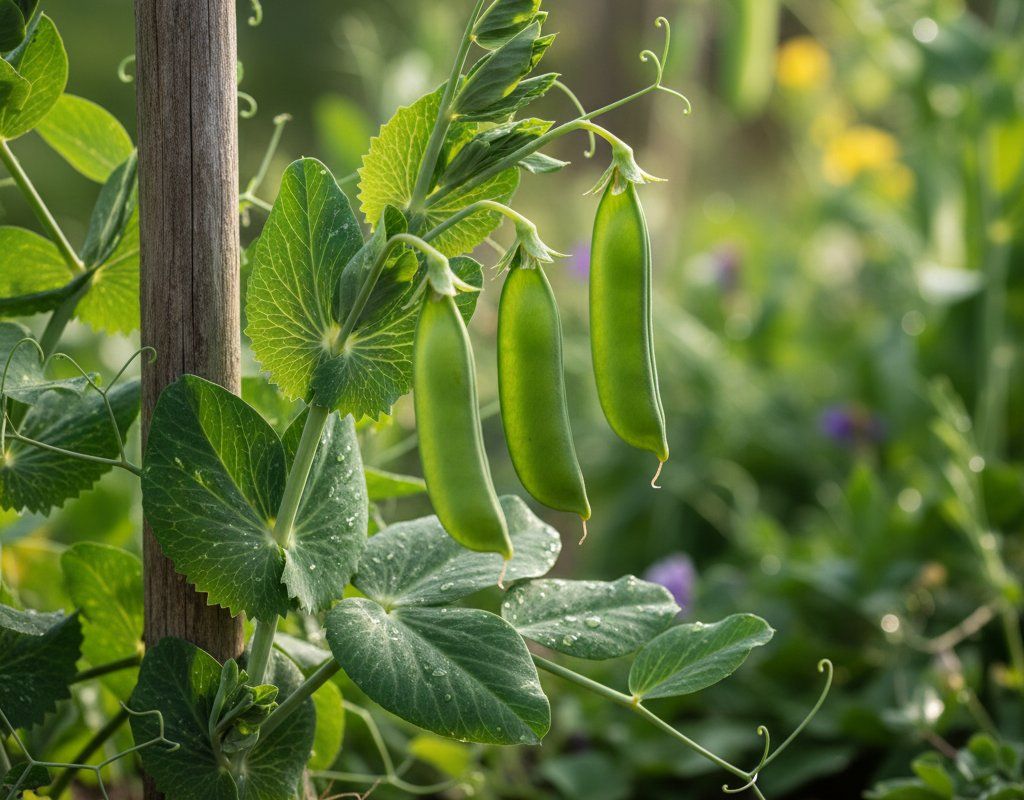
Plant onions alongside tomatoes for natural pest control – onions repel many insects that bother tomatoes, though be prepared to provide extra water since tomatoes need more moisture than onions prefer. Avoid planting onions near beans and peas, as these legumes can inhibit onion growth and the nitrogen they fix can cause onions to produce more leaves than bulbs, exactly the opposite of what you want for a good harvest.
🌸Best Flowers to Plant with Onion
These flowers protect your Onion from pests and attract pollinators for better harvests.
For Pest Control


For Pollinators

Get a Reminder When It's Time to Plant
We'll email you when key planting windows open for your zone.