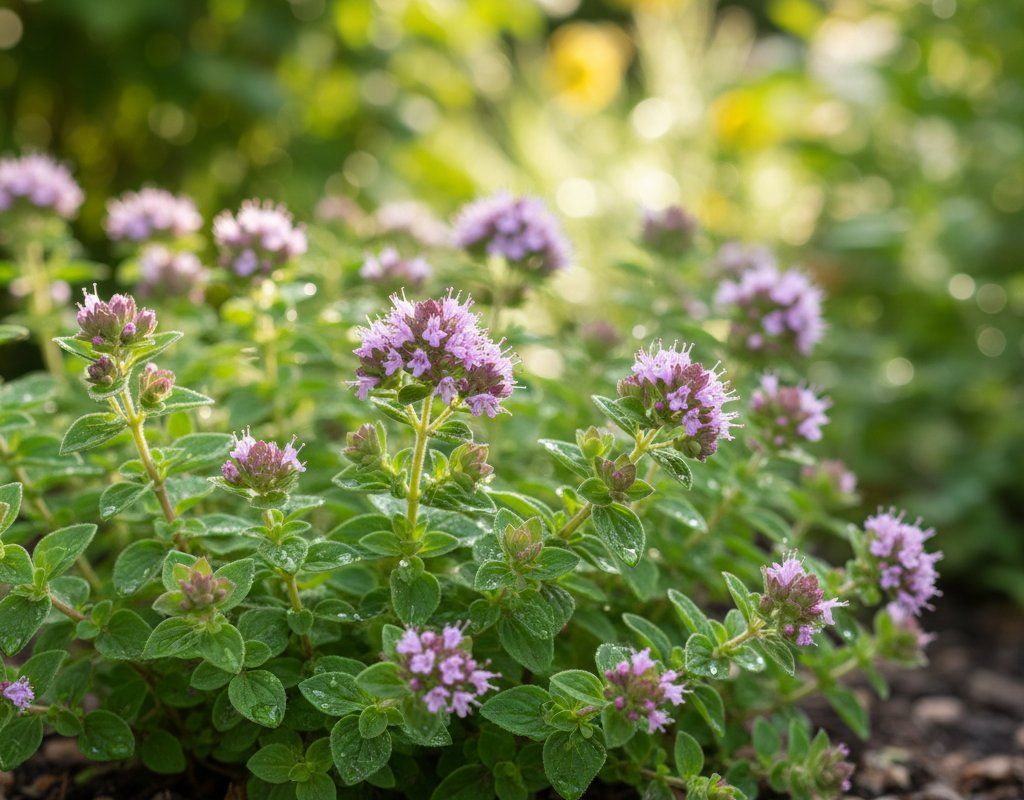
Oregano in Zone 10B — Southern California
Origanum vulgare · Your Complete 2026 Planting Guide
Harvest Time!
Your Oregano should be producing now!
Harvest Tips
Harvest in the morning after dew dries for the best flavor.
How to Plant Oregano in Zone 10B — Southern California
Here are all your options for getting oregano in the ground, from the easiest method to more advanced approaches.
Buy Starts
RecommendedEarly January through late February
around January 10
Plant purchased starts after last frost (January 10).
Easy from seed but slow. Starts give faster results.
Start Seeds Indoors
Works WellEarly to late November
around November 15
Then transplant: Early January through late February
Start seeds 8-10 weeks before transplanting outdoors.
Direct Sow Seeds
Works WellEarly January through early November
around January 10
Consider succession planting every 2-3 weeks for continuous harvest.
Transplant Outdoors
Timing InfoEarly January through late February
around January 10
Can tolerate light frost, but wait for soil to be workable.
You have a nice window — no need to rush.
Overview
Oregano thrives in Southern California's Mediterranean climate, giving you a year-round supply of this essential herb that puts store-bought to shame. The intense, aromatic oils that develop in our hot, dry summers create a flavor complexity you simply can't buy. This drought-tolerant perennial loves our well-draining soils and abundant sunshine, making it one of the most rewarding herbs for SoCal gardens.
While our summer heat inland can stress many plants, oregano actually benefits from the intensity. The occasional winter chill and our unpredictable rainfall patterns might seem challenging, but with proper timing, oregano practically grows itself here. Your 355-day growing season means you can harvest fresh oregano for pizza, pasta, and Mediterranean dishes almost continuously once established.
Starting Seeds Indoors
Starting oregano seeds indoors isn't the most common approach in Southern California since our mild winters allow for direct sowing and transplanting year-round. However, indoor starting makes sense if you want multiple varieties or need precise timing for a specific planting schedule.
Start seeds indoors during early to late November, about 8 weeks before you plan to transplant outdoors. Use seed-starting trays with good drainage and keep the soil consistently moist using bottom watering to prevent damping off. Seeds germinate slowly, taking 10-14 days in warm conditions.
Our very early spring character means you'll be transplanting sooner than gardeners in cooler climates. Keep seedlings in a sunny window or under grow lights, and don't worry about our mild winter temperatures affecting indoor growing conditions.
Transplanting Outdoors
Transplant oregano outdoors from early January through late February, taking advantage of our mild winter weather before the intense heat arrives. This timing gives plants time to establish strong root systems before facing summer stress.
Harden off seedlings gradually over a week, increasing their outdoor exposure daily. Our January weather can swing between cool mornings and warm afternoons, so start with just a few hours of morning sun. Space transplants 12-18 inches apart to allow for their spreading growth habit.
Watch for those occasional cold snaps in late December and early January that can surprise new transplants. While oregano is hardy, newly transplanted seedlings appreciate protection from Santa Ana winds and unexpected temperature drops. Most nursery starts adapt quickly to our conditions and give you faster results than starting from seed.
Direct Sowing
Direct sowing oregano works well in Southern California's forgiving climate, with a planting window from early January through early November. The key advantage is avoiding transplant shock, though germination can be slow and uneven.
Prepare your soil by working in compost for drainage—oregano hates wet feet in our clay soils. Sow seeds when soil temperatures reach 65-70°F, which happens reliably by mid-January in most of SoCal. Scatter seeds lightly and barely cover them, as they need light to germinate.
Space plantings 12-18 inches apart and keep soil consistently moist until germination, which takes 10-21 days. Direct sowing in fall (September through November) often works better than spring sowing, as plants establish during our mild autumn weather and are ready to take off when spring arrives.
Watering Oregano in Zone 10B (Southern California)
Oregano's drought tolerance makes it perfect for Southern California's water-wise gardening, but proper watering during establishment is crucial. For the first month after planting, water deeply twice a week, soaking the soil 6-8 inches deep rather than frequent shallow watering.
Once established, oregano needs surprisingly little water—about 1/2 inch per week during our hot summers. Use the finger test: stick your finger 2 inches into the soil, and water only when it's dry at that depth. Our low-to-moderate humidity means plants lose moisture through their leaves more slowly than in humid climates.
During our winter-wet season, natural rainfall often provides enough moisture, but watch for those long dry spells between storms. Water at the base rather than overhead to prevent fungal issues, especially during our cooler, more humid winter months. Overwatering actually dilutes the essential oils that give oregano its intense flavor.
Apply 2-3 inches of organic mulch around plants to conserve moisture during summer heat, but keep mulch away from the stems. In our inland areas where temperatures regularly hit the mid-90s, this moisture retention becomes critical for maintaining healthy plants through peak summer.
Pruning & Maintaining Oregano
Oregano requires minimal pruning but benefits from strategic cutting to maintain compact, productive plants. Cut back stems by one-third in midsummer, just as the heat peaks, to encourage fresh, tender growth and prevent the plant from becoming woody.
Regular harvesting acts as natural pruning—cut stems just above a leaf pair to encourage branching. This keeps plants bushy rather than tall and leggy, which suits oregano's spreading growth habit better than letting it stretch upward.
In late fall, around November, cut plants back to 2 inches above ground level. This winter pruning prepares plants for our mild winter growing season and prevents stems from becoming too woody. Since our first frost doesn't arrive until late December, you can often harvest right up until pruning time.
🧪Fertilizing Oregano
Feeding Schedule
Organic Fertilizer Options
Harvest Time
Your first oregano harvest begins in late February through early January, about 45 days after planting, once stems reach 4+ inches tall. The beauty of growing oregano in Southern California is this harvest window spans nearly the entire year thanks to our extended growing season.
Harvest individual sprigs anytime by cutting stems just above a leaf pair, which encourages more branching and denser growth. The most flavorful oregano comes just before the plant flowers—you'll notice small buds forming at stem tips. Cut these flowering stems first for the most intense flavor.
For continuous production, harvest no more than one-third of the plant at any time, rotating which stems you cut. Our year-round growing conditions mean plants keep producing new growth even through winter, unlike colder climates where oregano goes dormant.
As late December approaches and first frost becomes possible, harvest heavily and preserve what you can't use fresh. However, in most SoCal microclimates, oregano continues growing slowly through winter, giving you fresh herbs for holiday cooking when other gardens have shut down.
Common Problems in Zone 10B (Southern California)
Root Rot You'll notice yellowing leaves that drop off, stunted growth, and stems that feel soft or mushy at soil level. Severe cases show black, mushy roots when you gently lift the plant. This problem develops when oregano sits in waterlogged soil, especially common in our heavy clay soils during winter rains or with overwatering during summer. Improve drainage by amending clay soil with coarse sand and compost, water less frequently but more deeply, and avoid overhead watering that keeps soil constantly moist.
Aphids Look for clusters of tiny soft-bodied insects (green, black, or white) on stems and leaf undersides, sticky honeydew residue, and curled or distorted new growth. These sap-sucking insects reproduce rapidly in our warm weather, and ant colonies often farm them for their sweet honeydew secretions. Knock them off with strong water sprays, encourage natural predators like ladybugs and lacewings, and use insecticidal soap for heavy infestations. Avoid excess nitrogen fertilizer, which creates the tender growth aphids prefer.
Spider Mites Fine stippling appears on leaves (tiny white dots), followed by fine webbing on leaf undersides and between stems, with leaves eventually turning bronze or yellow. These microscopic arachnids thrive in our hot, dry conditions and multiply rapidly during drought stress or when humidity drops during Santa Ana winds. Combat them with daily strong water sprays for a week, increase humidity around plants with mulching, and use neem oil or insecticidal soap. Avoid broad-spectrum pesticides that kill their natural predators.
Southern California Specific Challenges: Our combination of intense summer heat, low-to-moderate humidity, and winter-wet rainfall creates unique stresses for oregano. The extreme heat inland can concentrate essential oils (good for flavor) but also stress plants if they're not properly established. Santa Ana winds during fire season can quickly dehydrate plants, while our winter rain patterns can lead to root rot if drainage isn't adequate.
Best Companions for Oregano
Plant these nearby for healthier Oregano and better harvests.

Keep Away From
Companion Planting Details
Oregano makes an excellent companion for heat-loving vegetables that share similar water and sun requirements. Plant it near peppers and tomatoes, where its strong scent helps repel pests while its spreading habit provides natural ground cover that conserves soil moisture during our intense summer heat. The aromatic oils in oregano also seem to improve the flavor of nearby tomatoes.
Pair oregano with summer squash and beans, as these vigorous growers appreciate oregano's pest-deterrent properties and its ability to attract beneficial insects like predatory wasps and hover flies. In our Mediterranean climate, this combination creates a self-supporting ecosystem that thrives with minimal water once established. Avoid planting oregano near plants that need frequent watering or rich, moist soil, as oregano performs best with the "tough love" approach that suits our drought-conscious gardening style.
🌸Best Flowers to Plant with Oregano
These flowers protect your Oregano from pests and attract pollinators for better harvests.
For Pest Control



Get a Reminder When It's Time to Plant
We'll email you when key planting windows open for your zone.