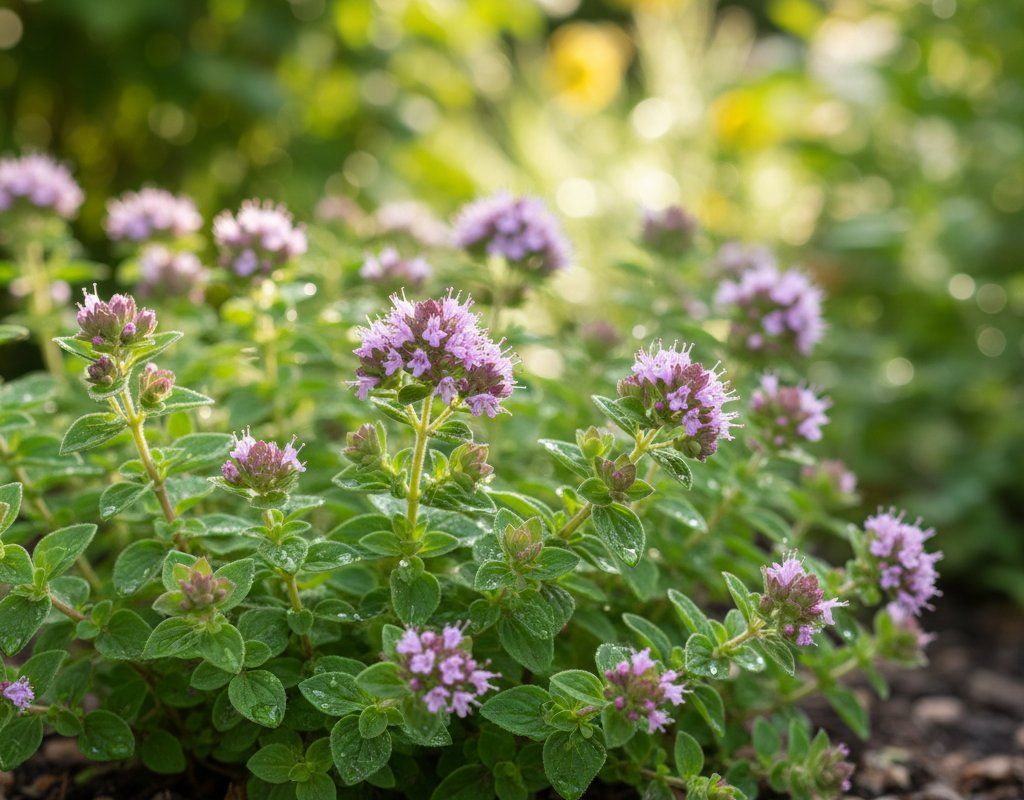
Oregano in Zone 4B — Midwest
Origanum vulgare · Your Complete 2026 Planting Guide
Planning Ahead — Great!
You’re ahead of the season. Here’s when to start.
Mark Your Calendar
How to Plant Oregano in Zone 4B — Midwest
Here are all your options for getting oregano in the ground, from the easiest method to more advanced approaches.
Buy Starts
RecommendedEarly May through late June
around May 10
Plant purchased starts after last frost (May 10).
Easy from seed but slow. Starts give faster results.
Start Seeds Indoors
Works WellEarly to late March
around March 15
Then transplant: Early May through late June
Start seeds 8-10 weeks before transplanting outdoors.
Direct Sow Seeds
Works WellEarly May through late July
around May 10
Consider succession planting every 2-3 weeks for continuous harvest.
Transplant Outdoors
Timing InfoEarly May through late June
around May 10
Can tolerate light frost, but wait for soil to be workable.
You have a nice window — no need to rush.
Overview
Oregano thrives in our Zone 4B Midwest gardens, giving you that authentic Mediterranean flavor that makes store-bought oregano taste like dust. This hardy perennial loves our fertile soil and handles our summer heat spells beautifully, spreading into a fragrant carpet that produces fresh leaves from late spring through our first frost. You'll have enough oregano to dry for winter use and still share with neighbors.
Our Midwest weather throws some curveballs with variable springs and occasional late frosts, but oregano's hardy nature makes timing manageable. With our 138-day growing season, you get plenty of time for multiple harvests once plants establish. The key is waiting until soil warms up properly and our last frost passes in early May.
Starting Seeds Indoors
Starting oregano seeds indoors makes sense if you want multiple plants or specific varieties not available as transplants. Sow seeds in early to late March, about 8 weeks before you plan to transplant outdoors. Our moderate-to-late spring start means you're not rushing like gardeners in warmer zones.
Set up seed trays in a warm spot (70°F works well) with good light once seedlings emerge. Bottom watering prevents the tiny seeds from washing around and reduces damping-off issues. Oregano seeds are slow to germinate and grow, taking 2-3 weeks just to sprout.
The honest truth? Starting from seed tests your patience. Most Midwest gardeners buy transplants for faster results and direct sow a patch for bulk harvesting later in the season.
Transplanting Outdoors
Transplant oregano outdoors from early May through late June, once soil temperatures stay above 50°F consistently. Wait until Memorial Day if you want to play it completely safe - our springs can surprise you with late cold snaps even after the official last frost date.
Harden off transplants gradually over a week, starting with a few hours of morning sun and working up to full outdoor exposure. Space plants 12-18 inches apart since oregano spreads as it matures. Our clay soil holds moisture, so choose a well-draining spot or build up your beds slightly.
Transplants give you the fastest path to harvestable oregano. While direct sowing works fine, transplants handle our variable spring weather better and give you leaves to pick within weeks of planting.
Direct Sowing
Direct sowing oregano works well from early May through late July, giving you flexibility to fill gaps in your herb garden throughout the growing season. Wait until soil temperatures reach 60°F for best germination - usually by mid-May in most Midwest locations.
Prepare the seedbed by working compost into your soil, especially if you have heavy clay. Oregano seeds need good soil contact but don't bury them too deep - just barely cover with fine soil. Keep the area consistently moist until germination, which takes 2-3 weeks.
Space plants 12-18 inches apart once seedlings establish. Direct-sown oregano grows slower initially but develops strong root systems that handle our summer heat spells and drought periods better than transplants.
Watering Oregano in Zone 4B (Midwest)
Oregano needs very little water once established, making it perfect for our sometimes unpredictable Midwest summers. New transplants need regular watering for the first month, but after that, you can mostly let nature handle the job. Our 30-40 inches of annual rainfall usually provides plenty of moisture.
Check soil moisture by pushing your finger 2 inches deep near the plant base. If it's dry at that depth, give plants a deep watering - about an inch per week during dry spells. Water at the base rather than overhead, especially during our humid summer periods when wet foliage invites disease problems.
During summer heat spells when temperatures hit the upper 80s, oregano actually prefers slightly dry conditions. Overwatering dilutes the essential oils that give oregano its flavor punch. The plant's leaves will tell you what it needs - wilted leaves in morning indicate real drought stress.
A light mulch around plants helps retain moisture during dry periods and keeps weeds down, but don't pile mulch against the stems. Our moderate-to-humid summers can create fungal issues if air circulation gets restricted around the plant base.
Pruning & Maintaining Oregano
Oregano needs minimal pruning but benefits from a midsummer haircut to keep plants productive. Cut back about one-third of the plant height in mid-July, just after the first big harvest. This prevents flowering and encourages fresh, tender growth for continued harvesting.
Throughout the growing season, pinch off flower buds as they form unless you want to save seeds. Flowering changes the leaf flavor, making it more bitter. Regular harvesting actually serves as pruning, keeping plants bushy and productive.
Cut plants back to about 2 inches above ground level in late fall after our first frost hits in late September. This prevents winter damage and gives you a fresh start the following spring. Don't worry about being too aggressive - oregano comes back stronger after a hard cut.
🧪Fertilizing Oregano
Feeding Schedule
Organic Fertilizer Options
Harvest Time
Start harvesting oregano sprigs once plants reach 4+ inches tall, usually by late June in our Zone 4B gardens. The best flavor comes just before flowers form, when essential oils concentrate in the leaves. Cut stems just above a pair of leaves to encourage bushier growth below.
Harvest in the morning after dew dries but before the day gets hot. This timing captures peak oil content in the leaves. Cut stems 4-6 inches long, taking no more than one-third of the plant at once. Oregano rebounds quickly from harvesting, especially during our warm summer months.
You can harvest continuously through early October, right up until our first frost threatens. The flavor intensifies as cooler nights arrive in September. For winter storage, cut entire stems and hang them to dry in a well-ventilated area.
As first frost approaches in late September, harvest heavily since the plant will die back anyway. Fresh oregano keeps in the refrigerator for about a week, or you can freeze whole stems in ice cube trays with olive oil for winter cooking.
Common Problems in Zone 4B (Midwest)
Root rot shows up as yellowing, wilting leaves despite moist soil, often with black or mushy roots when you dig up affected plants. Our clay soil and wet summers create perfect conditions for this fungal problem, especially in low-lying areas or where water pools. Improve drainage by working compost into heavy clay, plant in raised beds, and avoid overwatering. Once root rot starts, it's usually too late to save affected plants.
Aphids appear as clusters of tiny soft-bodied insects (green, black, or white) on stems and leaf undersides, leaving sticky honeydew residue and causing new growth to curl. These sap-sucking pests multiply rapidly during our warm summer weather, especially when plants get too much nitrogen. Blast them off with a strong water spray daily for a week, encourage ladybugs and lacewings, or use insecticidal soap for heavy infestations.
Spider mites create fine stippling on leaves (tiny white dots) and produce fine webbing on leaf undersides, eventually causing leaves to turn bronze or yellow. These tiny arachnids thrive during our summer heat spells, especially when plants get drought-stressed. Daily strong water sprays work better than chemicals - increase humidity around plants and avoid broad-spectrum pesticides that kill beneficial predators.
Midwest Specific Challenges: Our moderate-to-humid summers with 30-40 inches of rainfall create more fungal pressure than drier climates, making good drainage and air circulation critical. The combination of summer heat spells followed by humid nights can stress oregano enough to invite pest problems, so consistent but not excessive watering helps maintain plant health.
Best Companions for Oregano
Plant these nearby for healthier Oregano and better harvests.

Keep Away From
Companion Planting Details
Oregano makes an excellent companion for peppers, tomatoes, and squash in Midwest gardens. Its strong scent helps repel aphids, spider mites, and other pests that target these warm-season crops, while its low water needs complement plants that prefer consistent but not excessive moisture. Plant oregano around the edges of tomato beds or between pepper plants where it can spread without competing for root space.
Beans also pair well with oregano since both prefer well-drained soil and moderate watering. The oregano's spreading habit creates a living mulch that helps retain soil moisture for bean roots while suppressing weeds. There are no significant bad companions for oregano - its main requirement is avoiding plants that need constant moisture, which would create fungal problems in our humid Midwest summers.
🌸Best Flowers to Plant with Oregano
These flowers protect your Oregano from pests and attract pollinators for better harvests.
For Pest Control



Get a Reminder When It's Time to Plant
We'll email you when key planting windows open for your zone.