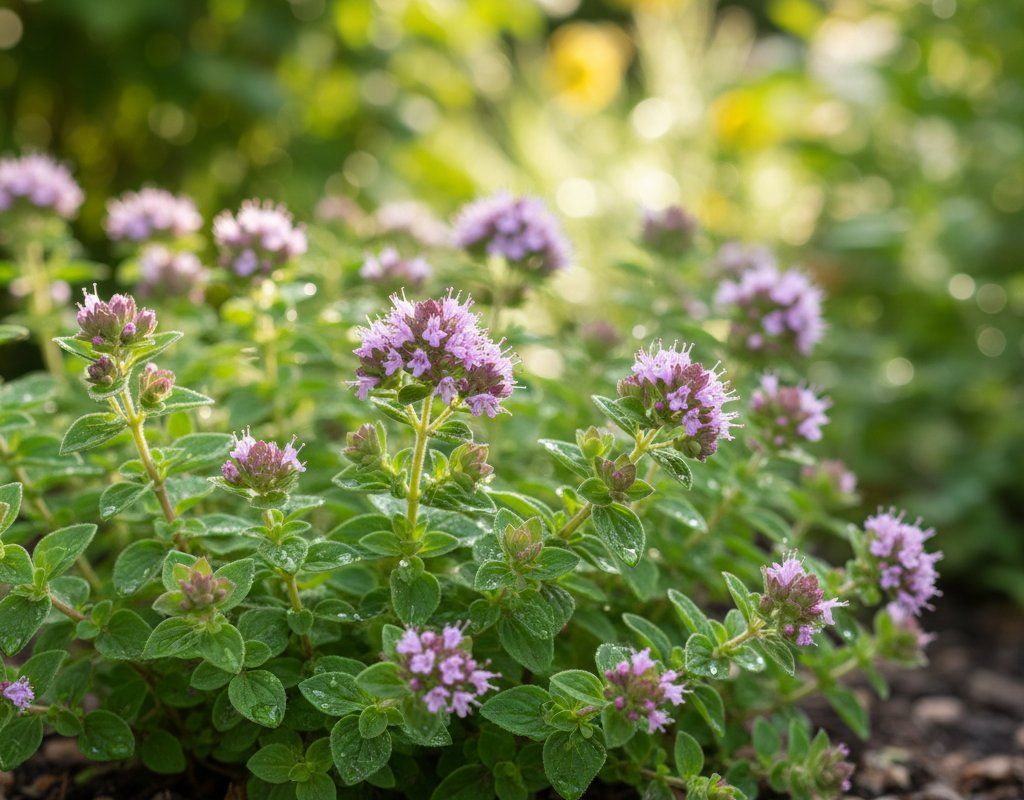
Oregano in Zone 5B — Mid-Atlantic
Origanum vulgare · Your Complete 2026 Planting Guide
Last Call for Seed Starting!
Indoor seed starting window closes in 5 days.
Start Seeds This Week
Start seeds now for transplanting later.
Or Wait for Starts
If you don’t want to start seeds, starts will be available around April 20.
How to Plant Oregano in Zone 5B — Mid-Atlantic
Here are all your options for getting oregano in the ground, from the easiest method to more advanced approaches.
Buy Starts
RecommendedMid April through early June
around April 20
Plant purchased starts after last frost (April 20).
Easy from seed but slow. Starts give faster results.
Start Seeds Indoors
Works WellMid February through early March
around February 23
Then transplant: Mid April through early June
Start seeds 8-10 weeks before transplanting outdoors.
Direct Sow Seeds
Works WellMid April through mid August
around April 20
Consider succession planting every 2-3 weeks for continuous harvest.
Transplant Outdoors
Timing InfoMid April through early June
around April 20
Can tolerate light frost, but wait for soil to be workable.
You have a nice window — no need to rush.
Overview
Oregano transforms from those little supermarket packets into a powerhouse herb in your Mid-Atlantic garden, delivering intense flavor that makes store-bought versions taste like dust. In our Zone 5B climate with its reliable rainfall and four distinct seasons, oregano thrives as a low-maintenance perennial that keeps producing from early summer straight through our first frost in mid-October. The humid summers that challenge some herbs actually help oregano develop those essential oils that give it that distinctive Mediterranean punch.
Yes, our variable spring weather and clay soil present some challenges, but oregano is remarkably forgiving once you get the timing right. With our 178-day growing season and moderate-to-hot summers, you'll have months of continuous harvest from plants that actually prefer a bit of neglect over fussing.
Starting Seeds Indoors
Starting oregano seeds indoors isn't essential, but it makes sense if you want multiple plants or specific varieties not available as transplants. Start seeds from mid-February through early March, about 8 weeks before your last expected frost. With our moderate spring character, you'll have time to grow sturdy transplants without rushing.
Set up seed trays with good drainage and keep them at 65-70°F for germination. Bottom watering works best for oregano seeds since they're tiny and surface moisture can cause issues. Once they sprout, provide bright light and keep the soil barely moist.
The main downside is oregano grows slowly from seed - you won't see dramatic progress for several weeks. If you only need a few plants, buying transplants saves time and gives you a head start on the growing season.
Transplanting Outdoors
Transplant oregano outdoors from mid-April through early June, after our last frost danger passes but while spring weather is still moderate. Our variable spring weather means watching the forecast carefully - those late April warm spells can tempt you to plant early, but a surprise cold snap can set plants back weeks.
Harden off transplants gradually over a week, starting with a few hours of morning sun and building up to full outdoor exposure. Space plants 12-18 inches apart since oregano spreads as it matures. Choose a sunny spot with good drainage - our clay soil often needs amendment with compost or coarse sand to prevent waterlogging.
Transplants establish quickly in our spring conditions and give you a much faster path to harvest than direct seeding. You'll typically see new growth within a week of transplanting if weather cooperates.
Direct Sowing
Direct sowing oregano works well from mid-April through mid-August, though spring sowings give you the longest harvest window. The seeds are tiny, so prepare a fine seedbed and barely cover them with soil. Our clay soil benefits from working in compost to improve drainage and create a lighter surface for small seeds.
Soil temperature should be at least 65°F for reliable germination, which usually happens by late April in our zone. Keep the seedbed consistently moist but not soggy - our spring rains help, but dry spells require daily watering until seedlings establish.
The main challenge with direct sowing is the slow growth rate. Seeds sown in spring won't give you significant harvests until midsummer, while later sowings may not mature before first frost. Space seeds for 12-18 inch final spacing, thinning as needed.
Watering Oregano in Zone 5B (Mid-Atlantic)
Oregano's drought tolerance makes it perfect for our Mid-Atlantic summers, but establishing that tolerance takes some strategy. New transplants need regular watering for the first month, especially during our hot, humid July and August weather. Check soil 2 inches deep with your finger - if it's dry, water deeply at the base rather than overhead.
Once established (usually by mid-summer), oregano thrives on neglect. Our 40-50 inches of annual rainfall often provides enough moisture, especially with morning dew from humid nights. During typical summer heat waves, mature plants might need supplemental watering once a week - about an inch including rainfall.
Overwatering actually weakens oregano's flavor by diluting essential oils, so err on the dry side. In our humid climate, overhead watering invites fungal problems, so always water at soil level. Yellowing lower leaves often signal overwatering rather than drought stress.
A thin mulch layer helps retain moisture during hot spells while preventing soil from splashing onto leaves during our summer thunderstorms. Avoid thick mulch against the stems, which can trap humidity and encourage rot in our climate.
Pruning & Maintaining Oregano
Oregano needs minimal pruning, but strategic cuts keep plants productive and prevent them from getting leggy. Cut back by about one-third in midsummer (usually July) to encourage fresh, tender growth and prevent flowering, which reduces leaf quality. Make cuts just above leaf pairs to promote branching.
Regular harvest counts as pruning - snip stems as needed for cooking, always cutting above a set of leaves. This keeps plants bushy rather than tall and sparse. Remove any flower buds that appear unless you want to save seeds, since flowering shifts the plant's energy away from leaf production.
In late fall, after our first frost in mid-October, cut plants back to about 2 inches above ground level. This prevents winter damage and encourages strong spring growth. Don't cut back too early - oregano continues producing until frost, and those late-season harvests often have the most concentrated flavor.
🧪Fertilizing Oregano
Feeding Schedule
Organic Fertilizer Options
Harvest Time
Your first oregano harvest typically arrives in early June from spring transplants, about 45 days after planting. Look for stems at least 4 inches tall with several sets of mature leaves. The best flavor comes just before the plant flowers, when essential oils are most concentrated in the leaves.
Cut stems above a leaf pair, taking up to one-third of the plant at once. This encourages branching and keeps new growth coming. In our Mid-Atlantic climate, you'll get continuous harvests from early summer through our first frost in mid-October - that's nearly five months of fresh oregano.
Morning harvests after the dew evaporates give you the best flavor, since essential oils are most concentrated then. During our humid summers, avoid harvesting wet plants since moisture reduces storage life and can lead to quick spoilage.
As first frost approaches in mid-October, make a final major harvest to dry or freeze for winter use. The plant will die back with frost, but established plants return reliably each spring as long as they're well-drained through winter.
Common Problems in Zone 5B (Mid-Atlantic)
Root rot shows up as yellowing, wilting plants despite moist soil, often with blackened, mushy roots. Our clay soil and humid climate create perfect conditions for this fungal problem, especially when plants stay too wet. The fix: Improve drainage with compost or raised beds, water only at soil level, and avoid overwatering. Once root rot starts, it's usually fatal - prevention is key.
Aphids appear as clusters of tiny green, black, or white insects on stems and leaf undersides, leaving sticky honeydew and causing curled, distorted growth. Our warm, humid summers create ideal conditions for rapid aphid reproduction. The fix: Blast them off with strong water spray, encourage ladybugs and lacewings with diverse plantings, and use insecticidal soap for heavy infestations. Avoid high-nitrogen fertilizers that make plants more attractive to aphids.
Spider mites cause fine stippling on leaves (tiny white dots) and create fine webbing between stems. Leaves eventually turn bronze or yellow. These tiny pests thrive during hot, dry periods, even in our generally humid climate. The fix: Daily water sprays for a week knock them back effectively. Increase humidity around plants and use neem oil for persistent problems. Avoid broad-spectrum pesticides that kill their natural predators.
Mid-Atlantic Specific Challenges: Our humid summers help oregano develop strong essential oils but can encourage fungal problems if plants stay too wet. The combination of clay soil and summer thunderstorms requires careful attention to drainage, while deer pressure means protecting young plants until they're established enough to handle browsing.
Best Companions for Oregano
Plant these nearby for healthier Oregano and better harvests.

Keep Away From
Companion Planting Details
Oregano makes an excellent companion for heat-loving crops like peppers, tomatoes, and squash in our Mid-Atlantic gardens. Its strong scent helps deter aphids and other soft-bodied pests from these vulnerable plants, while its low water needs complement crops that prefer drier conditions once established. Plant oregano around the edges of tomato and pepper beds where it won't compete for space but can provide pest protection.
Beans also pair well with oregano since both prefer well-drained soil and moderate watering. The oregano's spreading habit creates a living mulch that helps retain soil moisture during our hot summers while suppressing weeds around bean plants. Avoid planting oregano near moisture-loving crops like lettuce or spinach, since their watering needs don't match and oregano's aggressive spread can crowd out more delicate plants.
🌸Best Flowers to Plant with Oregano
These flowers protect your Oregano from pests and attract pollinators for better harvests.
For Pest Control



Get a Reminder When It's Time to Plant
We'll email you when key planting windows open for your zone.