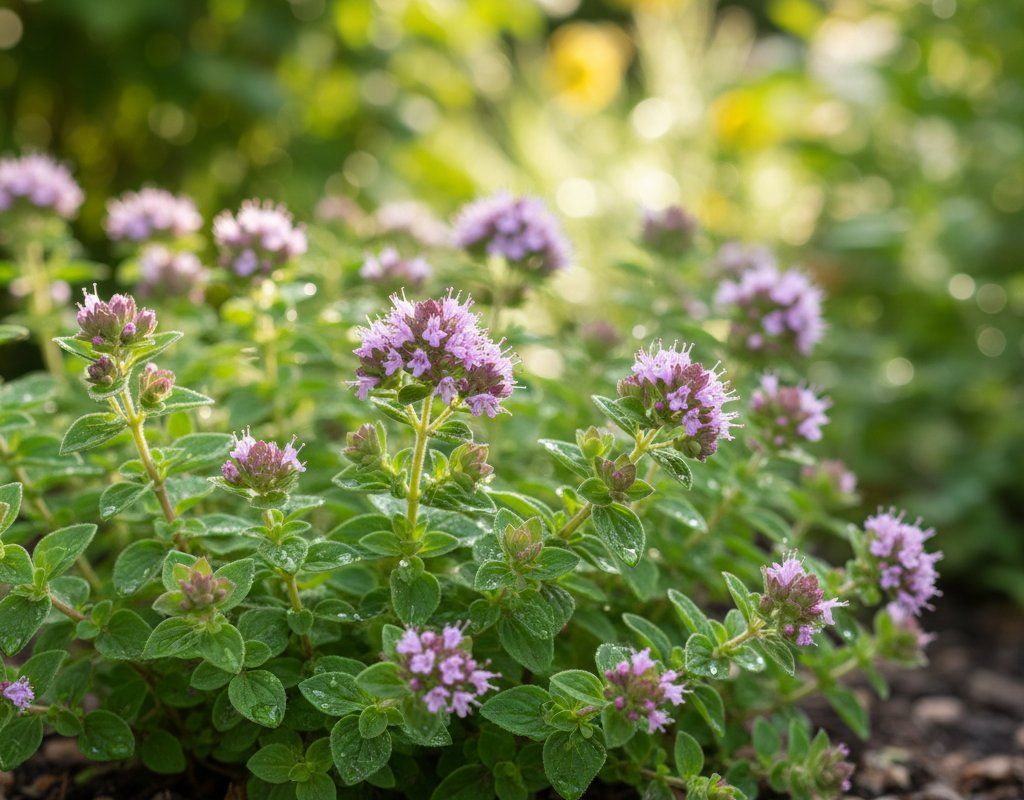
Oregano in Zone 7B — Mid-Atlantic
Origanum vulgare · Your Complete 2026 Planting Guide
Missed Seed Starting? No Problem!
Wait for starts to become available.
What to Do
Starts will be available at nurseries in 28 days (around April 1).
How to Plant Oregano in Zone 7B — Mid-Atlantic
Here are all your options for getting oregano in the ground, from the easiest method to more advanced approaches.
Buy Starts
RecommendedEarly April through mid May
around April 1
Plant purchased starts after last frost (April 1).
Easy from seed but slow. Starts give faster results.
Start Seeds Indoors
Works WellLate January through mid February
around February 4
Then transplant: Early April through mid May
Start seeds 8-10 weeks before transplanting outdoors.
Direct Sow Seeds
Works WellEarly April through early September
around April 1
Consider succession planting every 2-3 weeks for continuous harvest.
Transplant Outdoors
Timing InfoEarly April through mid May
around April 1
Can tolerate light frost, but wait for soil to be workable.
You have a nice window — no need to rush.
Overview
Oregano is one of those herbs that transforms everything it touches, and in the Mid-Atlantic's climate, it practically grows itself once established. You'll get that intense, aromatic flavor that makes store-bought oregano taste like sawdust in comparison—perfect for pizza sauces, Greek dishes, and those summer tomato combinations our region does so well. The plant thrives in our humid summers and can handle the temperature swings that come with four distinct seasons.
While our variable spring weather and heavy clay soil can challenge some herbs, oregano actually benefits from our conditions once you get the timing right. With our 214-day growing season, you'll have months of continuous harvest from late spring through the first frost in early November. The key is working with our moderate spring start rather than fighting it.
Starting Seeds Indoors
Starting oregano seeds indoors makes sense if you want multiple plants or prefer the satisfaction of growing from seed. Start them late January through mid-February, about 8 weeks before your planned transplant date. The seeds are tiny and slow to germinate, so patience pays off here.
Set up your seed trays with good drainage and keep them warm—around 70°F works well. Our moderate spring character means you're not racing against brutal heat, so you have time for these slow starters to develop. Bottom watering works best to avoid disturbing the small seeds and prevents the fungal issues that can pop up in our humid conditions.
Once seedlings have their first true leaves, provide bright light or grow lights. They'll be ready for transplanting by early to mid-April, right when our spring weather starts settling down.
Transplanting Outdoors
Transplanting oregano outdoors works best from early April through mid-May, once the risk of late frost passes. You'll want to harden off your seedlings for about a week—gradually increasing their outdoor time as our spring temperatures stabilize. This prevents shock when they hit our clay soil and variable weather.
Space plants 12-18 inches apart to accommodate oregano's spreading growth habit. Our humid summers mean good air circulation prevents fungal problems, so don't crowd them. If you're dealing with heavy clay soil like many of us, work in some compost to improve drainage—oregano hates wet feet.
Transplants give you faster results than direct seeding, especially in our climate where oregano can be slow to establish. You'll be harvesting by mid-May instead of waiting for seeds to mature.
Direct Sowing
Direct sowing oregano is possible from early April through early September, though spring and early summer sowings work best in our climate. The seeds need warm soil—at least 60°F—which usually happens by mid-April in most Mid-Atlantic areas. Prepare your soil by working in compost, especially if you're dealing with our common clay soil issues.
Sow seeds thinly and barely cover them—oregano needs light to germinate. Space them about 12-18 inches apart, or sow more densely and thin later. Keep the soil consistently moist until germination, which can take 2-3 weeks in cooler spring weather.
The main drawback of direct sowing is time—oregano is naturally slow from seed, and our moderate spring start means you won't see significant growth until late May or June. Transplants give you a solid head start if you want earlier harvests.
Watering Oregano in Zone 7B (Mid-Atlantic)
Oregano's drought tolerance makes it perfect for our unpredictable Mid-Atlantic weather patterns, but establishment watering is crucial that first season. During your plant's first month, water when the top 2 inches of soil feel dry—use the finger test rather than guessing. In our clay soils, this might mean watering less frequently but more deeply.
Once established, oregano thrives on benign neglect. Our 40-50 inches of annual rainfall usually provides enough moisture, but watch during hot, humid stretches in July and August when even drought-tolerant plants can stress. About 1 inch per week keeps them happy, including rainfall. Water at the base rather than overhead—our humid conditions make wet foliage an invitation for fungal problems.
Overwatering actually hurts oregano's flavor by diluting the essential oils that make it worthwhile. If leaves look pale or growth seems weak, you're probably watering too much. In our humid climate, less is definitely more with this herb. Yellow lower leaves often indicate too much water rather than too little.
A thin layer of mulch helps retain moisture during our hotter spells while preventing our clay soil from crusting over. Just keep mulch away from the base of the plant to maintain good air circulation in our humid summers.
Pruning & Maintaining Oregano
Oregano needs minimal pruning, but a midsummer trim keeps plants productive and prevents them from getting leggy during our long growing season. Cut plants back by about one-third in mid-July—this encourages fresh, tender growth and prevents flowering, which can make leaves bitter.
Pinch off flower buds as they appear if you want to maintain the best leaf flavor, though the flowers are edible and attract beneficial insects to your garden. Regular harvesting acts as pruning, so the more you cut, the bushier your plants become.
In late fall, around late October before our first frost hits in early November, cut plants back to about 2 inches above ground. This helps prevent winter damage and promotes strong spring growth. Oregano is hardy in our zone, so it'll bounce back vigorously next season.
🧪Fertilizing Oregano
Feeding Schedule
Organic Fertilizer Options
Harvest Time
Your first oregano harvest typically starts in mid-May if you transplanted in early April, continuing straight through until our first frost in early November. Plants need to reach about 4 inches tall before you start cutting—rushing this early harvest weakens young plants. Once established, harvest sprigs anytime by cutting stems just above a pair of leaves.
The most flavorful oregano comes just before the plant flowers, usually in early to mid-summer. Look for stems that are firm and aromatic—they should release that distinctive oregano scent when you brush against them. Cut stems in the morning after the dew dries but before the day gets hot, when essential oils are most concentrated.
Harvest regularly to keep plants producing fresh growth. Cut stems back to about 6 inches above ground rather than just pinching tips—this encourages branching and prevents plants from getting woody. During our peak summer heat in July and August, plants may slow production slightly, but they'll pick up again as temperatures moderate.
As fall approaches and first frost threatens in early November, harvest heavily for drying or freezing. Cut entire stems and process quickly—oregano loses potency fast once cut. You can often get one last good harvest right after a light frost, which sometimes intensifies the flavor.
Common Problems in Zone 7B (Mid-Atlantic)
Root Rot Yellowing leaves starting from the bottom, wilting despite moist soil, and stems that feel soft at the base all signal root rot. This fungal problem thrives in our heavy clay soil when it stays too wet, especially during humid summer stretches or extended rainy periods. Improve drainage by working compost into clay soil before planting, and avoid overwatering during our naturally humid summers. If caught early, reduce watering and improve air circulation around plants.
Aphids Look for clusters of tiny green, black, or white insects on stems and leaf undersides, sticky honeydew residue, and curled new growth. These sap-suckers multiply rapidly in warm weather and can quickly overwhelm oregano plants during our humid summers. Blast them off with a strong water spray daily for a week—this simple method often solves the problem. Encourage natural predators like ladybugs, or use insecticidal soap for heavy infestations. Avoid excess nitrogen fertilizer, which makes plants more attractive to aphids.
Spider Mites Fine stippling on leaves (tiny white dots), webbing on leaf undersides, and bronze or yellowing foliage indicate spider mites. These tiny pests thrive during hot, dry spells even in our generally humid climate, especially if plants are stressed. Daily water sprays work well—increase humidity around plants and avoid broad-spectrum pesticides that kill beneficial predators. Neem oil helps with persistent infestations.
Mid-Atlantic Specific Challenges Our humid summers create perfect conditions for fungal issues, making good air circulation essential for oregano. Clay soil requires amendment for proper drainage, while deer pressure means you might need protection until plants establish. Japanese beetles occasionally nibble oregano but rarely cause serious damage to established plants.
Best Companions for Oregano
Plant these nearby for healthier Oregano and better harvests.

Keep Away From
Companion Planting Details
Oregano makes an excellent companion for heat-loving vegetables that share its preference for well-drained soil and full sun. Plant it near peppers and tomatoes—oregano's strong scent may deter some pests, and the flavor combination is classic for our region's summer cooking. The herb's spreading habit provides living mulch around taller plants while its flowers attract beneficial insects that help with pollination and pest control.
Squash and beans also pair well with oregano since they all appreciate similar growing conditions and won't compete for the same soil nutrients. Oregano's drought tolerance means it won't compete with these vegetables for water during our humid but sometimes dry summer stretches. There aren't any significant bad companions for oregano—it's one of those agreeable herbs that plays well with most garden plants in our Mid-Atlantic growing conditions.
🌸Best Flowers to Plant with Oregano
These flowers protect your Oregano from pests and attract pollinators for better harvests.
For Pest Control




Get a Reminder When It's Time to Plant
We'll email you when key planting windows open for your zone.