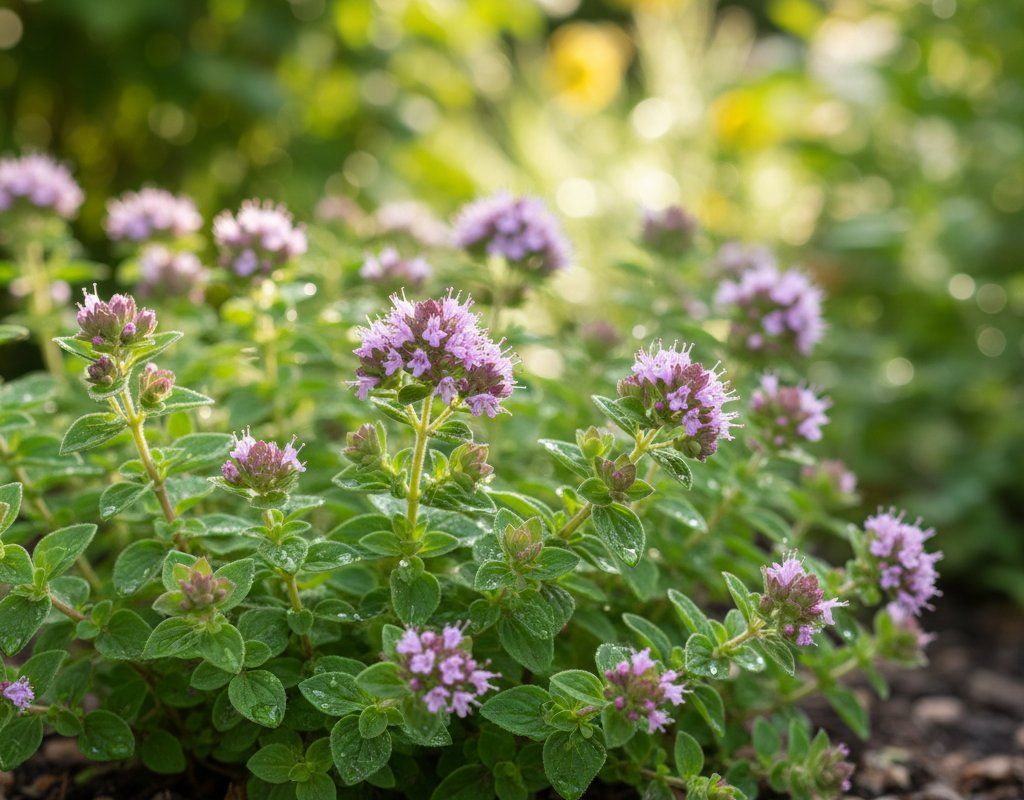
Oregano in Zone 9B — Texas
Origanum vulgare · Your Complete 2026 Planting Guide
Time to Buy Starts!
Seed starting window passed, but starts are available now.
Buy Starts Now
Head to your local nursery, Home Depot, or farmers market for transplants.
- Look for stocky plants with dark green leaves
- Avoid leggy seedlings or plants already flowering
- Check that roots aren't circling the pot (rootbound)
How to Plant Oregano in Zone 9B — Texas
Here are all your options for getting oregano in the ground, from the easiest method to more advanced approaches.
Buy Starts
RecommendedEarly February through mid March
around February 5
Plant purchased starts after last frost (February 5).
Easy from seed but slow. Starts give faster results.
Start Seeds Indoors
Works WellEarly to late December
around December 11
Then transplant: Early February through mid March
Start seeds 8-10 weeks before transplanting outdoors.
Direct Sow Seeds
Works WellEarly February through mid October
around February 5
Consider succession planting every 2-3 weeks for continuous harvest.
Transplant Outdoors
Timing InfoEarly February through mid March
around February 5
Can tolerate light frost, but wait for soil to be workable.
You have a nice window — no need to rush.
Overview
Oregano brings robust Mediterranean flavor to your Texas garden with surprisingly little fuss. This drought-tolerant herb thrives in our intense summer heat once established, delivering the concentrated oils that make homegrown oregano so much more flavorful than store-bought. You'll have fresh oregano for pizza sauce, grilled meats, and tex-mex dishes from spring through your first freeze.
While our unpredictable weather and brutal Texas heat can challenge many herbs, oregano actually prefers hot, dry conditions once it gets going. Your 308-day growing season means you can harvest fresh oregano for most of the year, and the intense summer sun concentrates those essential oils that give oregano its punch.
Starting Seeds Indoors
Starting oregano from seed indoors works well if you want multiple plants or specific varieties, though it's honestly slower than buying starts. Sow seeds in early to late December, about 8 weeks before your last frost window in early February. Oregano seeds need warmth to germinate - keep seed trays around 70°F.
Use bottom watering to keep soil consistently moist without creating fungal problems. The seeds are tiny and slow to germinate, often taking 10-14 days. Once seedlings have their first true leaves, they'll need bright light - either a south window or grow lights for 12-14 hours daily.
Since our spring arrives early and can be unpredictable, starting indoors gives you more control over timing. Just remember that oregano seedlings grow slowly at first, so patience pays off.
Transplanting Outdoors
Transplant your oregano seedlings outdoors from early February through mid-March, after hardening them off for a week. Start with just 2-3 hours of morning sun, gradually increasing outdoor exposure until they can handle full days outside. Space plants 12-18 inches apart - oregano spreads as it matures.
Watch for those unexpected February warm spells that can fool you into transplanting too early, then get hit by a late cold snap. Oregano handles light frost fine, but newly transplanted seedlings need a week or two to establish roots before dealing with temperature swings.
The main advantage of transplants is speed - you'll be harvesting oregano sprigs by late March instead of waiting for direct-sown seeds to size up. In our climate, getting established before the Texas heat really kicks in makes a big difference.
Direct Sowing
You can direct sow oregano from early February through mid-October, though spring and fall sowings work better than summer in our heat. Prepare a well-draining bed in full sun - oregano won't tolerate soggy soil, especially during our unpredictable flash floods.
Scatter seeds lightly over prepared soil and barely cover them - oregano seeds need some light to germinate. Keep the soil consistently moist for the first 2-3 weeks while seeds germinate and establish. Space plantings 12-18 inches apart, thinning seedlings if needed.
Direct sowing works best in fall for overwintering plants, since oregano grows slowly from seed and benefits from our mild winters to establish strong root systems. Spring sowings can work but may struggle once summer heat arrives before they're fully established.
Watering Oregano in Zone 9B (Texas)
Oregano's drought tolerance is one of its best qualities in Texas, but newly planted oregano needs consistent moisture for the first month while establishing roots. After that, it prefers to dry out between waterings - overwatered oregano develops weak flavor and fungal problems.
Use the finger test: stick your finger 2 inches into soil near the plant. If it's dry at that depth, water deeply at the base of the plant. During establishment, this might be twice weekly. Once established (after 4-6 weeks), oregano often survives on rainfall alone except during extended drought periods.
In our unpredictable climate with 15-50 inches of annual rainfall, avoid overhead watering since our variable humidity can encourage fungal issues. When you do water during dry spells, give plants about 1 inch per week through deep, infrequent watering rather than frequent light sprinklings.
Apply 2-3 inches of mulch around plants to conserve moisture and regulate soil temperature during our extreme summer heat. Overwatered oregano produces lush but flavorless leaves - the stress of moderate drought actually concentrates the essential oils that give oregano its punch.
Pruning & Maintaining Oregano
Oregano needs minimal pruning, but a few strategic cuts keep plants productive and compact. Pinch off flower buds as they appear to keep leaves tender and flavorful - once oregano flowers, the leaves become more bitter and tough.
Cut plants back by about one-third in midsummer when they start looking leggy or after flowering. This encourages fresh, tender growth for your fall harvest season. Make cuts just above a pair of leaves to encourage branching.
In late fall before your first freeze (usually early December in most Texas areas), cut oregano back to about 2 inches above ground level. This helps plants survive winter and emerge stronger in spring, though oregano often stays semi-evergreen through our mild winters.
🧪Fertilizing Oregano
Feeding Schedule
Organic Fertilizer Options
Harvest Time
Your first oregano harvest comes surprisingly quickly - you can start snipping sprigs once plants reach 4 inches tall, usually by late March from transplants or early summer from direct-sown seeds. The best flavor comes just before plants flower, when essential oils are most concentrated.
Cut stems just above a pair of leaves, taking no more than one-third of the plant at any harvest. This keeps oregano producing new growth throughout your long growing season. Morning harvest after dew dries gives the strongest flavor, since essential oils are most concentrated then.
Oregano produces continuously through fall until your first freeze, typically in early December. The intense Texas heat actually improves flavor by concentrating oils, so don't worry about summer harvests being too strong - they're often the best of the year.
For winter storage, harvest heavily in late November before frost threatens. Oregano dries beautifully hung in bundles or spread on screens, maintaining much more flavor than store-bought dried oregano.
Common Problems in Zone 9B (Texas)
Root Rot Yellowing leaves from bottom up, musty smell from soil, and soft, dark roots indicate root rot. This fungal problem strikes when soil stays too wet, especially during our unpredictable flash floods or if you're overwatering in clay soil. Improve drainage immediately by adding compost or planting in raised beds. Reduce watering frequency and ensure good air circulation around plants.
Aphids Look for clusters of tiny green, black, or white insects on stems and leaf undersides, along with sticky honeydew residue and curled new growth. These sap-suckers explode in population during warm Texas weather, and fire ants often farm them for their honeydew. Knock them off with a strong water spray daily for a week. Encourage beneficial ladybugs and lacewings, or use insecticidal soap for heavy infestations.
Spider Mites Fine white stippling on leaves and delicate webbing on undersides signal spider mites. These microscopic pests thrive in our hot, dry conditions and can quickly overwhelm drought-stressed plants. Daily strong water sprays work better than chemicals - spray undersides of leaves thoroughly. Increase humidity around plants during extreme heat spells and avoid broad-spectrum pesticides that kill their natural predators.
Texas Specific Challenges: Our variable humidity and unpredictable rainfall create perfect conditions for fungal problems if oregano doesn't have excellent drainage, while extreme heat and drought stress make plants vulnerable to spider mites. The key is balancing adequate moisture for establishment with the well-draining conditions oregano needs to thrive long-term.
Best Companions for Oregano
Plant these nearby for healthier Oregano and better harvests.

Keep Away From
Companion Planting Details
Oregano makes an excellent companion for peppers, tomatoes, and squash - plants that share its love of heat and well-draining soil. The oregano's strong scent may help deter pests from these vegetables, while its low water needs complement plants that suffer from overwatering. Plant oregano near your pepper bed where it won't be accidentally overwatered when you irrigate heavy feeders.
Avoid planting oregano with moisture-loving herbs like basil or cilantro, since their watering needs conflict. However, oregano pairs beautifully with other Mediterranean herbs like rosemary and thyme that share similar growing requirements and thrive in Texas heat. This combination creates a low-maintenance herb section that practically takes care of itself once established.
🌸Best Flowers to Plant with Oregano
These flowers protect your Oregano from pests and attract pollinators for better harvests.
For Pest Control




Get a Reminder When It's Time to Plant
We'll email you when key planting windows open for your zone.