
Parsley in Zone 10B — Southern California
Petroselinum crispum · Your Complete 2026 Planting Guide
You Can Still Sow!
Direct sowing window is open for Parsley.
Direct Sow Now
Parsley is slow to germinate (2-4 weeks). Soaking seeds helps.
How to Plant Parsley in Zone 10B — Southern California
Here are all your options for getting parsley in the ground, from the easiest method to more advanced approaches.
Direct Sow Seeds
RecommendedLate December through early October
around December 27
Consider succession planting every 2-3 weeks for continuous harvest.
Parsley is slow to germinate (2-4 weeks). Soaking seeds helps.
Start Seeds Indoors
RecommendedLate October through mid November
around November 1
Then transplant: Late December through late January
Start seeds 8-10 weeks before transplanting outdoors.
Start indoors 8-10 weeks early due to slow germination.
Buy Starts
Works WellLate December through late January
around December 27
Plant purchased starts after last frost (January 10).
Transplant Outdoors
Timing InfoLate December through late January
around December 27
Can tolerate light frost, but wait for soil to be workable.
You have a nice window — no need to rush.
Fall Planting
Mid October through mid November
October 29 ideal · Direct sow for fall harvest
Plant a second crop in mid-summer for fall harvest. Parsley actually prefers the cooling temperatures of fall.
Overview
Parsley thrives in our Southern California climate, giving you fresh herbs year-round without the seasonal gaps that plague colder regions. This hardy biennial loves our mild winters and tolerates our summer heat better than most leafy greens, making it perfect for continuous harvesting. You'll get intensely flavorful leaves that put grocery store parsley to shame, plus the satisfaction of snipping fresh herbs steps from your kitchen.
Our hot, dry summers and occasional Santa Ana winds can stress tender herbs, but parsley's natural hardiness works in your favor here. With our 355-day growing season, you can succession plant for non-stop harvests and even let some plants overwinter to produce seed in their second year. The key is timing your plantings to work with our climate patterns rather than against them.
Starting Seeds Indoors
Starting parsley indoors makes sense if you want earlier spring harvests or better germination control during our unpredictable winter weather. Start seeds in late October through mid-November, about 8 weeks before you plan to transplant outdoors. Parsley seeds are notoriously slow to germinate—often taking 3-4 weeks—so patience is essential.
Set up seed trays in a warm spot (65-70°F works well) with good light once seedlings emerge. Bottom watering works better than overhead watering since parsley seedlings are prone to damping off in our variable winter humidity. Our very early spring means you'll be transplanting these seedlings in late December through late January, when soil temperatures are still cool but the worst cold has passed.
The indoor method gives you more control, but honestly, parsley is tough enough for direct sowing in most Southern California gardens. Save your indoor space for more tender crops unless you're dealing with particularly challenging soil conditions.
Transplanting Outdoors
Transplant your indoor-started parsley seedlings outdoors from late December through late January, when our mild winter weather provides ideal growing conditions. These young plants handle light frost well, so you don't need to wait for completely frost-free conditions like you would with tomatoes or peppers.
Harden off seedlings gradually over a week, starting with a few hours of morning sun and working up to full outdoor exposure. Space plants 6-10 inches apart in well-draining soil—closer spacing works fine since you'll be harvesting outer leaves regularly. Our winter rains often provide adequate moisture during this period, but keep an eye on newly transplanted seedlings if we hit a dry spell.
Watch for potential late-season Santa Ana winds during transplant time, which can dry out young plants quickly. A light row cover or temporary shade cloth helps protect transplants during particularly harsh wind events.
Direct Sowing
Direct sowing works well in Southern California since our soil rarely freezes hard enough to damage seeds. Sow from late December through early October, though the cooler months give you the best germination rates. Your widest window runs through our mild winter and spring before summer heat becomes too intense.
Prepare your soil with compost and ensure good drainage—parsley seeds rot in soggy conditions. Soak seeds overnight before planting to speed up that famously slow germination process. Plant seeds ¼ inch deep and space them about 2 inches apart, then thin to 6-10 inches as seedlings develop.
Keep soil consistently moist during the 2-4 week germination period, which can be tricky during our dry spells. A light mulch helps retain moisture without creating too much warmth. The main downside of direct sowing is that slow germination period coinciding with our unpredictable winter rain patterns.
Watering Parsley in Zone 10B (Southern California)
Parsley needs consistent, moderate moisture—more than our drought-tolerant natives but less than water-hungry vegetables like lettuce. Plan for about 1 inch of water per week during active growth, adjusting for our seasonal rainfall patterns. Our winter-wet climate often provides most of what young plants need from December through March.
Summer watering becomes more critical as temperatures climb toward that typical 92°F. Water deeply at soil level rather than overhead, especially during our low-humidity periods when wet leaves can lead to fungal issues. The finger test works well—stick your finger 2 inches into the soil, and water when it feels dry at that depth.
Watch for signs of stress during Santa Ana wind events, when plants can wilt quickly despite adequate soil moisture. A temporary shade cloth helps reduce water loss during these harsh, dry periods. Underwatered parsley develops yellowing leaves and weak growth, while overwatered plants show dark, mushy stems at soil level.
Light mulching around plants helps conserve moisture and keeps soil temperatures moderate during summer heat, but avoid thick mulch that might retain too much moisture during our wet winter months.
🧪Fertilizing Parsley
Feeding Schedule
Organic Fertilizer Options
Harvest Time
Your first parsley harvest typically begins in early March through early January, depending on when you planted—about 70 days from seed. Look for stems with at least three full segments of leaves before cutting. Harvest outer stems first, cutting them cleanly at the base rather than pinching or tearing.
Regular harvesting encourages continued growth throughout our long growing season. Cut what you need weekly, taking no more than one-third of the plant at a time. This keeps plants productive well into summer, though growth slows during our hottest months. You'll get the best flavor from young, tender leaves.
Since parsley is biennial, first-year plants focus on leaf production while second-year plants bolt to seed. In our mild climate, you can let some plants overwinter to collect seeds the following summer, or simply start fresh plantings for continuous leaf production.
As first frost approaches in late December, harvest heavily and preserve what you can't use fresh. Parsley handles light frost well, but a hard freeze will damage leaves—though the plant usually recovers when warmer weather returns.
Common Problems in Zone 10B (Southern California)
Slow Germination Seeds taking 3-4 weeks to sprout, poor germination rates, or patchy emergence. Parsley seeds have a tough seed coat that naturally takes time to break down, and cool soil during our winter planting season slows the process further. Soak seeds overnight before planting and keep soil consistently moist but not soggy. Covering seeded areas with light mulch helps maintain moisture during our dry winter spells.
Carrot Rust Fly Small dark flies hovering near plants, rusty brown tunnels in roots, and wilting foliage despite adequate water. These fly larvae tunnel into parsley roots just like they do with carrots, since parsley belongs to the same family. Row covers provide the best prevention—install them at planting and keep them on during peak fly activity in spring and fall. Interplanting with onions helps confuse the flies with scent.
Crown Rot Dark, mushy stems at soil level and plants that suddenly collapse despite healthy-looking foliage above ground. This fungal problem develops in poorly draining soil, especially during our wet winter months when soil stays saturated. Improve drainage with compost and avoid overhead watering that keeps the crown area wet. Space plants properly for air circulation.
Southern California Specific Challenges: Our hot, dry summers stress parsley more than the cool, humid conditions it prefers naturally. Combine this with water restrictions during drought years, and you'll need to focus on efficient watering methods and temporary shade during heat waves. Santa Ana winds can quickly desiccate plants, so have shade cloth ready during fire season.
Best Companions for Parsley
Plant these nearby for healthier Parsley and better harvests.
View Full Companion Planting Chart →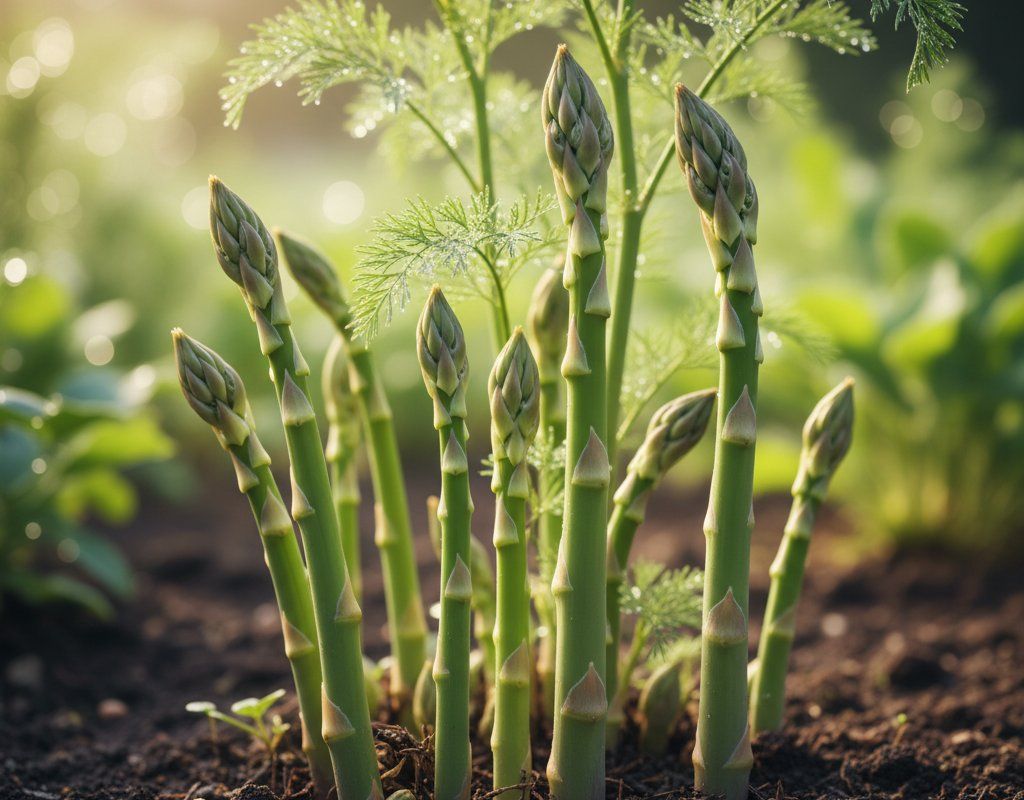



Companion Planting Details
Plant parsley near tomatoes, where it reportedly helps repel harmful insects while the tomatoes provide afternoon shade during summer heat. Asparagus and parsley make excellent garden neighbors since asparagus provides light shade and both plants have different root depths, reducing competition. Corn works well as a companion too, offering wind protection during Santa Ana events while parsley's strong scent may deter corn pests.
Avoid planting parsley near lettuce, which competes for similar soil moisture and nutrients while growing at the same soil level. Keep it away from mint, which spreads aggressively and can overwhelm parsley plants. In our water-conscious climate, grouping parsley with plants that have similar watering needs helps you manage irrigation more efficiently.
🌸Best Flowers to Plant with Parsley
These flowers protect your Parsley from pests and attract pollinators for better harvests.
For Pest Control




Get a Reminder When It's Time to Plant
We'll email you when key planting windows open for your zone.