
Parsley in Zone 6A — Midwest
Petroselinum crispum · Your Complete 2026 Planting Guide
Missed Seed Starting? No Problem!
Wait for starts to become available.
What to Do
Starts will be available at nurseries in 33 days (around April 6).
How to Plant Parsley in Zone 6A — Midwest
Here are all your options for getting parsley in the ground, from the easiest method to more advanced approaches.
Direct Sow Seeds
RecommendedEarly April through late July
around April 6
Consider succession planting every 2-3 weeks for continuous harvest.
Parsley is slow to germinate (2-4 weeks). Soaking seeds helps.
Start Seeds Indoors
RecommendedEarly to late February
around February 9
Then transplant: Early April through early May
Start seeds 8-10 weeks before transplanting outdoors.
Start indoors 8-10 weeks early due to slow germination.
Buy Starts
Works WellEarly April through early May
around April 6
Plant purchased starts after last frost (April 20).
Transplant Outdoors
Timing InfoEarly April through early May
around April 6
Can tolerate light frost, but wait for soil to be workable.
You have a nice window — no need to rush.
Fall Planting
Late July through late August
August 13 ideal · Direct sow for fall harvest
Plant a second crop in mid-summer for fall harvest. Parsley actually prefers the cooling temperatures of fall.
Overview
Fresh parsley transforms any dish from ordinary to extraordinary, and in our fertile Midwest soil, it practically grows itself once you get the timing right. Unlike the flavorless dried stuff from the store, homegrown parsley delivers that bright, clean taste that makes everything from soups to salads sing. Here in Zone 6A, parsley thrives in our moderate summer heat and benefits from our reliable rainfall patterns.
Don't let our variable spring weather intimidate you – parsley is actually one of the more forgiving herbs for Midwest gardeners. With our 178-day growing season, you have plenty of flexibility to get a crop established and harvest fresh leaves well into fall. The key is working with our climate patterns rather than fighting them.
Starting Seeds Indoors
Starting parsley seeds indoors makes sense if you want the earliest possible harvest or prefer more control over germination. Sow seeds in early to late February, about 8-10 weeks before your last frost, giving parsley's notoriously slow germination plenty of time. You'll need that extra buffer because parsley seeds can take 2-4 weeks to sprout, even under ideal conditions.
Set up your seed trays with a good seed-starting mix and keep them consistently warm – around 70°F works best. Bottom watering works particularly well for parsley since the seeds need steady moisture without getting waterlogged. A heat mat underneath your trays helps maintain consistent soil temperature during our unpredictable Midwest late winter.
Once seedlings emerge, they'll need bright light for 12-14 hours daily. Our moderate-to-late spring character means you won't be rushing to get these transplants outside, so take your time growing strong seedlings indoors.
Transplanting Outdoors
Plan to transplant your parsley seedlings outdoors from early April through early May, after the soil has warmed and our last frost threat has passed. In the Midwest, this timing usually works well since parsley can handle light frosts once established. Space your transplants 6-10 inches apart to give each plant room to develop its full rosette shape.
Harden off your seedlings gradually over a week before transplanting – start with an hour outdoors in a protected spot and increase the time daily. Our variable spring weather can swing from warm to cold quickly, so watch the forecast and be ready to protect newly transplanted parsley if an unexpected cold snap threatens.
Choose a location with morning sun and afternoon shade if possible, especially since our summer heat spells can stress young transplants. The partial shade helps parsley stay productive through our hotter July and August periods.
Direct Sowing
Direct sowing parsley works well in the Midwest, though you'll need patience since germination is slow. Sow seeds from early April through late July, giving you multiple planting windows throughout our growing season. The extended summer sowing period means you can succession plant for continuous harvests right through fall.
Prepare your soil well – our clay soil benefits from added compost to improve drainage and seed contact. Soak parsley seeds in lukewarm water for 24 hours before planting to speed germination. Sow seeds about ¼ inch deep and space them 6-10 inches apart, or sow more thickly and thin later.
Keep the soil consistently moist during the 2-4 week germination period, which can be tricky during dry spells. A light mulch helps retain moisture without blocking the small seedlings. Mark your rows clearly – parsley seedlings look like tiny weeds at first, and it's easy to accidentally pull them during early weeding.
Watering Parsley in Zone 6A (Midwest)
Parsley needs consistent, moderate moisture throughout our growing season – about 1 to 1.5 inches per week including rainfall. During germination, this is absolutely critical since dry soil can prevent seeds from sprouting or kill emerging seedlings. Check soil moisture daily during those first few weeks by sticking your finger 2 inches deep.
Our moderate-to-humid summers usually provide adequate natural humidity, but you'll still need to supplement during dry spells. Water at the base of plants rather than overhead – our humidity levels can promote fungal issues if you wet the foliage too frequently. A soaker hose or drip irrigation works perfectly for parsley beds.
Summer heat spells in the upper 80s and 90s increase water needs significantly. During these periods, check soil moisture every other day and water deeply when the top 2 inches feel dry. Mulch around plants helps retain moisture and keeps roots cool during hot stretches.
Watch for signs of stress: wilting during the heat of the day (normal), wilting in morning or evening (needs water), or yellowing lower leaves (often overwatering in our clay soil). Our 30-40 inches of annual rainfall means overwatering is often more of a problem than drought, especially in heavy soils.
🧪Fertilizing Parsley
Feeding Schedule
Organic Fertilizer Options
Harvest Time
Your first parsley harvest typically comes in mid-June, about 70 days after planting, and continues through late October until our first frost hits. Look for stems with three distinct leaf segments – this indicates the plant has enough energy stored to handle cutting. Always harvest outer stems first, cutting them cleanly at the base rather than pinching or tearing.
Cut individual stems rather than shearing the whole plant, which encourages continued growth from the center. Take no more than one-third of the plant at any harvest to keep it productive. Fresh morning harvests after the dew has dried give you the best flavor and longest storage life.
Parsley is biennial, so your first-year plants focus on leaf production while storing energy in their roots. They'll overwinter here in Zone 6A with some protection and bolt to flower in spring. For continuous fresh leaves, start new plants each year rather than depending on second-year plants.
As our first frost approaches in mid-October, harvest heavily since the plant won't survive a hard freeze. You can dry, freeze, or make herb butter with your final harvest to enjoy that fresh Midwest-grown flavor through winter.
Common Problems in Zone 6A (Midwest)
Slow germination shows up as seeds that take 3-4 weeks to sprout, or worse, never emerge at all. You'll see bare soil where you expected seedlings, or very patchy stands with big gaps.
What causes it: Parsley seeds have tough outer coats and need consistent warmth and moisture. Our variable spring temperatures and clay soil that stays cold longer than sandy soils compound the problem. Old seed (over 2 years) often fails completely.
How to fix/prevent it: Soak seeds 24 hours before planting and use fresh seed each year. Pre-warm the soil with black plastic if planting early, and maintain consistent moisture during germination. Consider starting indoors to avoid spring weather variables entirely.
Carrot rust fly appears as rusty brown tunnels in the roots (parsley and carrots are related) and small dark flies hovering around plants. You'll notice wilting foliage despite adequate water, especially on plants that should be thriving.
What causes it: Small flies lay eggs near the stem base, and the larvae tunnel into roots. Our humid summers create ideal conditions for these pests, and they have two generations per year in the Midwest.
How to fix/prevent it: Row covers provide the most effective prevention during peak fly activity in late spring and midsummer. Delay spring plantings until late April to avoid the first generation, and interplant with onions whose scent confuses the flies.
Crown rot shows as blackened stem bases, yellowing leaves, and eventual plant collapse, usually during or after periods of excessive moisture. The center of the plant turns mushy and dark.
What causes it: Our clay soil and summer humidity create perfect conditions for fungal diseases, especially when combined with overwatering or poor drainage. Crowded plantings with poor air circulation make it worse.
How to fix/prevent it: Improve soil drainage with compost and avoid overhead watering. Space plants properly and thin overcrowded areas. Remove affected plants immediately to prevent spread, and rotate planting locations each year.
Midwest Specific Challenges: Our moderate-to-humid summers and heavy soils create ongoing challenges with fungal diseases and root problems. The combination of summer heat spells followed by heavy rainfall stresses plants and promotes disease. Focus on soil drainage and air circulation to work with our climate rather than against it.
Best Companions for Parsley
Plant these nearby for healthier Parsley and better harvests.
View Full Companion Planting Chart →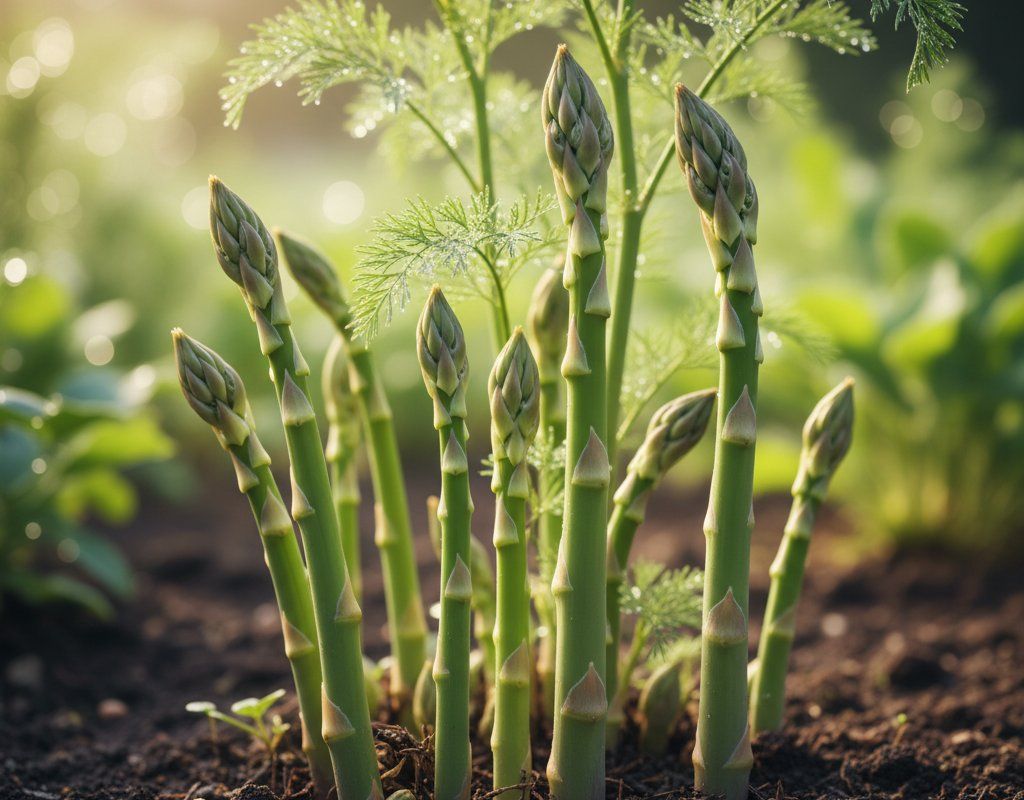



Companion Planting Details
Parsley makes an excellent companion for tomatoes, helping to repel aphids while the tomatoes provide afternoon shade during our summer heat spells. Plant parsley around the base of tomato cages or in nearby rows – the combination works beautifully in our fertile Midwest soil. Asparagus and parsley also pair well since both are perennial in nature (parsley biennial, asparagus truly perennial) and have similar water needs.
Corn provides natural wind protection for parsley during severe weather, while parsley's strong scent helps confuse corn borers and other pests. Roses benefit from parsley planted nearby since it attracts beneficial insects that help with pest control. Avoid planting parsley near lettuce, which has different watering needs and can be overwhelmed by parsley's stronger growth habit. Keep mint well away from parsley – mint's aggressive spreading nature will quickly crowd out the more civilized parsley in our rich soil.
🌸Best Flowers to Plant with Parsley
These flowers protect your Parsley from pests and attract pollinators for better harvests.
For Pest Control




Get a Reminder When It's Time to Plant
We'll email you when key planting windows open for your zone.