
Parsley in Zone 7A — Southeast
Petroselinum crispum · Your Complete 2026 Planting Guide
Missed Seed Starting? No Problem!
Wait for starts to become available.
What to Do
Starts will be available at nurseries in 7 days (around March 11).
How to Plant Parsley in Zone 7A — Southeast
Here are all your options for getting parsley in the ground, from the easiest method to more advanced approaches.
Direct Sow Seeds
RecommendedMid March through mid August
around March 11
Consider succession planting every 2-3 weeks for continuous harvest.
Parsley is slow to germinate (2-4 weeks). Soaking seeds helps.
Start Seeds Indoors
RecommendedEarly to late January
around January 14
Then transplant: Mid March through early April
Start seeds 8-10 weeks before transplanting outdoors.
Start indoors 8-10 weeks early due to slow germination.
Buy Starts
Works WellMid March through early April
around March 11
Plant purchased starts after last frost (March 25).
Transplant Outdoors
Timing InfoMid March through early April
around March 11
Can tolerate light frost, but wait for soil to be workable.
You have a nice window — no need to rush.
Fall Planting
Mid August through mid September
September 3 ideal · Direct sow for fall harvest
Plant a second crop in mid-summer for fall harvest. Parsley actually prefers the cooling temperatures of fall.
Overview
Growing parsley in Zone 7A gives you a reliable herb that thrives in our long Southeast growing season. With 225 frost-free days, you can harvest fresh parsley from mid-May through our first frost in early November. The flat-leaf varieties especially love our warm, humid summers and bounce back quickly after those afternoon thunderstorms that keep everything well-watered.
Our hot and humid climate does create some disease pressure, but parsley handles it better than many herbs. The key is getting your timing right – start early in our moderate spring or wait for fall planting when the worst summer heat passes. Clay soil actually works in parsley's favor since it holds moisture consistently, and deer typically leave this aromatic herb alone.
Starting Seeds Indoors
Starting parsley indoors makes sense if you want an early harvest or live in an area with heavy deer pressure where transplants establish better than direct-seeded crops. Start seeds from early to late January, about 8 weeks before transplanting in mid-March. Parsley takes its sweet time germinating – expect 2-4 weeks even with bottom watering to keep soil consistently moist.
Set up seed trays in a warm spot (65-75°F works well) with good light once seedlings emerge. Bottom watering prevents the soil surface from crusting over, which helps these slow-sprouting seeds break through. The long indoor period lets you get sturdy transplants ready for our moderate spring weather.
Keep in mind that parsley develops a taproot, so start in deeper containers or be extra careful when transplanting. Many Southeast gardeners prefer direct sowing since parsley doesn't always love root disturbance.
Transplanting Outdoors
Transplant your parsley seedlings from mid-March through early April, after our last frost passes in late March. These hardy plants can handle light frost, but established transplants perform better than stressed ones trying to recover from cold damage. Harden off seedlings gradually over a week, starting with a few hours of morning sun and working up to full outdoor conditions.
Space plants 6-10 inches apart – closer spacing works fine if you're harvesting regularly for the kitchen. Our clay soil benefits from working in some compost before planting, which improves drainage while still holding the consistent moisture parsley prefers. Plant at the same depth they were growing in containers.
Water transplants well and keep soil moist for the first two weeks while roots establish. Those March and April rains usually help, but watch for dry spells. Once established, parsley handles our spring weather beautifully and will be ready for first harvest by mid-May.
Direct Sowing
Direct sowing works well in the Southeast since parsley doesn't mind our clay soil and actually benefits from the consistent moisture it provides. Sow seeds from mid-March through mid-August, though spring and fall plantings perform better than midsummer starts. Work compost into the planting area if your clay is particularly heavy.
Parsley seeds are notoriously slow – expect 2-4 weeks for germination even in good conditions. Soak seeds overnight before planting to speed things up slightly. Sow seeds ¼ inch deep and keep soil consistently moist during the germination period. Those spring rains help, but you'll need to water during dry spells.
Space seeds 6-10 inches apart, thinning if necessary once seedlings are established. Fall plantings (mid-August through mid-September) often outperform spring direct-sown crops since they establish in cooler weather and mature during our excellent fall growing conditions. Summer heat can stress young seedlings, so provide some afternoon shade for July and August sowings.
Watering Parsley in Zone 7A (Southeast)
Parsley needs consistent moisture throughout our growing season, requiring about 1 inch per week including rainfall. During our wet summers with 45-55 inches annual rainfall, you'll often get plenty from those afternoon thunderstorms, but spring and fall typically need supplemental watering. Check soil moisture with the finger test – if it's dry 2 inches down, it's time to water.
Water at the base of plants rather than overhead to reduce disease pressure in our humid climate. Our 92°F summer highs combined with high humidity create perfect conditions for fungal problems, so keeping foliage dry helps prevent issues. Early morning watering works best, allowing any moisture on leaves to dry before evening.
During summer heat waves, parsley appreciates deep, less frequent watering over daily light sprinkles. Clay soil holds moisture well but can become waterlogged, so improve drainage with compost if water stands after heavy rains. Watch for wilting during hot afternoons – normal wilting that recovers by evening is fine, but persistent wilting means more water is needed.
Apply 2-3 inches of organic mulch around plants to conserve moisture and keep roots cool during our long, hot summers. Pine straw works particularly well in the Southeast, breaking down slowly while maintaining good airflow around the base of plants.
🧪Fertilizing Parsley
Feeding Schedule
Organic Fertilizer Options
Harvest Time
Your first parsley harvest comes around mid-May, about 70 days from direct seeding or sooner from transplants. Look for stems with three distinct segments of leaves – that's your signal they're mature enough to cut. Always harvest outer stems first, cutting cleanly at the base rather than pinching or tearing, which can damage the growing crown.
Regular harvesting keeps plants productive throughout our long growing season. Cut what you need for the kitchen every few days rather than taking large harvests all at once. This encourages new growth and prevents plants from getting woody. During peak summer, parsley may slow down slightly but picks up again as temperatures moderate in fall.
Since parsley is biennial, first-year plants focus on leaf production while second-year plants flower and set seed. In our Zone 7A climate, plants often overwinter and flower the following spring. If you want continuous leaf production, start new plants each year and remove any flower stalks that appear.
As first frost approaches in early November, harvest heavily and preserve what you can't use fresh. Parsley handles light frost well, often continuing to produce until temperatures drop into the mid-20s. Those last harvests before winter often have the most intense flavor.
Common Problems in Zone 7A (Southeast)
Slow Germination What it looks like: Seeds planted weeks ago with no sign of sprouting, even with consistent moisture and proper depth. What causes it: Parsley seeds have natural germination inhibitors and need time to break down. Our variable spring temperatures can slow the process further. How to fix/prevent it: Soak seeds overnight before planting to speed germination slightly. Keep soil consistently moist but not waterlogged. Be patient – parsley can take 3-4 weeks even under good conditions. Bottom watering prevents soil crusting that can block emerging seedlings.
Carrot Rust Fly What it looks like: Rusty brown tunnels in roots, small dark flies hovering near plants, and wilting foliage despite adequate water. What causes it: Larvae from small flies that lay eggs near stems. Our humid conditions can make the problem worse by stressing plants. How to fix/prevent it: Row covers provide the best prevention. Delay spring planting until after the first fly generation passes. Interplant with onions – their scent confuses the flies. Harvest promptly and avoid thinning during active fly periods since bruised leaves attract them.
Crown Rot What it looks like: Plants collapse from the base, with dark, mushy stems at soil level. Lower leaves turn yellow and drop. What causes it: Fungal infection encouraged by our hot, humid summers and clay soil that stays wet after heavy rains. How to fix/prevent it: Improve drainage by adding compost to clay soil. Water at soil level, not overhead. Space plants properly for air circulation. Remove affected plants immediately to prevent spread. Plant in raised beds or mounds if drainage is consistently poor.
Southeast Specific Challenges: Our combination of summer heat, high humidity, and clay soil creates perfect conditions for fungal diseases. The long, wet summers can stress parsley, making it more susceptible to problems. Good air circulation and proper spacing become even more critical here than in drier climates.
Best Companions for Parsley
Plant these nearby for healthier Parsley and better harvests.
View Full Companion Planting Chart →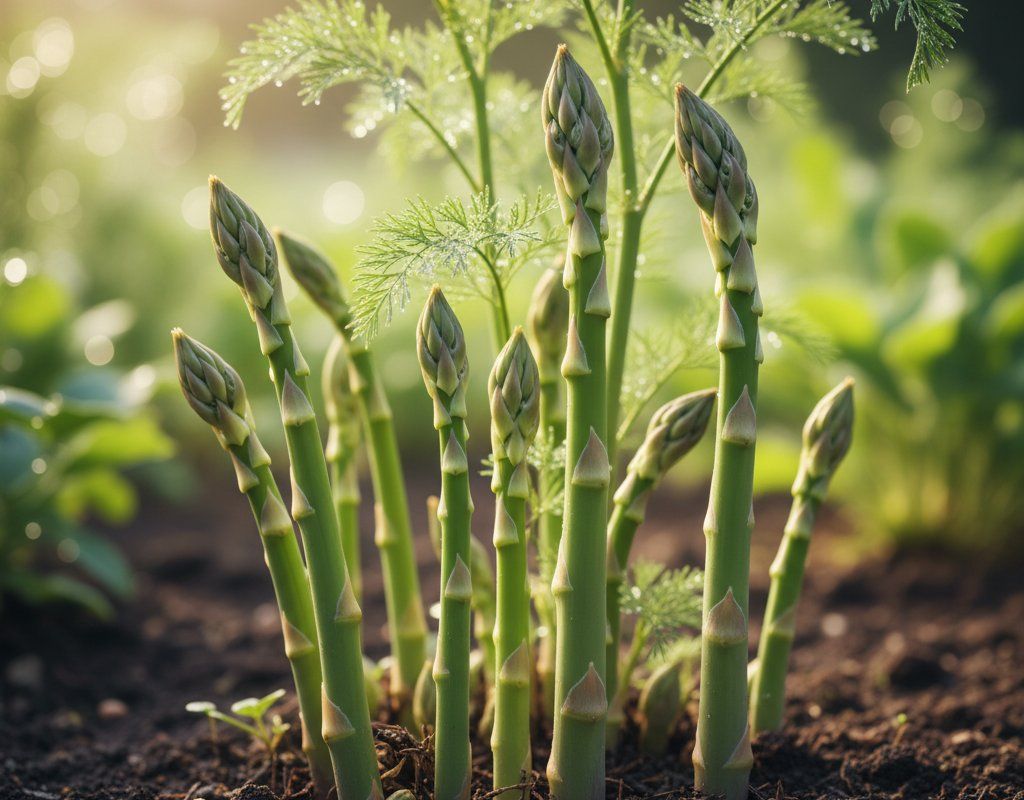



Companion Planting Details
Plant parsley near tomatoes, asparagus, and corn for mutual benefits in Southeast gardens. Tomatoes appreciate parsley's ability to attract beneficial insects that help control hornworms and other pests, while the parsley enjoys some afternoon shade from taller tomato plants during our hottest months. Asparagus and parsley make excellent neighbors since neither competes heavily for nutrients, and parsley's shallow roots don't interfere with asparagus crowns.
Avoid planting parsley near lettuce or mint in Southeast gardens. Lettuce and parsley have similar water needs, but lettuce struggles in our summer heat while parsley keeps going, leading to different care requirements. Mint spreads aggressively in our humid climate and will quickly overwhelm slower-growing parsley. Plant mint in containers instead, or keep it in a separate area where its spreading habit won't become a problem.
🌸Best Flowers to Plant with Parsley
These flowers protect your Parsley from pests and attract pollinators for better harvests.
For Pest Control




Get a Reminder When It's Time to Plant
We'll email you when key planting windows open for your zone.