
Parsley in Zone 7B — Southeast
Petroselinum crispum · Your Complete 2026 Planting Guide
Missed Seed Starting? No Problem!
Wait for starts to become available.
What to Do
Starts will be available at nurseries in 2 days (around March 6).
How to Plant Parsley in Zone 7B — Southeast
Here are all your options for getting parsley in the ground, from the easiest method to more advanced approaches.
Direct Sow Seeds
RecommendedEarly March through mid August
around March 6
Consider succession planting every 2-3 weeks for continuous harvest.
Parsley is slow to germinate (2-4 weeks). Soaking seeds helps.
Start Seeds Indoors
RecommendedEarly to late January
around January 9
Then transplant: Early March through early April
Start seeds 8-10 weeks before transplanting outdoors.
Start indoors 8-10 weeks early due to slow germination.
Buy Starts
Works WellEarly March through early April
around March 6
Plant purchased starts after last frost (March 20).
Transplant Outdoors
Timing InfoEarly March through early April
around March 6
Can tolerate light frost, but wait for soil to be workable.
You have a nice window — no need to rush.
Fall Planting
Late August through late September
September 8 ideal · Direct sow for fall harvest
Plant a second crop in mid-summer for fall harvest. Parsley actually prefers the cooling temperatures of fall.
Overview
Parsley thrives in our long Southeast growing season, giving you fresh herbs from spring through fall in our Zone 7B climate. With 235 days between frosts, you can enjoy multiple harvests from this biennial that produces abundant leaves its first year. The herb's robust flavor intensifies in our hot, humid summers, and it handles our afternoon thunderstorms better than many delicate herbs.
Our Southeast climate does bring challenges - the humidity can encourage fungal issues, and our clay soil needs attention for good drainage. But with proper timing, parsley adapts well to our conditions and provides steady harvests through both the spring growing season and our excellent fall extension period.
Starting Seeds Indoors
Starting parsley seeds indoors makes sense if you want an early harvest or better control over germination in our unpredictable Southeast springs. Sow seeds in early to late January, about 8-10 weeks before your planned transplant date. Parsley seeds are notoriously slow to germinate, often taking 2-4 weeks even under ideal conditions.
Set up seed trays in a warm spot (65-70°F) with good light once seedlings emerge. Bottom watering works best to prevent fungal issues that our humid climate can encourage. Soak seeds overnight before planting to speed germination - this small step makes a real difference with parsley's hard seed coat.
The main advantage of indoor starting in our region is avoiding the temperature swings of our moderate spring weather. You'll have sturdy transplants ready when soil conditions are right, rather than waiting for direct-sown seeds to finally germinate in cool, wet March soil.
Transplanting Outdoors
Transplant parsley seedlings outdoors from early March through early April, after hardening them off for a week. Our Southeast springs can shift from warm to cool quickly, so gradually expose seedlings to outdoor conditions over 7-10 days before permanent planting.
Space transplants 6-10 inches apart in well-draining soil - this is especially important in our clay-heavy region where water can pool around roots. Choose a spot with morning sun and some afternoon shade protection, as full sun can stress young plants during our increasingly hot late-spring days.
Plant when nighttime temperatures consistently stay above 40°F. Even though parsley is cold-hardy, transplant shock combined with a late cold snap can set plants back significantly. In our Zone 7B, you typically have a safe 3-week window once soil temperatures warm up in mid-March.
Direct Sowing
Direct sowing parsley works well in our Southeast climate from early March through mid-August, giving you flexibility for succession planting. The main challenge is parsley's slow germination - seeds can take 2-4 weeks to sprout, especially in cool spring soil. Soaking seeds overnight before planting cuts germination time in half.
Prepare your planting area by working compost into our heavy clay soil for better drainage and root development. Plant seeds ¼ inch deep and 6-10 inches apart. Keep soil consistently moist during the long germination period - this is easier in spring when our regular rainfall helps, but requires more attention for summer sowings.
Summer direct sowing (late July through mid-August) often works better than spring in our region because soil stays warm and seeds germinate faster. Just provide some afternoon shade and consistent moisture during our hot, humid summer weather. Fall-planted parsley often outperforms spring plantings here.
Watering Parsley in Zone 7B (Southeast)
Parsley needs consistent, moderate moisture throughout our Southeast growing season, especially during seed germination and establishment. Aim for about 1 inch of water per week, including rainfall. Our wet summers (45-55 inches annually) often provide adequate moisture, but you'll need to supplement during dry spells and pay close attention in early spring.
Use the finger test - stick your finger 2 inches into soil near plants. If it's dry at that depth, it's time to water. Our clay soil holds moisture well once established, but can become waterlogged during our frequent afternoon thunderstorms. Watch for yellowing lower leaves, which often signals overwatering rather than drought stress.
Water at the base of plants rather than overhead to prevent fungal issues that thrive in our humid climate. Early morning watering allows leaves to dry before evening moisture builds up. During our hot summers with highs around 92°F, parsley appreciates deep, less frequent watering rather than daily light sprinkling.
Apply 2-3 inches of organic mulch around plants to retain moisture and keep roots cool during summer heat. Pine straw works especially well in our region, breaking down slowly while providing good moisture retention without holding too much water against plant stems.
🧪Fertilizing Parsley
Feeding Schedule
Organic Fertilizer Options
Harvest Time
Your first parsley harvest typically begins in mid-May, about 70 days after planting, and continues through mid-November in our long Southeast growing season. Look for stems with at least three fully developed leaf segments before cutting - this ensures the plant has enough energy stored for continued growth.
Always harvest by cutting outer stems at the base rather than pinching leaf tips. This encourages new growth from the center of the plant and prevents the stubby, weak growth that tip-harvesting creates. Use clean, sharp scissors or garden shears to make clean cuts that heal quickly in our humid climate.
For continuous production, harvest regularly rather than letting stems get too mature and tough. Take no more than one-third of the plant at any harvest to maintain vigor. During our hot summer months, frequent light harvests actually help the plant by preventing it from putting energy into flowering prematurely.
As your first frost approaches in early November, parsley often sweetens and becomes more flavorful. Since it's quite cold-hardy, you can continue harvesting even after light frosts. For preservation, cut entire plants before hard freezes and dry or freeze the leaves - parsley loses much of its flavor when dried but freezes reasonably well.
Common Problems in Zone 7B (Southeast)
Slow Germination Seeds take 2-4 weeks to sprout, leaving you wondering if anything will ever come up. You might see uneven germination with some seeds sprouting weeks after others, or complete germination failure in cool, wet spring soil. This happens because parsley has a hard seed coat that's naturally slow to absorb moisture, and cool Southeast spring soil slows the process further. Soak seeds overnight before planting, maintain consistent soil moisture without waterlogging, and be patient. Starting seeds indoors where you control temperature helps significantly.
Carrot Rust Fly Small dark flies hover around plants, followed by wilting foliage despite adequate water and rusty brown tunnels in any nearby carrot family roots. The larvae tunnel through roots and stems, weakening or killing plants. These flies are attracted to the scent of bruised carrot family plants, which includes parsley. Use row covers during peak fly season (spring and fall), avoid thinning during active periods, and interplant with onions whose scent confuses the flies. Harvest promptly rather than leaving mature roots in the ground.
Crown Rot Plants suddenly wilt and die from the center outward, often showing blackened, mushy stems at soil level. This fungal problem thrives in our humid Southeast climate, especially when combined with our heavy clay soil that holds moisture around plant crowns. Ensure excellent drainage by adding compost to clay soil, avoid overhead watering, and space plants properly for air circulation. Remove affected plants immediately and don't replant carrot family crops in the same spot for several years.
Southeast Specific Challenges: Our hot, humid summers with frequent afternoon thunderstorms create perfect conditions for fungal diseases, while our clay soil can hold too much moisture around plant roots. Japanese beetles may nibble leaves during peak summer, and deer find parsley quite tasty. The combination of heat and humidity also slows growth during July and August, making fall plantings often more productive than struggling summer plants.
Best Companions for Parsley
Plant these nearby for healthier Parsley and better harvests.
View Full Companion Planting Chart →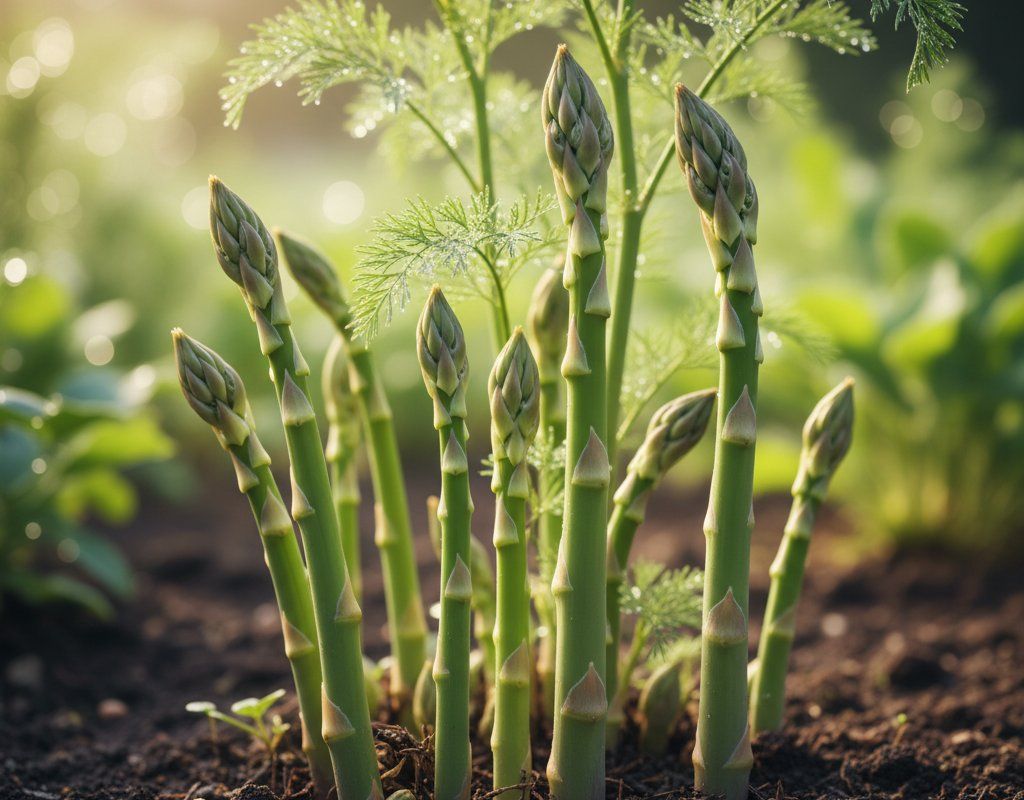



Companion Planting Details
Parsley makes an excellent companion for tomatoes, asparagus, and corn in Southeast gardens. Plant it near tomatoes to help deter aphids and provide living mulch that keeps soil cool during our hot summers. The herb's deep taproot brings nutrients up for shallow-rooted neighbors, while its flowers (if you let some plants go to seed) attract beneficial insects that help control garden pests naturally.
Avoid planting parsley near lettuce or mint in our humid climate. Lettuce and parsley compete for similar nutrients and water, and both are prone to crown rot in our clay soil conditions. Mint's aggressive spreading habit will eventually overwhelm parsley, plus both plants prefer similar moist conditions that can lead to fungal issues when planted too closely in our humid Southeast summers.
🌸Best Flowers to Plant with Parsley
These flowers protect your Parsley from pests and attract pollinators for better harvests.
For Pest Control




Get a Reminder When It's Time to Plant
We'll email you when key planting windows open for your zone.