
Parsley in Zone 9A — Florida
Petroselinum crispum · Your Complete 2026 Planting Guide
You Can Still Sow!
Direct sowing window is open for Parsley.
Direct Sow Now
Parsley is slow to germinate (2-4 weeks). Soaking seeds helps.
How to Plant Parsley in Zone 9A — Florida
Here are all your options for getting parsley in the ground, from the easiest method to more advanced approaches.
Direct Sow Seeds
RecommendedMid January through early October
around January 18
Consider succession planting every 2-3 weeks for continuous harvest.
Parsley is slow to germinate (2-4 weeks). Soaking seeds helps.
Start Seeds Indoors
RecommendedMid November through early December
around November 23
Then transplant: Mid January through mid February
Start seeds 8-10 weeks before transplanting outdoors.
Start indoors 8-10 weeks early due to slow germination.
Buy Starts
Works WellMid January through mid February
around January 18
Plant purchased starts after last frost (February 1).
Transplant Outdoors
Timing InfoMid January through mid February
around January 18
Can tolerate light frost, but wait for soil to be workable.
You have a nice window — no need to rush.
Fall Planting
Early October through early November
October 23 ideal · Direct sow for fall harvest
Plant a second crop in mid-summer for fall harvest. Parsley actually prefers the cooling temperatures of fall.
Overview
Parsley thrives in Florida's unique growing calendar, giving you fresh herbs year-round when you time it right. Unlike gardeners up north who struggle with short seasons, our 327-day growing season means you can have multiple harvests and enjoy both flat-leaf Italian parsley and curly varieties through our mild winters. The biennial nature works perfectly here since our cool season is when parsley really shines, producing abundant foliage from fall through spring.
Florida's extreme humidity and summer heat mean you'll want to avoid growing parsley during our hottest months, but that's exactly when most herbs struggle anyway. Plant in fall, harvest through winter and spring, and let it bolt when the serious heat arrives in late spring. With proper timing, you'll dodge most of our regional challenges while enjoying the freshest herbs when your garden needs them most.
Starting Seeds Indoors
Starting parsley seeds indoors makes sense if you want to get a jump on the fall planting season or ensure better germination rates. Begin seeds in mid November through early December, about 8 weeks before you plan to transplant outdoors in January. Parsley is notoriously slow to germinate—often taking 2-4 weeks even in ideal conditions—so soaking seeds overnight before planting helps speed things along.
Set up your seed trays in a warm spot (70-75°F works well) with good light once seedlings emerge. Bottom watering works best to avoid disturbing the slow-developing seedlings and prevents the damping-off issues that our high humidity can encourage. Since Florida's spring is essentially our fall everywhere else, indoor starting lets you have sturdy transplants ready when our prime parsley weather arrives.
The main advantage here is control over germination conditions and getting past that slow-start phase in a protected environment. You'll transplant stronger plants that establish faster in the garden, which matters when you're working with our sandy soils that dry out quickly.
Transplanting Outdoors
Transplant your indoor-started parsley seedlings from mid January through mid February, when our mild winter weather provides ideal growing conditions. These young plants handle our occasional cold snaps just fine—parsley is quite frost tolerant—but avoid transplanting right before a predicted freeze if possible.
Harden off seedlings gradually over a week by placing them outside for increasing periods daily. Start with a few hours of morning sun and work up to full outdoor exposure. Our winter sun is gentler than what's coming in spring, so this process goes smoothly compared to summer transplanting challenges.
Space plants 6-10 inches apart in well-draining soil—crucial in our sandy conditions where plants can dry out quickly but also where water can pool after heavy rains. Plant at the same depth they were growing in their containers, and water thoroughly at the base to help roots establish without encouraging fungal issues in our humid climate.
Direct Sowing
Direct sowing parsley works well in Florida, especially for our extended growing window from mid January through early October, though spring and fall sowings perform best. Parsley seeds need consistent soil temperatures around 60-70°F to germinate well, which our winter and spring provide perfectly without the stress of summer heat.
Prepare your planting area by working compost into our sandy soil to improve water retention and fertility. Soak seeds overnight before planting to speed up that notoriously slow germination process—otherwise you'll be waiting 3-4 weeks to see anything emerge. Plant seeds ¼ inch deep and space them 6-10 inches apart, or sow more densely and thin later.
Keep soil consistently moist during germination, which can be challenging in our sandy soils and windy conditions. A light mulch helps retain moisture without blocking the small seedlings. Direct sowing works especially well for fall crops when you want continuous harvests through winter and spring—just time your planting so plants mature before our intense summer heat arrives.
Watering Parsley in Zone 9A (Florida)
Parsley needs consistent, moderate water throughout its growing season, which works well with Florida's natural rainfall patterns when you time plantings right. During our mild winters when parsley grows best, you'll typically need to supplement rainfall with about 1 inch of water per week, checking soil moisture with the finger test—if it's dry 2 inches down, it's time to water.
Our wet summers dump 50-65 inches of rain annually, but ironically this creates problems for parsley since the combination of extreme heat and humidity stresses the plants beyond recovery. This is why successful Florida parsley gardening means avoiding summer growing and focusing on fall through spring seasons when rainfall patterns match the plant's needs better.
Water at the base of plants rather than overhead to minimize fungal disease problems that our very high humidity encourages. Early morning watering allows foliage to dry quickly, which matters more here than in drier climates. During our occasional dry winter spells, parsley will show stress by wilting or developing yellow lower leaves—signs you need to increase watering frequency.
Sandy soils drain quickly, so you may need to water more frequently but with less volume than gardeners in heavier soils. Mulching around plants helps retain moisture and keeps roots cool, but keep mulch a few inches from plant stems to prevent crown rot issues that humid conditions can trigger.
🧪Fertilizing Parsley
Feeding Schedule
Organic Fertilizer Options
Harvest Time
Your first parsley harvest will be ready from late March through early January, depending on when you planted—about 70 days from seed for full-sized leaves, though you can start harvesting smaller outer leaves earlier. Look for stems with at least three segments of leaves, which indicates the plant has developed enough foliage to handle regular cutting without stress.
Always harvest by cutting outer stems at the base near soil level rather than pinching off leaf tips, which weakens the plant and reduces future production. Use clean, sharp scissors or garden shears to make clean cuts that heal quickly in our humid climate where ragged wounds can invite disease. Take no more than one-third of the plant at any harvest to keep it producing vigorously.
Parsley produces continuously when harvested regularly, especially during our prime fall-through-spring growing season. The plant puts energy into new growth rather than flowering when you keep cutting outer stems. Regular harvesting also prevents the older outer leaves from becoming tough or bitter, keeping your harvest tender and flavorful.
Since parsley is biennial, plants will eventually bolt and flower in their second year, typically when our heat returns in late spring. Once flowering begins, leaf production slows and flavor becomes more bitter, so plan to start new plants each fall for the best continuous harvest through our long growing season.
Common Problems in Zone 9A (Florida)
Slow Germination What it looks like: Seeds planted weeks ago with no sign of sprouting, or very sparse, uneven emergence over an extended period. What causes it: Parsley seeds have natural germination inhibitors and can take 2-4 weeks to sprout even under ideal conditions. Our sandy soils can dry out quickly, interrupting the germination process. How to fix/prevent it: Soak seeds overnight before planting to speed germination. Keep soil consistently moist but not waterlogged during the germination period. Consider starting seeds indoors where you can control moisture better, especially during our unpredictable winter weather patterns.
Crown Rot What it looks like: Plants suddenly wilt and collapse despite adequate soil moisture, with dark, musty-smelling decay at the base of stems where they meet soil level. What causes it: Fungal pathogens thrive in our high humidity, especially when water pools around plant stems or mulch touches the crown directly. How to fix/prevent it: Improve drainage in planting areas and water at soil level rather than overhead. Keep mulch pulled back 2-3 inches from plant stems. Remove affected plants immediately and avoid replanting in the same spot for at least a season.
Carrot Rust Fly What it looks like: Wilting foliage despite adequate water, with rusty brown tunnels visible in roots if you pull up the plant. Small dark flies may hover near plants during active periods. What causes it: Larvae tunnel into parsley roots (part of the carrot family), with adult flies most active during our mild winter months when parsley grows best. How to fix/prevent it: Row covers provide the best protection during fly active periods. Interplant with onions or chives whose scent confuses the flies. Avoid thinning plants when flies are active, as bruised foliage attracts them to lay eggs nearby.
Florida Specific Challenges: Our extreme humidity creates ideal conditions for fungal diseases, while sandy soils can stress plants through rapid moisture fluctuations. Summer heat makes parsley impossible to grow during our longest season, requiring careful timing to work with our reversed growing calendar.
Best Companions for Parsley
Plant these nearby for healthier Parsley and better harvests.
View Full Companion Planting Chart →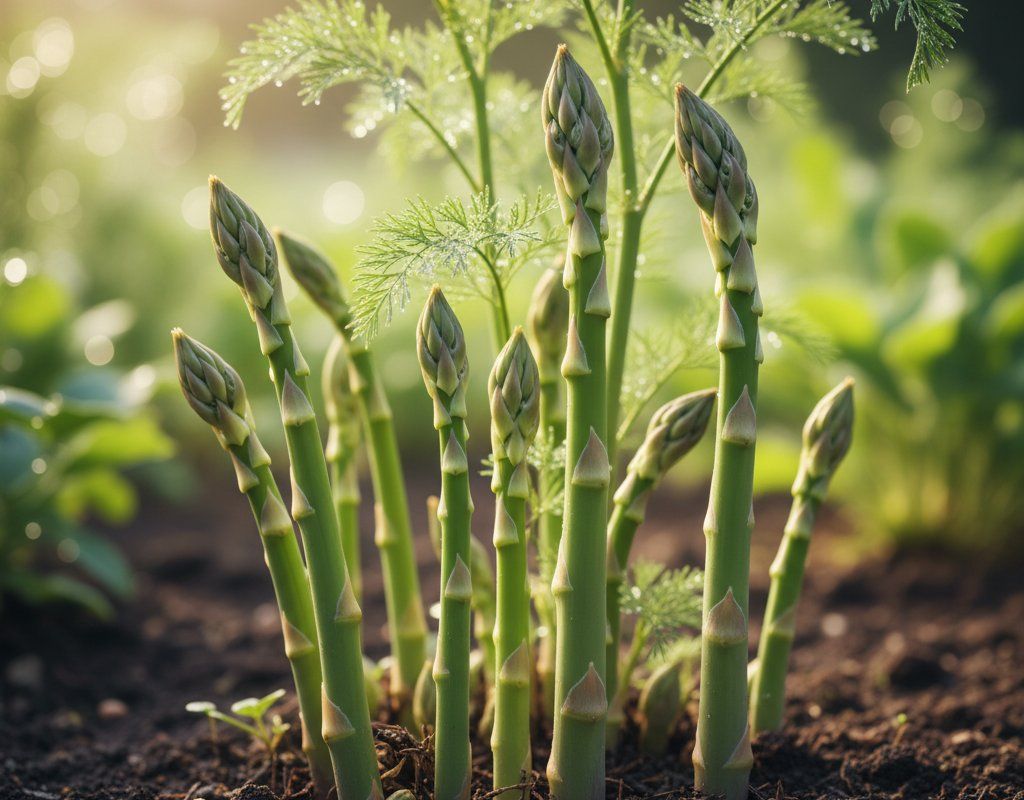



Companion Planting Details
Parsley makes an excellent companion for tomatoes, asparagus, and corn in Florida gardens, though timing matters since these crops grow during different seasons here. Tomatoes and parsley work well together in spring before heat becomes too intense—parsley's strong scent helps repel aphids and other pests that target tomatoes, while the tomato foliage provides some afternoon shade for parsley as temperatures rise. Asparagus and parsley complement each other perfectly since asparagus emerges during parsley's prime season, and parsley's shallow roots don't compete with asparagus's deep root system.
Avoid planting parsley near lettuce since they prefer similar growing conditions and compete for the same soil nutrients and water—in our sandy soils, this competition becomes more pronounced. Mint should also be kept separate since it spreads aggressively and can overwhelm parsley plantings, plus mint thrives in our humid summers when parsley needs to rest. The strong oils in mint can also inhibit parsley's more delicate flavor development.
🌸Best Flowers to Plant with Parsley
These flowers protect your Parsley from pests and attract pollinators for better harvests.
For Pest Control




Get a Reminder When It's Time to Plant
We'll email you when key planting windows open for your zone.