
Parsley in Zone 9A — Southern California
Petroselinum crispum · Your Complete 2026 Planting Guide
You Can Still Sow!
Direct sowing window is open for Parsley.
Direct Sow Now
Parsley is slow to germinate (2-4 weeks). Soaking seeds helps.
How to Plant Parsley in Zone 9A — Southern California
Here are all your options for getting parsley in the ground, from the easiest method to more advanced approaches.
Direct Sow Seeds
RecommendedMid January through late September
around January 18
Consider succession planting every 2-3 weeks for continuous harvest.
Parsley is slow to germinate (2-4 weeks). Soaking seeds helps.
Start Seeds Indoors
RecommendedMid November through early December
around November 23
Then transplant: Mid January through mid February
Start seeds 8-10 weeks before transplanting outdoors.
Start indoors 8-10 weeks early due to slow germination.
Buy Starts
Works WellMid January through mid February
around January 18
Plant purchased starts after last frost (February 1).
Transplant Outdoors
Timing InfoMid January through mid February
around January 18
Can tolerate light frost, but wait for soil to be workable.
You have a nice window — no need to rush.
Fall Planting
Early October through early November
October 18 ideal · Direct sow for fall harvest
Plant a second crop in mid-summer for fall harvest. Parsley actually prefers the cooling temperatures of fall.
Overview
Fresh parsley brings an unmatched brightness to your Southern California kitchen that dried herbs simply can't match. In our year-round growing climate, you can harvest this versatile herb continuously from late March through December, making it one of the most practical additions to your SoCal garden. The flat-leaf Italian variety thrives particularly well here, developing deeper flavor in our warm Mediterranean-like conditions than you'll find in most grocery stores.
With our 322-day growing season and mild winters, parsley timing becomes beautifully flexible rather than stressful. While our summer heat inland and occasional Santa Ana winds present challenges, choosing the right planting windows means you'll avoid the worst stress periods and enjoy fresh herbs when your garden neighbors are struggling with bolted plants.
Starting Seeds Indoors
Starting parsley seeds indoors makes sense if you want a head start on spring planting or need seedlings ready for our very early spring season. Sow seeds in seed trays from mid-November through early December, about 8-10 weeks before your planned transplant date in mid-January through mid-February. Parsley seeds are notoriously slow to germinate, often taking 2-4 weeks even under ideal conditions.
Set up your seed trays in a warm spot (65-70°F works well) with good light - a south-facing window or grow lights for 12-14 hours daily. Use bottom watering to keep the soil consistently moist without washing away the tiny seeds. You can soak seeds overnight before planting to speed germination slightly.
Indoor starting works particularly well in SoCal because our early spring weather can be unpredictable. Having established seedlings ready means you can transplant as soon as conditions stabilize, rather than waiting for direct-sown seeds to slowly emerge in potentially cool soil.
Transplanting Outdoors
Transplant your indoor-started parsley seedlings outdoors from mid-January through mid-February, when nighttime temperatures consistently stay above 35°F. This timing takes advantage of our mild winter conditions while avoiding the intense heat that comes later. Space seedlings 6-10 inches apart to allow for their rosette growth habit.
Harden off seedlings gradually over a week by placing them outside for increasing periods daily. Start with 2-3 hours of morning sun, then gradually extend their outdoor time. This step is crucial in Southern California because even our mild winter sun can shock indoor-grown plants.
Watch for those surprise warm spells in late January that can stress newly transplanted seedlings. If temperatures spike above 80°F, provide some afternoon shade with a light cloth or position transplants where they'll get natural protection from larger plants or structures.
Direct Sowing
Direct sowing works well for parsley in Southern California, though you'll need patience during the slow germination period. Sow seeds from mid-January through late September, avoiding only the peak summer heat of July and August when germination becomes unreliable. Plant seeds ¼ inch deep and space them 6-10 inches apart to accommodate the mature rosettes.
Prepare your soil well before sowing - parsley prefers loose, well-draining soil that won't become waterlogged during our winter rains. The soil temperature should be at least 50°F for reliable germination. Soaking seeds overnight in warm water before planting can reduce germination time from 3-4 weeks to about 2 weeks.
Keep the soil consistently moist during the germination period, which requires vigilance in our dry climate. Consider covering the seeded area with a light mulch or row cover to retain moisture and protect from our occasional strong winds. Fall plantings from early October through early November often establish more easily as cooling temperatures reduce water stress.
Watering Parsley in Zone 9A (Southern California)
Parsley needs moderate, consistent moisture throughout the growing season - neither drought-stressed nor waterlogged. In Southern California's semi-arid climate, this means paying close attention to soil moisture levels, especially during our hot, dry summers when temperatures regularly hit 92°F. Check soil moisture by inserting your finger 2 inches deep; water when the top inch feels dry but moisture remains below.
During the cooler months (November through March), water deeply once or twice weekly, providing about ¾ inch total. Our winter rains often handle much of this, but supplement during dry spells. As temperatures climb in late spring and summer, increase watering frequency to 2-3 times weekly, providing up to 1½ inches total. Water at the soil level rather than overhead to minimize disease risk in our low-to-moderate humidity conditions.
Summer heat inland requires extra attention - parsley may need daily watering during heat waves, especially if you're dealing with water restrictions. Mulch around plants with 2-3 inches of organic matter to retain soil moisture and keep roots cool. During Santa Ana wind events, increase watering frequency as these dry winds strip moisture from both soil and leaves rapidly.
Watch for signs of stress: yellowing lower leaves often indicate overwatering in our clay-heavy soils, while wilting despite adequate soil moisture suggests root problems. Under-watered parsley develops a dull, grayish cast to its leaves and may bolt prematurely to seed.
🧪Fertilizing Parsley
Feeding Schedule
Organic Fertilizer Options
Harvest Time
You can begin harvesting parsley when stems reach 6 inches tall and have developed three distinct leaf segments, typically starting in late March from winter plantings and continuing through late December. The 70-day maturity period from seed means spring-planted parsley hits its stride just as summer cooking season begins. Cut outer stems at the base where they meet the crown, never just snip the tips, which weakens the plant.
Harvest regularly to encourage continuous production - parsley is biennial, producing leaves in its first year and flowers in its second. In Southern California's mild climate, you can often keep plants productive for 12-18 months before they bolt to seed. Take stems as needed for cooking, but harvest more heavily during peak growing periods to prevent the plant from putting energy into flowering.
During our intense summer heat inland, parsley may slow production but rarely stops entirely if kept well-watered. The plant often experiences a second flush of growth when temperatures moderate in October and November. Continue harvesting until the first frost arrives around mid-December, though in many SoCal gardens, parsley survives winter and continues producing smaller amounts of tender new growth.
For the best flavor, harvest in the morning after overnight moisture has refreshed the leaves but before the day's heat concentrates the oils. Regular cutting every 7-10 days keeps plants bushy and productive rather than allowing them to develop tough, older growth.
Common Problems in Zone 9A (Southern California)
Slow germination appears as seeds that take 3-4 weeks to sprout, or worse, seeds that never emerge at all. You'll plant your parsley bed and wait... and wait... wondering if anything will happen. This frustrating delay occurs because parsley seeds contain natural germination inhibitors and need consistent moisture and warmth to break dormancy. In Southern California's variable spring weather, soil temperatures may fluctuate too much for reliable germination. Prevent this by soaking seeds overnight before planting, maintaining consistent soil moisture with light mulch or row covers, and choosing your planting timing carefully - late February through March often works better than earlier winter sowings.
Carrot rust fly shows up as rusty brown tunnels throughout parsley roots (parsley is in the carrot family), small dark flies hovering around your plants, and unexpected wilting despite adequate watering. The larvae of these small flies tunnel into roots, weakening plants and making them susceptible to secondary problems. In Southern California, these pests are most active during mild spring and fall weather. Combat them with row covers during peak fly periods, delay spring planting until after the first generation passes, and interplant with onions whose strong scent confuses the flies. Avoid thinning or disturbing plants when flies are active, as the bruised foliage attracts egg-laying females.
Crown rot manifests as blackened, mushy areas at the base of plants, yellowing leaves, and eventual plant collapse. This fungal problem develops when soil stays too wet around the crown, common during our winter rainy seasons or with overwatering during summer. The combination of our clay soils and enthusiastic watering creates perfect conditions for this disease. Prevent crown rot by improving drainage with compost or raised beds, watering at soil level rather than overhead, and spacing plants properly for air circulation. Once established, crown rot is usually fatal - remove affected plants immediately to prevent spread.
Southern California Specific Challenges: Our intense summer heat inland can stress parsley even with adequate water, while Santa Ana winds rapidly dry out both soil and foliage. The contrast between our wet winters and bone-dry summers means adjusting your watering and mulching strategies seasonally. Fire season smoke can also settle on leaves, affecting both appearance and flavor of harvested herbs.
Best Companions for Parsley
Plant these nearby for healthier Parsley and better harvests.
View Full Companion Planting Chart →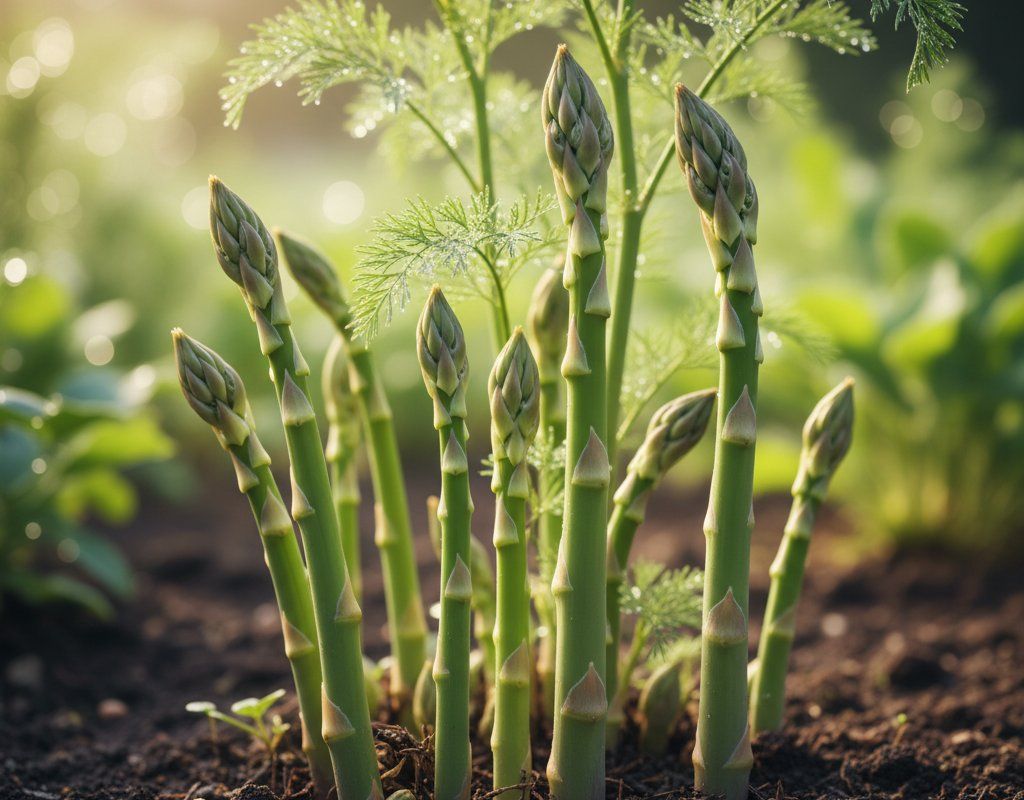



Companion Planting Details
Parsley makes an excellent companion for tomatoes, helping to repel aphids and other soft-bodied pests while the tomatoes provide some afternoon shade during our intense summer heat. Plant parsley around the base of established tomato plants or in rows between tomato rows. Asparagus and parsley grow well together because asparagus provides light shade and wind protection, while parsley's strong scent may deter asparagus beetles. Corn also pairs well with parsley - the tall corn stalks offer wind protection during Santa Ana events, and parsley's low rosette growth doesn't compete for space.
Avoid planting parsley near lettuce, as both prefer similar soil conditions and spacing, leading to competition for water and nutrients in our dry climate. Mint should be kept far from parsley beds - mint's aggressive spreading habit will overwhelm parsley's slower growth, and mint's water needs differ significantly from parsley's more moderate requirements. This spacing becomes especially important in Southern California where water management is crucial for garden success.
🌸Best Flowers to Plant with Parsley
These flowers protect your Parsley from pests and attract pollinators for better harvests.
For Pest Control




Get a Reminder When It's Time to Plant
We'll email you when key planting windows open for your zone.