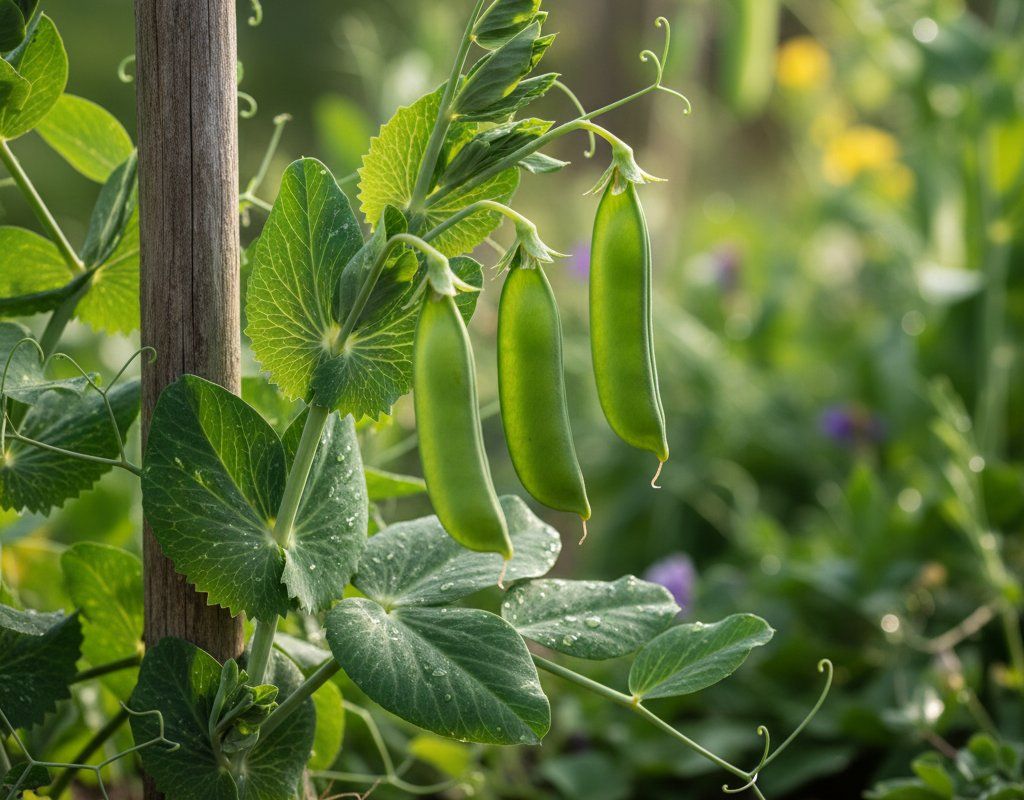
Peas in Zone 10B — Desert Southwest
Pisum sativum · Your Complete 2026 Planting Guide
Harvest Time!
Your Peas should be producing now!
Harvest Tips
Pick when pods are firm but seeds inside are still small. Check daily!
How to Plant Peas in Zone 10B — Desert Southwest
Here are all your options for getting peas in the ground, from the easiest method to more advanced approaches.
Direct Sow Seeds
RecommendedEarly December through mid October
around December 4
Consider succession planting every 2-3 weeks for continuous harvest.
Peas prefer cool soil and don't transplant well. Direct sow in early spring.
Buy Starts
Works WellMid December through mid January
around December 18
Plant purchased starts after last frost (January 15).
Start Seeds Indoors
ChallengingThis plant is typically not started indoors.
Transplant Outdoors
Timing InfoMid December through mid January
around December 18
Can tolerate light frost, but wait for soil to be workable.
You have a nice window — no need to rush.
Fall Planting
Mid October through mid November
October 28 ideal · Direct sow for fall harvest
Plant a second crop in mid-summer for fall harvest. Peas actually prefers the cooling temperatures of fall.
Overview
Peas bring incredible value to your Desert Southwest garden, offering sweet, crisp pods and tender peas that taste nothing like store-bought varieties. In our Zone 10B climate, you can enjoy homegrown peas during our mild winter months when fresh vegetables are most appreciated. The satisfaction of snapping fresh sugar snap peas or shelling sweet garden peas makes the effort worthwhile, especially when you're harvesting while much of the country is buried under snow.
Our extreme summer heat and arid conditions present challenges for pea growing, but the timing works perfectly in our favor. With a 349-day growing season, you can plant peas during our coolest months and harvest before the intense heat arrives. The key is working with our climate rather than against it—planting when temperatures favor these cool-season crops.
Transplanting Outdoors
Transplanting peas works in our Desert Southwest climate, though it requires careful timing. Plan to transplant seedlings outdoors from mid-December through mid-January, when nighttime temperatures stay consistently cool and daytime highs remain moderate. Your transplants need about a week of hardening off—gradually exposing them to outdoor conditions by starting with a few hours of morning sun and building up to full-day exposure.
Space your transplants 2-4 inches apart to allow proper air circulation, which helps prevent fungal issues in our low humidity environment. The mild winter weather during this transplant window means you won't face the temperature swings that challenge gardeners in colder zones, but you'll want to protect young transplants from any unexpected cold snaps that occasionally hit our region.
Choose this method if you want to get a jump start on the season or if you prefer more control over early growth stages, though peas generally prefer direct sowing since they don't like root disturbance.
Direct Sowing
Direct sowing is the preferred method for growing peas in our Desert Southwest gardens. Plant your seeds from early December through mid-October, taking advantage of our mild winter temperatures when soil conditions are ideal for germination. Peas prefer cool soil and actually establish better when sown directly rather than transplanted, since they develop a taproot that doesn't like disturbance.
Prepare your planting area by working compost into the soil to improve drainage—crucial in our clay-heavy caliche soils that many Desert Southwest gardeners battle. Plant seeds 2-4 inches apart and about 1-2 inches deep in loose, well-draining soil. The cooler soil temperatures during our winter months provide perfect conditions for germination, typically occurring within 7-14 days.
Your direct-sown peas will develop stronger root systems than transplants, helping them better handle our transition from mild winter into warming spring weather. This method also eliminates transplant shock, allowing your plants to channel energy directly into growth rather than recovery.
Watering Peas in Zone 10B (Desert Southwest)
Peas need consistent moisture but not waterlogged conditions, which can be tricky to balance in our arid Desert Southwest climate. During our mild winter growing season, plan to water deeply once or twice per week, providing about 1 inch of water weekly. Use the finger test—stick your finger 2 inches into the soil, and if it feels dry, it's time to water.
Water at the base of plants rather than overhead to prevent fungal issues, especially important in our low humidity environment where water on leaves can actually encourage powdery mildew. Our desert soils drain quickly, so you'll likely need more frequent watering than gardeners in other regions, but always check soil moisture first rather than following a rigid schedule.
Pay special attention during flowering and pod development—drought stress during these critical periods causes poor pod set and tough, stringy peas. Even moderate water stress can significantly reduce your harvest. As temperatures begin warming in late winter and early spring, you may need to increase watering frequency to maintain even soil moisture.
Apply a 2-3 inch layer of mulch around plants to conserve moisture and keep roots cool, essential as we transition from winter into our warming spring months. Organic mulch like shredded leaves works well and breaks down to improve our alkaline desert soils over time.
Supporting Your Peas
Most pea varieties benefit from support, even the so-called "bush" types that will produce better with something to lean against. Install your support system at planting time—whether that's a simple trellis, string supports, or traditional pea brush—since trying to add support later often damages the delicate vines and disturbs the root system.
A 4-6 foot tall trellis works perfectly for most pea varieties, though you can get away with shorter 2-3 foot supports for dwarf types. In our Desert Southwest winds, make sure your support system is sturdy enough to handle gusts, especially during our spring windy season. String or wire mesh attached to posts works well and provides plenty of climbing points for the tendrils.
Train young vines to the support by gently wrapping tendrils around your trellis material. Peas climb naturally using their tendrils, so once you get them started, they'll continue climbing on their own. Proper support improves air circulation around plants, reduces ground contact that can lead to rot, and makes harvesting much easier when pods are hanging at eye level.
🧪Fertilizing Peas
Feeding Schedule
Organic Fertilizer Options
Harvest Time
Your first peas should be ready for harvest from early February through early January, about 60 days after planting in our mild Desert Southwest climate. The exact timing depends on variety and weather conditions, but you'll know shell peas are ready when pods are plump with visible round seeds inside—pick them before the pods start turning yellow and becoming tough.
Harvest peas daily once production begins, picking in the cool morning hours when pods are crisp and full of moisture. Use both hands when harvesting—hold the vine with one hand while picking with the other to avoid damaging the plant or pulling up roots. Look for pods that feel full but still have bright green color and snap crisply when bent.
Regular harvesting encourages continued production, so don't let pods get overripe on the vine. Sugar snap peas are best when pods are plump but still tender, while snow peas should be picked when pods are flat with barely visible seeds inside. As our weather warms into spring, plants may slow production, but they'll often give you a final flush of pods before the heat becomes too intense.
Plan to finish your harvest before late spring when our temperatures start climbing toward summer extremes. Unlike warm-season crops, peas won't survive our brutal desert heat, so enjoy the harvest window our mild winter and early spring provide.
Common Problems in Zone 10B (Desert Southwest)
Powdery Mildew This appears as white or grayish powdery coating on leaves, stems, and sometimes pods, causing leaves to curl, yellow, and eventually die. In our Desert Southwest climate, powdery mildew thrives during the warm days and cool nights of late winter and early spring, actually preferring the dry leaf surfaces our low humidity provides. Improve air circulation by proper spacing and removing affected leaves immediately. Spray with neem oil or try the surprisingly effective milk spray—1 part milk to 9 parts water applied weekly. Plant resistant varieties when possible.
Pea Aphids These small, green insects cluster on new growth, stems, and under leaves, causing stunted growth and curled leaves. Our mild winter temperatures can allow aphid populations to build up gradually rather than being knocked back by hard freezes. Beneficial insects like ladybugs help control them naturally, but you can also spray aphids off with water or use insecticidal soap. Check plants regularly since early intervention prevents major infestations.
Root Rot Plants develop yellowing, wilted foliage despite adequate soil moisture, often starting with lower leaves. Root rot thrives in our heavy caliche soils that don't drain well, especially when combined with overwatering during our mild winter growing season. Prevent this by improving soil drainage with compost and avoiding overwatering—our desert soils may look dry on top while staying soggy below. Once root rot establishes, affected plants rarely recover, so prevention through proper soil preparation is key.
Desert Southwest Specific Challenges: Our extreme heat requires careful timing—plant too late and spring heat will stress plants before full harvest. The arid conditions mean consistent watering becomes critical, while our alkaline soils may need amendment for optimal pea growth. Monsoon moisture, when it arrives, can create sudden humidity spikes that encourage fungal problems if air circulation isn't adequate.
Best Companions for Peas
Plant these nearby for healthier Peas and better harvests.

Keep Away From

Companion Planting Details
Plant peas alongside carrots, radishes, and turnips for excellent companion relationships in your Desert Southwest garden. Carrots work particularly well since their deep taproots break up our compacted desert soils while peas add nitrogen that carrots can use. Radishes mature quickly and help break up soil crust, making it easier for pea roots to establish, plus they'll be harvested before peas need the full space. Turnips also appreciate the nitrogen peas provide and their harvest timing works well with pea production.
Avoid planting peas near onions and garlic, as these alliums can actually inhibit pea growth and nitrogen fixation. In our Desert Southwest climate, this becomes even more important since peas are already working harder in our alkaline soils and arid conditions—they don't need the additional stress that incompatible companions can create.
🌸Best Flowers to Plant with Peas
These flowers protect your Peas from pests and attract pollinators for better harvests.
For Pest Control

For Pollinators

Get a Reminder When It's Time to Plant
We'll email you when key planting windows open for your zone.