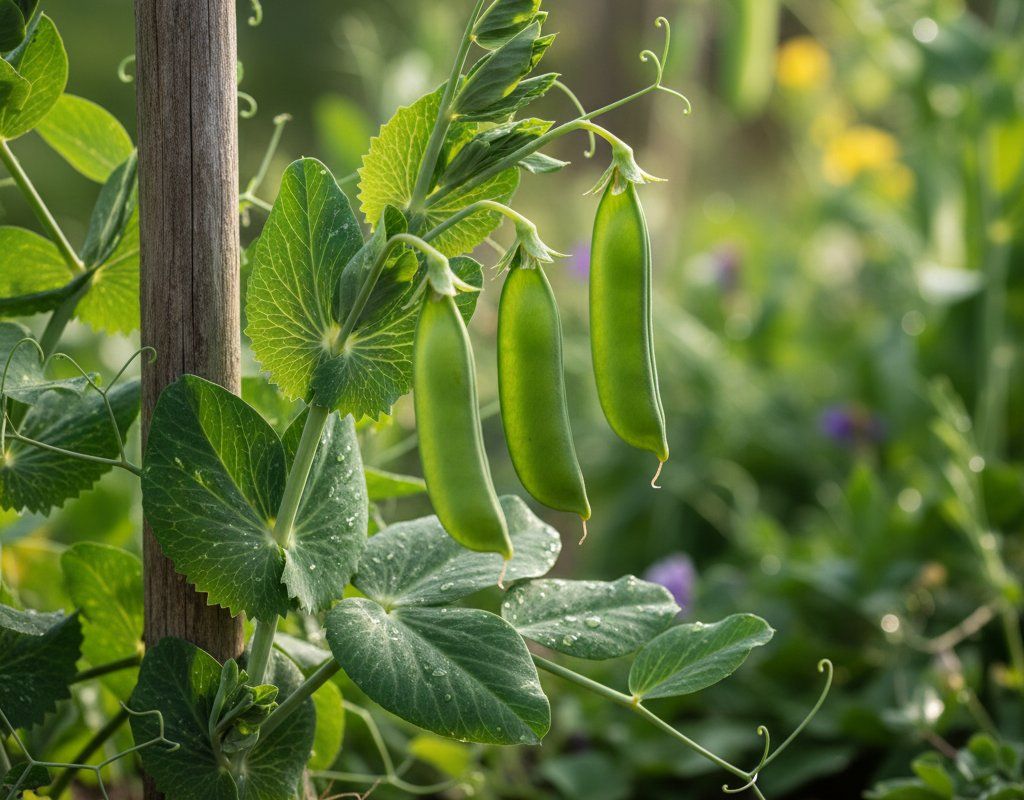
Peas in Zone 3A — Great Plains
Pisum sativum · Your Complete 2026 Planting Guide
Planning Ahead — Great!
You’re ahead of the season. Here’s when to start.
Mark Your Calendar
How to Plant Peas in Zone 3A — Great Plains
Here are all your options for getting peas in the ground, from the easiest method to more advanced approaches.
Direct Sow Seeds
RecommendedMid April through late June
around April 13
Consider succession planting every 2-3 weeks for continuous harvest.
Peas prefer cool soil and don't transplant well. Direct sow in early spring.
Buy Starts
Works WellLate April through late May
around April 27
Plant purchased starts after last frost (May 25).
Start Seeds Indoors
ChallengingThis plant is typically not started indoors.
Transplant Outdoors
Timing InfoLate April through late May
around April 27
Can tolerate light frost, but wait for soil to be workable.
You have a nice window — no need to rush.
Fall Planting
Late June through late July
July 9 ideal · Direct sow for fall harvest
Plant a second crop in mid-summer for fall harvest. Peas actually prefers the cooling temperatures of fall.
Overview
Peas bring that sweet, fresh taste that makes our short Great Plains growing season feel abundant. These cool-weather champions thrive in our intense spring sunshine and actually prefer our cooler nights, giving you tender pods while the heat hasn't yet settled in. With our fertile prairie soils and low disease pressure, peas grow vigorously and produce heavily when timed right.
Our 108-day growing season and late May last frost might seem challenging, but peas are your earliest crop friends. They handle our unpredictable spring weather better than most vegetables, and with proper timing, you'll harvest sweet pods well before our summer heat peaks. The key is working with our climate patterns rather than against them.
Transplanting Outdoors
Transplanting peas isn't the preferred method since they don't handle root disturbance well, but if you're growing in containers or need precise timing, you can transplant from late April through late May. Start hardening off your seedlings a full week before transplant, gradually exposing them to our Plains wind and temperature swings for longer periods each day.
Space transplants 2-4 inches apart in rows, handling the roots gently to minimize shock. Plant on a calm day if possible—our constant wind can stress newly transplanted seedlings. Water thoroughly at planting and provide some temporary wind protection with row covers or garden fabric for the first week.
Be aware that late spring storms and unexpected temperature drops are common during transplant season here. Keep row covers handy and monitor weather forecasts closely, as a sudden cold snap can set back transplanted peas more than direct-sown ones.
Direct Sowing
Direct sowing is your best bet for peas in the Great Plains. Plant from mid-April through late June, starting as soon as your soil can be worked in spring. Peas actually prefer cool soil around 45-50°F, so don't wait for warmth—they germinate better in cool conditions than most crops.
Work your prairie soil well, adding compost if it's heavy clay. Plant seeds 2-4 inches apart and about 1-2 inches deep. The beauty of direct sowing is that peas develop strong root systems adapted to our soil from the start, making them more resilient to our summer heat and wind.
For succession planting, sow new rows every 2-3 weeks through late June. This gives you continuous harvests and helps you work around our unpredictable weather patterns. The later plantings will mature as temperatures start cooling in late summer, often producing better than spring plantings that face our hottest weather.
Watering Peas in Zone 3A (Great Plains)
Peas need consistent moisture but aren't drought-tolerant, which means careful water management in our variable rainfall climate. They require about 1 inch of water per week, but timing matters more than total amount. During flowering and pod development, even short dry spells will cause poor pod set and tough peas.
Use the finger test—stick your finger 2 inches into the soil near the plants. If it's dry at that depth, it's time to water. In our low-to-moderate humidity and with average summer highs around 93°F, this usually means watering 2-3 times per week during dry periods. Water at soil level rather than overhead to keep leaves dry and reduce disease risk.
Watch for signs of stress: wilting in morning hours (not just afternoon heat), yellowing lower leaves, or pods that feel flat and underdeveloped. Overwatering shows up as yellowing from the bottom up and stunted growth. Our prairie soils drain well, so overwatering is less common than underwatering.
A 2-3 inch layer of straw mulch around plants helps maintain soil moisture and keeps roots cool during our intense summer sun. This is especially important for late plantings that will mature during peak heat season.
Supporting Your Peas
Even dwarf pea varieties benefit from support in our windy Plains climate. Install trellises, string supports, or pea fencing at planting time—waiting until plants are established often means damaging tender shoots. A simple trellis of posts with horizontal strings every 6 inches works well, or use welded wire fencing for easy climbing.
Plan for 4-6 feet of height for tall varieties, though many gardeners here prefer shorter bush types that need less support in our constant wind. The support also acts as a windbreak, protecting developing pods from damage during spring storms.
Train young plants to the support gently with their natural tendrils rather than tying them. Pea tendrils grab onto supports readily, but in windy conditions, check weekly and guide wayward shoots back to the trellis. Strong support systems also make harvesting easier and help prevent plants from toppling during our frequent thunderstorms.
🧪Fertilizing Peas
Feeding Schedule
Organic Fertilizer Options
Harvest Time
Your first peas will be ready from mid-June through mid-September, typically about 60 days from planting. For shell peas, look for plump pods where you can see the round outline of peas inside, but harvest before pods turn yellow or the peas become starchy. Snap peas should be bright green with small, undeveloped peas visible inside.
Harvest in the cool morning hours when pods are crisp and full of moisture. Pinch or cut pods off rather than pulling, which can damage the delicate vines. Check plants daily during peak season—peas develop rapidly in our intense summer sun, and overripe pods signal the plant to stop producing.
Keep harvesting regularly to encourage continued production. Well-maintained plants will keep producing for 3-4 weeks in spring conditions, though production slows when summer heat arrives. The beauty of succession planting is having fresh pods coming ready as earlier plantings wind down.
As our early September frost approaches, harvest all remaining pods regardless of size. Green pods can be used like snow peas in stir-fries, and you can save some fully mature pods for dried peas or next year's seed if they're an open-pollinated variety.
Common Problems in Zone 3A (Great Plains)
Powdery Mildew This shows up as white or grayish powdery coating on leaves, stems, and sometimes pods. Leaves curl, turn yellow, and eventually die back, reducing your harvest significantly. Despite our relatively low humidity, powdery mildew thrives in our warm days and cool nights, especially when plants are crowded or stressed.
Improve air circulation by proper spacing and removing weedy growth around plants. Our constant wind actually helps here if you don't block it with dense plantings. Remove affected leaves immediately and try milk spray (1 part milk to 9 parts water) applied weekly—surprisingly effective and safe for harvesting pods.
Pea Aphids These small green insects cluster on growing tips and new leaves, causing stunted growth and curled leaves. They multiply rapidly during our warm spring weather and can seriously weaken plants before you notice them. Check the undersides of leaves regularly, especially during calm, warm periods.
Spray off small populations with a strong water stream early in the day. Beneficial insects like ladybugs usually arrive to help, but you can encourage them by planting flowers nearby. Insecticidal soap works for heavier infestations, but avoid spraying during the heat of the day in our intense sun.
Root Rot Plants wilt despite moist soil, often starting with lower leaves turning yellow and dying. Roots appear brown or black instead of white and healthy. This fungal problem occurs in poorly draining soil, especially during our wet spring periods followed by heat.
Prevention is key—ensure good drainage and avoid overwatering. If you see symptoms, reduce watering and improve soil drainage for next season. Crop rotation helps prevent buildup of soil pathogens.
Great Plains Specific Challenges Our extreme temperature swings stress pea plants, making them more susceptible to problems. Late plantings face the double challenge of summer heat and lower humidity, which can concentrate pest problems. The combination of intense sun and variable moisture creates perfect conditions for both drought stress and fungal issues, making consistent care essential for healthy plants.
Best Companions for Peas
Plant these nearby for healthier Peas and better harvests.

Keep Away From

Companion Planting Details
Peas work beautifully with cool-season root crops in our Plains gardens. Plant carrots and radishes nearby—the peas fix nitrogen that benefits these heavy feeders, while the root crops help break up soil compaction. Turnips make excellent companions, maturing quickly in our short season and using different soil depths than pea roots.
Corn planted after your peas finish provides natural trellising for late-summer plantings and benefits from the nitrogen peas leave behind. However, avoid planting peas near onions or garlic—these alliums can inhibit pea growth and nitrogen fixation. In our intense sun and windy conditions, the shade from taller companions can actually benefit peas during the hottest part of summer, but ensure good air circulation to prevent disease issues.
🌸Best Flowers to Plant with Peas
These flowers protect your Peas from pests and attract pollinators for better harvests.
For Pest Control

For Pollinators

Get a Reminder When It's Time to Plant
We'll email you when key planting windows open for your zone.