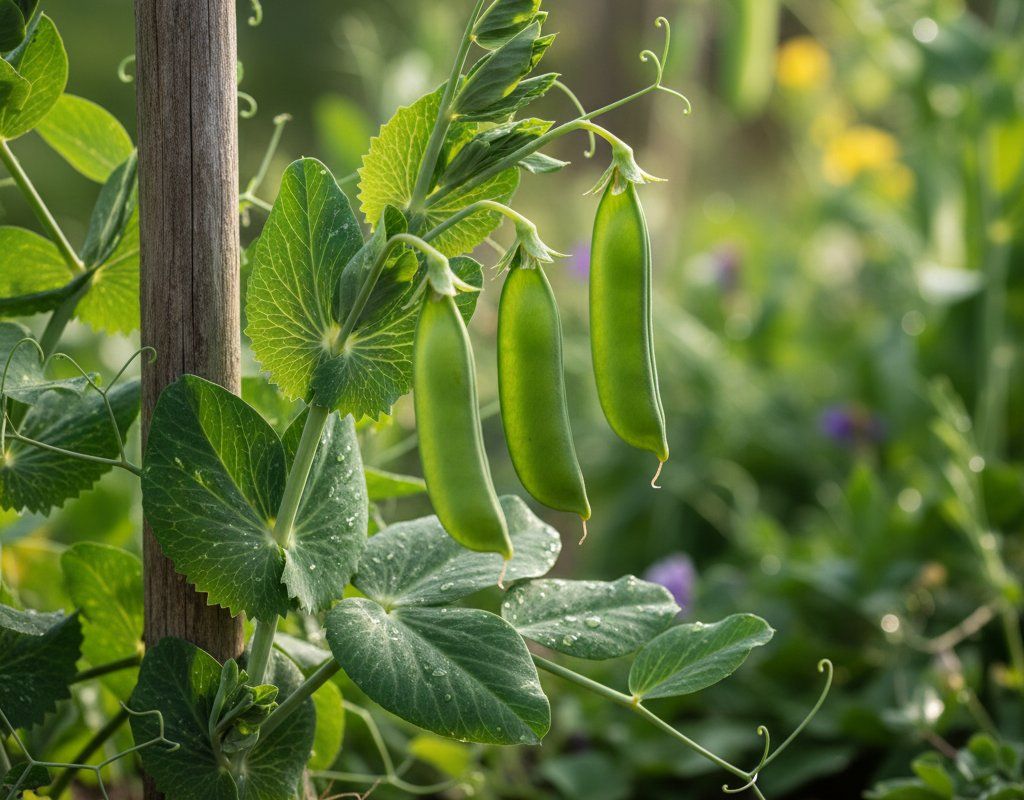
Peas in Zone 4A — Northeast
Pisum sativum · Your Complete 2026 Planting Guide
Planning Ahead — Great!
You’re ahead of the season. Here’s when to start.
Mark Your Calendar
How to Plant Peas in Zone 4A — Northeast
Here are all your options for getting peas in the ground, from the easiest method to more advanced approaches.
Direct Sow Seeds
RecommendedEarly April through early July
around April 3
Consider succession planting every 2-3 weeks for continuous harvest.
Peas prefer cool soil and don't transplant well. Direct sow in early spring.
Buy Starts
Works WellMid April through mid May
around April 17
Plant purchased starts after last frost (May 15).
Start Seeds Indoors
ChallengingThis plant is typically not started indoors.
Transplant Outdoors
Timing InfoMid April through mid May
around April 17
Can tolerate light frost, but wait for soil to be workable.
You have a nice window — no need to rush.
Fall Planting
Early July through early August
July 19 ideal · Direct sow for fall harvest
Plant a second crop in mid-summer for fall harvest. Peas actually prefers the cooling temperatures of fall.
Overview
Peas are one of the most rewarding cool-season crops you can grow in our Zone 4A Northeast gardens. Those sweet, tender pods that snap right off the vine taste nothing like the starchy store-bought versions—they're crisp, sweet, and perfect for our moderate summers with cool nights that concentrate their natural sugars. Whether you're growing snap peas for fresh eating, shelling peas for that burst of spring sweetness, or snow peas for stir-fries, these nitrogen-fixing legumes actually improve your rocky New England soil while producing an abundant harvest.
Yes, our 128-day growing season means we need to be strategic about timing, and those late spring frosts can catch you off guard if you plant too early. But peas are naturally cold-hardy and actually prefer the cool weather that defines our Northeast springs and falls. With proper timing, you'll have fresh peas from early summer right through your fall harvest, making the most of our productive but brief growing window.
Transplanting Outdoors
While peas can be transplanted, it's not the preferred method since their delicate root systems don't appreciate disturbance. If you do choose to transplant—perhaps to get a head start on the season—you can move seedlings outdoors from mid-April through mid-May, once soil temperatures reach at least 45°F.
Start hardening off your transplants a full week before moving them to the garden. Our Northeast springs can swing from warm days to surprisingly cold nights, so gradually expose them to outdoor conditions for a few hours each day, extending the time daily. Space transplants 2-4 inches apart in rows or blocks.
Be extra careful with root disturbance when transplanting, and water them in well. However, given peas' preference for cool soil and their tendency to sulk when transplanted, direct sowing remains the better choice for most Northeast gardeners.
Direct Sowing
Direct sowing is absolutely the way to go with peas in our Northeast gardens. You can sow from early April through early July, taking advantage of our cool springs and the possibility of succession plantings through early summer. Start when soil temperatures hit 45°F—the soil doesn't need to be warm like it does for beans or squash.
Prepare your rocky New England soil by working in some compost, but don't overdo the nitrogen since peas fix their own. Plant seeds 2-4 inches apart and about 1-2 inches deep. In heavier clay soils common in our region, plant slightly shallower to prevent rot in cold, wet conditions. The seeds will germinate in cool soil that would kill warm-season crops.
For succession harvests, sow new rows every 2-3 weeks through early summer. Your last planting should go in by early July to mature before our mid-September frost arrives. The beauty of direct sowing is that peas establish stronger root systems and handle our variable spring weather better than transplants ever could.
Watering Peas in Zone 4A (Northeast)
Peas need consistent moisture but not waterlogged conditions—a balance that works well with our Northeast's moderate humidity and relatively even 40-50 inches of annual rainfall. During our typical spring weather, natural rainfall often provides adequate moisture, but you'll need to supplement during drier spells and definitely during flowering and pod development in summer.
Use the finger test: stick your finger 2 inches into the soil near the plants. If it feels dry at that depth, it's time to water. Peas need about 1 inch of water per week, including rainfall. In our moderate summer heat (typically peaking around 82°F), this usually means watering deeply twice a week rather than daily light sprinklings.
Water at the base of plants rather than overhead, especially given our moderate-to-humid conditions that can encourage fungal problems on wet foliage. Soaker hoses or drip irrigation work perfectly. Watch for signs of stress: wilting during the heat of the day (even with adequate soil moisture) is normal, but wilting in cool morning or evening hours indicates drought stress.
A 2-3 inch layer of mulch around plants helps retain moisture and keeps roots cool during our brief but productive summers. Straw or shredded leaves work well in our climate and break down to improve that rocky soil over time.
Supporting Your Peas
Even the so-called "dwarf" pea varieties benefit from some kind of support in our windy Northeast springs. Install your trellis, fence, or support system at planting time—trying to add it later often damages the delicate vines and root systems. A simple 4-6 foot tall string trellis, old chicken wire, or even traditional pea brush (twiggy branches) works perfectly.
For taller varieties that can reach 6 feet, use sturdy posts with horizontal strings or wire every 6 inches. The tendrils will naturally grab onto supports, but you may need to gently guide young vines toward the trellis initially. Our spring winds can whip unsupported plants around, weakening stems and reducing pod production.
Even bush-type peas appreciate low supports—18-24 inches tall—to keep pods off the ground and improve air circulation. This is especially important in our moderate-to-humid summers where good airflow helps prevent fungal issues.
🧪Fertilizing Peas
Feeding Schedule
Organic Fertilizer Options
Harvest Time
Your first peas will be ready from early June through late September, depending on when you planted—typically about 60 days from sowing. For snap peas and snow peas, harvest when pods are plump but before the individual peas inside get too large and tough. Shell peas are ready when pods are filled out and bright green, with visible round seeds pressing against the pod walls.
Pick peas every day during peak season, usually early morning when they're crisp and sweet. Use both hands: hold the vine with one hand and gently pull the pod with the other to avoid damaging the plant. Regular harvesting encourages continued production—skip a few days and the plant thinks its job is done.
In our short growing season, plan your last succession planting for early July so pods can mature before our mid-September frost. As cooler fall weather arrives, pea quality actually improves as those cool nights concentrate sugars. Light frosts won't kill the plants, so you can often harvest into early October.
Keep an eye on pod color: harvest before they start yellowing or becoming tough. Unlike tomatoes, peas don't continue ripening after picking, so timing is everything for peak flavor and tenderness.
Common Problems in Zone 4A (Northeast)
Powdery Mildew What it looks like: A white or grayish powdery coating appears on leaves, stems, and sometimes pods. Leaves curl, yellow, and eventually die, reducing plant vigor and pod production. What causes it: Various fungi that thrive in our Northeast climate's warm days, cool nights, and moderate humidity. Unlike most fungi, powdery mildew actually prefers dry leaf surfaces, making it particularly troublesome during periods when humidity is high but leaves stay relatively dry. How to fix/prevent it: Improve air circulation by proper spacing (don't crowd plants) and removing lower leaves that touch the ground. Remove affected leaves immediately. Spray with neem oil or potassium bicarbonate, or try the surprisingly effective milk spray (1 part milk to 9 parts water). Plant resistant varieties when available.
Pea Aphids What it looks like: Small, soft-bodied green insects cluster on stems, leaves, and pods. Leaves may curl, yellow, or become sticky with honeydew. Plants look stunted and pods may be deformed. What causes it: These pale green aphids specifically target peas and beans, thriving in our moderate spring temperatures. They multiply rapidly during the cool, moist conditions common in Northeast springs. How to fix/prevent it: Spray plants with a strong stream of water to dislodge aphids. Introduce beneficial insects like ladybugs and lacewings. Insecticidal soap works well for heavier infestations. Row covers early in the season can prevent initial colonization.
Root Rot What it looks like: Plants wilt and yellow despite adequate moisture. Roots appear brown, black, or mushy instead of white and firm. Seedlings may dampen off or fail to emerge. What causes it: Fungal pathogens that thrive in waterlogged, poorly drained soil—a common problem in our clay-heavy Northeast soils during wet springs. How to fix/prevent it: Improve drainage by adding compost and avoiding overwatering. Plant in raised beds if your soil stays soggy. Don't plant in the same spot where root rot occurred previously. Ensure good soil preparation and avoid planting in cold, wet soil.
Northeast Specific Challenges: Our moderate-to-humid summers with even rainfall create ideal conditions for fungal diseases, while our rocky, often clay-heavy soils can lead to drainage issues. The key is balancing adequate moisture with good drainage and air circulation—something that requires attention to soil preparation and plant spacing in our climate.
Best Companions for Peas
Plant these nearby for healthier Peas and better harvests.

Keep Away From

Companion Planting Details
Peas make excellent companions for cool-season root crops in our Northeast gardens. Carrots work particularly well planted near peas because their deep taproots help break up our rocky soil while the peas add nitrogen that carrots need for leafy growth. Radishes and turnips also pair nicely, maturing quickly in the cool weather peas prefer while helping to loosen compacted soil. Corn planted later in the season can use the nitrogen peas have fixed, and the corn stalks can actually provide support for late-season pea plantings.
Avoid planting peas near onions and garlic, as these alliums can inhibit pea growth and nitrogen fixation. In our Northeast climate where space is at a premium during our short growing season, focus on companions that either help improve our challenging rocky soil or make efficient use of the cool-season window when peas thrive.
🌸Best Flowers to Plant with Peas
These flowers protect your Peas from pests and attract pollinators for better harvests.
For Pest Control

For Pollinators

Get a Reminder When It's Time to Plant
We'll email you when key planting windows open for your zone.