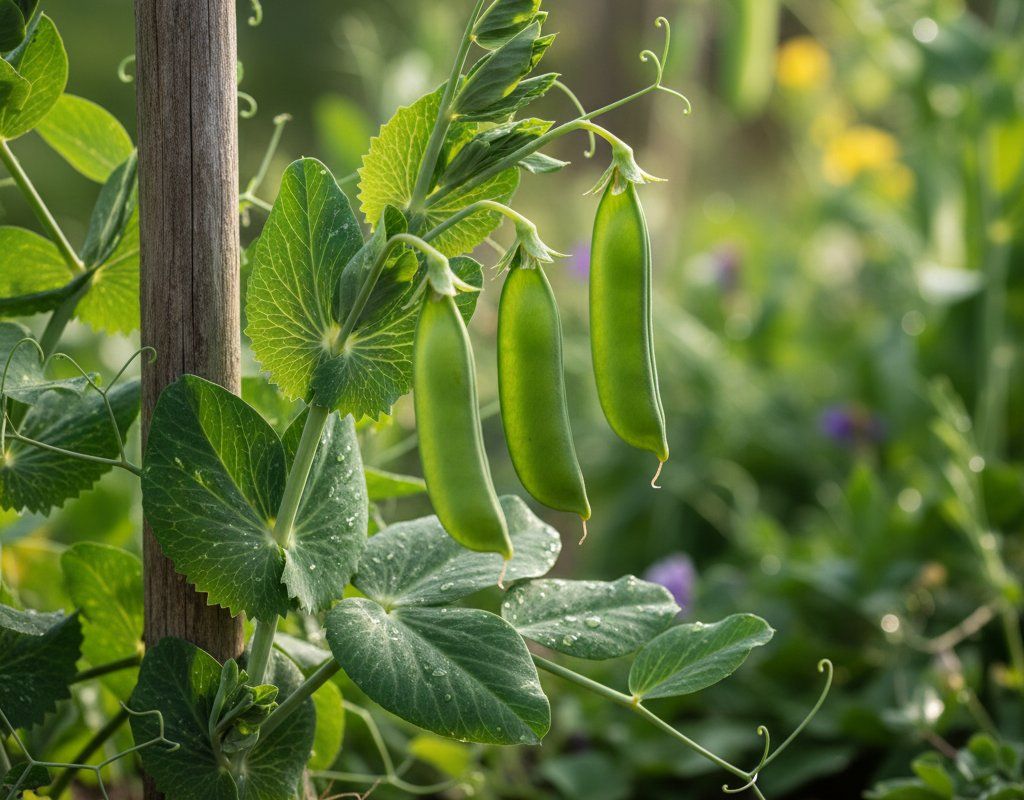
Peas in Zone 5A — Great Plains
Pisum sativum · Your Complete 2026 Planting Guide
Planning Ahead — Great!
You’re ahead of the season. Here’s when to start.
Mark Your Calendar
How to Plant Peas in Zone 5A — Great Plains
Here are all your options for getting peas in the ground, from the easiest method to more advanced approaches.
Direct Sow Seeds
RecommendedMid March through late July
around March 14
Consider succession planting every 2-3 weeks for continuous harvest.
Peas prefer cool soil and don't transplant well. Direct sow in early spring.
Buy Starts
Works WellLate March through late April
around March 28
Plant purchased starts after last frost (April 25).
Start Seeds Indoors
ChallengingThis plant is typically not started indoors.
Transplant Outdoors
Timing InfoLate March through late April
around March 28
Can tolerate light frost, but wait for soil to be workable.
You have a nice window — no need to rush.
Fall Planting
Late July through late August
August 8 ideal · Direct sow for fall harvest
Plant a second crop in mid-summer for fall harvest. Peas actually prefers the cooling temperatures of fall.
Overview
Peas are one of the most rewarding crops for us Plains gardeners, delivering sweet, tender pods that put anything from the store to shame. They thrive in our cool spring weather and can handle our variable conditions better than most vegetables. With our intense sunshine and fertile prairie soil, you'll get excellent yields from these nitrogen-fixing legumes that actually improve your garden soil while they grow.
Our 168-day growing season gives you plenty of time for multiple plantings, and peas actually prefer our cool spring and fall temperatures over summer heat. While our extreme weather swings and wind can challenge some crops, proper timing lets you work with nature rather than against it. The key is getting them established before our hot summer temperatures arrive.
Transplanting Outdoors
Peas don't transplant particularly well since they develop deep taproots, but if you're starting with seedlings, transplant them from late March through late April when soil temperatures are still cool. Give transplants a full week of hardening off, gradually increasing their outdoor exposure to help them adjust to our variable spring weather and wind.
Space transplants 2-4 inches apart in rows, providing immediate support since the vines will start climbing right away. Be prepared for late cold snaps during this window - while peas can handle frost, newly transplanted seedlings are more vulnerable to our temperature swings.
Watch the weather carefully during transplant season, as a warm spell followed by a sudden freeze can stress young plants. Have row covers ready for protection if needed.
Direct Sowing
Direct sowing is absolutely the way to go with peas here in the Plains. You can sow from mid-March through late July, taking advantage of their cool-weather preference. Plant as soon as you can work the soil in spring - peas actually germinate better in cool soil around 45°F than in warm ground.
Prepare your planting area by working compost into our prairie soil, which likely already has good structure but benefits from added organic matter. Plant seeds 2-4 inches apart and about 1-2 inches deep, depending on soil moisture. In our variable spring conditions, shallow planting works better if the soil is still quite cool and wet.
The beauty of direct sowing peas is that they develop strong root systems right from the start, making them more resilient to our windy conditions and temperature swings. For continuous harvests, make successive plantings every 2-3 weeks through late spring, then resume with a fall crop in late July through late August.
Watering Peas in Zone 5A (Great Plains)
Peas need consistent moisture but aren't particularly drought-tolerant, which means you'll need to stay on top of watering during our variable rainfall seasons. They're especially thirsty during flowering and pod development - drought stress during these stages leads to poor pod set and bitter peas. With our typical 15-35 inches of annual rainfall, you'll likely need supplemental watering.
During our hot summers with temperatures reaching 93°F, check soil moisture daily using the finger test - stick your finger 2 inches into the soil near the plants. If it's dry at that depth, it's time to water. Aim for about 1-1.5 inches per week, including rainfall. Our low-to-moderate humidity means soil dries out faster than in more humid regions.
Water at the base of plants rather than overhead to keep leaves dry and reduce disease pressure. This is especially important during our warm days and cool nights, which can create ideal conditions for fungal problems. Early morning watering gives plants time to dry before evening.
Apply a light mulch of straw or grass clippings to help retain moisture and keep roots cool during hot spells. In our windy conditions, make sure mulch is well-anchored so it doesn't blow away. Stop overhead watering once pods begin forming to prevent splitting and disease issues.
Supporting Your Peas
Even bush varieties of peas benefit from support in our windy Plains conditions. Install trellises, stakes, or pea netting at planting time - waiting until plants are established means disturbing their root systems. A simple 4-6 foot fence or string trellis works perfectly for tall varieties, while shorter supports around 3 feet handle bush types.
Pea tendrils will naturally grab onto supports, but you may need to guide young vines initially. In our gusty conditions, check supports regularly and reinforce as needed. Wire cages or sturdy wooden stakes hold up better than flimsy materials when prairie winds pick up.
Consider the support structure as wind protection too - a north-south oriented trellis can provide some shelter from prevailing winds while still allowing good air circulation. This dual purpose makes support even more valuable in our climate than in calmer regions.
🧪Fertilizing Peas
Feeding Schedule
Organic Fertilizer Options
Harvest Time
Your first peas will be ready from mid-May through mid-October, depending on when you planted. With our 60-day maturity window, spring plantings started in mid-March will give you fresh peas by mid-May, perfect timing to beat the summer heat. Look for plump pods where you can see the round pea shapes clearly outlined - they should feel full but not rock-hard.
Harvest in the morning when pods are crisp and full of moisture. Pick pods regularly, even daily during peak season, to keep plants producing. The more you harvest, the more flowers and pods the plant will set. Use both hands - hold the vine with one while picking with the other to avoid damaging the plant.
As temperatures climb toward our typical 93°F summer highs, production will slow and pods may become tough or bitter. This is normal - peas are cool-season crops that struggle in heat. Your fall planting from late July will give you another harvest window when temperatures moderate in early fall.
Stop harvesting when pods turn yellow or become overly tough. As our first frost approaches in early October, harvest remaining pods even if they're not quite ready - they won't continue ripening off the vine, but young pods are still edible in stir-fries.
Common Problems in Zone 5A (Great Plains)
Powdery Mildew You'll see white or grayish powdery coating on leaves, stems, and sometimes pods. Leaves start curling, turning yellow, and eventually die back, reducing your harvest significantly. This fungal disease thrives in our Plains conditions of warm days, cool nights, and moderate humidity - ironically, it actually prefers dry leaf surfaces unlike most fungi. Improve air circulation by proper spacing (don't crowd plants) and remove affected leaves immediately. Neem oil or potassium bicarbonate sprays help, but try milk spray first - mix 1 part milk with 9 parts water and spray weekly. Plant resistant varieties if this becomes a recurring problem.
Pea Aphids These small, green insects cluster on new growth and pod stems, causing leaves to curl and yellow while secreting sticky honeydew. They multiply rapidly during our cool spring weather and can spread virus diseases between plants. Inspect plants weekly and blast off small populations with water from your hose - our low humidity means leaves dry quickly afterward. For heavier infestations, insecticidal soap works well, or encourage beneficial insects like ladybugs and lacewings that naturally control aphid populations.
Root Rot Plants wilt and yellow despite adequate moisture, and roots appear dark, mushy, or have black areas. This soilborne fungal disease develops in poorly drained soils or during periods of excessive moisture. In our prairie soil, this usually happens in low-lying areas where water sits or during unusually wet springs. Improve drainage by working compost into heavy clay areas and avoid overwatering. Plant in raised beds if you have persistent drainage issues, and rotate pea crops to different garden areas each year.
Great Plains Specific Challenges: Our extreme temperature swings can stress pea plants, making them more susceptible to all these problems. The combination of hot days, low-to-moderate humidity, and variable rainfall creates unique conditions where powdery mildew can flourish while drought stress weakens plants' natural defenses.
Best Companions for Peas
Plant these nearby for healthier Peas and better harvests.

Keep Away From

Companion Planting Details
Peas make excellent companions for carrots and radishes since their nitrogen-fixing roots improve soil for these heavy feeders, while the root crops help break up soil for better pea root development. Turnips work similarly and appreciate the nitrogen boost. Corn planted nearby provides natural wind protection for peas - valuable in our gusty Plains conditions - and the peas return the favor by fixing nitrogen for the corn's heavy feeding needs.
Avoid planting peas near onions and garlic, as these alliums can inhibit pea growth and nitrogen fixation. In our already challenging climate with temperature swings and wind stress, peas need all the help they can get, so skip companions that might compete or cause problems. Focus on plants that offer mutual benefits or protection from our harsh weather conditions.
🌸Best Flowers to Plant with Peas
These flowers protect your Peas from pests and attract pollinators for better harvests.
For Pest Control

For Pollinators

Get a Reminder When It's Time to Plant
We'll email you when key planting windows open for your zone.