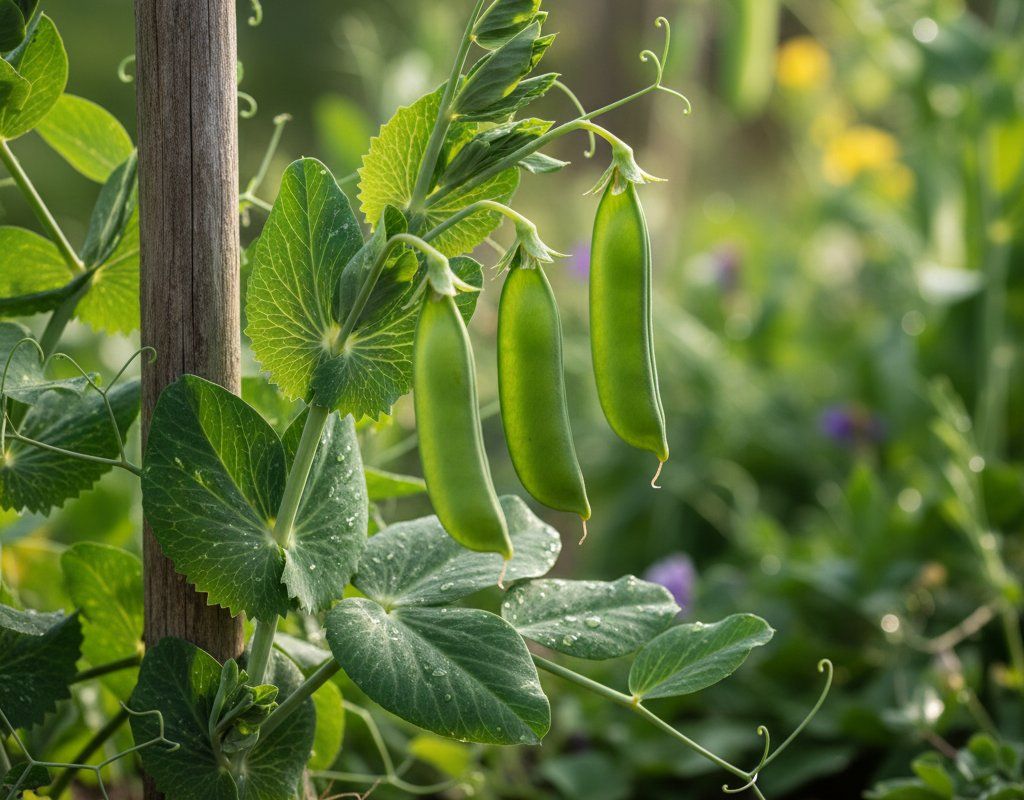
Peas in Zone 8B — Texas
Pisum sativum · Your Complete 2026 Planting Guide
Still Time to Sow!
The sowing window is still open for Peas.
Sow Seeds Soon
Peas prefer cool soil and don't transplant well. Direct sow in early spring.
How to Plant Peas in Zone 8B — Texas
Here are all your options for getting peas in the ground, from the easiest method to more advanced approaches.
Direct Sow Seeds
RecommendedMid January through mid September
around January 14
Consider succession planting every 2-3 weeks for continuous harvest.
Peas prefer cool soil and don't transplant well. Direct sow in early spring.
Buy Starts
Works WellLate January through late February
around January 28
Plant purchased starts after last frost (February 25).
Start Seeds Indoors
ChallengingThis plant is typically not started indoors.
Transplant Outdoors
Timing InfoLate January through late February
around January 28
Can tolerate light frost, but wait for soil to be workable.
You have a nice window — no need to rush.
Fall Planting
Early September through early October
September 23 ideal · Direct sow for fall harvest
Plant a second crop in mid-summer for fall harvest. Peas actually prefers the cooling temperatures of fall.
Overview
Peas are one of Texas gardening's sweetest rewards, offering tender pods and sweet green jewels that make store-bought versions taste like cardboard. In our Zone 8B climate, you get the unique advantage of two distinct growing seasons – spring peas that beat the brutal Texas heat, and fall peas that thrive as temperatures cool down. Fresh peas straight from the vine have a sweetness that disappears within hours of picking, making homegrown the only way to experience their true flavor.
Our unpredictable Texas weather can challenge pea growing, with late freezes threatening spring crops and scorching summer heat limiting the season. But with our generous 273-day growing season and mild winters, timing becomes your greatest tool. Plant early in spring for harvests before the heat hits, then again in fall for winter picking – it's all about working with our climate instead of against it.
Transplanting Outdoors
While peas can be transplanted, it's rarely the best choice in Texas since they develop deep taproots that resent disturbance. If you're set on transplanting, start seeds indoors in biodegradable pots during late January through late February, planning to move them outside before their roots hit the pot walls.
Harden off transplants gradually over a week, starting with a few hours of morning sun and building up their tolerance. Our late winter weather can swing wildly – warm afternoons followed by unexpected cold snaps – so keep an eye on forecasts and be ready to protect young plants.
Space transplants 2-4 inches apart and water them in well. The real challenge with transplanting peas in Texas is that our spring window moves fast, and transplants need time to recover from the shock just when they should be establishing quickly before the heat arrives.
Direct Sowing
Direct sowing is absolutely the way to go with peas in Texas. You can start as early as mid-January when the soil is workable, continuing through mid-September for fall plantings. Peas actually prefer cool soil and germinate best when ground temperatures hover between 40-70°F – perfect for our winter and early spring conditions.
Work compost into your planting area since peas appreciate loose, well-draining soil but don't need heavy fertilization (they actually fix their own nitrogen). Plant seeds 2-4 inches apart and about an inch deep, maybe slightly deeper in our clay soils to ensure good contact. In heavier soils, consider raised rows to improve drainage since our unpredictable rainfall can create soggy conditions.
The beauty of direct sowing in Texas is flexibility – you can succession plant every 2-3 weeks through early March, then pick up again in early September for fall harvests. Seeds germinate quickly in cool weather and establish strong root systems before facing any weather extremes.
Watering Peas in Zone 8B (Texas)
Peas need consistent moisture but absolutely hate waterlogged soil – a real balancing act in Texas where we swing between drought and flash floods. During our unpredictable spring weather, aim for about an inch of water per week, checking soil moisture with the finger test down to 2 inches deep. If it's dry at that depth, it's time to water.
Focus your watering at the base of plants rather than overhead, especially as humidity levels vary throughout our growing season. Overhead watering in our variable humidity can promote fungal problems, while deep watering at soil level encourages the strong root development peas need to handle our temperature swings. Early morning watering works best, giving plants time to dry before potential cool nights.
During flowering and pod development, even moisture becomes critical – drought stress during this phase means poor pod set and tough, disappointing peas. This is especially challenging during late spring when temperatures start climbing toward summer heat. Watch for signs of stress like wilting in morning hours or yellowing lower leaves, which often indicate inconsistent watering.
A 2-3 inch layer of mulch helps tremendously in our climate, moderating soil temperature swings and retaining moisture during dry spells. Avoid thick mulch right against plant stems though – our humidity can create perfect conditions for stem rot when organic matter stays too moist against the plant base.
Supporting Your Peas
Even bush-type peas benefit from support in our Texas winds and unpredictable weather. Install trellises, string supports, or pea brush at planting time – trying to add support later often damages the tender growing tips and disrupts root systems that don't like disturbance.
A simple fence panel, string trellis between posts, or traditional pea brush (branchy twigs) works perfectly for most varieties. Plan for 4-6 feet of height for tall climbing types, though many gardeners in Texas prefer shorter bush varieties that need only 2-3 feet of support and handle our weather extremes better.
Train young plants gently onto supports as they grow, helping tendrils find their grip. Our spring winds can be fierce, and unsupported pea plants often get tangled, broken, or knocked over just when they're starting to produce pods. Good support also improves air circulation, which helps prevent fungal issues in our variable humidity conditions.
🧪Fertilizing Peas
Feeding Schedule
Organic Fertilizer Options
Harvest Time
Your first spring peas should be ready for picking anywhere from mid-March through early May, depending on when you planted and how our weather cooperates. Fall plantings typically start producing in late October, continuing through early December or until our first freeze arrives in late November.
For shell peas, harvest when pods are plump and you can feel round seeds inside, but before the pods turn yellow or tough. The sweet spot is when pods are bright green and full but still slightly tender to the squeeze. Snow peas and snap peas should be picked when pods are flat (snow peas) or just beginning to swell (snap peas), always while they're still bright green and crisp.
Check plants daily once harvest begins – peas mature quickly in our spring weather, and pods can go from perfect to overripe in just a day or two as temperatures warm up. Harvest in the cool morning hours when pods are crisp and full of moisture, using both hands to avoid pulling up plants or damaging stems.
Keep picking regularly to encourage continued production. Plants that are allowed to develop mature seeds will stop flowering and producing new pods. As your spring season winds down before the Texas heat hits, let a few pods fully mature for saving seeds for fall planting – just remember this will signal the plant to stop producing fresh pods for eating.
Common Problems in Zone 8B (Texas)
Powdery mildew appears as a white or grayish dusty coating on leaves, stems, and sometimes pods, causing leaves to curl, yellow, and eventually die back. In Texas, this fungus loves our spring conditions – warm days followed by cooler nights with moderate humidity levels create perfect conditions for spore development.
The tricky thing about powdery mildew is that it actually prefers dry leaf surfaces, unlike most fungi. Improve air circulation by proper spacing and removing lower leaves that touch the ground. Spray affected plants with neem oil or try the surprisingly effective milk spray (1 part milk to 9 parts water) applied weekly. Remove and dispose of affected plant material rather than composting it.
Pea aphids cluster on tender growing tips and along stems, appearing as small green or gray soft-bodied insects that suck plant juices. Heavy infestations cause stunted growth, curled leaves, and can transmit plant viruses. These pests multiply rapidly in our mild spring weather before beneficial insects become active.
Blast aphids off with a strong spray of water early in the morning, or introduce beneficial insects like ladybugs and lacewings. Reflective mulch around plants can confuse aphids and reduce landing on your peas. If populations explode, insecticidal soap or neem oil applications every few days will knock them back without harming beneficial insects.
Root rot shows up as yellowing plants that wilt despite adequate soil moisture, often with black or brown roots when you dig them up. Our clay soils and unpredictable rainfall create perfect conditions – waterlogged soil followed by periods of drought stress plants and create entry points for soil-borne fungi.
Prevention is key since there's no cure once root rot establishes. Plant in raised beds or rows to improve drainage, and avoid overwatering during our rainy periods. Don't plant peas in the same location year after year, and consider adding coarse compost or perlite to heavy clay areas where drainage stays problematic.
Texas Specific Challenges: Our extreme heat cuts the spring growing season short, while unpredictable freezes can damage fall crops just as they're getting established. Flash floods can waterlog roots, followed by drought conditions that stress plants right when they need consistent moisture for pod development.
Best Companions for Peas
Plant these nearby for healthier Peas and better harvests.

Keep Away From

Companion Planting Details
Peas make excellent companions for carrots and radishes, since peas fix nitrogen in the soil that these root crops can use, while the roots of carrots and radishes help break up clay soils that peas appreciate. Turnips work similarly and mature quickly enough to harvest before peas need the space. Corn planted nearby provides natural trellising for climbing peas, though timing this combination in Texas requires careful planning around our heat.
Avoid planting peas near onions and garlic – these alliums can inhibit pea growth and nitrogen fixation, plus they often need different watering schedules that don't work well together. The sulfur compounds that make onions and garlic so useful elsewhere in the garden seem to interfere with the beneficial bacteria that help peas fix nitrogen from the air.
🌸Best Flowers to Plant with Peas
These flowers protect your Peas from pests and attract pollinators for better harvests.
For Pest Control

For Pollinators

Get a Reminder When It's Time to Plant
We'll email you when key planting windows open for your zone.