
Peas in Zone 9A — Florida
Pisum sativum · Your Complete 2026 Planting Guide
Harvest Time!
Your Peas should be producing now!
Harvest Tips
Pick when pods are firm but seeds inside are still small. Check daily!
How to Plant Peas in Zone 9A — Florida
Here are all your options for getting peas in the ground, from the easiest method to more advanced approaches.
Direct Sow Seeds
RecommendedLate December through mid October
around December 21
Consider succession planting every 2-3 weeks for continuous harvest.
Peas prefer cool soil and don't transplant well. Direct sow in early spring.
Buy Starts
Works WellEarly January through early February
around January 4
Plant purchased starts after last frost (February 1).
Start Seeds Indoors
ChallengingThis plant is typically not started indoors.
Transplant Outdoors
Timing InfoEarly January through early February
around January 4
Can tolerate light frost, but wait for soil to be workable.
You have a nice window — no need to rush.
Fall Planting
Early October through early November
October 23 ideal · Direct sow for fall harvest
Plant a second crop in mid-summer for fall harvest. Peas actually prefers the cooling temperatures of fall.
Overview
Growing peas in Zone 9A Florida offers a delicious reward during our cooler months when fresh, sweet peas from the garden taste infinitely better than anything you'll find in stores. Our subtropical climate creates the perfect opportunity for winter pea production, giving you tender pods and crisp snap peas when the rest of the country is buried under snow. The satisfaction of harvesting your own peas in February while friends up north are still dreaming of spring is one of Florida gardening's unique pleasures.
While our extreme humidity and sandy soil present challenges, timing is everything with peas in Florida. Plant them during our brief cool season, and they'll thrive in temperatures that would stress them elsewhere. With our 327-day growing season, you have the flexibility to enjoy multiple harvests throughout the cooler months, making peas a cornerstone of successful Florida winter gardening.
Transplanting Outdoors
Transplanting peas works best from early January through early February in Florida, though direct sowing remains the preferred method. If you've started seeds indoors or purchased seedlings, you'll need to harden them off gradually over a week by placing them outside for increasing periods each day.
Space your transplants 2-4 inches apart in rows, being extra gentle since peas have delicate root systems that don't appreciate disturbance. Our January weather can swing between warm days and surprisingly cool nights, so keep an eye on temperature forecasts and be ready to protect young plants if temperatures drop into the 30s.
The key to successful transplanting in Florida is timing it with our brief cool window. Wait too long, and the increasing heat and humidity will stress your plants before they establish properly.
Direct Sowing
Direct sowing is your best bet for peas in Florida, with the ideal window running from late December through mid-October - though most Florida gardeners focus on the winter planting window from late December through February. Peas prefer cool soil and their taproots don't appreciate being disturbed, making direct sowing the more reliable method.
Prepare your soil by working in compost to improve drainage in our sandy conditions, then sow seeds 2-4 inches apart and about an inch deep. The soil temperature should be between 45-75°F - much easier to achieve during our winter months than trying to grow them in summer heat. Water gently after planting and keep the soil consistently moist until germination, which typically takes 7-14 days in cool weather.
Plant every 2-3 weeks during your growing window for continuous harvests. The beauty of Florida pea growing is that our "winter" provides the extended cool season these crops need to produce well.
Watering Peas in Zone 9A (Florida)
Peas need consistent moisture throughout their growing season, with even watering being crucial during flowering and pod development. In Florida's winter growing season, this usually means about an inch of water per week, but always check soil moisture with the finger test - stick your finger 2 inches deep, and water when it feels dry at that depth.
Our winter months typically provide some natural rainfall, but don't rely on it entirely. Florida's sandy soil drains quickly, so you'll likely need to supplement with regular watering. Water at the base of plants rather than overhead to minimize fungal issues in our high humidity environment. Early morning watering allows plants to dry before evening, reducing disease pressure.
Watch for signs of water stress during flowering - if pods fail to fill out or plants wilt during the day, increase watering frequency. Conversely, yellowing leaves and stunted growth often signal overwatering in our well-draining sandy soils. Drought stress during flowering causes poor pod set, so consistent moisture is essential.
Apply a 2-3 inch layer of organic mulch around plants to retain soil moisture and regulate temperature, but keep it pulled back from the stem to prevent fungal issues in our humid climate.
Supporting Your Peas
Even bush varieties of peas benefit from some support in Florida's occasionally breezy conditions, and vining types absolutely require it. Install trellises, string supports, or pea brush at planting time - waiting until plants are established risks damaging their root systems.
A simple trellis system works beautifully: drive posts 4-6 feet high and string horizontal lines every 8-10 inches. Peas climb using tendrils, so they'll grab onto string, wire, or mesh fencing readily. For smaller plantings, bamboo teepees or even sturdy branches work well.
Train young plants gently onto their supports once they're 4-6 inches tall. The tendrils will do most of the work, but a little guidance early on helps establish good climbing habits. Proper support improves air circulation around plants - especially important in our humid climate - and makes harvesting much easier.
🧪Fertilizing Peas
Feeding Schedule
Organic Fertilizer Options
Harvest Time
Your first pea harvest typically arrives from mid-February through early January, about 60 days from planting. This timing takes advantage of Florida's cool winter months when peas thrive and produce their best crops.
For shell peas, harvest when pods are plump and you can see round seeds clearly outlined inside. The pods should still be bright green - once they start yellowing, the peas inside become starchy and lose their sweetness. For snap peas, pick when pods are full but still tender enough to snap cleanly. Check plants daily during peak season as peas can go from perfect to overripe quickly in our mild winter temperatures.
Harvest by gently pulling or cutting pods from the vine, being careful not to damage the delicate stems. Regular picking encourages continued production, so don't let pods accumulate on plants. Early morning harvesting, when plants are well-hydrated, often yields the crispest peas.
As first frost approaches in late December, harvest any remaining pods and allow some to mature for seed saving if desired. In Florida, your pea season typically winds down as temperatures begin rising in late winter, making way for your warm-season plantings.
Common Problems in Zone 9A (Florida)
Powdery Mildew This fungal disease appears as white or grayish powdery coating on leaves, stems, and sometimes pods. Leaves may curl, yellow, and die, reducing plant vigor significantly. In Florida's high humidity environment, powdery mildew thrives during periods of warm days and cool nights with moderate moisture levels. Improve air circulation by proper spacing and removing lower leaves that touch the soil. Neem oil applications or potassium bicarbonate sprays help control outbreaks. Surprisingly, a milk spray (1 part milk to 9 parts water) applied weekly can be quite effective.
Pea Aphids These small, green insects cluster on stems and leaves, sucking plant juices and potentially transmitting viruses. Heavy infestations cause stunted growth, yellowing leaves, and reduced yields. Florida's mild winters can allow aphid populations to build up quickly on cool-season crops. Encourage beneficial insects like ladybugs and lacewings by avoiding broad-spectrum insecticides. Strong water sprays can knock aphids off plants, and insecticidal soap provides good control for heavier infestations.
Root Rot Plants develop yellowing leaves, stunted growth, and may wilt despite adequate soil moisture. Roots appear dark, mushy, or black when examined. Florida's sandy soils usually drain well, but overwatering or poorly draining spots can create conditions for root rot fungi. Improve drainage by adding compost to heavy soils and avoid overwatering. Plant in raised beds if drainage remains problematic, and rotate crops to prevent soil-borne disease buildup.
Florida Specific Challenges: Our extreme humidity creates perfect conditions for fungal diseases, while sandy soils require more frequent watering but also better drainage management. Summer temperatures are too hot for peas, limiting your growing window to the cooler months. Focus on proper timing, good air circulation, and consistent but not excessive moisture to succeed with peas in Florida.
Best Companions for Peas
Plant these nearby for healthier Peas and better harvests.

Keep Away From
Companion Planting Details
Peas make excellent companions for carrots, radishes, and turnips in Florida winter gardens. The peas' nitrogen-fixing ability improves soil fertility for these root crops, while the different root depths mean they don't compete for the same soil nutrients. Carrots particularly benefit from the improved soil structure that pea roots create, and radishes help break up compacted areas while maturing quickly enough to be harvested before peas need the space.
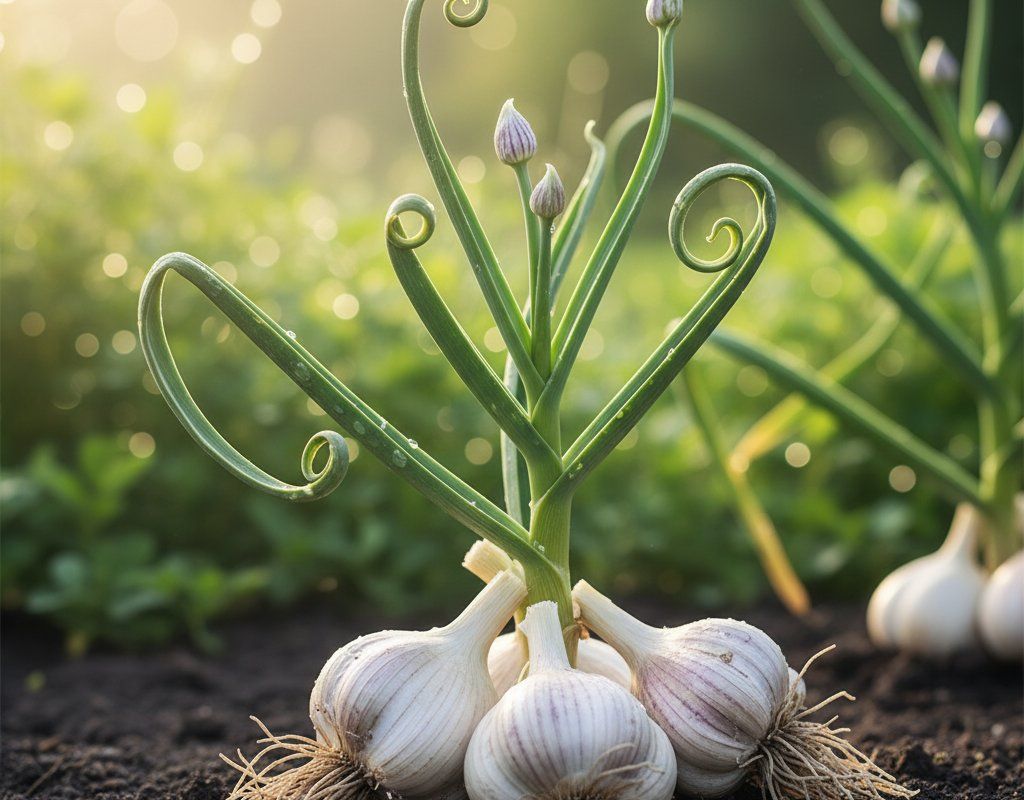
Avoid planting peas near onions and garlic, as these alliums can inhibit pea growth and nitrogen fixation. In Florida's intensive winter growing season, space is precious, so stick with proven beneficial combinations that maximize your garden's productivity during our brief cool-weather window.
🌸Best Flowers to Plant with Peas
These flowers protect your Peas from pests and attract pollinators for better harvests.
For Pest Control

For Pollinators

Get a Reminder When It's Time to Plant
We'll email you when key planting windows open for your zone.