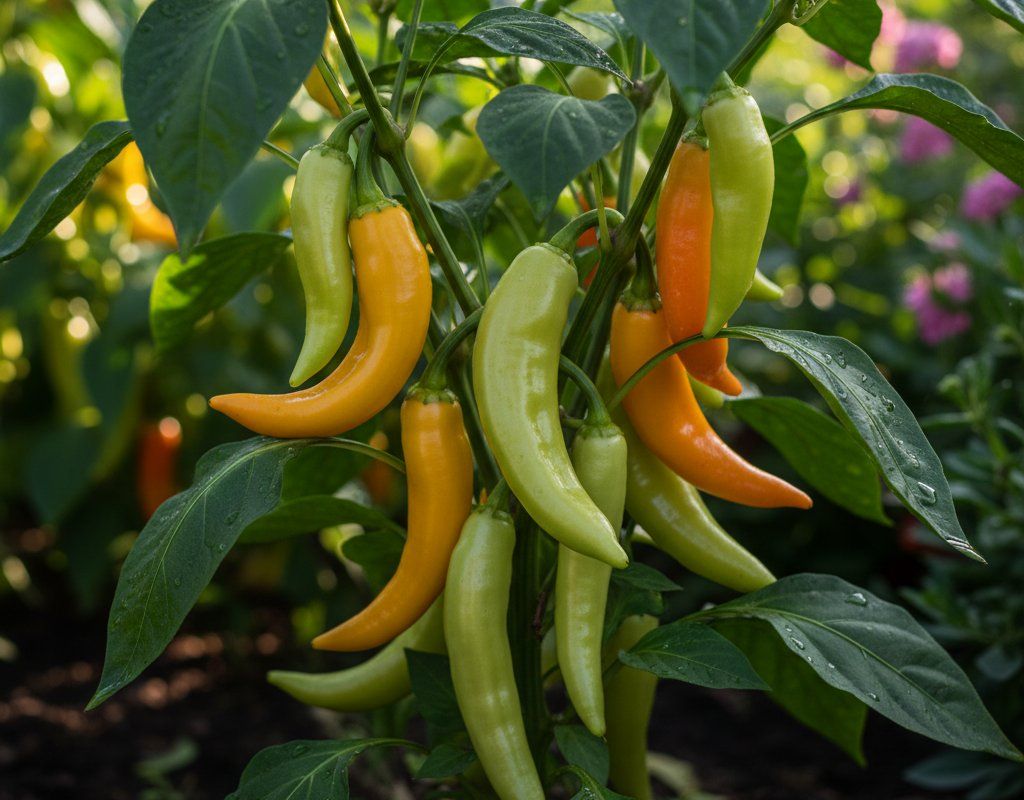
Banana Peppers in Zone 4A — Mountain West
Capsicum annuum · Your Complete 2026 Planting Guide
Planning Ahead — Great!
You’re ahead of the season. Here’s when to start.
Mark Your Calendar
How to Plant Banana Peppers in Zone 4A — Mountain West
Here are all your options for getting banana peppers in the ground, from the easiest method to more advanced approaches.
Start Seeds Indoors
RecommendedEarly to late April
around April 8
Then transplant: Early to late June
Start seeds 8-10 weeks before transplanting outdoors.
Buy Starts
Works WellEarly to late June
around June 3
Plant purchased starts after last frost (May 20).
Direct Sow Seeds
ChallengingDirect sowing is not typical for Banana Peppers.
Transplant Outdoors
Timing InfoEarly to late June
around June 3
Wait until nighttime temperatures stay above 50°F.
Plan to transplant within a few weeks of your target date.
Overview
Banana peppers are a fantastic addition to any Mountain West garden. Their mild, slightly sweet flavor makes them incredibly versatile in the kitchen, perfect for everything from pickling and roasting to adding a zesty kick to sandwiches. The satisfaction of harvesting your own sun-ripened peppers, intensified by our intense sunlight and cooled by our crisp nights, is truly rewarding.
While our high altitude, short growing season, and alkaline soil present unique challenges, starting your banana pepper plants indoors at the right time and providing a little extra care will ensure a bountiful harvest. With a 118-day growing season, timing is everything.
Starting Seeds Indoors
Starting your banana pepper seeds indoors is essential in our Zone 4A Mountain climate. Aim to sow your seeds indoors from early to late April, about eight weeks before you plan to transplant them outside. This head start is crucial to get a harvest before our early frosts arrive.
Use seed trays or small pots filled with a good quality seed-starting mix. Keep the soil consistently moist but not soggy; bottom watering is a great way to avoid damping off. Place the trays in a warm location, ideally around 75-80°F, and provide plenty of light. A sunny south-facing window might work, but supplemental grow lights will give you stronger, healthier seedlings, especially with our late spring start.
Remember, our spring weather can be variable, so be prepared to keep your seedlings indoors a bit longer if necessary.
Transplanting Outdoors
Transplant your banana pepper seedlings outdoors in early to late June, once the danger of frost has passed. Before transplanting, harden off your seedlings by gradually exposing them to outdoor conditions for about a week. Start with an hour or two of shade and slowly increase the amount of sun and wind they receive each day.
When transplanting, space your plants 18-24 inches apart in a sunny spot with well-drained soil. Be mindful of potential late-season frosts, which can happen even in June at our altitude. Keep an eye on the forecast and be prepared to cover your plants if necessary.
Watering Banana Peppers in Zone 4A (Mountain West)
Watering banana peppers in our dry Mountain West climate requires a bit of finesse. While they need consistent moisture, overwatering can be just as detrimental as underwatering. The key is to find the right balance for our arid conditions.
During the peak of summer, when temperatures are moderate-at-altitude, aim to water your banana pepper plants deeply about once or twice a week. Use the "finger test" to check the soil moisture: stick your finger about two inches deep into the soil. If it feels dry, it's time to water. Give them about 1-2 inches of water per week, delivered at the base of the plant to avoid wetting the foliage and minimizing disease issues in our low humidity.
Look for signs of underwatering, such as wilting leaves, or overwatering, such as yellowing leaves. A good layer of mulch around your plants will help retain moisture in the soil and regulate soil temperature, which is especially helpful given our intense sun.
Supporting Your Banana Peppers
While not strictly necessary, providing some support for your banana pepper plants is a good idea, especially considering how prolific they can be. The weight of the many long fruits can sometimes cause branches to break, so a little extra support goes a long way.
Light staking is often sufficient. Simply insert a sturdy stake near the base of the plant at planting time and gently tie the main stem to the stake using soft twine or plant ties. As the plant grows and the fruits develop, you can add additional ties as needed. Cages also work well, providing all-around support.
Pruning & Maintaining Banana Peppers
Pruning banana peppers is fairly straightforward. The most important thing is to pinch off any early flowers that appear before the plant is well-established. This encourages the plant to focus its energy on vegetative growth, resulting in a stronger, more productive plant later in the season.
Once the plant starts producing, regular harvesting is the best form of maintenance. Picking the peppers as they ripen encourages the plant to continue producing more fruit. As our first frost approaches around mid- September, remove any remaining flowers to encourage the plant to put its energy into ripening the existing peppers.
🧪Fertilizing Banana Peppers
Feeding Schedule
Organic Fertilizer Options
Harvest Time
Harvest time for banana peppers in our Zone 4A Mountain gardens typically arrives from mid August through mid September. Keep a close eye on your plants as this time approaches. Banana peppers are ready to harvest when they reach about 6-8 inches long and have a pale yellow-green color.
You can harvest them at any stage, from yellow to red, depending on your preference. To harvest, use sharp scissors or pruning shears to cut the pepper from the plant, leaving a small piece of stem attached. Avoid pulling the peppers off, as this can damage the plant.
Regular harvesting encourages continuous production throughout the season. As the first frost approaches, harvest any remaining peppers, even if they are not fully ripe. They will continue to ripen indoors if stored in a cool, dry place.
Common Problems in Zone 4A (Mountain West)
Even with the best care, banana peppers can sometimes encounter problems. Here are a few common issues we see in the Mountain West:
- Blossom Drop
- What it looks like: Flowers fall off without setting fruit, or small fruit yellows and drops. The plant looks healthy but produces no peppers.
- What causes it: Temperature stress is a big culprit. Hot days combined with cool nights can throw things off. Low humidity and poor pollination don't help either.
- How to fix/prevent it: Be patient; fruit set usually resumes when temperatures moderate. Provide afternoon shade during heat waves. Ensure consistent watering, and try hand-pollination.
- Aphids
- What it looks like: Clusters of tiny green, black, or white insects on stems and leaf undersides. Sticky honeydew residue and curled or distorted new growth.
- What causes it: Rapidly reproducing sap-sucking insects thrive in warm weather.
- How to fix/prevent it: A strong spray of water can knock them off. Encourage beneficial insects like ladybugs. Use insecticidal soap or neem oil for heavy infestations.
- Flea Beetles
- What it looks like: Tiny round holes (shot-hole pattern) in leaves, especially on young seedlings. Small dark beetles jump when disturbed.
- What causes it: These small jumping beetles feed on leaves, causing the most damage to young, vulnerable plants.
- How to fix/prevent it: Use row covers to protect seedlings. Delay planting until plants are larger and stronger. Neem oil spray can also help.
- Bacterial Spot
- What it looks like: Small, dark, water-soaked spots on leaves that eventually turn brown. Spots may have a yellow halo. Can also affect fruit, causing raised, scab-like lesions.
- What causes it: A bacterial disease that thrives in warm, humid conditions, although it can still occur in our drier climate, especially with overhead watering.
- How to fix/prevent it: Remove and destroy infected leaves. Avoid overhead watering to prevent the spread of the disease. Copper-based fungicides can help prevent further infection. Ensure good air circulation around plants.
Mountain West Specific Challenges: Our moderate-at-altitude heat and low humidity can be a mixed blessing for banana peppers. While the low humidity reduces the risk of fungal diseases, the dry air can exacerbate blossom drop if plants are not kept consistently watered. The intense UV radiation can also stress plants, so providing some afternoon shade during the hottest part of the day can be beneficial.
Best Companions for Banana Peppers
Plant these nearby for healthier Banana Peppers and better harvests.

Keep Away From

Companion Planting Details
Companion planting can be a great way to improve the health and productivity of your banana pepper plants in the Mountain West.
Good companions for banana peppers include:
- Tomatoes: They share similar growing requirements and can benefit from each other's presence.
- Basil: It repels many common pepper pests and is said to improve the flavor of the peppers.
- Carrots: Their feathery foliage can help deter flea beetles.
- Onions: They can help repel aphids and other pests.
Avoid planting banana peppers near:
- Fennel: It inhibits the growth of many plants, including peppers.
- Kohlrabi: It can stunt the growth of peppers.
🌸Best Flowers to Plant with Banana Peppers
These flowers protect your Banana Peppers from pests and attract pollinators for better harvests.
For Pest Control

Get a Reminder When It's Time to Plant
We'll email you when key planting windows open for your zone.