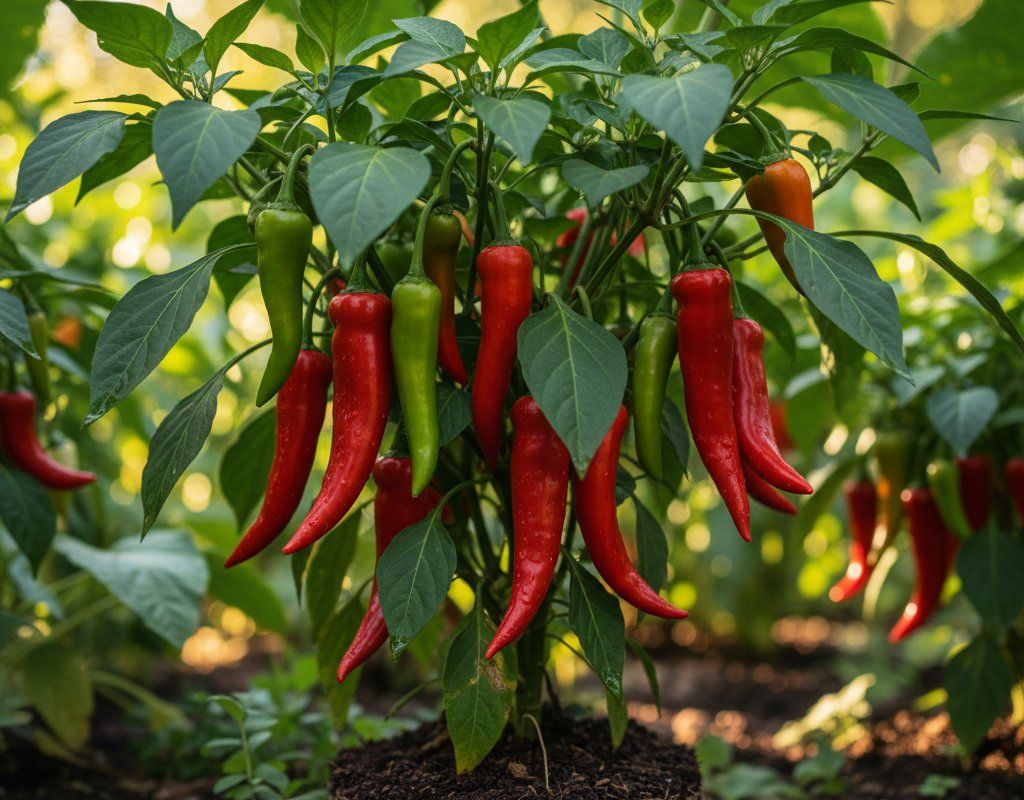
Cayenne Peppers in Zone 4B — Midwest
Capsicum annuum · Your Complete 2026 Planting Guide
Planning Ahead — Great!
You’re ahead of the season. Here’s when to start.
Mark Your Calendar
How to Plant Cayenne Peppers in Zone 4B — Midwest
Here are all your options for getting cayenne peppers in the ground, from the easiest method to more advanced approaches.
Start Seeds Indoors
RecommendedLate March through mid April
around March 29
Then transplant: Late May through late June
Start seeds 8-10 weeks before transplanting outdoors.
Buy Starts
Works WellLate May through late June
around May 24
Plant purchased starts after last frost (May 10).
Direct Sow Seeds
ChallengingDirect sowing is not typical for Cayenne Peppers.
Transplant Outdoors
Timing InfoLate May through late June
around May 24
Wait until nighttime temperatures stay above 50°F.
You have a nice window — no need to rush.
Overview
Growing Cayenne Peppers here in the Midwest is incredibly rewarding. Their spicy kick adds zing to our locally-grown dishes, and they're surprisingly versatile in everything from salsas to dry rubs. Plus, there's nothing quite like the satisfaction of harvesting a basketful of peppers you nurtured from tiny seeds right here in your own garden.
Our Midwest weather can be a bit unpredictable, with our variable spring and summer heat spells. But don't worry, with a little planning and attention to timing, you can absolutely grow a bumper crop of Cayenne Peppers within our roughly 138-day growing season.
Starting Seeds Indoors
Starting Cayenne Pepper seeds indoors is the way to go in the Midwest to give them a head start. You'll want to sow your seeds late March through mid April, about eight weeks before you plan to transplant them outside. This timing avoids any late frost concerns that our springs are known for.
Use seed trays or small pots filled with a good seed-starting mix. Keep them consistently warm, around 75-80°F, using a heat mat if needed. Make sure they get plenty of light, either from a sunny south-facing window or, better yet, a grow light. I've found bottom watering works best to keep the soil evenly moist without damping off.
Transplanting Outdoors
Transplanting your Cayenne Pepper seedlings outdoors is best done late May through late June, after the risk of frost has passed. Before planting, you'll need to harden them off by gradually exposing them to outdoor conditions for about a week. This helps them adjust to the sun and wind, preventing transplant shock.
Choose a sunny spot with well-drained, fertile soil. Space your plants about 18-24 inches apart to give them plenty of room to grow. Keep an eye on the forecast; even in late May, we can sometimes get an unexpected cool snap, so be ready to cover your plants if needed.
Watering Cayenne Peppers in Zone 4B (Midwest)
Cayenne Peppers need consistent moisture, but they don't like to be waterlogged, especially with our moderate-to-humid Midwest summers. Aim to provide about 1 inch of water per week, either from rainfall or supplemental watering. Stick your finger about 2 inches deep into the soil; if it feels dry, it's time to water.
Water at the base of the plant rather than overhead, especially in humid weather, to prevent fungal diseases. I generally water deeply every few days, rather than a little bit every day. As your peppers start to mature, you can slightly reduce watering to concentrate the heat and flavor.
Pay attention to your plants. Drooping leaves can be a sign of both underwatering and overwatering. Yellowing leaves can indicate overwatering. Mulching around your plants with straw or wood chips helps retain moisture and suppress weeds, which is especially helpful with our wet summers.
Supporting Your Cayenne Peppers
Cayenne Pepper plants can get quite tall and laden with peppers, so providing support is a good idea. Their upright growth habit can make them prone to leaning over. A simple stake works wonders.
Install the stake at planting time, driving it a few inches into the ground near the base of the plant. As the plant grows, gently tie the main stem to the stake with soft twine or plant ties. This will keep your plant upright and prevent the peppers from dragging on the ground.
Pruning & Maintaining Cayenne Peppers
Pruning Cayenne Peppers isn't strictly necessary, but it can encourage bushier growth and better fruit production. Pinch off any early flowers that appear before the plant is well-established. This directs the plant's energy into vegetative growth.
Throughout the season, you can also remove any yellowing or damaged leaves to improve air circulation. As late September approaches and our first frost looms, consider removing any new flowers to encourage the remaining peppers to ripen.
🧪Fertilizing Cayenne Peppers
Feeding Schedule
Organic Fertilizer Options
Harvest Time
You can expect your first Cayenne Pepper harvest early August through mid September, about 70 days after transplanting. The peppers are ready to pick when they're bright red, 4-6 inches long, and have a slight wrinkle on their skin. They should snap off easily at the stem.
Harvest regularly to encourage continued production. The more you pick, the more the plant will produce. As late September approaches and the risk of frost increases, harvest any remaining peppers, even if they're not fully red. They will continue to ripen indoors in a warm, well-lit spot.
Cayenne Peppers are continuous harvest plants, meaning you can keep picking them as they ripen throughout the season. Even after the first frost, you can often extend the harvest by covering the plants with a blanket or frost cloth on cold nights.
Common Problems in Zone 4B (Midwest)
Blossom Drop
- What it looks like: Flowers fall off without setting fruit. Small fruit yellows and drops. The plant looks healthy otherwise.
- What causes it: Temperature stress, particularly high nighttime temperatures (above 75°F) or daytime temperatures exceeding 95°F, which we sometimes get during our summer heat spells. Low humidity, excess nitrogen, or poor pollination can also contribute.
- How to fix/prevent it: Be patient; fruit set usually resumes when temperatures moderate. Provide afternoon shade during extreme heat. Keep plants well-watered, but avoid over-fertilizing with nitrogen. Try hand-pollination during periods of low humidity.
Aphids
- What it looks like: Clusters of tiny, soft-bodied insects (green, black, or white) on stems and leaf undersides. Sticky honeydew residue and curled or distorted new growth.
- What causes it: Rapidly reproducing sap-sucking insects. Populations explode in warm weather. Ant colonies may farm them for honeydew.
- How to fix/prevent it: A strong spray of water can knock them off. Encourage natural predators like ladybugs and lacewings. Use insecticidal soap for heavy infestations. Neem oil can also be effective. Avoid excess nitrogen fertilizer, as it attracts aphids.
Pepper Weevils
- What it looks like: Small, dark snout beetles. Tiny holes in pepper pods. Larvae feed inside the peppers, causing them to drop prematurely.
- What causes it: These weevils are attracted to pepper plants. They lay eggs inside the pods, and the larvae feed on the developing seeds.
- How to fix/prevent it: Inspect plants regularly for signs of weevils. Handpick and destroy any you find. Use sticky traps to catch adults. Apply insecticides labeled for pepper weevils, following label instructions carefully. Crop rotation can also help reduce weevil populations.
Bacterial Spot
- What it looks like: Small, dark, water-soaked spots on leaves, stems, and fruit. Spots may have a yellow halo. Lesions can merge and cause leaf drop. Infected fruit may be deformed and unmarketable.
- What causes it: A bacterial disease that thrives in warm, humid conditions, which we often experience during our wet summers. Spread by splashing water, contaminated tools, and infected seeds.
- How to fix/prevent it: Use disease-free seeds. Avoid overhead watering. Improve air circulation by spacing plants properly. Remove and destroy infected plant parts. Apply copper-based fungicides as a preventative measure, following label instructions.
Midwest Specific Challenges: Our moderate-to-hot summers with moderate-to-humid humidity and wet-summer rainfall create ideal conditions for fungal diseases and pest infestations. Monitor your plants regularly and take action quickly to prevent problems from escalating. Summer heat spells can also cause blossom drop, so be prepared to provide shade during extreme heat.
Best Companions for Cayenne Peppers
Plant these nearby for healthier Cayenne Peppers and better harvests.

Keep Away From

Companion Planting Details
Good companions for Cayenne Peppers include tomatoes, basil, carrots, and onions. Tomatoes provide shade and support, while basil repels pests and improves flavor. Carrots loosen the soil and deter nematodes, and onions deter aphids and other pests.
Avoid planting Cayenne Peppers near fennel or kohlrabi. Fennel inhibits the growth of many plants, including peppers. Kohlrabi can attract pests that also attack peppers. By choosing the right companions, you can create a thriving ecosystem in your garden that benefits your Cayenne Peppers and other plants.
🌸Best Flowers to Plant with Cayenne Peppers
These flowers protect your Cayenne Peppers from pests and attract pollinators for better harvests.
For Pest Control

Get a Reminder When It's Time to Plant
We'll email you when key planting windows open for your zone.