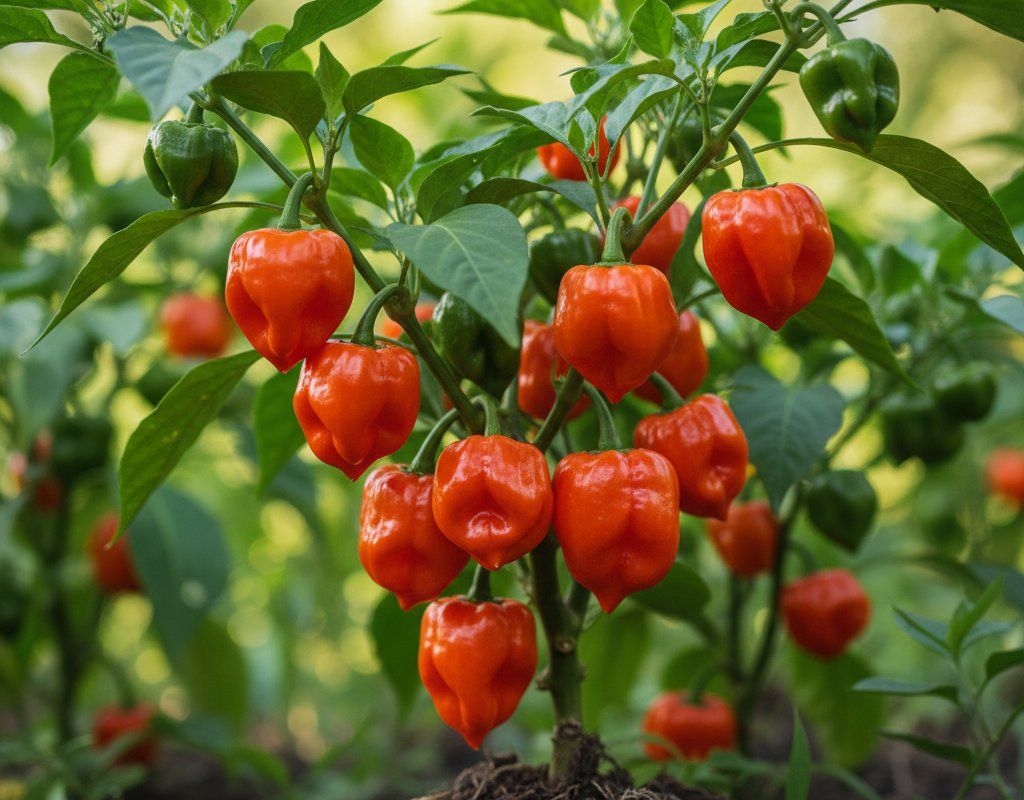
Habanero Peppers in Zone 4A — Northeast
Capsicum chinense · Your Complete 2026 Planting Guide
Planning Ahead — Great!
You’re ahead of the season. Here’s when to start.
Mark Your Calendar
How to Plant Habanero Peppers in Zone 4A — Northeast
Here are all your options for getting habanero peppers in the ground, from the easiest method to more advanced approaches.
Start Seeds Indoors
RecommendedMid March through early April
around March 27
Then transplant: Early June
Start seeds 10-12 weeks before transplanting outdoors.
Super-hot peppers are extra slow. Start 10-12 weeks early.
Buy Starts
Works WellEarly June
around June 5
Plant purchased starts after last frost (May 15).
Direct Sow Seeds
ChallengingDirect sowing is not typical for Habanero Peppers.
Transplant Outdoors
Timing InfoEarly June
around June 5
Wait until nighttime temperatures stay above 50°F.
Plan to transplant within a few weeks of your target date.
Overview
Habanero peppers bring a unique, fruity heat to your Northeastern kitchen. They're fantastic in salsas, hot sauces, and even infused into vinegars for a fiery kick. Growing them yourself, despite our short growing season, is incredibly rewarding, letting you control the heat level and enjoy fresh flavor you just can't find in store-bought peppers.
Our Northeast climate, with its 128-day growing season and potential for late spring and early fall frosts, presents a challenge. But with careful timing and a little planning, you can absolutely harvest a bumper crop of habaneros before the first frost threatens in mid-September.
Starting Seeds Indoors
Starting habanero peppers indoors is essential in the Northeast to get a head start. You’ll want to sow your seeds mid-March through early April, giving them about 10 weeks indoors before transplanting. These super-hot peppers are notoriously slow to germinate and mature, so starting early is key.
Use seed trays or small pots filled with a good seed-starting mix. Keep the soil consistently moist (bottom watering works great!), and provide warmth using a heat mat. Once seedlings emerge, they need plenty of light – a grow light is highly recommended, especially with our often-cloudy late springs.
Remember, our springs here in the Northeast can be fickle. A late frost can set you back, so patience is key. Don't rush to put those seedlings outside!
Transplanting Outdoors
Transplant your habanero pepper seedlings outdoors in early June, once all danger of frost has passed. Before planting, harden them off by gradually exposing them to outdoor conditions for about a week. This prevents transplant shock.
Choose a sunny spot with well-drained soil, spacing plants 18-24 inches apart. Even in June, we can still get some cool nights, so consider using row covers for the first couple of weeks to provide extra warmth and protection, especially if a cold snap is predicted.
Watering Habanero Peppers in Zone 4A (Northeast)
Habanero peppers need consistent moisture, but they don’t like to be waterlogged. In our Northeast climate, with moderate heat and humidity, aim for about 1 inch of water per week, either from rainfall or irrigation. The finger test is your best guide: stick your finger about 2 inches deep into the soil. If it feels dry, it's time to water.
Water at the base of the plant to avoid wetting the foliage, which can encourage fungal diseases in our moderately humid environment. Avoid using very cold water, as peppers are sensitive to it; room-temperature water is best.
Signs of underwatering include wilting leaves and slow growth. Overwatering can lead to yellowing leaves and root rot. A layer of mulch around the base of the plants will help retain moisture and regulate soil temperature.
Supporting Your Habanero Peppers
While habanero pepper plants are relatively compact, the heavy fruit load can cause them to topple over, especially during windy weather. Providing support is a good idea.
Staking is the easiest method: insert a sturdy stake near the plant at planting time and gently tie the main stem to the stake as it grows. Tomato cages also work well, offering all-around support.
Pruning & Maintaining Habanero Peppers
Habanero peppers benefit from a little strategic pruning. Pinch off any early flowers that appear before the plant is a foot tall. This encourages the plant to focus on vegetative growth, resulting in a stronger plant and a bigger harvest later in the season.
As the season progresses, avoid excessive pruning, as the leaves provide shade that protects the peppers from sunscald. Towards the end of the season, around mid-September, you can remove any new flowers that won't have time to mature before the first frost. This directs the plant's energy into ripening existing peppers.
🧪Fertilizing Habanero Peppers
Feeding Schedule
Organic Fertilizer Options
Harvest Time
You can expect your first harvest of habanero peppers in early to mid-September, depending on the specific variety and the weather conditions. Ripe habaneros will be a bright orange (or red/chocolate depending on the variety), firm to the touch, and have a waxy sheen.
Use pruning shears or scissors to cut the peppers from the plant, leaving a small piece of stem attached. Avoid pulling them off, as this can damage the plant. Harvest regularly to encourage continued production.
As the first frost approaches in mid-September, harvest any remaining peppers, even if they aren't fully ripe. Green habaneros will still ripen indoors if placed in a paper bag with a banana or apple.
Common Problems in Zone 4A (Northeast)
Here are some common problems you might encounter growing habanero peppers in the Northeast:
Slow Germination
- What it looks like: Seeds take longer than expected to sprout, or don't sprout at all.
- What causes it: Cool soil temperatures are often the culprit. Habaneros need warmth to germinate, and our Northeast springs can be slow to warm up.
- How to fix/prevent it: Use a heat mat under your seed trays. Ensure consistent soil moisture. Be patient – habaneros can be slow!
Blossom Drop
- What it looks like: Flowers fall off the plant without setting fruit. Small fruits turn yellow and drop.
- What causes it: Temperature stress, often due to nights that stay too warm.
- How to fix/prevent it: Be patient – fruit set usually resumes when temperatures moderate. Keep plants well-watered.
Aphids
- What it looks like: Clusters of tiny green, black, or white insects on stems and leaf undersides. Sticky residue (honeydew).
- What causes it: Rapidly reproducing sap-sucking insects. Populations can explode during warm spells.
- How to fix/prevent it: Strong water spray to knock them off. Encourage beneficial insects like ladybugs. Insecticidal soap for heavy infestations.
Sunscald
- What it looks like: White, papery patches on fruit exposed to direct sun.
- What causes it: Intense sunlight on fruit, usually after leaves are removed or lost.
- How to fix/prevent it: Don't over-prune foliage. Use shade cloth during heat waves. Maintain healthy foliage.
Northeast Specific Challenges: Our moderate heat, moderate-to-humid humidity, and even rainfall generally favor pepper growth, but blossom drop can occur during the hottest stretches. Consistent monitoring and proactive measures are key to a successful harvest.
Best Companions for Habanero Peppers
Plant these nearby for healthier Habanero Peppers and better harvests.

Keep Away From

Companion Planting Details
Companion planting can benefit your habanero peppers in the Northeast.
- Tomatoes: They enjoy similar growing conditions, and tomatoes can offer some shade to peppers during the hottest part of the day, preventing sunscald.
- Basil: Basil repels some common pepper pests like aphids and whiteflies.
- Carrots: Carrots loosen the soil, improving drainage, which is especially helpful in our sometimes rocky New England soil.
- Onions: Onions also deter certain pests and can improve the overall health of your pepper plants.
Avoid planting fennel and kohlrabi near your habanero peppers. Fennel inhibits the growth of many plants, and kohlrabi can stunt the growth of peppers.
🌸Best Flowers to Plant with Habanero Peppers
These flowers protect your Habanero Peppers from pests and attract pollinators for better harvests.
For Pest Control

Get a Reminder When It's Time to Plant
We'll email you when key planting windows open for your zone.