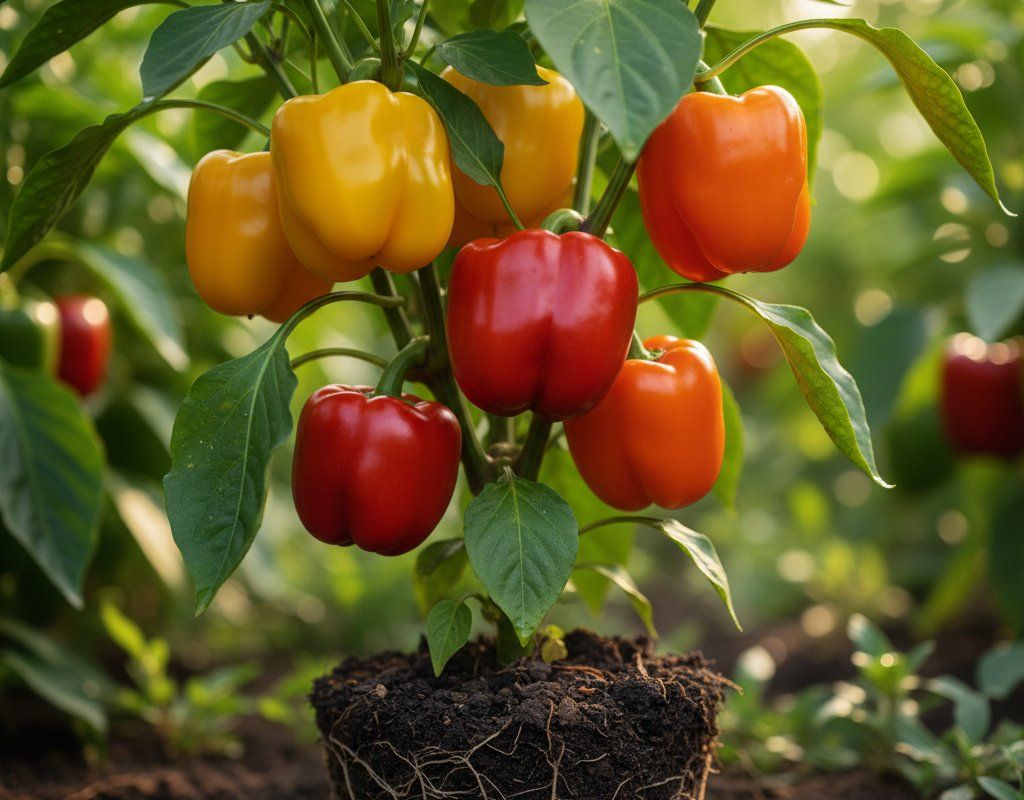
Sweet Peppers in Zone 7A — Southeast
Capsicum annuum · Your Complete 2026 Planting Guide
Missed Seed Starting? No Problem!
Wait for starts to become available.
What to Do
Starts will be available at nurseries in 35 days (around April 8).
How to Plant Sweet Peppers in Zone 7A — Southeast
Here are all your options for getting sweet peppers in the ground, from the easiest method to more advanced approaches.
Start Seeds Indoors
RecommendedEarly to late February
around February 11
Then transplant: Early April through early May
Start seeds 8-10 weeks before transplanting outdoors.
Buy Starts
Works WellEarly April through early May
around April 8
Plant purchased starts after last frost (March 25).
Direct Sow Seeds
ChallengingDirect sowing is not typical for Sweet Peppers.
Transplant Outdoors
Timing InfoEarly April through early May
around April 8
Wait until nighttime temperatures stay above 50°F.
You have a nice window — no need to rush.
Overview
Sweet peppers are a fantastic addition to any Southeast garden. Their sweet, mild flavor makes them incredibly versatile in the kitchen, and there's nothing quite like the satisfaction of harvesting your own colorful peppers after our long summer. Plus, they thrive in our hot and humid climate, giving you a productive and rewarding crop.
While the Southeast's humidity and occasional disease pressure can be a challenge, the long 225-day growing season gives you plenty of time to get your sweet peppers off to a strong start. With a little planning and attention, you can enjoy a bountiful harvest.
Starting Seeds Indoors
Starting sweet pepper seeds indoors in early to late February gives them a head start before our moderate spring weather arrives. This is about 8 weeks before you intend to transplant them outdoors. Use seed trays or small pots filled with a good quality seed starting mix.
Keep the trays consistently warm, ideally around 75-80°F, using a heat mat if needed. Provide plenty of light with grow lights positioned a few inches above the seedlings. Bottom watering is ideal; set the tray in a shallow pan of water and let the soil soak it up to avoid damping off.
Transplanting Outdoors
Transplant your sweet pepper seedlings outdoors from early April through early May, after the danger of frost has passed. Before transplanting, be sure to harden off your seedlings by gradually exposing them to outdoor conditions for about a week. Start with a few hours of shade and increase the time and sun exposure each day.
Space your pepper plants 18-24 inches apart in well-drained soil. Keep an eye on the weather forecast as you're transplanting. Those early spring afternoon thunderstorms can be tough on tender seedlings, so protect them if heavy rain is expected.
Watering Sweet Peppers in Zone 7A (Southeast)
Consistent watering is key to growing plump, sweet peppers in the Southeast. Our summers are hot and humid, but even with regular rainfall, you need to make sure your pepper plants get enough water, especially when they're setting fruit. Aim for about 1-2 inches of water per week, either from rain or irrigation.
Stick your finger about 2 inches deep into the soil; if it feels dry, it's time to water. Water at the base of the plant to avoid wetting the foliage, which can encourage fungal diseases in our humid climate.
During the hottest part of the summer, you might need to water more frequently. Signs of underwatering include wilting leaves and slow growth, while yellowing leaves and root rot can indicate overwatering. Mulching around your pepper plants with straw or pine straw helps retain moisture and suppress weeds, which is important in our long growing season.
Supporting Your Sweet Peppers
While not always necessary, providing support for your sweet pepper plants can be beneficial, especially for heavier-fruiting varieties. As they grow, the weight of the peppers can cause branches to break, especially after a heavy afternoon thunderstorm.
Staking is a simple and effective option. Insert a sturdy stake near each plant at planting time and gently tie the main stem to the stake as it grows. Tomato cages also work well, providing all-around support.
Pruning & Maintaining Sweet Peppers
Pinching off the first few flowers that appear on your sweet pepper plants encourages them to focus their energy on developing a strong root system and leafy growth. This ultimately leads to higher yields later in the season.
Simply snip off the flowers as soon as you see them. As the growing season winds down in late October, you can remove any new flowers that form to encourage the plant to ripen any remaining fruit before our first frost in early November.
🧪Fertilizing Sweet Peppers
Feeding Schedule
Organic Fertilizer Options
Harvest Time
You can expect your first sweet pepper harvest from mid June through late July, about 65 days after transplanting. Look for peppers that have reached their full size and color for the variety you're growing. They'll also feel firm to the touch.
Use pruning shears or a sharp knife to cut the peppers from the plant, leaving a short piece of stem attached. Regular harvesting encourages the plant to continue producing more peppers.
As the weather cools in the fall, keep an eye on the forecast. If a frost is predicted, harvest any remaining peppers, even if they're not fully ripe. They will continue to ripen indoors in a warm location.
Common Problems in Zone 7A (Southeast)
Sweet peppers are generally easy to grow, but here are a few common problems you might encounter in the Southeast:
- Blossom Drop
- What it looks like: Flowers fall off without setting fruit. Small fruit yellows and drops.
- What causes it: Temperature stress is the main culprit. Our hot summer days and warm nights (especially when the nights stay above 75°F) can prevent fruit set.
- How to fix/prevent it: Be patient; fruit set usually resumes when temperatures moderate. Provide afternoon shade with shade cloth during the hottest part of the day. Keep plants well-watered.
- Aphids
- What it looks like: Clusters of tiny green, black, or white insects on stems and leaf undersides. Sticky honeydew residue.
- What causes it: These sap-sucking insects thrive in our warm, humid weather.
- How to fix/prevent it: A strong spray of water from the hose can knock them off. Encourage beneficial insects like ladybugs. Use insecticidal soap or neem oil for heavy infestations.
- Sunscald
- What it looks like: White, papery patches on fruit exposed to direct sun.
- What causes it: Intense sunlight, often after leaves are lost to disease or over-pruning.
- How to fix/prevent it: Avoid over-pruning. Use shade cloth during extreme heat. Maintain healthy foliage to shade the fruit.
- Blossom End Rot
- What it looks like: A sunken, dark brown or black leathery patch on the bottom of the fruit.
- What causes it: Calcium deficiency due to inconsistent watering. Common with our clay soil and fluctuating rainfall.
- How to fix/prevent it: Water consistently, especially during dry spells. Mulch heavily to maintain even soil moisture.
Southeast Specific Challenges: The hot, humid summers and frequent afternoon thunderstorms in the Southeast can increase the risk of fungal diseases on sweet peppers. Good air circulation, proper watering practices, and disease-resistant varieties can help mitigate these problems. Also, keep an eye out for Japanese beetles; they can quickly defoliate your pepper plants.
Best Companions for Sweet Peppers
Plant these nearby for healthier Sweet Peppers and better harvests.


Keep Away From

Companion Planting Details
Companion planting can help your sweet peppers thrive.
Good companions include tomatoes, basil, carrots, onions, and spinach. Tomatoes provide some shade, protecting peppers from sunscald. Basil repels pests like aphids and whiteflies, and onions and carrots deter soil-borne pests. Spinach, planted early in the season, can act as a ground cover, suppressing weeds and retaining moisture.
Avoid planting sweet peppers near fennel, kohlrabi, or other brassicas. Fennel inhibits the growth of many plants, and brassicas like cabbage and broccoli can attract pests that also affect peppers.
🌸Best Flowers to Plant with Sweet Peppers
These flowers protect your Sweet Peppers from pests and attract pollinators for better harvests.
For Pest Control

Get a Reminder When It's Time to Plant
We'll email you when key planting windows open for your zone.