
Petunia in Zone 4B — Midwest
Petunia × hybrida · Your Complete 2026 Planting Guide
Planning Ahead — Great!
You’re ahead of the season. Here’s when to start.
Mark Your Calendar
How to Plant Petunia in Zone 4B — Midwest
Here are all your options for getting petunia in the ground, from the easiest method to more advanced approaches.
Buy Starts
RecommendedLate May through late June
around May 24
Plant purchased starts after last frost (May 10).
Petunias are slow from seed. Buy starts for easiest results.
Start Seeds Indoors
Works WellEarly to late March
around March 15
Then transplant: Late May through late June
Start seeds 10-12 weeks before transplanting outdoors.
Direct Sow Seeds
ChallengingDirect sowing is not typical for Petunia.
Transplant Outdoors
Timing InfoLate May through late June
around May 24
Wait until nighttime temperatures stay above 50°F.
You have a nice window — no need to rush.
Overview
Petunias are worth growing in the Midwest for their vibrant color and long bloom season. They thrive in our fertile soil and soak up the summer sunshine, providing a cheerful display from midsummer until frost. Plus, they're incredibly versatile, working equally well in containers, hanging baskets, and garden beds, bringing beauty to any space.
We know Midwest weather can be unpredictable, with late frosts in spring and occasional summer heat spells. But with a little planning and attention to timing, you can easily enjoy a profusion of petunia blooms throughout our 138-day growing season. Starting seeds indoors at the right time or buying starts from a local nursery are key to success.
Starting Seeds Indoors
Starting petunias from seed indoors is possible, but it requires patience. If you are dedicated to seed starting, begin in early to late March, about 10 weeks before you intend to transplant them outdoors. Petunias are slow growers, so starting early is crucial to get a jump on our relatively short Midwest growing season.
Use seed trays with a good seed-starting mix and provide consistent warmth and bright light – a grow light is almost essential. Bottom watering is a great way to keep the soil consistently moist without disturbing the tiny seeds. Remember, our springs can be variable, so watch for late frost even after the average last frost date.
Transplanting Outdoors
Transplant your petunias outdoors from late May through late June, after the danger of frost has passed. Before transplanting, harden them off by gradually exposing them to outdoor conditions for about a week. This helps them adjust to the Midwest's unpredictable spring weather.
Plant them 10-12 inches apart in a sunny spot with well-drained soil. Honestly, though, for the easiest results, consider buying petunia starts from a local garden center. It's a common approach here in the Midwest, giving you a head start and ensuring healthy, blooming plants.
Watering Petunia in Zone 4B (Midwest)
Petunias need moderate watering, but it's important to get it right, especially in the Midwest's often humid summers. Container petunias will need daily watering, especially during summer heat spells. Garden-planted petunias are less demanding, but still need attention.
A good rule of thumb is to check the soil moisture about 2 inches deep – the "finger test." If it feels dry, it's time to water. Aim for about 1 inch of water per week, either from rainfall or supplemental watering. It's generally best to water at the base of the plants to avoid wetting the foliage, which can encourage fungal diseases in our humid climate.
Signs of underwatering include wilting and dry, crispy leaves. Overwatering can lead to yellowing leaves and root rot. A layer of mulch around the base of the plants helps retain moisture and keeps the soil cool during those hot summer days.
Pruning & Maintaining Petunia
Regular pruning, specifically deadheading, is essential for keeping your petunias blooming all season long. Pinch off or cut back any leggy stems by about half in midsummer to encourage bushier growth and more flowers.
Focus on removing spent blooms by pinching or cutting them off just below the flower head. Leaving the faded flowers on the plant will signal it to stop producing new blooms. As the end of the season approaches (late September, with the first frost), you can let the plants go to seed if you wish, or simply remove them after the first hard frost.
🧪Fertilizing Petunia
Feeding Schedule
Organic Fertilizer Options
Harvest Time
Petunias are grown for their beautiful blooms, so there's no real "harvest" in the traditional sense. Instead, the harvest is the continuous enjoyment of their vibrant colors in your garden or containers from late July through early September. They should bloom about 60 days after planting.
The key to a long-lasting display is consistent deadheading. Removing spent flowers encourages the plant to produce more blooms, ensuring a continuous show of color. If you want to save seeds, allow a few flowers to dry completely on the plant, then collect the seeds from the dried pods.
As the first frost approaches in late September, you can either bring your container petunias indoors to try and overwinter them (though this is not always successful) or simply enjoy their last blooms before they succumb to the cold.
Common Problems in Zone 4B (Midwest)
Here are three common problems you might encounter with petunias in the Midwest:
Tobacco Budworm
- What it looks like: Small, green caterpillars that bore into buds and flowers, leaving behind holes and damaged petals.
- What causes it: Moths lay eggs on the plants, and the larvae hatch and feed on the developing buds.
- How to fix/prevent it: Inspect plants regularly for caterpillars. Handpick them off or use Bacillus thuringiensis (Bt), a biological insecticide.
Botrytis in Wet Weather
- What it looks like: Gray, fuzzy mold on flowers, leaves, and stems. Can cause rotting and collapse of plant parts.
- What causes it: Fungal disease that thrives in humid conditions and wet foliage. Common during our wet-summer rainfall.
- How to fix/prevent it: Improve air circulation by spacing plants properly. Water at the base of the plants to avoid wetting the foliage. Remove and destroy infected plant parts promptly.
Leggy Stems
- What it looks like: Long, bare stems with few leaves and flowers, giving the plant a sparse and unattractive appearance.
- What causes it: Insufficient sunlight, overcrowding, or lack of pruning.
- How to fix/prevent it: Ensure plants receive at least 6-8 hours of sunlight per day. Pinch back leggy stems by half to encourage bushier growth.
Midwest Specific Challenges: The combination of moderate-to-hot heat and moderate-to-humid humidity in the Midwest can create favorable conditions for fungal diseases like botrytis. Monitor your plants closely, especially after periods of heavy rain, and take steps to improve air circulation to prevent problems.
Best Companions for Petunia
Plant these nearby for healthier Petunia and better harvests.
View Full Companion Planting Chart →


Companion Planting Details
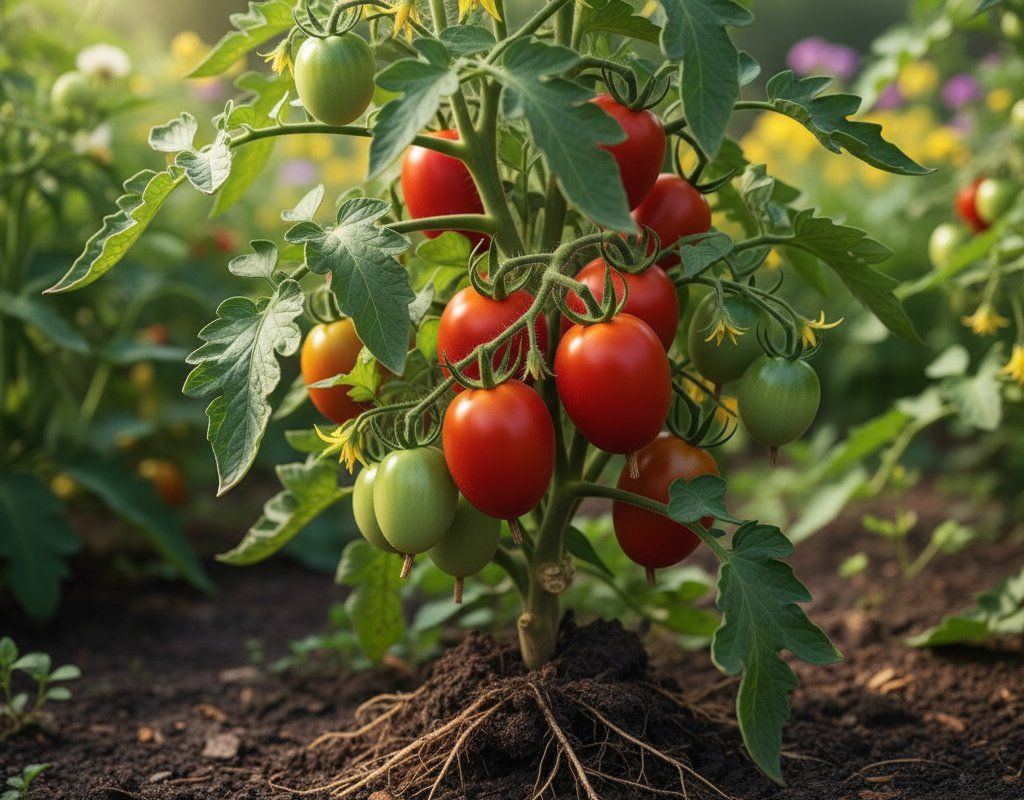
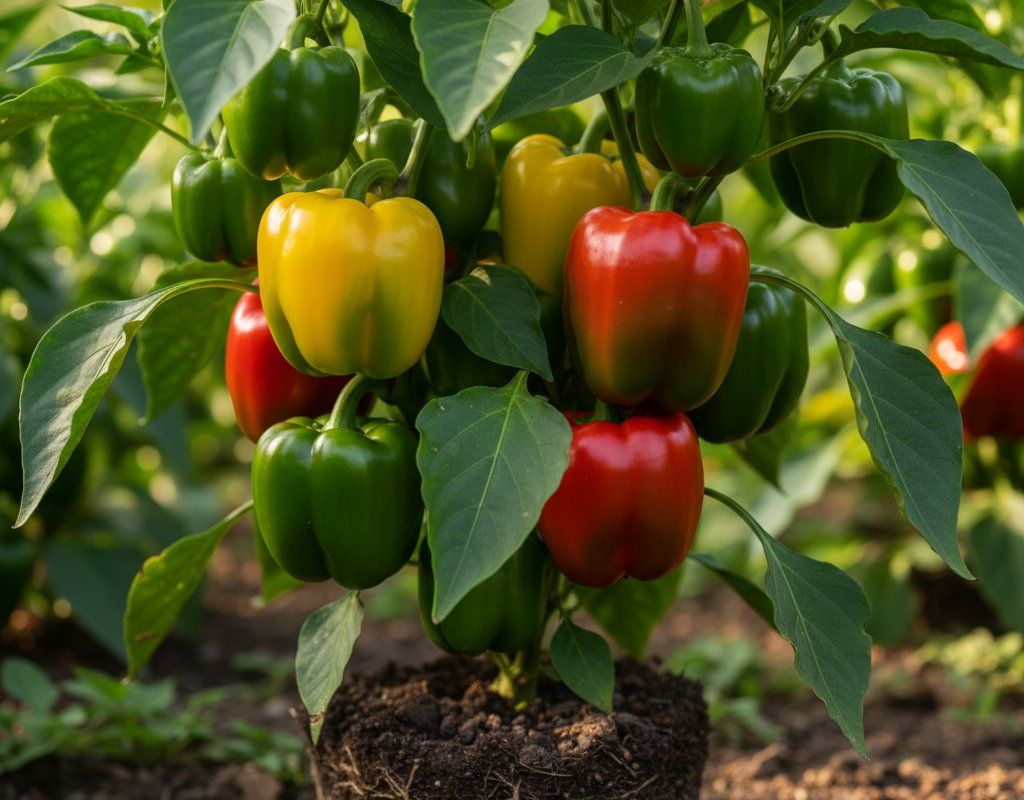
Good companions for petunias in the Midwest include tomatoes, peppers, green beans, and squash. Tomatoes and peppers benefit from the petunias attracting beneficial insects that can help control pests. Green beans fix nitrogen in the soil, which can benefit the petunias. Squash provides ground cover, helping to retain moisture and suppress weeds, which can reduce competition for resources.
Avoid planting petunias near plants that are prone to fungal diseases, as this can increase the risk of spreading diseases to the petunias.
🥬Best Vegetables to Pair With Petunia
Petunia benefits these vegetables through pest control, pollinator attraction, or improved garden health.




Get a Reminder When It's Time to Plant
We'll email you when key planting windows open for your zone.