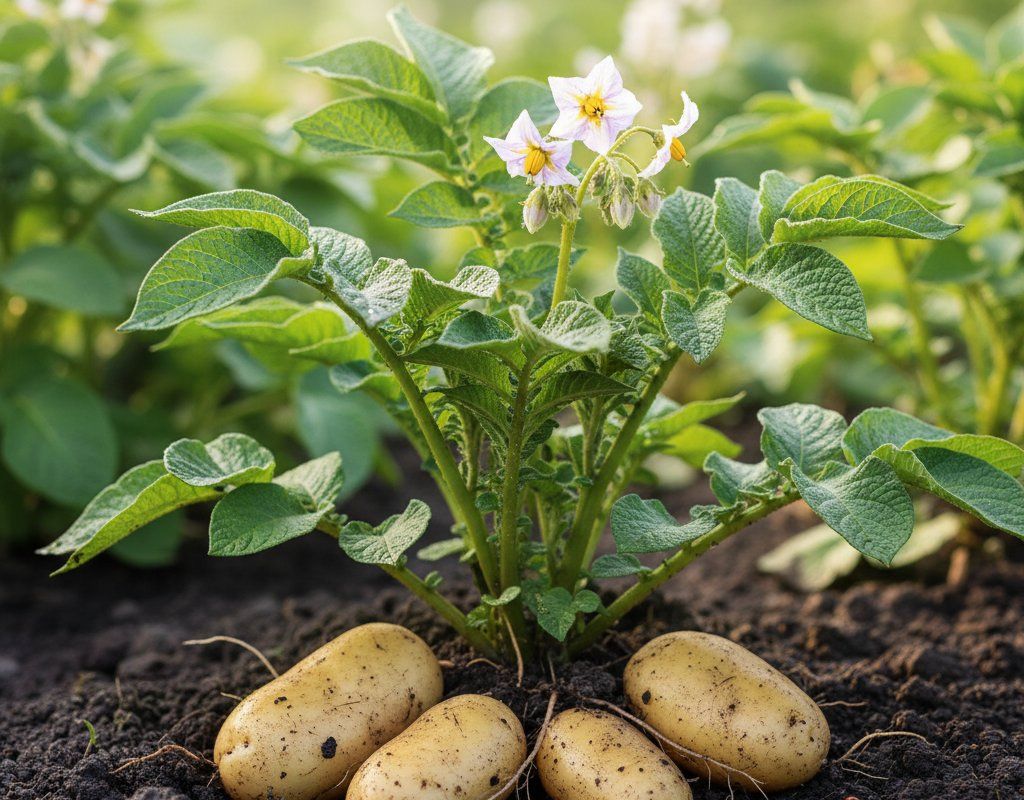
Potato in Zone 10A — Southern California
Solanum tuberosum · Your Complete 2026 Planting Guide
Still Time to Sow!
The sowing window is still open for Potato.
Sow Seeds Soon
Plant seed potatoes directly in the ground. Not grown from true seed.
How to Plant Potato in Zone 10A — Southern California
Here are all your options for getting potato in the ground, from the easiest method to more advanced approaches.
Direct Sow Seeds
RecommendedEarly January through mid September
around January 1
Consider succession planting every 2-3 weeks for continuous harvest.
Plant seed potatoes directly in the ground. Not grown from true seed.
Buy Starts
Works WellEarly to late January
around January 1
Plant purchased starts after last frost (January 15).
Start Seeds Indoors
ChallengingThis plant is typically not started indoors.
Transplant Outdoors
Timing InfoEarly to late January
around January 1
Can tolerate light frost, but wait for soil to be workable.
Plan to transplant within a few weeks of your target date.
Overview
Growing your own potatoes in Southern California gives you access to varieties you'll never find in stores—from buttery fingerlings to purple-fleshed beauties that taste nothing like the bland russets at the supermarket. Our mild winters and year-round growing season mean you can plant potatoes when most of the country is buried under snow, giving you a huge head start on fresh, homegrown spuds.
While our hot summers and occasional water restrictions present challenges for potato growing, proper timing makes all the difference. With our 349-day growing season, you have flexibility to plant when conditions are most favorable and avoid the worst heat stress that can affect tuber development.
Transplanting Outdoors
Transplanting seed potatoes isn't the typical method—potatoes are usually planted directly as cut tuber pieces. However, if you've started potato plants from true seed indoors (rare but possible), transplant them outdoors from early to late January when our mild winter temperatures provide ideal growing conditions.
Harden off any seedlings gradually over a week, bringing them outside for increasing periods daily. Our January weather can still surprise with occasional cold snaps or Santa Ana wind events that stress young plants.
Space transplants 12 inches apart in well-prepared soil. Plant them at the same depth they were growing in their containers, and hill soil around the stems as they grow to encourage more potato formation along the buried stem.
Direct Sowing
Plant seed potato pieces directly in the ground from early January through mid-September, though timing depends heavily on your specific microclimate. Coastal areas stay cooler longer, while inland valleys heat up fast—adjust your planting window accordingly.
Cut seed potatoes into pieces with at least two "eyes" each, letting cut surfaces dry for 24-48 hours before planting. This curing prevents rot in our sometimes-damp winter soil. Plant pieces 4 inches deep and 12 inches apart, with cut side down and eyes facing up.
Your best success comes from planting in late winter through early spring when soil temperatures hover between 45-55°F. Summer plantings work for fall harvest, but you'll need consistent watering through our hot, dry season. Hill soil around emerging stems every few weeks to keep developing tubers covered and prevent them from turning green.
Watering Potato in Zone 10A (Southern California)
Potatoes need consistent moisture but hate waterlogged soil—a tricky balance in Southern California where we get most rainfall in winter but grow potatoes year-round. During our typical winter-wet season, natural rainfall often provides enough water, but you'll need to supplement during dry spells.
Once summer heat kicks in, potatoes need about 1-2 inches of water per week, applied deeply but infrequently. Water at soil level rather than overhead to prevent disease issues, especially important during our low-to-moderate humidity conditions. Use the finger test: stick your finger 2 inches into soil near plants—if it's dry, it's time to water.
Pay special attention during flowering, when tubers are forming underground. This is when consistent moisture matters most for good potato development. However, reduce watering about 2 weeks before harvest to prevent tubers from rotting in soggy soil.
Mulch around plants with straw or shredded leaves to retain moisture during our long dry season and keep soil temperatures cooler. This also helps suppress weeds and makes hilling easier as plants grow.
🧪Fertilizing Potato
Feeding Schedule
Organic Fertilizer Options
Harvest Time
Expect your first harvest from early April through early January, depending on planting time and variety. Early plantings in winter will be ready by late spring, while summer plantings mature in fall and early winter—perfect timing to avoid our hottest weather.
For new potatoes, harvest when plants begin flowering, usually around 60-70 days after planting. These thin-skinned beauties are perfect for immediate eating but won't store well. Dig carefully around plants to harvest a few tubers while leaving the rest to mature.
For storage potatoes, wait until foliage dies back completely, usually around 90 days from planting. The dying tops signal that tubers have reached full size and developed thicker skins for storage. Dig on a dry day, brushing off soil but not washing—let them cure in a cool, dark place for a week before storing.
Since our first frost doesn't typically arrive until late December, you often have extra time for late-season harvests. However, if Santa Ana winds or unusual heat threaten, harvest early rather than risk damage to your crop.
Common Problems in Zone 10A (Southern California)
Colorado Potato Beetle: These striped orange and black beetles and their reddish larvae can strip potato plants bare in days. You'll see distinctive yellow egg masses on leaf undersides, followed by holes chewed through leaves. While less common in Southern California than in other regions, they can still appear, especially on plants stressed by heat or inconsistent watering. Hand-pick beetles and egg masses daily, dropping them in soapy water. Beneficial insects like ladybugs help control populations naturally.
Late Blight: Large, dark green-gray water-soaked spots appear on leaves, with white fuzzy growth on undersides during humid conditions. This devastating disease spreads rapidly in cool, wet weather and can destroy entire plantings within days. Our winter-wet season creates perfect conditions for late blight outbreaks. Remove and destroy affected plants immediately—bag them, never compost. Apply copper-based fungicides preventatively during wet periods, ensure good air circulation, and avoid overhead watering.
Scab: Rough, corky patches appear on potato skins, making them unsightly though still edible. This bacterial disease thrives in alkaline soil conditions and becomes worse during dry periods followed by heavy watering. Our naturally alkaline soils and irrigation practices can promote scab development. Maintain soil pH between 5.0-6.5 by adding sulfur if needed, ensure consistent moisture rather than wet-dry cycles, and choose scab-resistant varieties for problem areas.
Southern California Specific Challenges: Our hot inland summer heat can stress potato plants and reduce tuber quality, while water restrictions may force inconsistent watering that promotes disease. Santa Ana winds can quickly dry out soil and damage foliage, and our alkaline soils often need amendment for optimal potato growing. Time plantings to avoid the worst summer heat, and focus on water-wise growing techniques.
Best Companions for Potato
Plant these nearby for healthier Potato and better harvests.

Keep Away From

Companion Planting Details
Plant potatoes with beans, which fix nitrogen in the soil that potatoes can use, and corn, which provides natural shade during hot afternoons while potatoes return the favor by deterring corn rootworm. Brassicas like cabbage and broccoli make excellent companions since they have different nutrient needs and help break up soil with their deeper taproots. Horseradish planted nearby reportedly repels Colorado potato beetles and other pests.
Avoid planting potatoes near tomatoes, peppers, or eggplant since they're all nightshades that share diseases and pests—what affects one can quickly spread to others. Skip squash and cucumbers as companions since they're heavy feeders that compete for nutrients, and their sprawling vines can interfere with necessary hilling around potato plants. Sunflowers may look attractive but can shade potatoes too much and compete heavily for water during our dry season.
🌸Best Flowers to Plant with Potato
These flowers protect your Potato from pests and attract pollinators for better harvests.


Get a Reminder When It's Time to Plant
We'll email you when key planting windows open for your zone.