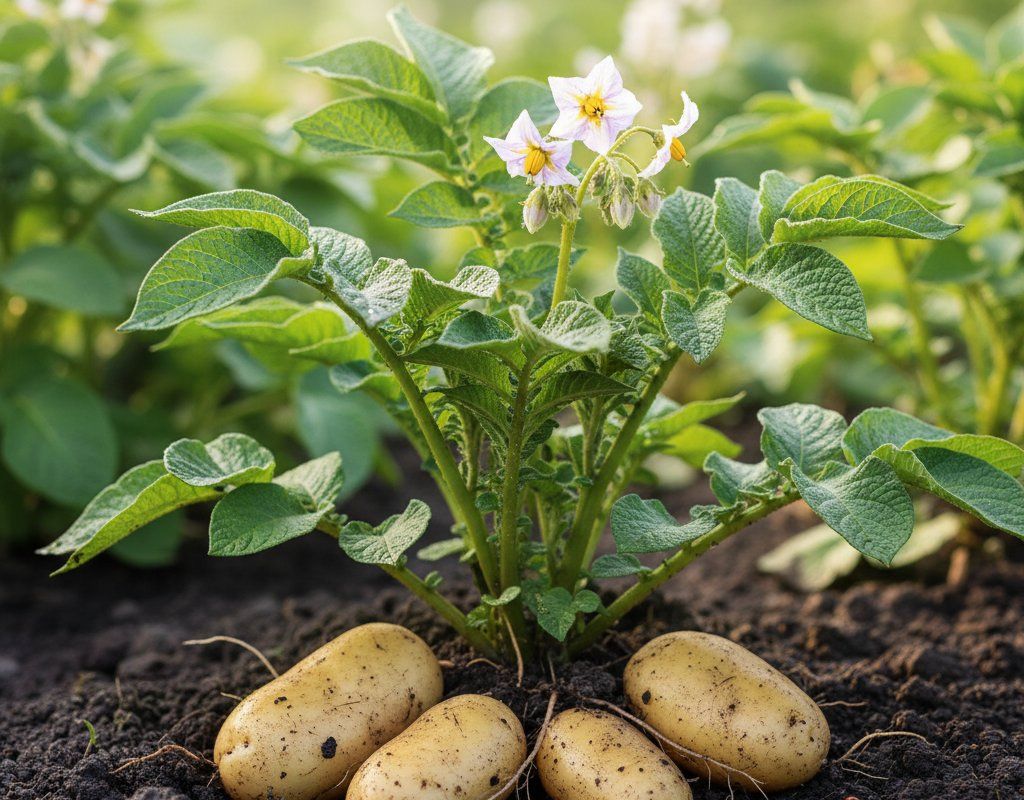
Potato in Zone 10B — Southern California
Solanum tuberosum · Your Complete 2026 Planting Guide
Still Time to Sow!
The sowing window is still open for Potato.
Sow Seeds Soon
Plant seed potatoes directly in the ground. Not grown from true seed.
How to Plant Potato in Zone 10B — Southern California
Here are all your options for getting potato in the ground, from the easiest method to more advanced approaches.
Direct Sow Seeds
RecommendedLate December through mid September
around December 27
Consider succession planting every 2-3 weeks for continuous harvest.
Plant seed potatoes directly in the ground. Not grown from true seed.
Buy Starts
Works WellLate December through mid January
around December 27
Plant purchased starts after last frost (January 10).
Start Seeds Indoors
ChallengingThis plant is typically not started indoors.
Transplant Outdoors
Timing InfoLate December through mid January
around December 27
Can tolerate light frost, but wait for soil to be workable.
Plan to transplant within a few weeks of your target date.
Overview
Potatoes are one of the most rewarding crops you can grow in Southern California's Zone 10B, offering incredible versatility from crispy fingerlings to fluffy russets that put store-bought spuds to shame. Our mild winters and year-round growing season mean you can plant potatoes when much of the country is buried under snow, giving you fresh harvests when supermarket potatoes are at their most expensive and least flavorful.
While our hot, dry summers and occasional Santa Ana winds present challenges for this cool-season crop, proper timing transforms potato growing from difficult to downright enjoyable. With 355 growing days annually, you have multiple planting windows to work with, allowing you to avoid the worst heat and take advantage of our naturally cooler months for the best potato harvests.
Transplanting Outdoors
Transplanting seed potatoes isn't the typical method, but if you've pre-sprouted or chitted your seed potatoes indoors, you can transplant them from late December through mid-January. This narrow window takes advantage of Southern California's coolest weather before spring temperatures climb.
Harden off your sprouted seed potatoes gradually over one week, starting with 2-3 hours of morning sun and building up to full outdoor exposure. Plant them 12 inches apart with the sprouts facing up, burying them about 4 inches deep in well-prepared soil.
Watch for those occasional warm spells we get in January that can stress newly transplanted potatoes. If temperatures spike above 80°F during the day, provide temporary shade cloth until they establish their root systems.
Direct Sowing
Direct sowing seed potatoes is the preferred method in Southern California, with a generous planting window from late December through mid-September. The key is timing your plantings to avoid our summer heat peak while taking advantage of our mild winters and extended fall season.
Plant seed potatoes directly in loose, well-draining soil when temperatures consistently stay below 85°F during the day. Cut larger seed potatoes into chunks with at least two eyes each, letting them cure for 24-48 hours before planting. Space them 12 inches apart and bury 4-6 inches deep, then hill soil around the stems as they grow to prevent tubers from turning green.
For Southern California's clay-heavy soils, work in plenty of compost and consider raised beds or containers for better drainage. Our low rainfall means you won't deal with the soggy soil issues that plague other regions, but proper soil preparation remains crucial for healthy tuber development.
Watering Potato in Zone 10B (Southern California)
Potatoes need consistent, moderate watering in Southern California's semi-arid climate, requiring about 1-2 inches per week including rainfall. During our typical winter-wet season, natural rainfall often handles most watering needs, but you'll need to supplement during dry spells and as we transition into our hot, dry summers.
The finger test works perfectly here - stick your finger 2 inches into the soil around your potato plants. If it's dry at that depth, it's time to water deeply at the base of the plants rather than overhead. Our low-to-moderate humidity means foliar diseases are less problematic than in humid regions, but ground-level watering still promotes better root development and conserves water.
Pay special attention during flowering, when tubers are actively forming and need the most consistent moisture. This critical period usually coincides with our spring months when rainfall becomes unpredictable. However, reduce watering significantly about two weeks before harvest to prevent rot - wet soil at harvest time will ruin your potato storage quality.
A 2-3 inch layer of mulch around your potato plants helps retain moisture during our dry periods while keeping soil temperatures cooler during inland heat waves. Straw or shredded leaves work well and won't compete with water-wise practices during drought restrictions.
🧪Fertilizing Potato
Feeding Schedule
Organic Fertilizer Options
Harvest Time
Your first potato harvest typically arrives 90 days after planting, which means late March harvests for winter plantings and throughout the year for successive sowings. New potatoes are ready when plants begin flowering - these thin-skinned beauties are perfect for immediate use in salads and light cooking.
For storage potatoes, wait until the foliage completely dies back naturally, indicating the tubers have reached full maturity and developed thick, protective skins. Dig carefully with a garden fork, starting about 12 inches away from the plant stem to avoid spearing your harvest. In Southern California's dry conditions, you'll rarely deal with muddy, soggy harvests that complicate potato digging elsewhere.
Cure freshly harvested storage potatoes in a cool, dark place with good air circulation for 7-10 days before long-term storage. Our mild winters mean you can often leave late-season potatoes in the ground longer than cold-climate gardeners, but harvest before any chance of frost in late December.
Plan your final plantings carefully - potatoes planted in summer for fall harvest should be out of the ground well before our first frost window arrives. The beauty of Southern California growing is that you can succession plant for nearly continuous harvests, timing each planting to mature during optimal weather conditions.
Common Problems in Zone 10B (Southern California)
Colorado potato beetle appears as yellow-orange beetles with black stripes feeding on leaves, often accompanied by clusters of orange eggs on leaf undersides. These destructive pests can defoliate entire plants within days during their peak activity periods. Hand-pick adults and egg masses in small gardens, or apply organic spinosad-based insecticides for larger plantings. Encourage beneficial insects like spined soldier bugs and parasitic wasps that naturally control beetle populations in Southern California's diverse ecosystem.
Late blight shows up as large, irregularly shaped dark green-gray water-soaked spots on leaves, with white fuzzy growth appearing on leaf undersides during humid conditions. This devastating oomycete (Phytophthora infestans) spreads rapidly in cool, wet weather and can destroy entire plantings within days. Remove and destroy affected plants immediately by bagging them - never compost blighted material. Apply copper-based fungicides preventatively during our winter-wet periods, ensure excellent air circulation between plants, and avoid overhead watering which creates ideal conditions for spore germination.
Scab creates rough, corky patches on potato skins that make tubers unsightly but still edible after peeling. This bacterial disease thrives in alkaline soils with pH above 7.0, which is common in many Southern California locations. Test your soil pH and amend with sulfur to lower it toward the ideal 6.0-6.8 range for potatoes. Maintain consistent soil moisture during tuber formation, as drought stress followed by heavy watering promotes scab development.
Southern California's hot summers and low-to-moderate humidity create unique growing conditions for potatoes. While our dry air reduces fungal disease pressure compared to humid regions, the intense inland heat can stress plants and concentrate pest problems. Time your plantings to take advantage of our mild winters and extended fall season, avoiding the peak summer months when temperatures regularly exceed 92°F.
Best Companions for Potato
Plant these nearby for healthier Potato and better harvests.

Keep Away From

Companion Planting Details
Beans make excellent potato companions in Southern California, fixing nitrogen in the soil while their climbing habit allows efficient use of garden space without competing for root zone area. Corn provides natural shade during our intense summer heat while creating beneficial microclimates, and brassicas like cabbage and broccoli thrive in similar cool conditions while their strong scents may help deter Colorado potato beetles.
Avoid planting potatoes near tomatoes, as both are nightshade family members susceptible to similar diseases and pests - late blight can jump between these crops rapidly in our winter-wet conditions. Skip squash and cucumber companions since their sprawling vines compete for space and water, and both prefer different watering schedules than potatoes need for proper tuber development. Sunflowers should also stay away from potato beds as they're allelopathic, releasing compounds that can inhibit potato growth and reduce your harvest yields.
🌸Best Flowers to Plant with Potato
These flowers protect your Potato from pests and attract pollinators for better harvests.


Get a Reminder When It's Time to Plant
We'll email you when key planting windows open for your zone.