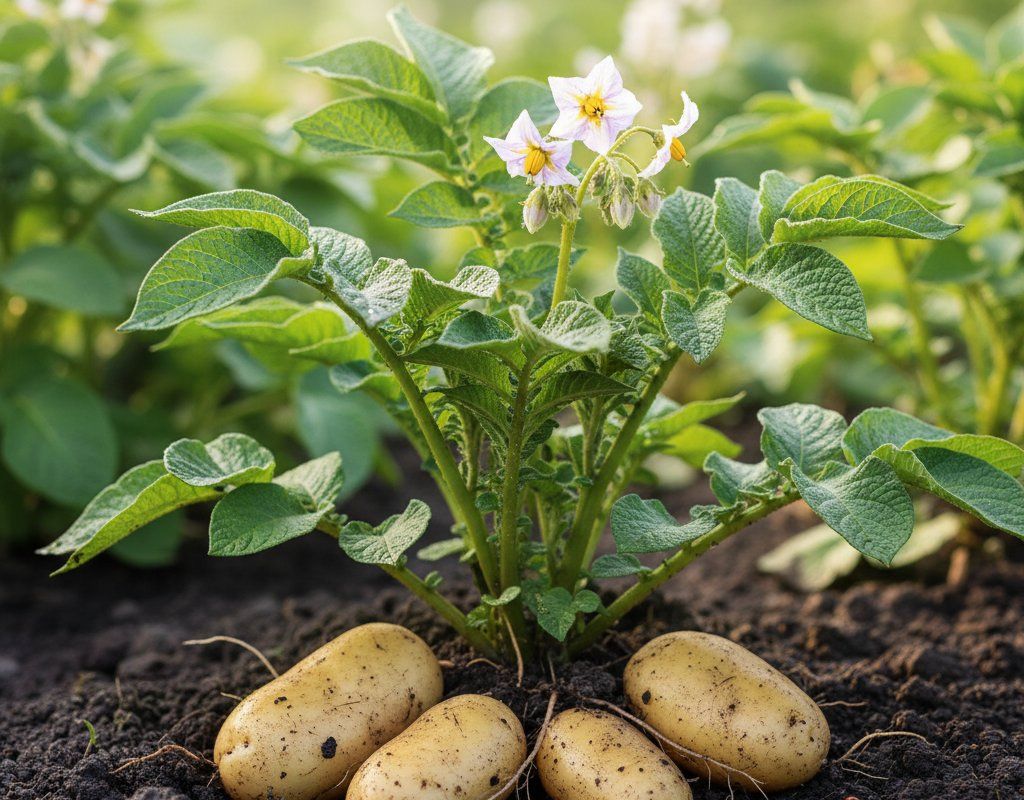
Potato in Zone 5B — Mid-Atlantic
Solanum tuberosum · Your Complete 2026 Planting Guide
Planning Ahead — Great!
You’re ahead of the season. Here’s when to start.
Mark Your Calendar
How to Plant Potato in Zone 5B — Mid-Atlantic
Here are all your options for getting potato in the ground, from the easiest method to more advanced approaches.
Direct Sow Seeds
RecommendedEarly April through early July
around April 6
Consider succession planting every 2-3 weeks for continuous harvest.
Plant seed potatoes directly in the ground. Not grown from true seed.
Buy Starts
Works WellEarly to late April
around April 6
Plant purchased starts after last frost (April 20).
Start Seeds Indoors
ChallengingThis plant is typically not started indoors.
Transplant Outdoors
Timing InfoEarly to late April
around April 6
Can tolerate light frost, but wait for soil to be workable.
Plan to transplant within a few weeks of your target date.
Overview
Potatoes are perfectly suited to our Mid-Atlantic climate, taking full advantage of our reliable rainfall and long 178-day growing season. You'll get better flavor and texture than anything from the store, plus the satisfaction of digging up your own "buried treasure" from late summer through fall. With our four distinct seasons, you can time multiple plantings for fresh new potatoes in summer and storage varieties for winter keeping.
Our humid summers and variable spring weather can challenge potato growing, but proper timing makes all the difference. Plant after the soil warms but before the heat of July, and you'll avoid most disease pressure while maximizing your harvest window before our mid-October first frost.
Transplanting Outdoors
While potatoes are typically grown from seed potatoes rather than transplants, if you're starting slips from store-bought potatoes or greenhouse starts, transplant them outdoors from early to late April. Wait until soil temperatures consistently reach 45°F and the risk of hard frost has passed - our variable spring weather can catch you off guard with late cold snaps.
Harden off any potato transplants gradually over a week, starting with 2-3 hours outdoors in a protected spot and building up to full sun exposure. Space plants 12 inches apart in rows, giving them room to spread as they grow.
Plant slightly deeper than they were growing in containers, burying the stem up to the first set of leaves. This encourages strong root development and more tuber production along the buried stem.
Direct Sowing
Plant seed potatoes directly in the ground from early April through early July - this is the recommended method for potatoes in our region. Cut seed potatoes into pieces with at least two eyes each, letting the cut surfaces dry for 24-48 hours before planting to prevent rot in our sometimes-wet spring soil.
Wait until soil temperatures reach 45°F consistently and the ground can be worked easily. Our clay soil needs to dry out enough that it doesn't stick to your spade. Plant seed pieces 4 inches deep and 12 inches apart, with eyes facing up. As shoots emerge, gradually hill soil around the stems to prevent tubers from turning green.
Make succession plantings every 2-3 weeks through early July to extend your harvest. Early plantings give you new potatoes by midsummer, while later plantings mature just before frost for winter storage.
Watering Potato in Zone 5B (Mid-Atlantic)
Potatoes need consistent moisture but can't tolerate waterlogged soil - a balance that works well with our Mid-Atlantic rainfall patterns. During our typical spring weather, natural rainfall often provides enough water, but check soil moisture regularly using the finger test at 2 inches deep. If it's dry, it's time to water.
Once summer heat arrives and plants begin flowering (when tubers form), maintain steady moisture with about 1-1.5 inches per week total. Water deeply at the base of plants rather than overhead - our humid conditions make wet foliage an invitation for late blight and other fungal diseases. Early morning watering allows plants to dry before evening humidity peaks.
Monitor soil moisture carefully during our hot, humid July and August weather. Clay soil can go from bone dry to waterlogged quickly during summer thunderstorms. Mulch with 2-3 inches of straw or grass clippings to maintain even moisture and reduce the need for supplemental watering.
Stop regular watering about two weeks before harvest when foliage begins dying back naturally. Wet soil at harvest time leads to rot and poor storage quality, so let plants cure in drier conditions as harvest approaches.
🧪Fertilizing Potato
Feeding Schedule
Organic Fertilizer Options
Harvest Time
Your first new potatoes will be ready from early July through late October, depending on planting time and variety. For tender new potatoes, start digging when plants begin flowering - these thin-skinned gems are perfect for immediate eating but won't store well.
For storage potatoes, wait until foliage dies back completely, usually 2-3 weeks after flowering stops. The skins should be set (not rub off easily) and tubers fully mature. Dig carefully with a spading fork, working from the outside of the hill inward to avoid spearing potatoes.
Harvest on a dry, sunny day when soil isn't muddy. Brush off excess soil but don't wash potatoes until you're ready to use them - the soil coating helps them store better. Let freshly dug potatoes cure in a cool, dark place for 7-10 days before long-term storage.
As our mid-October first frost approaches, harvest any remaining storage potatoes even if foliage hasn't completely died back. A hard frost will damage exposed tubers and reduce storage life, so get them out of the ground before temperatures drop below 28°F.
Common Problems in Zone 5B (Mid-Atlantic)
Colorado Potato Beetle Orange-yellow beetles with black stripes, along with their orange egg masses on leaf undersides and dark red larvae, can strip plants bare quickly. These pests thrive in our warm, humid summers and can produce multiple generations per season. Hand-pick adults and egg masses daily in small plantings, or use row covers early in the season. For larger plantings, apply beneficial nematodes or Bt spray targeting the larval stage.
Late Blight Large, irregularly shaped dark green-gray water-soaked spots appear on leaves, often with white fuzzy growth on undersides during humid weather. This devastating disease spreads rapidly in our cool, wet spring conditions and humid summer nights, potentially destroying entire plantings within days. Remove and destroy affected plants immediately (bag them, don't compost), apply copper-based fungicide preventatively, and ensure good air circulation between plants. Avoid overhead watering to reduce leaf wetness.
Scab Rough, corky patches or raised bumps appear on tuber surfaces, making potatoes unsightly though still edible. This bacterial disease thrives in alkaline soil and becomes worse during dry periods followed by heavy rain - common in our variable Mid-Atlantic weather patterns. Maintain soil pH between 5.0-6.5, avoid fresh manure, and keep soil moisture consistent throughout the growing season.
Our Mid-Atlantic combination of humid summers, variable spring weather, and clay soil creates perfect conditions for fungal diseases while our warm summers support multiple pest generations. Focus on prevention through proper spacing, avoid overhead watering, and choose resistant varieties when possible.
Best Companions for Potato
Plant these nearby for healthier Potato and better harvests.

Keep Away From

Companion Planting Details
Plant potatoes with beans and corn for a productive three-sisters combination - beans fix nitrogen that potatoes use, while corn provides natural support structure. Brassicas like cabbage and broccoli make excellent companions since they mature at different times and don't compete for the same soil nutrients. Horseradish planted around potato beds helps repel Colorado potato beetles and other pests naturally.
Avoid planting potatoes near tomatoes, peppers, or eggplant as they're all in the nightshade family and share diseases like late blight - especially problematic in our humid conditions. Keep squash and cucumbers away since they spread wide and compete for space, and avoid sunflowers which can stunt potato growth through allelopathic effects. In our clay soil, these spacing considerations become even more critical for proper air circulation and disease prevention.
🌸Best Flowers to Plant with Potato
These flowers protect your Potato from pests and attract pollinators for better harvests.


Get a Reminder When It's Time to Plant
We'll email you when key planting windows open for your zone.