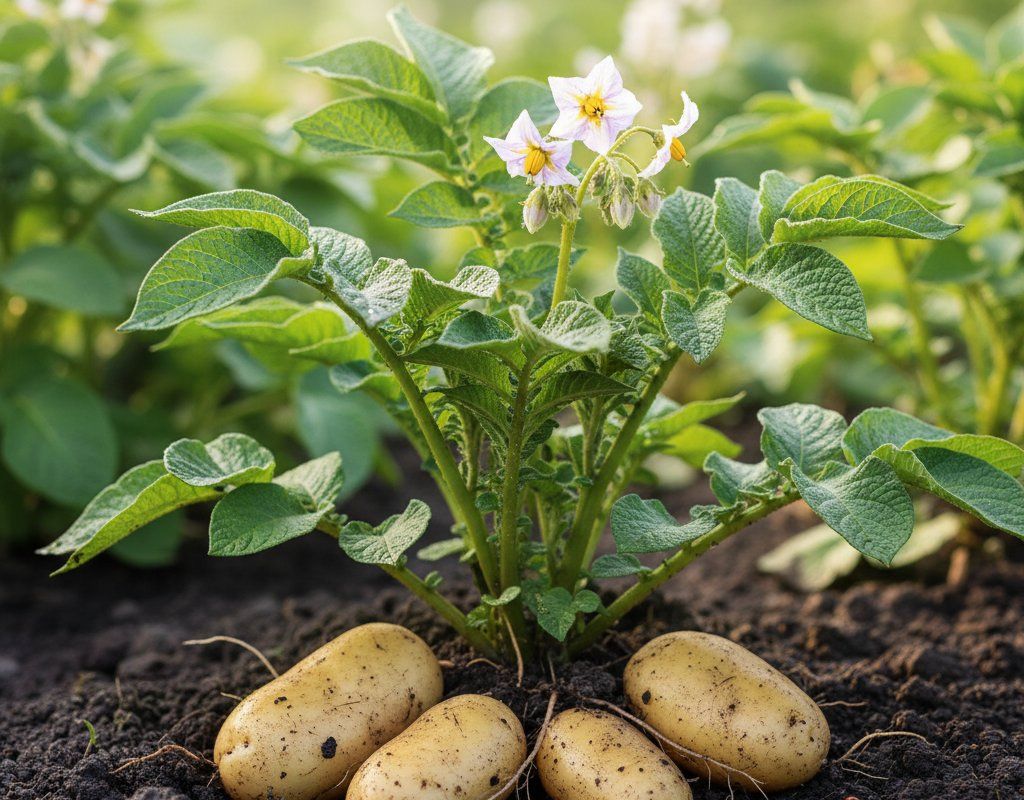
Potato in Zone 6A — Midwest
Solanum tuberosum · Your Complete 2026 Planting Guide
Planning Ahead — Great!
You’re ahead of the season. Here’s when to start.
Mark Your Calendar
How to Plant Potato in Zone 6A — Midwest
Here are all your options for getting potato in the ground, from the easiest method to more advanced approaches.
Direct Sow Seeds
RecommendedEarly April through early July
around April 6
Consider succession planting every 2-3 weeks for continuous harvest.
Plant seed potatoes directly in the ground. Not grown from true seed.
Buy Starts
Works WellEarly to late April
around April 6
Plant purchased starts after last frost (April 20).
Start Seeds Indoors
ChallengingThis plant is typically not started indoors.
Transplant Outdoors
Timing InfoEarly to late April
around April 6
Can tolerate light frost, but wait for soil to be workable.
Plan to transplant within a few weeks of your target date.
Overview
Growing your own potatoes in the Midwest is one of gardening's most satisfying ventures. Nothing beats the taste of freshly dug new potatoes straight from your own soil, and with our fertile prairie earth, you'll get yields that make store-bought spuds seem like an afterthought. Potatoes thrive in our moderate-to-hot summers and appreciate the consistent moisture our region typically provides.
Our Midwest weather throws some curveballs – variable spring temperatures and occasional late frosts can make timing tricky. But with a generous 178-day growing season, you have plenty of flexibility to work with Mother Nature's moods and still harvest bushels of homegrown potatoes from summer through fall.
Transplanting Outdoors
While most gardeners plant seed potatoes directly, you can transplant potato starts if you've grown them from seed potatoes indoors. Plan to move them outdoors from early to late April, once soil temperatures reach 45°F and the threat of hard frost has mostly passed.
Harden off your potato plants gradually over a week, starting with just a few hours of outdoor exposure and building up to full days. This helps them adjust to our variable Midwest spring temperatures and strengthens them against unexpected weather swings.
Space transplants 12 inches apart in rows, planting them slightly deeper than they were in their containers. Keep row covers handy during those first few weeks – our April weather can surprise you with a late cold snap that'll damage tender foliage.
Direct Sowing
Direct sowing seed potatoes is the tried-and-true method for Midwest potato growers, and you have a nice long window from early April through early July. Start planting once soil temperatures hit 45°F and you can work your ground without making mud pies – usually sometime in early to mid-April around here.
Plant seed potatoes (cut into pieces with at least two eyes each) about 4 inches deep in loose, well-draining soil. Our fertile Midwest soil is perfect for potatoes, but if you're dealing with heavy clay, work in some compost or aged manure to improve drainage. Space them 12 inches apart in rows 2-3 feet wide.
The beauty of our long growing season means you can make successive plantings every 2-3 weeks through early summer for a continuous harvest. Plant your storage varieties by early July at the latest to give them time to mature before our first frost in mid-October.
Watering Potato in Zone 6A (Midwest)
Potatoes need consistent moisture but not soggy conditions, which can be tricky to balance with our moderate-to-humid summers and 30-40 inches of annual rainfall. During the growing season, aim for about 1-2 inches of water per week, including rainfall – use the finger test by checking soil moisture 2 inches deep.
Water deeply at the base of plants rather than overhead, especially during our humid summer months when wet foliage invites disease problems. The critical watering period is during tuber formation, which happens when plants are flowering. Keep soil evenly moist during this stage, as inconsistent watering leads to misshapen or hollow potatoes.
Start reducing water about two weeks before harvest to prevent rot and improve storage quality. With our typically wet summers, this often means just letting nature take a break from supplemental watering. A 2-3 inch layer of straw mulch helps maintain even soil moisture and keeps tubers from turning green when they push up through the soil.
Watch for signs of stress during summer heat spells – wilting in late afternoon is normal, but morning wilting means you need to water. Overwatered potatoes show yellowing leaves and poor growth, while underwatered plants have crispy leaf edges and stunted development.
🧪Fertilizing Potato
Feeding Schedule
Organic Fertilizer Options
Harvest Time
Your first baby potatoes will be ready for harvesting by early July, about 10-12 weeks after planting. New potatoes are ready when plants begin flowering – carefully dig around the base of one plant to check size, then harvest what you need while leaving smaller tubers to continue growing.
For storage potatoes, wait until the foliage dies back completely, which typically happens from late August through September depending on when you planted. The skins should be set (not easily rubbed off with your thumb) and tubers should pull away from the plant easily when you dig them up.
Harvest on a dry day when possible, and let freshly dug potatoes sit in the sun for a few hours to dry the soil off. Use a garden fork rather than a spade to avoid cutting into tubers, and dig carefully – damaged potatoes won't store well and should be eaten first.
With our mid-October first frost date, make sure to get all your storage potatoes out of the ground before then. Even if the tops haven't completely died back, a hard frost will kill them and you'll want to harvest within a week or two to prevent tubers from rotting in cold, wet soil.
Common Problems in Zone 6A (Midwest)
Colorado Potato Beetle: These orange-and-black striped beetles and their plump orange larvae can defoliate potato plants quickly. You'll see holes chewed in leaves, starting from the top of the plant and working down. The adults overwinter in our Midwest soil and emerge just as potato plants are getting established. Hand-pick adults and larvae in the morning when they're sluggish, or use row covers early in the season. Bt-based sprays work well on the larvae.
Late Blight: Large, irregularly shaped dark green-gray water-soaked spots appear on leaves, often with white fuzzy growth on the undersides during humid weather. This devastating disease thrives in our moderate-to-humid summer conditions and can destroy entire plantings within days. Remove and destroy affected plants immediately – bag them, don't compost. Apply copper-based fungicides preventatively, ensure good air circulation between plants, and avoid overhead watering during humid spells.
Scab: This shows up as rough, corky brown patches on potato skins, making them unsightly but still edible. Scab thrives in alkaline soil conditions and becomes worse during dry periods followed by heavy watering – something our variable Midwest rainfall patterns can trigger. Maintain slightly acidic soil (pH 5.0-6.0), keep soil consistently moist during tuber formation, and avoid fresh manure which raises soil pH.
Midwest Specific Challenges: Our moderate-to-humid summers create perfect conditions for fungal diseases, while clay soil can lead to waterlogged conditions that promote rot. The combination of wet spring weather followed by summer heat spells stresses plants and makes them more susceptible to problems.
Best Companions for Potato
Plant these nearby for healthier Potato and better harvests.

Keep Away From

Companion Planting Details
Plant beans near your potatoes – they fix nitrogen in the soil that potatoes can use later in the season. Corn makes an excellent companion too, providing some afternoon shade during summer heat spells while potatoes help break up soil for corn's roots. Brassicas like cabbage and broccoli work well planted nearby since they have different nutrient needs and their strong scents may help confuse potato beetle pests.
Avoid planting tomatoes, squash, cucumbers, or sunflowers near potatoes. Tomatoes and potatoes are both susceptible to late blight, and growing them together increases disease pressure. Squash and cucumber vines can sprawl over potato hills, making harvest difficult, while sunflowers compete heavily for nutrients in the same root zone and can shade out your potato plants.
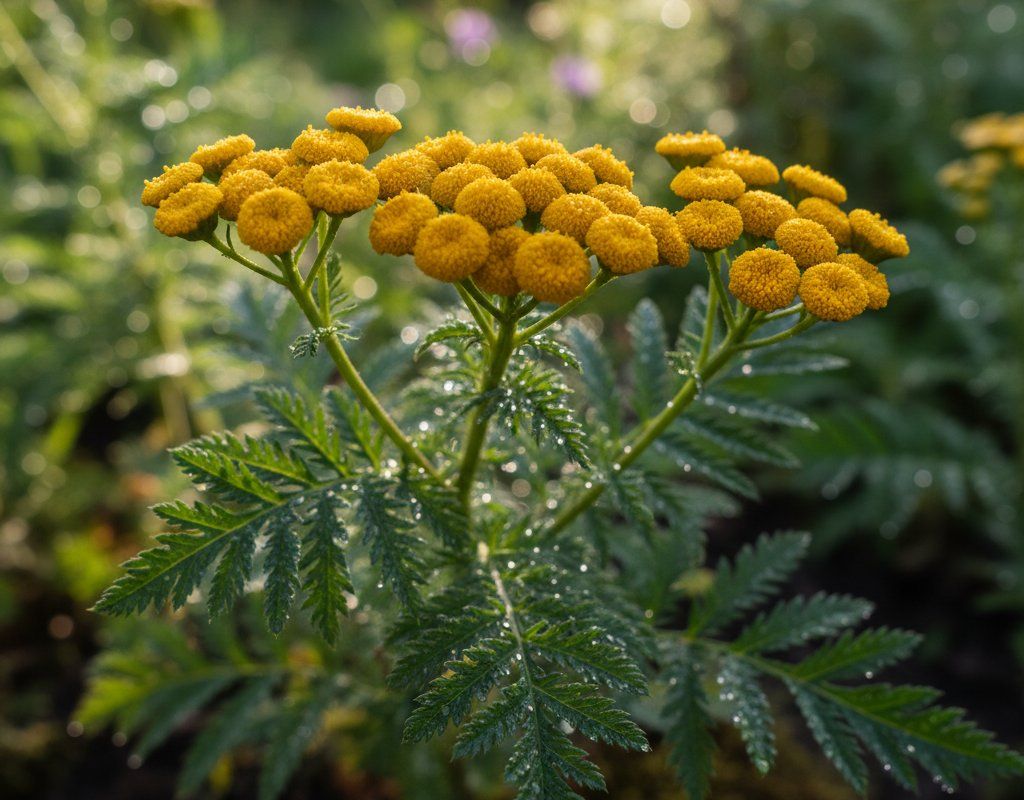
🌸Best Flowers to Plant with Potato
These flowers protect your Potato from pests and attract pollinators for better harvests.


Get a Reminder When It's Time to Plant
We'll email you when key planting windows open for your zone.