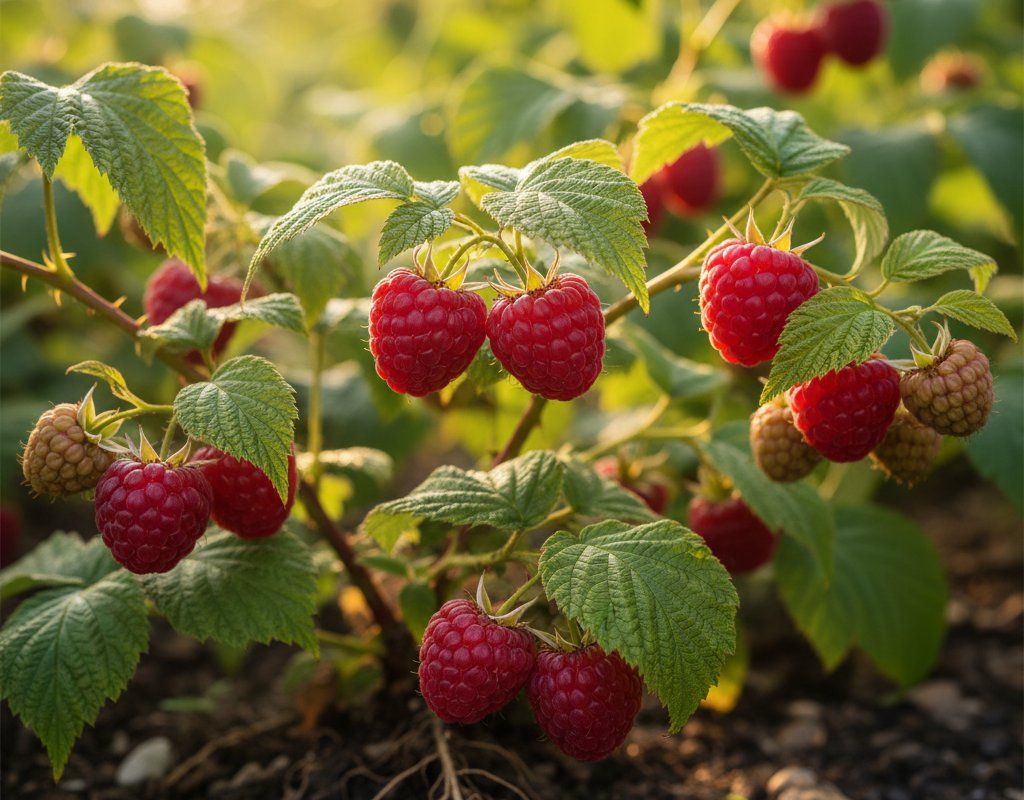
Raspberry in Zone 4A — Mountain West
Rubus idaeus · Your Complete 2026 Planting Guide
Check Planting Details Below
See the full planting guide for timing information.
How to Plant Raspberry in Zone 4A — Mountain West
Here are all your options for getting raspberry in the ground, from the easiest method to more advanced approaches.
Buy Starts
RecommendedMid May through mid June
around May 20
Plant purchased starts after last frost (May 20).
Buy bare-root canes or potted plants. Plant in early spring or fall.
Start Seeds Indoors
ChallengingThis plant is typically not started indoors.
Direct Sow Seeds
ChallengingDirect sowing is not typical for Raspberry.
Transplant Outdoors
Timing InfoMid May through mid June
around May 20
Can tolerate light frost, but wait for soil to be workable.
You have a nice window — no need to rush.
Overview
Raspberries are a true taste of summer, and even with our shorter season here in the Mountain West, you can absolutely enjoy a rewarding harvest. Their sweet, slightly tart flavor is unbeatable fresh, and they freeze beautifully for winter pies and jams. Plus, the satisfaction of picking your own sun-ripened berries in our intense mountain sunshine is hard to beat.
Our high altitude, intense UV, and short 118-day growing season present unique challenges for Raspberry. But by choosing the right varieties and paying attention to timing, you can work *with* our climate to ensure a delicious crop. Don't let those cool nights scare you off – they actually enhance the berries' flavor!
Transplanting Outdoors
Transplant your Raspberry starts outdoors from mid-May through mid-June, after the risk of hard frost has passed. Whether you've opted for bare-root canes or potted plants, make sure to harden them off for about a week beforehand. Gradually expose them to the outdoor elements, starting with just a few hours each day, to prevent transplant shock.
Space your plants 2-3 feet apart to give them plenty of room to grow and allow for good air circulation. Keep an eye on the weather forecast around transplant time. We can still get unexpected late-season frosts or even hail storms here in the mountains, so be prepared to cover your young plants if needed.
Watering Raspberry in Zone 4A (Mountain West)
Raspberries need consistent moisture, but they don't like soggy roots. Aim for about 1-2 inches of water per week, especially during fruit development. Since we have such low humidity in the Mountain West, watering at the base of the plant is preferable to overhead watering; this helps prevent fungal diseases. Drip irrigation is an excellent choice for delivering water directly to the roots.
In the spring, after planting, water deeply to establish the roots. As the weather warms up in our moderate-at-altitude summers, increase the frequency. Use the "finger test" to check soil moisture: stick your finger about 2 inches deep into the soil near the base of the plant. If it feels dry, it's time to water. Conversely, if it feels wet, hold off.
During our dry summers, you might need to water more frequently, especially during fruiting. Wilting leaves are a sign of underwatering, while yellowing leaves can indicate overwatering. A good layer of mulch, like wood chips or straw, can help retain moisture and regulate soil temperature.
Supporting Your Raspberry
Raspberry canes tend to get heavy with fruit and can easily flop over, so providing support is essential. A simple two-wire trellis system works wonders. This keeps the canes upright, improving air circulation and making harvesting much easier.
Install the trellis at planting time. Run two horizontal wires along posts, one at about 2-3 feet and another at 4-5 feet above the ground. As the canes grow, gently weave them between the wires for support. This prevents the canes from sprawling and keeps those delicious berries within easy reach.
Pruning & Maintaining Raspberry
Pruning is crucial for maintaining healthy and productive Raspberry plants. The type of pruning depends on whether you have summer-bearing or everbearing varieties. Summer-bearing types produce fruit on second-year canes, so after harvest, remove the canes that fruited down to the ground.
Everbearing varieties can be pruned in one of two ways. For a single large fall crop, cut all canes to the ground in late winter or early spring. Alternatively, selectively prune the tips of the canes after the first harvest to encourage a second, smaller crop.
No matter the type, always remove any dead, damaged, or diseased canes as you find them. As the first frost approaches around mid-September, cut back any late-fruiting canes that won't have time to ripen. This will encourage new growth for the following season.
🧪Fertilizing Raspberry
Feeding Schedule
Organic Fertilizer Options
Harvest Time
Here in Zone 4A, Mountain West, you can generally expect your first Raspberry harvest from mid-July through early September, depending on the variety and the weather that season. The berries are ready to pick when they are deeply colored and pull easily from the core. Ripe berries will practically fall into your hand with a gentle tug.
Check your plants every 2-3 days during peak season, as the berries ripen quickly. Gently cup the berry in your hand and pull straight off the cane. Avoid squeezing the berries, as they are delicate and can bruise easily.
As the first frost approaches in mid-September, harvest any remaining ripe or nearly ripe berries. Even slightly underripe berries can be used for jams and jellies. Don't leave overripe berries on the plant, as they can attract pests and diseases.
Common Problems in Zone 4A (Mountain West)
Here are some common problems you might encounter with Raspberry in our region:
Spotted Wing Drosophila
- What it looks like: Tiny flies lay eggs in ripening fruit, causing soft spots and larvae inside the berries.
- What causes it: These pests thrive in humid conditions, though our low humidity can help somewhat, they still are a pest.
- How to fix/prevent it: Use insect netting to protect plants, remove infested fruit promptly, and consider organic insecticides if needed.
Cane Borer
- What it looks like: Wilting or dying canes with small holes near the base.
- What causes it: Cane borers are beetles that lay eggs in the canes, and the larvae tunnel through the plant tissue.
- How to fix/prevent it: Prune and destroy infested canes below the point of damage. Keep the area around the plants free of weeds and debris.
Gray Mold
- What it looks like: Gray, fuzzy mold on the berries and leaves.
- What causes it: This fungal disease is promoted by cool, wet conditions.
- How to fix/prevent it: Ensure good air circulation by spacing plants properly and pruning regularly. Remove infected plant parts promptly.
Raspberry Crown Borer
- What it looks like: Weak or stunted growth, wilting leaves, and swollen areas near the base of the canes.
- What causes it: This pest is a moth whose larvae bore into the crown of the plant, damaging the root system.
- How to fix/prevent it: Remove and destroy infested plants. Use beneficial nematodes in the soil to control the larvae.
Mountain West Specific Challenges: Our moderate-at-altitude heat, low humidity, and dry rainfall can be both a blessing and a curse for Raspberries. The intense sun can scorch the berries if they're not adequately watered, and the dry air can stress the plants. However, the low humidity also helps to reduce the risk of fungal diseases, and the cool nights contribute to the berries' intense flavor.
Best Companions for Raspberry
Plant these nearby for healthier Raspberry and better harvests.

Keep Away From


Companion Planting Details
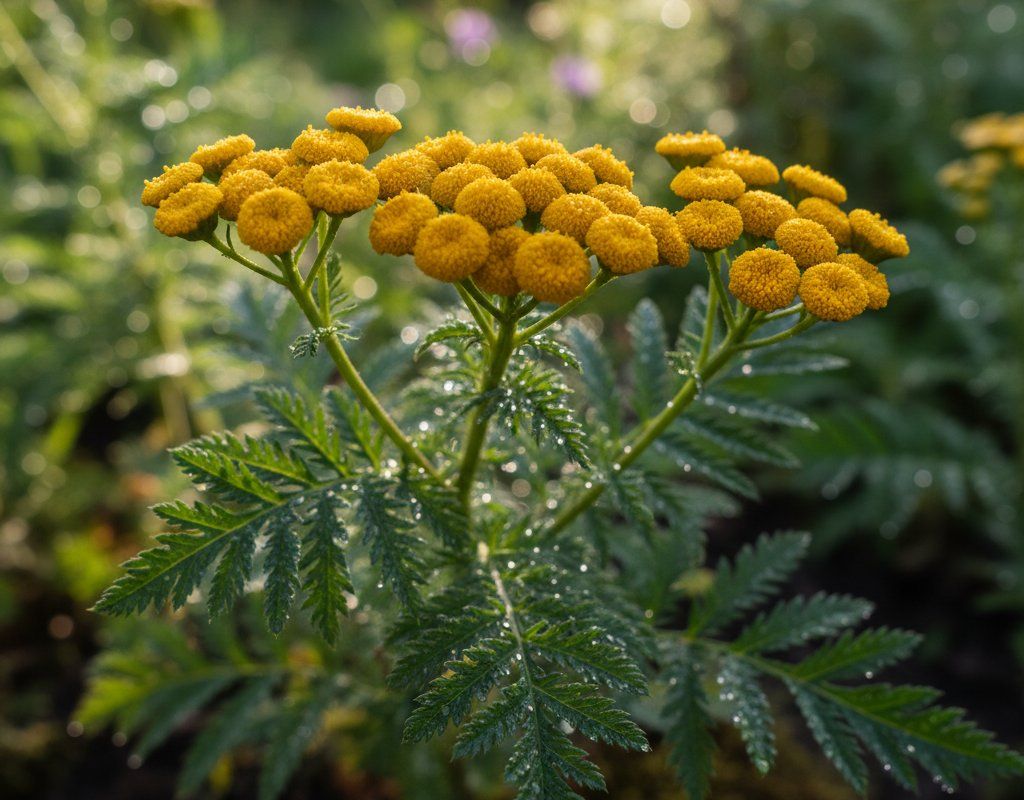
Companion planting can be a great way to improve the health and productivity of your Raspberry patch. Garlic, tansy, and marigolds are excellent companions because they help repel pests. Garlic naturally deters many common garden pests. Tansy is known to repel Japanese beetles, and marigolds produce compounds that deter nematodes and other soil pests.
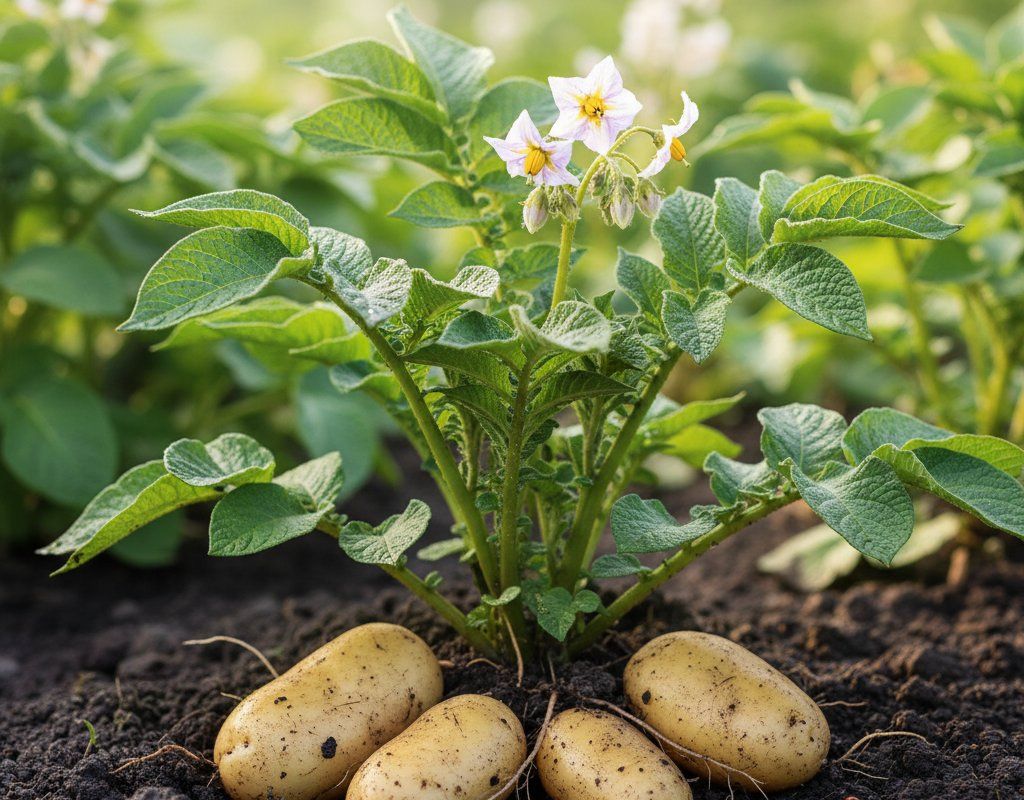
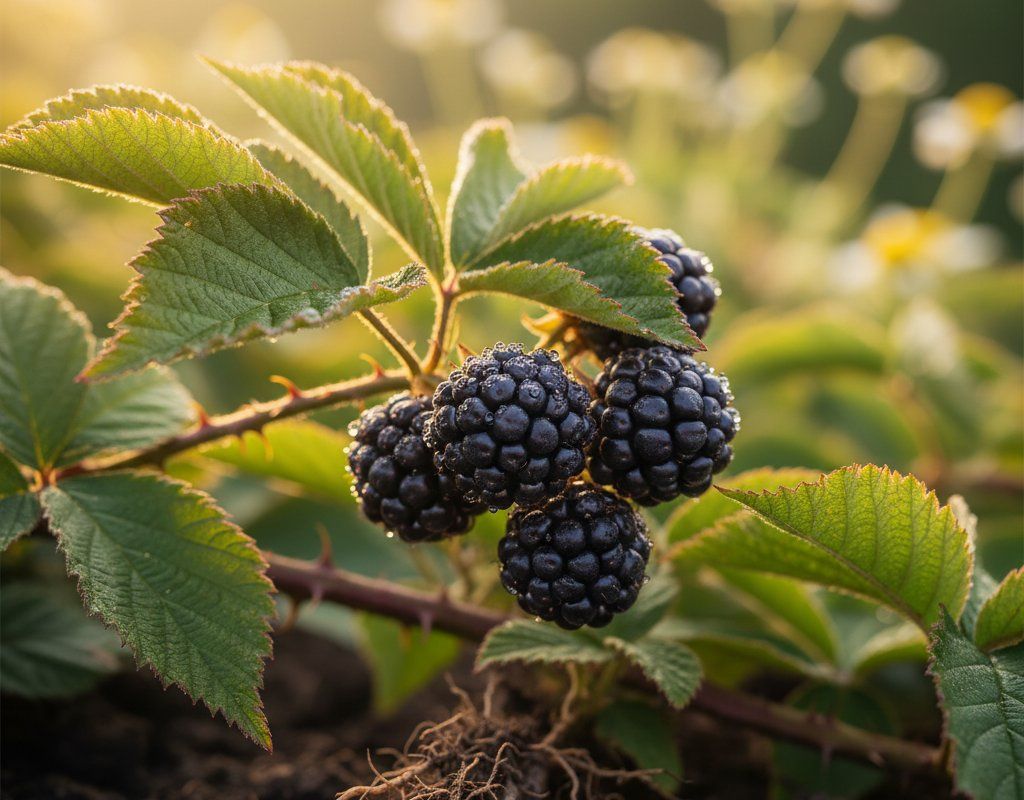
Avoid planting Raspberries near potatoes, tomatoes, peppers, and blackberries. Potatoes, tomatoes, and peppers can attract pests and diseases that can also affect Raspberries. Blackberries are closely related to Raspberries and can compete for nutrients and water, plus they can spread diseases to each other.
🌸Best Flowers to Plant with Raspberry
These flowers protect your Raspberry from pests and attract pollinators for better harvests.
For Pest Control
Get a Reminder When It's Time to Plant
We'll email you when key planting windows open for your zone.