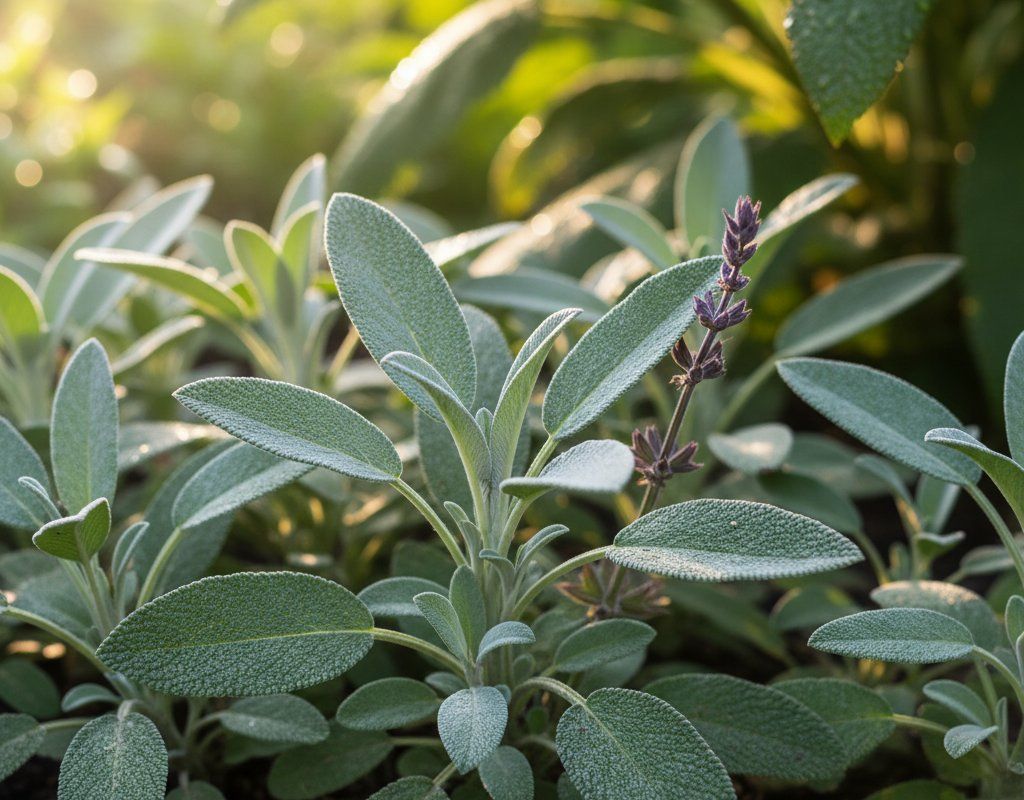
Sage in Zone 8B — Gulf Coast
Salvia officinalis · Your Complete 2026 Planting Guide
Time to Buy Starts!
Seed starting window passed, but starts are available now.
Buy Starts Now
Head to your local nursery, Home Depot, or farmers market for transplants.
- Look for stocky plants with dark green leaves
- Avoid leggy seedlings or plants already flowering
- Check that roots aren't circling the pot (rootbound)
How to Plant Sage in Zone 8B — Gulf Coast
Here are all your options for getting sage in the ground, from the easiest method to more advanced approaches.
Buy Starts
RecommendedMid February through mid March
around February 20
Plant purchased starts after last frost (February 20).
Sage grows moderately from seed, but starts are widely available.
Start Seeds Indoors
Works WellEarly to late January
around January 9
Then transplant: Mid February through mid March
Start seeds 6-8 weeks before transplanting outdoors.
Direct Sow Seeds
Works WellMid February through early September
around February 20
Consider succession planting every 2-3 weeks for continuous harvest.
Transplant Outdoors
Timing InfoMid February through mid March
around February 20
Can tolerate light frost, but wait for soil to be workable.
You have a nice window — no need to rush.
Overview
Sage is a must-grow herb here on the Gulf Coast. Its earthy flavor elevates everything from Thanksgiving dressing to simple roasted chicken, and you can't beat the satisfaction of snipping fresh leaves right from your own garden. Plus, it's a beautiful plant that adds a touch of the Mediterranean to your herb garden.
We know the Gulf Coast throws some curveballs – high humidity, fungal disease pressure, and the occasional hurricane scare. But with the right timing, you can absolutely grow thriving sage. Our long growing season, stretching nearly 9 months, gives you plenty of opportunity to harvest this flavorful herb.
Starting Seeds Indoors
Starting sage indoors isn't strictly necessary here in Zone 8B, but it can give you a head start. If you're itching to get your hands dirty early, aim to sow your seeds indoors from early to late January, about six weeks before you plan to transplant.
Use seed trays or small pots filled with a well-draining seed-starting mix. Provide warmth and plenty of light – a sunny windowsill or grow lights work well. Bottom watering is key to prevent damping off; set the tray in a shallow dish of water and let the soil soak it up from the bottom. With our early springs, starting indoors lets you get a jump on the season.
Transplanting Outdoors
Transplant your sage seedlings outdoors from mid February through mid March. Before planting, harden them off by gradually exposing them to outdoor conditions for about a week. This prevents shock.
Choose a sunny spot with well-drained soil and space plants 18-24 inches apart. Keep an eye on the weather forecast; a late cold snap can happen, so be ready to cover your young plants if needed. You can easily find established sage plants at local nurseries if you prefer to skip starting from seed.
Direct Sowing
Direct sowing sage is a perfectly viable option in our climate. You can sow seeds directly into your garden beds from mid February through early September. This long window allows for multiple sowings.
Prepare the soil by loosening it and removing any weeds. Sage prefers well-drained soil, so amend with compost if needed. Sow seeds about ¼ inch deep and space them 18-24 inches apart. Keep the soil consistently moist until germination, which usually takes about two weeks. Direct sowing eliminates the need for transplanting, but it does require more patience.
Watering Sage in Zone 8B (Gulf Coast)
Sage is drought-tolerant once established, which is a blessing in our humid climate. Overwatering is a surefire way to cause root rot and diminish the flavor of your sage, so resist the urge to overdo it.
During the hotter months, especially when we're not getting our usual afternoon storms, check the soil moisture regularly. Stick your finger about two inches deep; if it feels dry, it's time to water. Aim for about an inch of water per week, either from rainfall or irrigation. Water at the base of the plant to avoid wetting the foliage, which can encourage fungal diseases in our humid environment.
Yellowing leaves can be a sign of overwatering, while wilting leaves indicate underwatering. Mulching around your sage plants with pine straw or shredded leaves helps retain moisture in the soil and suppresses weeds. It's especially useful during the dry spells we get in the fall.
Pruning & Maintaining Sage
Sage requires minimal pruning. The main goal is to remove any dead or woody growth and maintain a compact shape.
In the spring, after the last threat of frost, prune your sage plants by about one-third. Avoid cutting into very old, woody stems, as they may not regrow. Throughout the growing season, you can pinch back the tips of the stems to encourage bushier growth. As the first frost approaches in early December, you can give your sage plant one last light trim to tidy it up for the winter.
🧪Fertilizing Sage
Feeding Schedule
Organic Fertilizer Options
Harvest Time
You can start harvesting sage leaves as soon as the plant is established, usually from early May through early December. The flavor is said to be best in the morning, after the dew has dried.
Simply snip off the leaves you need, being careful not to remove more than one-third of the plant at any one time. This encourages continued production. For drying, cut entire stems and hang them upside down in a cool, dark, and dry place. As the first frost approaches, harvest any remaining leaves to dry or freeze for later use.
Common Problems in Zone 8B (Gulf Coast)
Sage is generally a low-maintenance herb, but here on the Gulf Coast, we have to watch out for a few common problems:
Powdery Mildew
- What it looks like: White or grayish powdery coating on leaves, stems. Leaves curl, yellow, and die.
- What causes it: Fungi thrive in warm days, cool nights, and moderate humidity. Dry leaf surfaces actually favor it. Our high humidity can create pockets of moisture.
- How to fix/prevent it: Improve air circulation through spacing and pruning. Remove affected leaves. Neem oil or potassium bicarbonate sprays help. Milk spray (1 part milk to 9 parts water) can be surprisingly effective.
Root Rot in Wet Soil
- What it looks like: Yellowing leaves, wilting despite moist soil, mushy roots.
- What causes it: Overwatering and poorly draining soil. Our heavy rainfall and high humidity can exacerbate this problem.
- How to fix/prevent it: Ensure well-draining soil. Water only when the top inch or two of soil is dry. Avoid overwatering, especially during rainy periods. Consider raised beds for better drainage.
Spider Mites
- What it looks like: Fine stippling on leaves (tiny white dots), fine webbing on leaf undersides and between stems. Leaves turn bronze or yellow.
- What causes it: Tiny arachnids that thrive in hot, dry conditions. Populations explode in drought stress. Even with our humidity, dry spells happen!
- How to fix/prevent it: Strong water spray (daily for a week) is the best treatment. Increase humidity around plants. Neem oil or insecticidal soap.
Gulf Coast Specific Challenges: Our hot, humid summers and abundant rainfall create a perfect environment for fungal diseases like powdery mildew and root rot. Good air circulation and well-drained soil are crucial for growing healthy sage here.
Best Companions for Sage
Plant these nearby for healthier Sage and better harvests.
View Full Companion Planting Chart →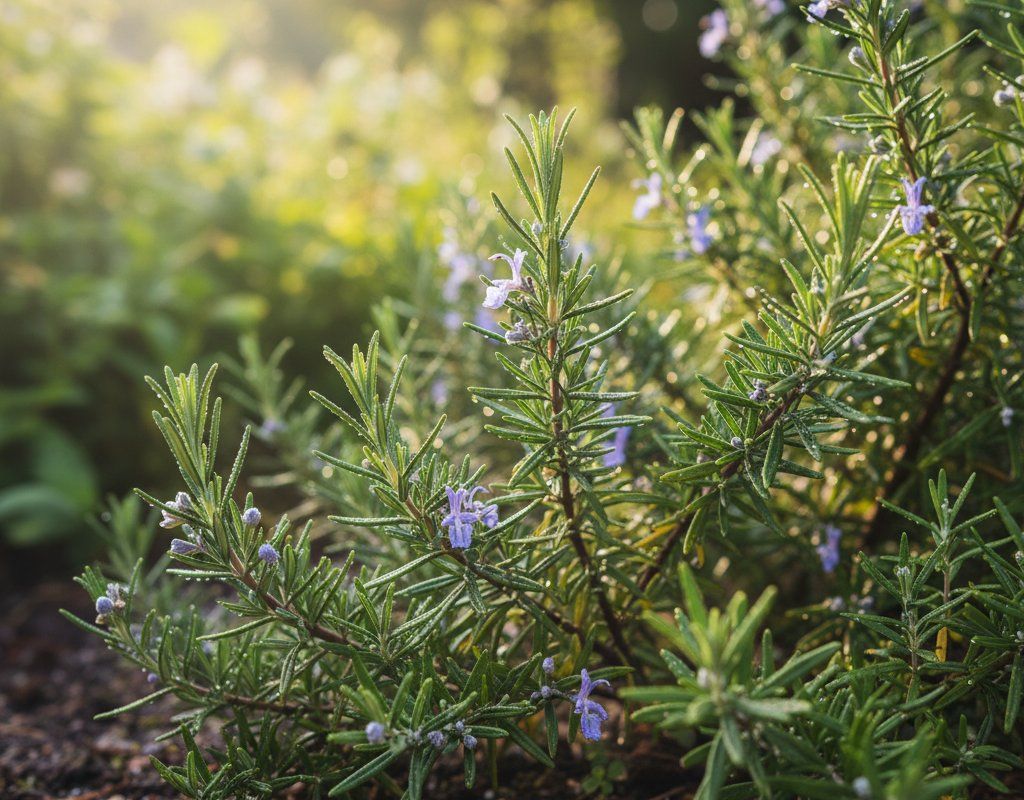






Companion Planting Details
Companion planting can help your sage thrive in the Gulf Coast garden. Rosemary, thyme, and lavender are excellent companions because they prefer similar growing conditions – full sun and well-drained soil. Plus, they attract beneficial insects.
Carrots and cabbage also make good companions for sage. Sage is said to repel cabbage moths and carrot rust flies. Avoid planting sage near cucumbers and onions, as they can inhibit each other's growth. Onions, in particular, prefer different soil conditions than sage.
🌸Best Flowers to Plant with Sage
These flowers protect your Sage from pests and attract pollinators for better harvests.
For Pest Control



Get a Reminder When It's Time to Plant
We'll email you when key planting windows open for your zone.