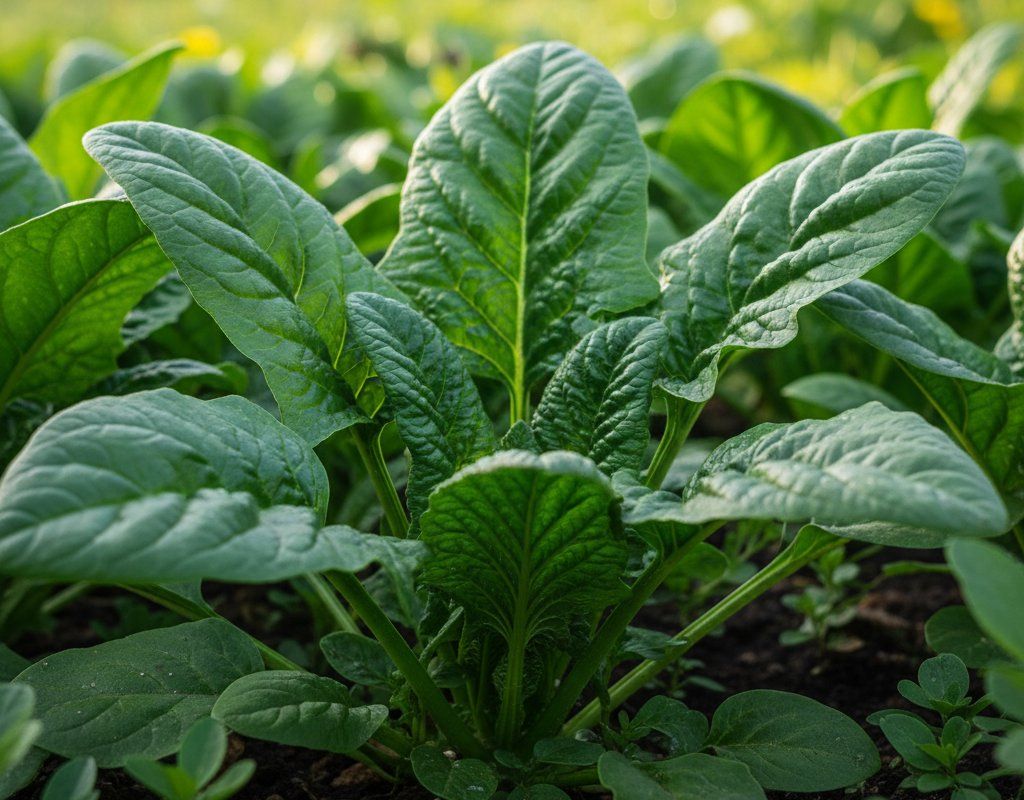
Spinach in Zone 10A — Desert Southwest
Spinacia oleracea · Your Complete 2026 Planting Guide
Harvest Time!
Your Spinach should be producing now!
Harvest Tips
Harvest outer leaves for cut-and-come-again, or cut whole head.
How to Plant Spinach in Zone 10A — Desert Southwest
Here are all your options for getting spinach in the ground, from the easiest method to more advanced approaches.
Direct Sow Seeds
RecommendedEarly December through early November
around December 9
Consider succession planting every 2-3 weeks for continuous harvest.
Spinach loves cold soil. Direct sow as soon as ground can be worked.
Start Seeds Indoors
RecommendedMid November through early December
around November 25
Then transplant: Late December through early February
Start seeds 4-6 weeks before transplanting outdoors.
Buy Starts
Works WellLate December through early February
around December 23
Plant purchased starts after last frost (January 20).
Transplant Outdoors
Timing InfoLate December through early February
around December 23
Can tolerate light frost, but wait for soil to be workable.
You have a nice window — no need to rush.
Fall Planting
Late October through late November
November 13 ideal · Direct sow for fall harvest
Plant a second crop in mid-summer for fall harvest. Spinach actually prefers the cooling temperatures of fall.
Overview
Spinach thrives as a cool-season superstar in our Desert Southwest gardens, delivering fresh, nutrient-packed leaves when store-bought greens cost a fortune. Unlike the bitter, thick spinach from distant farms, homegrown varieties stay tender and sweet through our mild winter months, perfect for salads, sautés, and green smoothies.
Our extreme summer heat makes spinach impossible from May through September, but that's exactly why our 339-day growing season shines. Time your plantings right for our desert climate, and you'll harvest beautiful leaves from December through March when outdoor growing elsewhere is just a dream.
Starting Seeds Indoors
Starting spinach indoors works well in the Desert Southwest, though direct sowing is often more practical. Start seeds mid-November through early December, about four weeks before you plan to transplant outdoors.
Set up seed trays with quality potting mix and keep them at 60-65°F for best germination. Our winter nights can dip into the 40s, so a warm indoor spot works perfectly. Bottom watering prevents damping-off and keeps seedlings healthy.
Indoor starting gives you a head start on the season and lets you control conditions during germination. This method works especially well if you want to maximize your harvest window before our spring heat arrives.
Transplanting Outdoors
Transplant your spinach seedlings from late December through early February, when nighttime temperatures stay consistently cool. These hardy plants can handle light frost, but wait until the worst of winter's temperature swings pass.
Harden off seedlings gradually over a week, starting with just a few hours of morning sun and building up to full outdoor exposure. Our intense desert sun, even in winter, can shock tender indoor-grown plants.
Space transplants 4-6 inches apart in prepared beds with amended soil. The cool, stable conditions during our winter months help transplants establish quickly without the stress of temperature extremes.
Direct Sowing
Direct sowing works beautifully for spinach in our desert climate since these seeds actually prefer cool soil. Sow from early December through early November when soil temperatures drop below 70°F consistently.
Prepare beds by working compost into our naturally alkaline soil and ensure good drainage. Spinach seeds germinate best in cool, moist conditions - exactly what we get during our mild winter months.
Space seeds 4-6 inches apart and plant about half an inch deep. Direct-sown plants often outperform transplants since they never experience root disturbance, and spinach has a taproot that prefers to grow undisturbed.
Watering Spinach in Zone 10A (Desert Southwest)
Consistent moisture makes the difference between tender, sweet spinach and bitter, bolted plants in our arid climate. These shallow-rooted plants need about one inch of water per week, delivered through frequent, moderate waterings rather than deep soakings.
Check soil moisture daily using the finger test - stick your finger two inches deep, and water when the top inch feels dry. Our low humidity means soil dries faster than in other climates, especially during windy periods common in late winter and early spring.
Water at the base of plants rather than overhead to prevent fungal issues and reduce water loss to evaporation. Morning watering helps keep soil cool during our surprisingly warm winter days when temperatures can hit the mid-70s.
Apply a thin layer of organic mulch around plants to retain moisture and moderate soil temperature. In our extreme climate, even winter plants benefit from mulching to protect against both drying winds and occasional temperature swings that can stress shallow roots.
🧪Fertilizing Spinach
Feeding Schedule
Organic Fertilizer Options
Harvest Time
Your first spinach harvest typically arrives mid to early January, about 40 days after planting. Look for outer leaves that reach 3-4 inches long with deep green color and tender texture.
Harvest by cutting outer leaves at the base, leaving the growing center intact for continued production. You can also cut the entire rosette one inch above soil level - spinach regrows readily from the crown in our cool winter conditions.
Keep harvesting regularly to prevent bolting as spring approaches. Once daily temperatures consistently reach the upper 70s, usually by early March, plants will start sending up flower stalks and leaves become bitter.
Plan succession plantings every two weeks through late November to extend your harvest window. This strategy maximizes production before our spring heat shuts down cool-season crops entirely.
Common Problems in Zone 10A (Desert Southwest)
Bolting Plants suddenly send up tall flower stalks and leaves turn bitter or tough. You'll notice the center elongating rapidly, often within just a few days during warm spells.
Our Desert Southwest temperature swings trigger bolting even in winter when a string of 80-degree days hits unexpectedly. Long daylight hours as spring approaches also signal plants to flower.
Choose slow-bolt varieties and provide afternoon shade cloth when temperatures climb above 75°F. Keep soil consistently moist and harvest frequently to delay flowering.
Downy Mildew Yellow patches appear on leaf tops with fuzzy gray-purple growth underneath. Leaves brown and die from the bottom up, starting with the oldest foliage.
Cool, humid conditions during our monsoon season or after winter rains create perfect conditions for this fungal disease. Poor air circulation makes it worse.
Remove affected leaves immediately and improve spacing between plants. Water at soil level, never on leaves, and avoid overhead irrigation entirely during humid periods.
Leaf Miners Squiggly white or brown trails appear inside leaves where tiny larvae tunnel through the tissue. Heavy infestations make leaves look like abstract art.
These small flies lay eggs on leaf surfaces, and larvae hatch to feed inside the leaf tissue. Our mild winters allow multiple generations per season.
Remove affected leaves promptly and use row covers during peak egg-laying periods. Beneficial insects help control populations, so avoid broad-spectrum pesticides.
Desert Southwest Specific Challenges Our extreme temperature swings between winter nights and warm days stress spinach plants, making them more susceptible to bolting. The combination of intense sun, even in winter, plus our alkaline soil and low humidity requires careful attention to shade, soil amendment, and consistent watering.
Best Companions for Spinach
Plant these nearby for healthier Spinach and better harvests.

Keep Away From
Companion Planting Details
Spinach grows exceptionally well alongside strawberries, peas, and beans in Desert Southwest gardens. Strawberries provide living mulch that helps retain soil moisture in our arid climate, while legumes fix nitrogen that shallow-rooted spinach readily absorbs. Plant these combinations in early winter for a productive polyculture bed.
Brassicas like broccoli and cabbage make excellent neighbors since they share similar cool-season timing and water needs. All these crops appreciate the same soil amendments needed to buffer our alkaline soil and benefit from shared shade structures during unexpectedly warm winter days that can stress cool-season plantings.
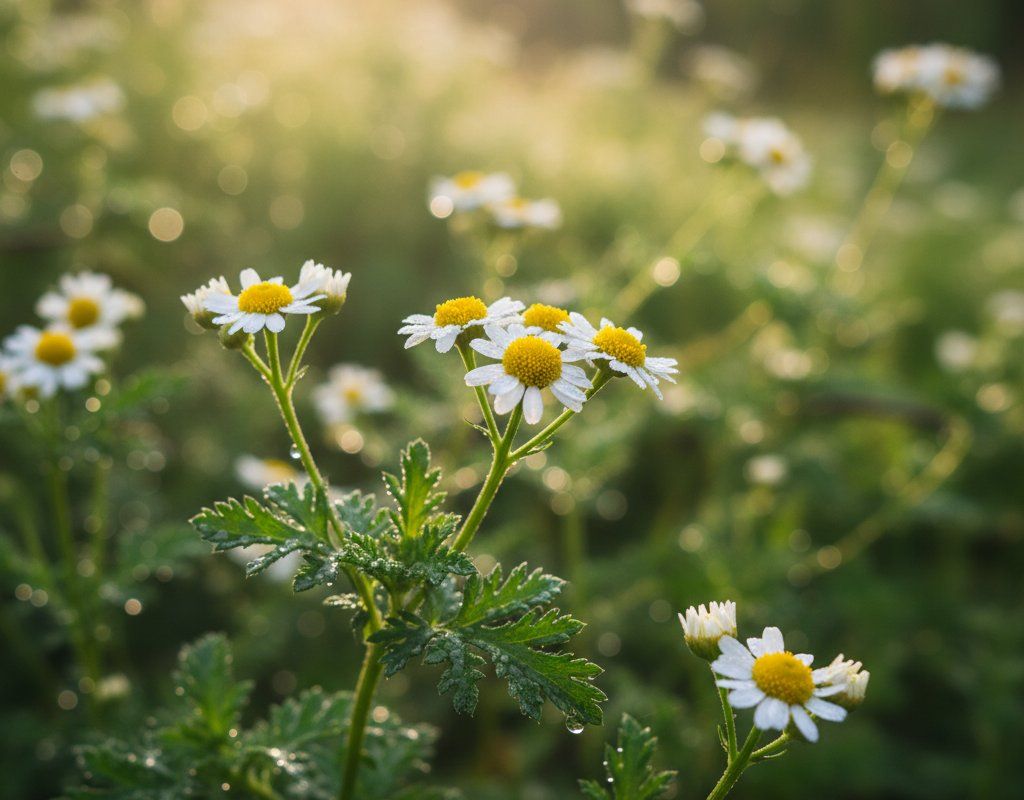
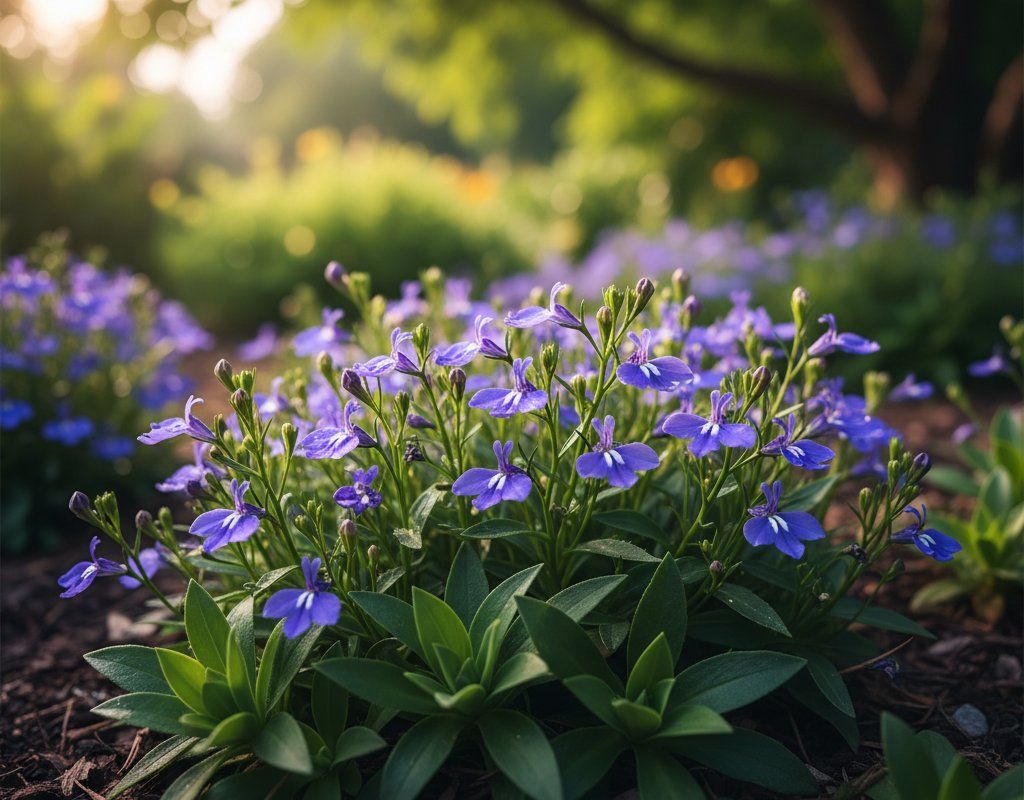
🌸Best Flowers to Plant with Spinach
These flowers protect your Spinach from pests and attract pollinators for better harvests.
For Pest Control



Get a Reminder When It's Time to Plant
We'll email you when key planting windows open for your zone.