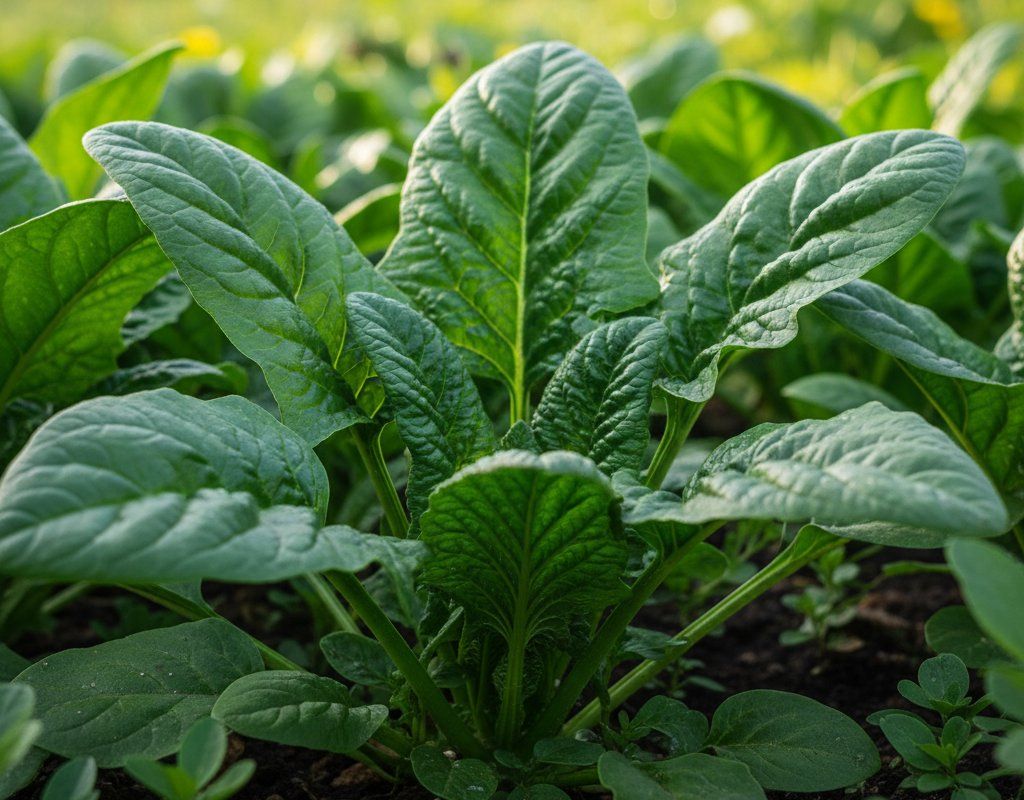
Spinach in Zone 10A — Southern California
Spinacia oleracea · Your Complete 2026 Planting Guide
Harvest Time!
Your Spinach should be producing now!
Harvest Tips
Harvest outer leaves for cut-and-come-again, or cut whole head.
How to Plant Spinach in Zone 10A — Southern California
Here are all your options for getting spinach in the ground, from the easiest method to more advanced approaches.
Direct Sow Seeds
RecommendedEarly December through early November
around December 4
Consider succession planting every 2-3 weeks for continuous harvest.
Spinach loves cold soil. Direct sow as soon as ground can be worked.
Start Seeds Indoors
RecommendedMid November through early December
around November 20
Then transplant: Mid December through late January
Start seeds 4-6 weeks before transplanting outdoors.
Buy Starts
Works WellMid December through late January
around December 18
Plant purchased starts after last frost (January 15).
Transplant Outdoors
Timing InfoMid December through late January
around December 18
Can tolerate light frost, but wait for soil to be workable.
You have a nice window — no need to rush.
Fall Planting
Early November through early December
November 18 ideal · Direct sow for fall harvest
Plant a second crop in mid-summer for fall harvest. Spinach actually prefers the cooling temperatures of fall.
Overview
Spinach brings unmatched versatility to your Southern California garden, offering tender, nutrient-packed leaves perfect for everything from morning smoothies to evening salads. Our mild winters create ideal conditions for this cool-season crop, letting you grow varieties that would struggle in harsher climates while enjoying harvests when grocery store spinach costs peak.
While our hot summers and occasional Santa Ana winds can challenge spinach, proper timing makes all the difference. With our 349-day growing season, you can succession plant through fall and winter for continuous harvests right through spring, avoiding the summer heat that causes bolting and bitter leaves.
Starting Seeds Indoors
Starting spinach seeds indoors makes sense when you want precise timing or need to protect young plants from unexpected warm spells in our very-early spring season. Sow seeds in cell trays from mid-November through early December, about four weeks before your planned transplant date.
Set up your seed trays in a cool spot (60-65°F works well) with bright light—a south-facing window or grow lights work perfectly. Spinach seeds prefer consistent moisture, so bottom watering prevents the soil surface from drying out while avoiding the crown rot that overhead watering can cause.
Your seedlings will be ready to harden off when they have 3-4 true leaves, typically after 3-4 weeks. This indoor head start particularly benefits gardeners dealing with unpredictable winter weather patterns along the coast.
Transplanting Outdoors
Transplant your spinach seedlings outdoors from mid-December through late January, when our mild winter temperatures provide ideal growing conditions. These young plants handle light frost beautifully, but you'll want them established before any surprise warm spells hit in late winter.
Harden off seedlings gradually over a week by placing them outside for increasing periods daily, starting with 2-3 hours in morning sun. Space transplants 4-6 inches apart in rows or scatter them throughout your beds—spinach's compact rosette growth habit makes it perfect for intensive planting.
Plant on overcast days or in late afternoon to minimize transplant shock. Our low winter humidity means newly transplanted spinach establishes quickly without the fungal issues common in more humid regions.
Direct Sowing
Direct sowing works exceptionally well in Southern California since spinach loves cold soil and our winter ground rarely freezes hard. Sow seeds from early December through early November, taking advantage of our cool, moist winter months.
Prepare beds by working compost into the top 6 inches of soil—spinach appreciates rich, well-draining ground that retains moisture without becoming waterlogged. Scatter seeds thinly and cover with ¼ inch of soil, then space seedlings to 4-6 inches apart once they emerge.
The main advantage of direct sowing here is avoiding transplant shock entirely, plus you can easily succession plant every 2-3 weeks through winter. Seeds germinate best in soil temperatures between 50-70°F, which describes our winter garden beds perfectly.
Watering Spinach in Zone 10A (Southern California)
Spinach demands consistent, even moisture to prevent the rapid bolting that our warm, dry climate can trigger. Plan for about 1 inch of water weekly, but adjust based on our irregular winter rainfall patterns—some weeks you'll need to supplement, others our rare but heavy rains will handle everything.
Use the finger test: stick your finger 2 inches deep into the soil near your plants. If it feels dry at that depth, it's time to water. During our typical winter weather, this usually means watering every 3-4 days, but watch for those sudden warm spells that can dry soil faster than expected.
Water at the base of plants rather than overhead—our low-to-moderate humidity means leaves dry quickly, but wet foliage still invites downy mildew problems. Morning watering helps keep roots cool during warmer days and allows any splash to dry before evening.
Apply 2-3 inches of organic mulch around plants to conserve moisture and keep roots cool. This becomes especially important if your spinach growing season extends into late spring when our inland temperatures start climbing toward summer heat.
🧪Fertilizing Spinach
Feeding Schedule
Organic Fertilizer Options
Harvest Time
Your first spinach harvest typically arrives from mid-January through early February, about 40 days after sowing. Look for outer leaves that reach 3-4 inches long with deep green color and tender texture—these are perfect for fresh eating.
Harvest by cutting individual outer leaves at the base, leaving the growing center intact for continued production. You can also cut the entire rosette about 1 inch above soil level, which encourages fresh growth from the crown. This cut-and-come-again method often provides 2-3 harvests from a single planting.
Keep harvesting regularly to prevent plants from shifting energy toward flowering, especially as days lengthen in spring. Baby spinach leaves (1-2 inches) offer the most tender flavor, while larger leaves work better for cooking applications.
Plan your final plantings to mature before late spring when rising temperatures trigger bolting. In Southern California, this usually means your last winter plantings should be in the ground by mid-February for harvest before the heat arrives.
Common Problems in Zone 10A (Southern California)
Bolting Your spinach suddenly sends up a central flower stalk and leaves turn bitter—this is bolting, the plant's shift from leaf production to reproduction. You'll notice the center growing tall and pointed, often accompanied by a bitter taste in remaining leaves.
Heat stress, long daylight hours, and inconsistent watering trigger bolting in our climate. Our unpredictable late winter warm spells can cause young plants to bolt prematurely, especially when combined with Santa Ana wind conditions that stress plants.
Choose slow-bolt varieties like 'Space' or 'Tyee' for spring growing. Provide afternoon shade when temperatures climb above 75°F, and maintain consistent soil moisture. Succession plant every 2-3 weeks rather than one large planting—this spreads your risk and ensures continuous harvests.
Downy Mildew Yellow patches appear on leaf tops while fuzzy gray-purple growth develops on undersides. Leaves gradually brown and die from bottom to top, often during our cooler, damper winter months.
This fungal disease spreads through wind-carried spores and thrives in the cool, humid conditions of our marine layer influence along the coast. Poor air circulation and overhead watering create perfect conditions for infection.
Remove affected leaves immediately and dispose of them away from your garden. Water only at soil level, never on foliage, and space plants properly for good airflow. Copper-based fungicides applied preventively help during particularly damp periods.
Leaf Miners Winding, silvery trails appear in leaves where tiny larvae tunnel between leaf surfaces. These serpentine paths eventually turn brown and can make leaves unappetizing, though they don't usually kill plants.
Adult flies lay eggs on leaf undersides, and emerging larvae feed within leaf tissue. These pests remain active through our mild winters, unlike in colder climates where freezing temperatures provide natural control.
Remove affected leaves promptly and use row covers during peak fly activity in early winter. Beneficial insects like parasitic wasps help control populations naturally. Yellow sticky traps catch adult flies before they lay eggs.
Southern California Specific Challenges: Our combination of hot inland temperatures, low-to-moderate humidity, and winter-wet rainfall creates unique growing conditions. Spinach thrives in our cool winters but requires careful water management as spring approaches. The lack of hard freezes means pest populations persist year-round, requiring more vigilant monitoring than gardeners in colder zones experience.
Best Companions for Spinach
Plant these nearby for healthier Spinach and better harvests.

Keep Away From
Companion Planting Details
Spinach pairs beautifully with strawberries in Southern California gardens, as both appreciate similar cool, moist conditions and the strawberries' dense foliage helps shade spinach roots during warmer days. Plant spinach around your strawberry bed edges for efficient space use and mutual benefit. Peas and beans make excellent neighbors since their nitrogen-fixing roots improve soil fertility for the heavy-feeding spinach, while their vertical growth provides natural shade as days lengthen.
Brassicas like kale, cabbage, and broccoli work well nearby because they share similar growing seasons and pest management strategies in our climate. Avoid planting spinach too close to large, spreading plants that might shade it excessively during our limited winter sunlight hours—spinach needs good light exposure during our shorter days to develop properly.
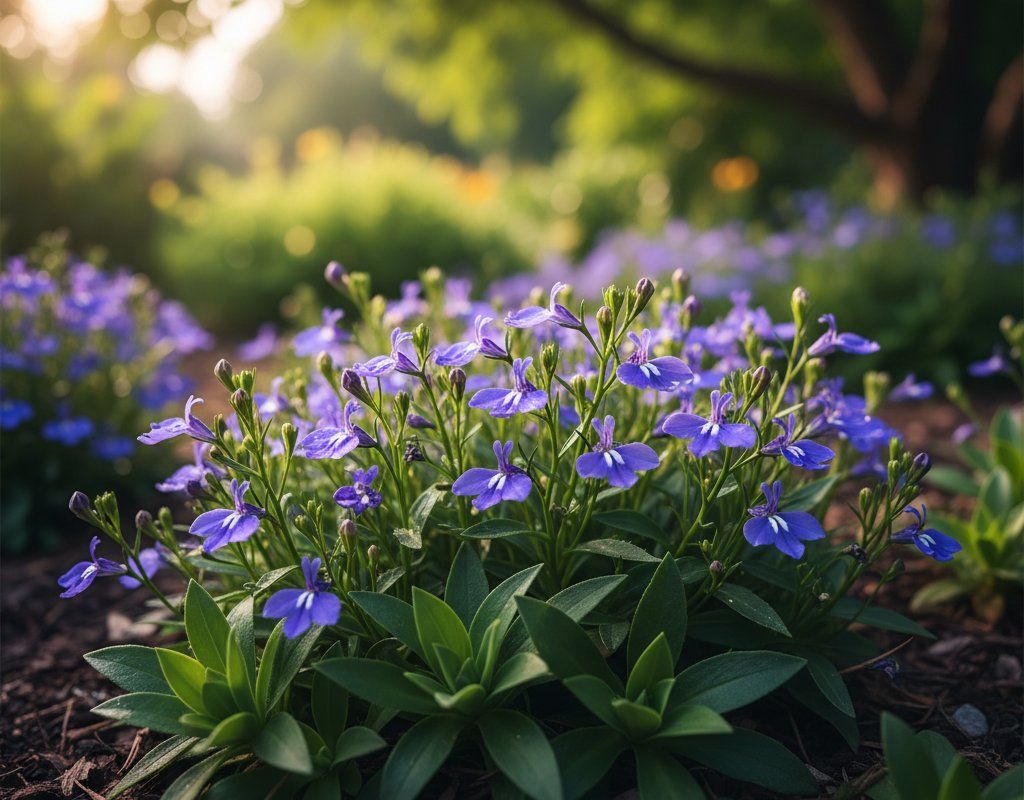
🌸Best Flowers to Plant with Spinach
These flowers protect your Spinach from pests and attract pollinators for better harvests.
For Pest Control




Get a Reminder When It's Time to Plant
We'll email you when key planting windows open for your zone.