
Spinach in Zone 10B — Southern California
Spinacia oleracea · Your Complete 2026 Planting Guide
Harvest Time!
Your Spinach should be producing now!
Harvest Tips
Harvest outer leaves for cut-and-come-again, or cut whole head.
How to Plant Spinach in Zone 10B — Southern California
Here are all your options for getting spinach in the ground, from the easiest method to more advanced approaches.
Direct Sow Seeds
RecommendedLate to early November
around November 29
Consider succession planting every 2-3 weeks for continuous harvest.
Spinach loves cold soil. Direct sow as soon as ground can be worked.
Start Seeds Indoors
RecommendedEarly to late November
around November 15
Then transplant: Mid December through late January
Start seeds 4-6 weeks before transplanting outdoors.
Buy Starts
Works WellMid December through late January
around December 13
Plant purchased starts after last frost (January 10).
Transplant Outdoors
Timing InfoMid December through late January
around December 13
Can tolerate light frost, but wait for soil to be workable.
You have a nice window — no need to rush.
Fall Planting
Early November through early December
November 19 ideal · Direct sow for fall harvest
Plant a second crop in mid-summer for fall harvest. Spinach actually prefers the cooling temperatures of fall.
Overview
Spinach thrives in Southern California's mild winters, giving you crisp, nutrient-packed leaves when most of the country is buried under snow. Our Mediterranean climate creates perfect conditions for this cool-season green—you can harvest fresh spinach from your backyard while enjoying 70-degree January afternoons. The flavor of homegrown spinach completely outshines the wilted grocery store bags, with tender leaves that work equally well in morning smoothies, evening salads, or sautéed with garlic.
Yes, our summer heat and drought conditions can challenge spinach, but timing is everything here. With our 355-day growing season, you have the luxury of planting spinach during our coolest months when other regions are frozen solid. Plant during our mild winter window, and you'll dodge both the scorching summer heat and the unpredictable Santa Ana winds that can stress cool-season crops.
Starting Seeds Indoors
Starting spinach indoors makes sense if you want precise control over timing or live in the hottest inland areas where even winter sun can be intense. Start seeds in early to late November, about four weeks before your planned transplant date. This gives you sturdy seedlings ready to go into the ground during our coolest window.
Use seed trays with good drainage and keep them in a bright, cool spot—around 60-65°F is ideal. Bottom watering works best for spinach since the seeds can rot if kept too wet on top. In our dry Southern California air, check moisture levels daily but don't overwater.
Given our very early spring character, indoor starting isn't essential for spinach like it might be for heat-loving crops. Most SoCal gardeners succeed with direct sowing, but starting indoors gives you more flexibility with succession planting through our mild winter.
Transplanting Outdoors
Your spinach seedlings are ready to transplant from mid-December through late January, when our temperatures stay consistently cool. These hardy plants can handle our occasional winter frosts, but avoid transplanting during heat waves—yes, we get them even in winter.
Harden off seedlings gradually over a week, starting with morning shade and working up to their permanent location. Space transplants 4-6 inches apart to allow good air circulation—important during our occasionally humid winter months when marine layer moves inland.
Watch the weather forecast for Santa Ana wind events, which can stress newly transplanted seedlings with hot, dry air even in winter. Consider temporary shade cloth if high winds coincide with transplanting, especially in inland valleys where winter temperatures can still hit the 80s.
Direct Sowing
Direct sowing works beautifully for spinach in Southern California since our soil rarely freezes and you can work it year-round. Sow seeds from late October through early November when soil temperatures drop into the 50s and 60s—perfect for spinach germination.
Prepare your beds with compost and ensure good drainage, as our winter rains can create soggy conditions that lead to root rot. Sow seeds about half an inch deep and 4-6 inches apart, or scatter them more densely and thin later. Spinach actually prefers cool soil, so don't worry if the ground feels chilly to your touch.
Direct sowing gives you more cold-hardy plants than transplants and eliminates transplant shock. Plus, you can easily succession plant every two weeks through our extended cool season, ensuring continuous harvests right through our mild winter and into early spring.
Watering Spinach in Zone 10B (Southern California)
Spinach needs consistent moisture but not soggy soil—a balance that's crucial in Southern California where our winter rains can saturate ground one week and then disappear for a month. During our typically dry November through early December planting period, water deeply 2-3 times per week, providing about an inch of water total.
Once winter rains arrive, scale back watering but don't assume natural rainfall is enough. Check soil moisture with the finger test—stick your finger 2 inches down, and if it's dry, it's time to water. Our low humidity means soil dries out faster than you'd expect, even in winter.
Water at the base of plants early in the morning to keep soil cool and prevent the quick bolting that happens when roots get warm. Overhead watering in our low humidity isn't usually a disease problem, but it wastes water—a consideration with ongoing drought and water restrictions throughout Southern California.
Mulch around plants with compost or shredded leaves to retain moisture and keep roots cool, especially important as we move toward spring when temperatures start climbing. Signs of underwatering include wilted leaves and bitter taste, while overwatering shows up as yellowing lower leaves and stunted growth.
🧪Fertilizing Spinach
Feeding Schedule
Organic Fertilizer Options
Harvest Time
Your first spinach harvest typically arrives in early January, about 40 days after direct sowing in late November. Look for outer leaves that reach 3-4 inches long—they'll be dark green and feel substantial but still tender. Don't wait too long, as leaves get tougher and more bitter as they age, especially when our temperatures start warming in late winter.
Harvest by cutting outer leaves with scissors or pinching them off at the base, leaving the center growing point intact. This cut-and-come-again method keeps plants producing for weeks. You can also harvest entire plants by cutting the whole rosette about an inch above soil level—the roots will regrow new leaves for a second harvest.
Keep harvesting regularly to prevent bolting, which happens quickly once our day length increases and temperatures hit the 70s consistently. In coastal areas, you might get continuous harvests through March, while inland gardens often see plants bolt by late February when heat builds up.
As late December approaches and first frost threatens (though rarely severe in our zone), harvest any remaining leaves rather than trying to protect plants. With our long growing season, it's easier to start fresh plantings than nurse stressed plants through temperature swings.
Common Problems in Zone 10B (Southern California)
Bolting shows up as a sudden tall flower stalk shooting from the center of your spinach plant, accompanied by leaves that turn bitter and tough. In Southern California, this happens when temperatures climb into the 80s for several consecutive days or when plants experience drought stress during our dry periods between winter rains. The combination of increasing daylight hours and warm weather triggers the plant's reproductive mode.
Prevent bolting by planting during our coolest window, providing afternoon shade in warmer microclimates, and maintaining consistent soil moisture. Choose bolt-resistant varieties like 'Space' or 'Olympia' that tolerate temperature swings better. If plants start bolting, harvest immediately—the leaves are still edible if picked before flowers fully develop.
Downy mildew appears as yellow patches on leaf tops with fuzzy gray-purple growth on the undersides, eventually causing leaves to brown and die from the bottom up. This fungal disease thrives during our marine layer periods when humidity stays high overnight, especially in coastal gardens where morning fog is common.
Remove affected leaves immediately and improve air circulation by proper spacing. Water only at the base of plants, never overhead, and avoid watering late in the day when humidity naturally rises. Copper-based organic fungicides can help prevent spread, but good cultural practices work better in our generally dry climate.
Leaf miners create winding white trails through spinach leaves as tiny larvae tunnel between the upper and lower leaf surfaces. These pests are active year-round in Southern California's mild climate and can quickly ruin a crop's appearance and edibility.
Remove affected leaves promptly and consider row covers during peak fly activity in late fall and early spring. Yellow sticky traps help monitor and reduce adult flies. The damage is mostly cosmetic on lightly infested leaves, but severe infestations make leaves inedible.
Southern California Specific Challenges: Our hot summer heat and extended dry periods between winter rains create unique stress on spinach. Santa Ana winds can rapidly dehydrate plants and trigger early bolting, while our intense sun even in winter can scorch leaves in inland valleys. The unpredictable nature of our rainfall means you'll need to supplement irrigation more than gardeners in naturally wet winter climates.
Best Companions for Spinach
Plant these nearby for healthier Spinach and better harvests.

Keep Away From
Companion Planting Details
Spinach pairs beautifully with strawberries in Southern California gardens—the spinach provides ground cover and light shade for strawberry plants while benefiting from the same cool-season watering schedule. Plant peas and beans nearby, as their nitrogen-fixing roots improve soil for the heavy-feeding spinach, and all three crops thrive in our mild winter conditions.
Brassicas like kale, broccoli, and cabbage make excellent companions since they share similar growing requirements and harvest timing in our zone. They also help maximize space efficiency in winter beds when warm-season crops are dormant. Avoid planting spinach near large, established plants that might shade it too heavily—while spinach tolerates partial shade, it needs adequate light during our shorter winter days to develop properly.
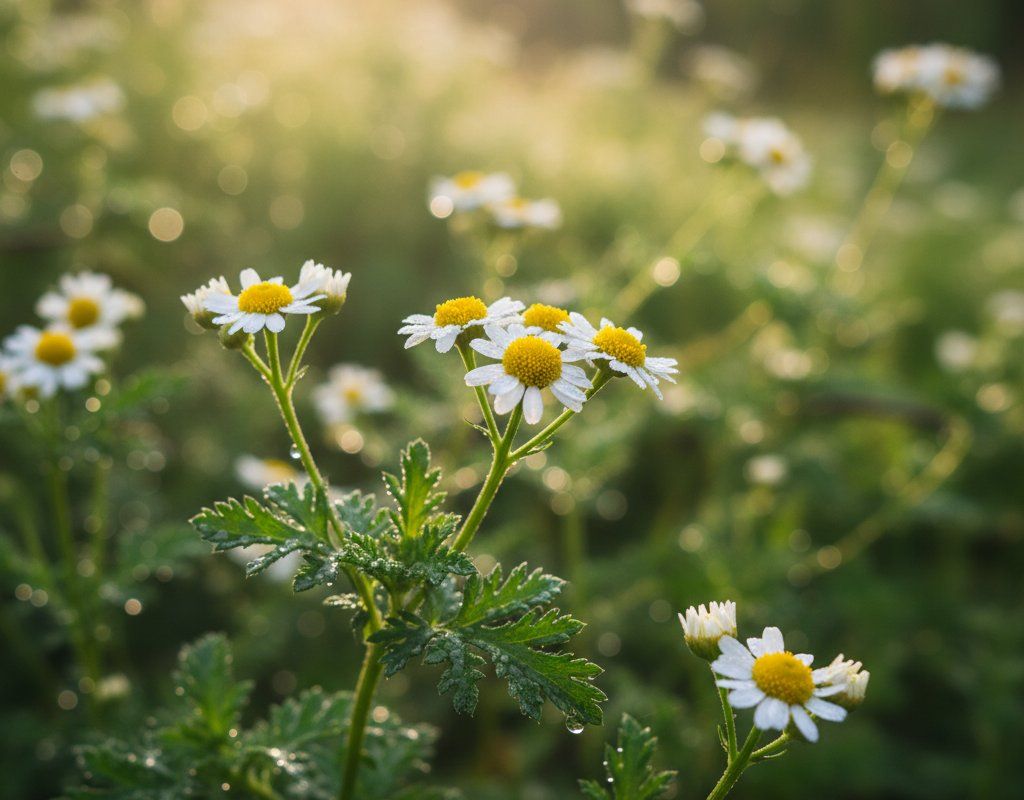
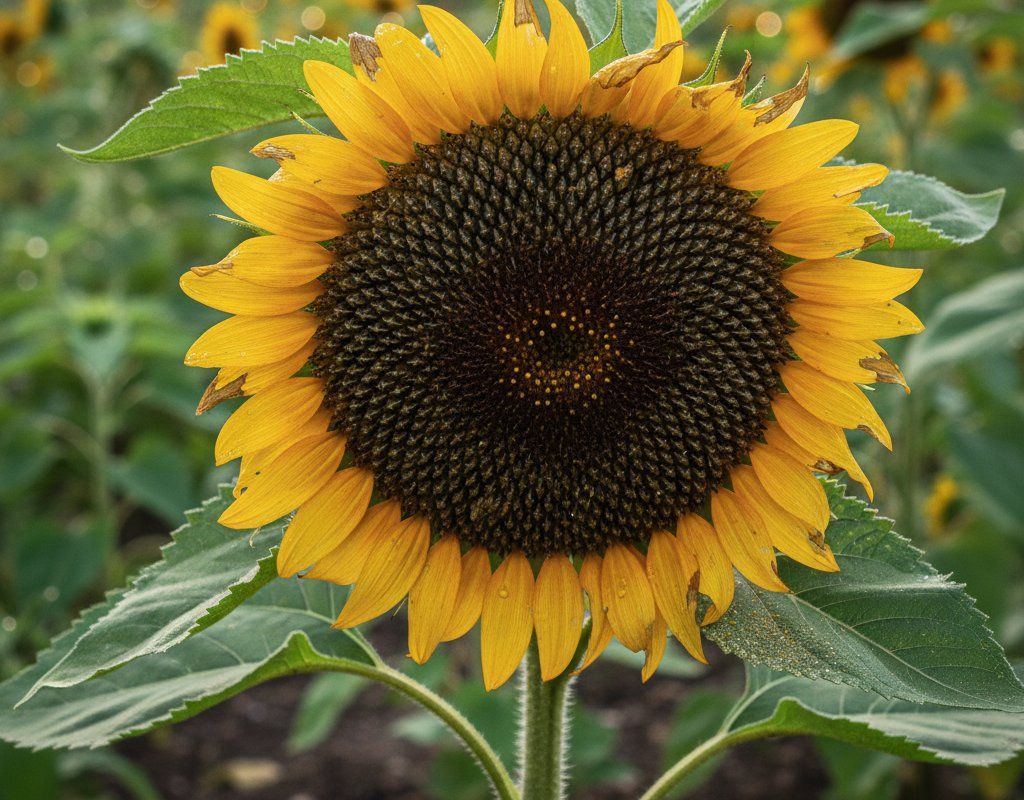
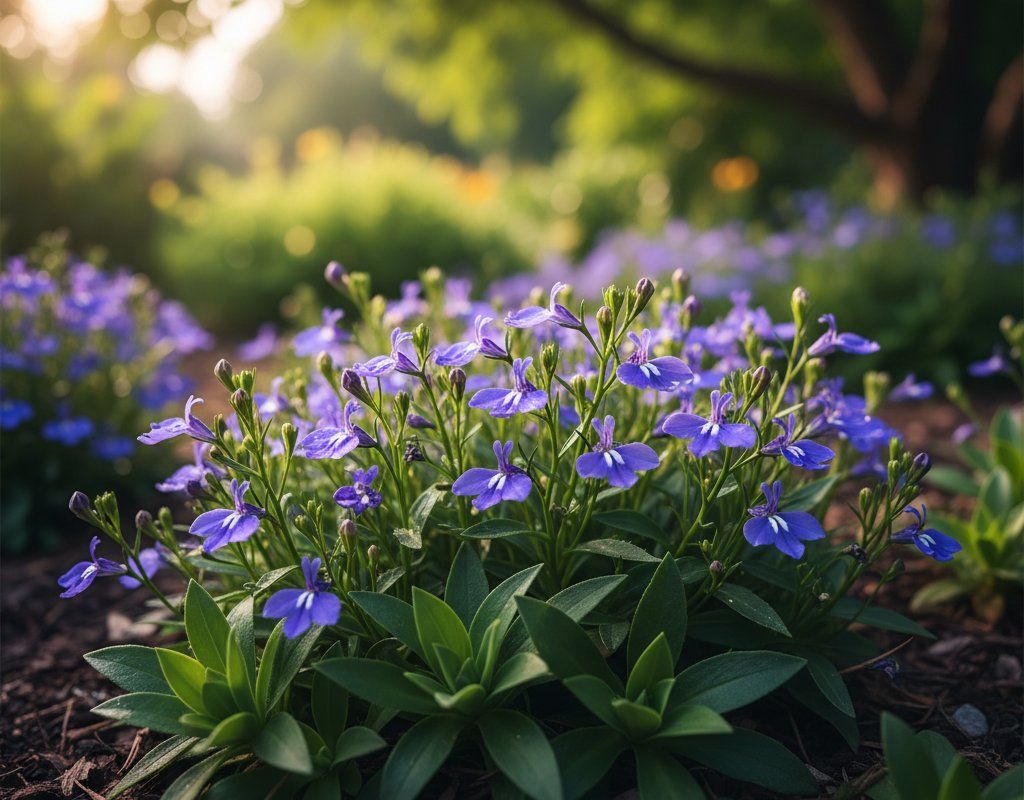
🌸Best Flowers to Plant with Spinach
These flowers protect your Spinach from pests and attract pollinators for better harvests.
For Pest Control


Get a Reminder When It's Time to Plant
We'll email you when key planting windows open for your zone.