
Spinach in Zone 4B — Northeast
Spinacia oleracea · Your Complete 2026 Planting Guide
Planning Ahead — Great!
You’re ahead of the season. Here’s when to start.
Mark Your Calendar
How to Plant Spinach in Zone 4B — Northeast
Here are all your options for getting spinach in the ground, from the easiest method to more advanced approaches.
Direct Sow Seeds
RecommendedLate March through early August
around March 29
Consider succession planting every 2-3 weeks for continuous harvest.
Spinach loves cold soil. Direct sow as soon as ground can be worked.
Start Seeds Indoors
RecommendedEarly to late March
around March 15
Then transplant: Mid April through late May
Start seeds 4-6 weeks before transplanting outdoors.
Buy Starts
Works WellMid April through late May
around April 12
Plant purchased starts after last frost (May 10).
Transplant Outdoors
Timing InfoMid April through late May
around April 12
Can tolerate light frost, but wait for soil to be workable.
You have a nice window — no need to rush.
Fall Planting
Late July through late August
August 14 ideal · Direct sow for fall harvest
Plant a second crop in mid-summer for fall harvest. Spinach actually prefers the cooling temperatures of fall.
Overview
Spinach thrives in our Northeast Zone 4B climate, making it one of the most reliable greens you can grow here. Our cool nights and moderate summers create perfect conditions for sweet, tender leaves that never develop the bitter edge common in hotter regions. With our even 40-50 inches of annual rainfall and naturally cool growing conditions, you'll get consistently better flavor than anything shipped from warmer climates.
Our short 138-day growing season and potential for late spring frosts might seem challenging, but spinach actually loves these conditions. This hardy green can handle our rocky New England soil and cool temperatures that would stress other crops. With proper timing through our brief but productive summer, you can harvest fresh spinach from early May clear through early October.
Starting Seeds Indoors
Starting spinach seeds indoors isn't essential, but it gives you a head start during our notoriously unpredictable late spring. Begin seeding in early to late March, about four weeks before your planned transplant date. This timing lets you work around our region's tendency toward late cold snaps and temperature swings.
Set up seed trays with quality potting mix and keep them at 60-70°F for germination. Our Northeast homes tend to be cool in March, so a heating mat helps seeds sprout faster. Once seedlings emerge, they prefer cooler conditions - a sunny windowsill or grow lights work well.
Use bottom watering to prevent damping-off, which can be problematic in our humid spring conditions. The trays should stay evenly moist but never waterlogged. Since spinach doesn't love root disturbance, consider biodegradable pots that can be planted directly into the ground.
Transplanting Outdoors
Plan to transplant your indoor-started spinach from mid-April through late May, timing it for about two weeks after your average last frost in early May. Our springs can be tricky with unexpected warm spells followed by chilly nights, so watch the extended forecast before committing seedlings to the garden.
Harden off seedlings gradually over a full week, starting with just a few hours outdoors in a sheltered spot. Our spring winds and temperature swings can shock tender plants, so this step is crucial. Start with partial shade and gradually increase both sun exposure and outdoor time.
Space transplants 4-6 inches apart in rows or beds. In our rocky New England soil, you'll likely need to amend with compost for the best results. The cool, moist conditions of our typical spring give transplants time to establish strong root systems before summer heat arrives.
Direct Sowing
Direct sowing works beautifully for spinach in our Northeast climate since this crop actually prefers cold soil. Start sowing as soon as you can work the ground in late March, and continue through early August for succession plantings. Our cool spring soil temperatures are exactly what spinach seeds need to germinate well.
Prepare your planting area by working compost into our typically rocky soil - spinach appreciates the improved drainage and fertility. Sow seeds ¼ inch deep and 4-6 inches apart, or broadcast more densely and thin later. The seeds will germinate slowly in cool soil but produce stronger plants than those rushed in warm conditions.
Take advantage of our long growing window by making succession plantings every 2-3 weeks through summer. Stop sowing by late August to ensure your final crop matures before our first frost arrives in late September. Cool nights and moderate summer temperatures mean less bolting pressure than gardeners in hotter regions face.
Watering Spinach in Zone 4B (Northeast)
Spinach needs consistent moisture but never soggy conditions, making our moderate Northeast climate nearly perfect for this crop. With our typical 40-50 inches of even annual rainfall, you'll rarely need to worry about drought stress that plagues gardeners in drier regions. However, our moderate-to-humid summers mean you need to be strategic about when and how you water.
Aim for about 1 inch of water per week, including rainfall. Use the finger test - soil should feel moist 2 inches down but not waterlogged. During our brief summer heat waves when temperatures hit the low 80s, increase watering frequency to keep soil consistently cool. Morning watering works best in our humid conditions, giving plants time to dry before our typically cool nights.
Water at the base of plants rather than overhead to prevent disease issues common in our moderate-to-humid climate. A soaker hose or drip irrigation works perfectly for spinach rows. Signs of underwatering include wilting during warm afternoons and bitter-tasting leaves, while overwatering shows as yellowing lower leaves and stunted growth.
A light mulch of shredded leaves or straw helps maintain consistent soil moisture and keeps roots cool during our moderate summer heat. In our climate, this steady moisture combined with cool nights creates the perfect conditions for sweet, tender spinach leaves that simply can't be matched in hotter regions.
🧪Fertilizing Spinach
Feeding Schedule
Organic Fertilizer Options
Harvest Time
Your first spinach harvest typically arrives in early May, about 40 days after sowing or transplanting. In our Northeast growing conditions, you'll notice leaves reach 3-4 inches long and develop that deep green color that signals peak flavor. Our cool nights concentrate sugars in the leaves, giving you sweeter spinach than you'd get in warmer climates.
Harvest outer leaves first, cutting them cleanly about an inch above the soil line to encourage continued growth from the center. You can also cut the entire rosette an inch above ground level - the crown will regrow for a second harvest in 2-3 weeks. This cut-and-come-again method works especially well in our moderate summer conditions.
Keep harvesting regularly through our growing season, which runs through early October. As temperatures start dropping in late August, plants often experience a second flush of vigorous growth. Our cool fall nights actually improve leaf quality, making autumn spinach some of the best you'll grow all year.
As first frost approaches in late September, harvest your final crop all at once. Spinach can handle light frosts, but a hard freeze will damage the leaves. The timing works out perfectly - you'll have fresh spinach available right up until you need to start thinking about your next spring's garden planning.
Common Problems in Zone 4B (Northeast)
Bolting shows up as a tall flower stalk shooting from the plant's center, with leaves quickly turning bitter and tough. You'll notice this most during warm spells in late spring or summer when temperatures climb into the 80s for several consecutive days. Our moderate Northeast summers actually give us an advantage here - bolting is much less common than in hotter regions, but heat combined with long days can still trigger it.
The key is timing your plantings to avoid the longest, warmest days of summer. Plant early varieties in spring and resume planting by mid-July for fall crops. During warm periods, provide afternoon shade with row covers and keep soil consistently moist. Succession planting every few weeks ensures you always have fresh plants coming along.
Downy mildew appears as yellow patches on leaf tops with fuzzy gray-purple growth underneath, especially during our humid spring conditions. Our moderate-to-humid climate creates perfect conditions for this fungal issue, particularly when cool nights follow warm, humid days. You'll typically see it first on older, lower leaves.
Remove affected leaves immediately and avoid overhead watering in our humid climate - always water at the base. Improve air circulation by proper spacing and consider using a small fan in enclosed growing areas. Copper-based fungicides can help prevent spread, but good cultural practices work better long-term.
Leaf miners create winding white tunnels through leaves, looking like someone drew squiggly lines inside the leaf tissue. These tiny fly larvae are common in our region and can quickly ruin a crop's appearance. You'll often notice the damage before you spot the small flies themselves.
Remove damaged leaves promptly and destroy them - don't compost. Row covers during peak fly season (late spring through early summer) prevent adults from laying eggs. Yellow sticky traps can help monitor and catch adult flies before they reproduce.
Northeast Specific Challenges: Our moderate heat and moderate-to-humid conditions mean disease pressure stays relatively low compared to hotter, more humid regions, but consistency in watering and air circulation becomes crucial during our brief summer growing window.
Best Companions for Spinach
Plant these nearby for healthier Spinach and better harvests.
Keep Away From
Companion Planting Details
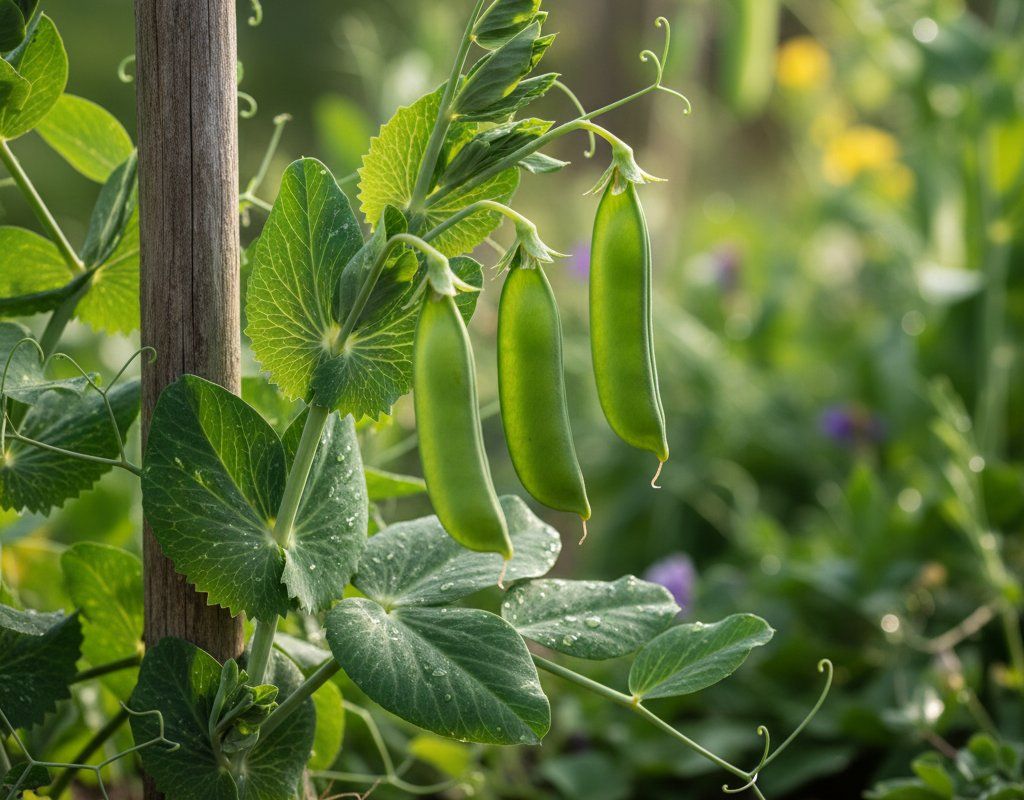
Spinach pairs beautifully with strawberries in our Northeast gardens - the strawberry plants provide light shade during warm periods while spinach's shallow roots don't compete with the berries' deeper system. Plant spinach between strawberry rows in early spring for harvests before the berries need full attention. Peas and beans make excellent companions too, with their nitrogen-fixing roots feeding the spinach while the greens mature before the legumes need full space.
Brassicas like broccoli and cabbage work well planted nearby since they share similar cool-season preferences and soil needs. In our rocky New England soil, this grouping makes soil amendment easier since you can improve one area for multiple crops. Avoid planting spinach too close to large brassicas that might shade it excessively - our moderate summer sun is precious and shouldn't be blocked unnecessarily.
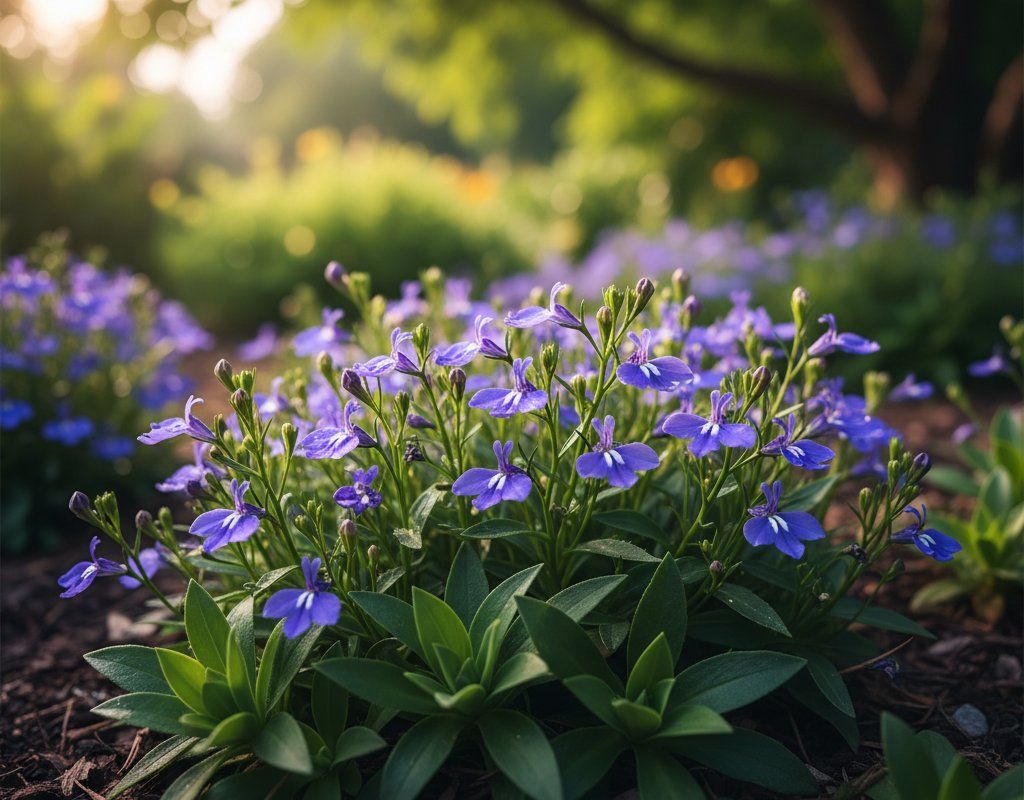
🌸Best Flowers to Plant with Spinach
These flowers protect your Spinach from pests and attract pollinators for better harvests.
For Pest Control




Get a Reminder When It's Time to Plant
We'll email you when key planting windows open for your zone.