
Spinach in Zone 5A — Northeast
Spinacia oleracea · Your Complete 2026 Planting Guide
Ideal Time: Start Seeds Indoors!
This is the perfect time for the biggest, best harvest.
Start Seeds Now
- Start seeds in trays or pots with seed-starting mix
- Keep soil moist and warm (70-80°F)
- Transplant outdoors Early April through mid May
Not Starting from Seed?
Buy starts around April 3 — that works great too!
How to Plant Spinach in Zone 5A — Northeast
Here are all your options for getting spinach in the ground, from the easiest method to more advanced approaches.
Direct Sow Seeds
RecommendedMid March through early August
around March 20
Consider succession planting every 2-3 weeks for continuous harvest.
Spinach loves cold soil. Direct sow as soon as ground can be worked.
Start Seeds Indoors
RecommendedLate February through mid March
around March 6
Then transplant: Early April through mid May
Start seeds 4-6 weeks before transplanting outdoors.
Buy Starts
Works WellEarly April through mid May
around April 3
Plant purchased starts after last frost (May 1).
Transplant Outdoors
Timing InfoEarly April through mid May
around April 3
Can tolerate light frost, but wait for soil to be workable.
You have a nice window — no need to rush.
Fall Planting
Early August through early September
August 20 ideal · Direct sow for fall harvest
Plant a second crop in mid-summer for fall harvest. Spinach actually prefers the cooling temperatures of fall.
Overview
Spinach thrives in our Northeast climate like few other crops can. Those cool nights that make growing tomatoes challenging? They're perfect for spinach, keeping the leaves tender and sweet while our moderate summers prevent the bitter flavors that plague gardeners in hotter regions. You can grow multiple crops from early spring through fall, taking advantage of our even rainfall and naturally cool conditions.
Our 153-day growing season might feel short for warm-season crops, but it's ideal for spinach. The late spring frost and early October freeze that challenge other vegetables actually work in spinach's favor - this hardy green laughs at temperatures that would kill basil. With proper timing, you'll harvest fresh spinach from late April through early October.
Starting Seeds Indoors
Starting spinach indoors isn't the most common approach, but it makes sense when you want to get a jump on the season or ensure transplants for succession planting. Start seeds indoors from late February through mid-March, about 4 weeks before you plan to transplant outside.
Use seed trays with good drainage and keep them at around 60-65°F - cooler than most vegetables prefer. Spinach actually germinates better in cool conditions than warm ones. Bottom watering works particularly well since it prevents the small seeds from washing around and keeps soil moisture even.
Since our Northeast springs start late, indoor starting gives you transplants ready to go out as soon as the soil can be worked in early April. Just remember that spinach doesn't love root disturbance, so handle transplants gently.
Transplanting Outdoors
Transplant your indoor-started spinach from early April through mid-May, timing it with our unpredictable Northeast spring weather. Start hardening off transplants about a week before planting by gradually exposing them to outdoor conditions - even spinach needs time to adjust to our cool spring winds.
Space transplants 4-6 inches apart in rows or scatter them in beds. Spinach grows in a low rosette, so they won't shade each other out at this spacing. Plant them slightly deeper than they were in their containers to encourage strong root development in our often rocky New England soil.
Watch the weather forecast during transplant season - while spinach handles frost, newly transplanted seedlings are more vulnerable than established plants. A row cover on particularly cold nights helps them settle in without stress.
Direct Sowing
Direct sowing is often the preferred method for spinach in the Northeast. You can sow from mid-March through early August, starting as soon as the ground can be worked in spring. Spinach actually prefers cool soil, so don't wait for warmth like you would with beans or squash.
Work compost into the planting area to improve drainage - especially important if you're dealing with heavy clay or rocky soil common in our region. Sow seeds about half an inch deep and 4-6 inches apart, or broadcast them and thin later. The seeds germinate well in cool soil that would discourage warm-season crops.
For continuous harvest, make successive sowings every 2-3 weeks through summer. Skip midsummer plantings during the hottest weeks (usually mid to late July) and resume in early August for fall crops that will thrive as temperatures drop toward autumn.
Watering Spinach in Zone 5A (Northeast)
Spinach needs consistent moisture but not waterlogged conditions - tricky in our moderate-to-humid Northeast climate where summer humidity can create fungal issues. Aim for about 1 to 1.5 inches of water per week, including our typically reliable rainfall. During dry spells, water deeply 2-3 times per week rather than daily light watering.
Use the finger test: stick your finger 2 inches into the soil near your spinach plants. If it's dry at that depth, it's time to water. In our humid summers, morning watering is crucial - it gives plants time to dry before evening humidity sets in, reducing disease problems.
Water at the base of plants rather than overhead to keep leaves dry. This is especially important in our moderate-to-humid climate where wet foliage can quickly develop downy mildew or other fungal issues. A soaker hose or drip irrigation works perfectly for spinach rows.
Signs of underwatering include wilting in late afternoon (even when temperatures are only in the low 80s) and bitter-tasting leaves. Overwatering shows up as yellowing lower leaves and stunted growth. A light mulch of straw or shredded leaves helps maintain even soil moisture while keeping roots cool during our moderate summer heat.
🧪Fertilizing Spinach
Feeding Schedule
Organic Fertilizer Options
Harvest Time
Expect your first spinach harvest from late April through early October, depending on when you planted. Baby spinach leaves are ready in about 30 days, while full-size leaves take the full 40 days to maturity. The cool nights that are common in our Northeast climate help keep leaves tender longer than in hotter regions.
Harvest outer leaves when they're 3-4 inches long, leaving the center growing point intact for continued production. Cut leaves cleanly with scissors rather than pulling to avoid disturbing shallow roots. You can also cut the entire plant about 1 inch above soil level for a complete harvest - it will often regrow for a second cutting.
Keep harvesting regularly to prevent bolting, especially during the longer days of late spring and early summer. Even with our moderate summer temperatures, spinach will bolt if you let it get ahead of you. Cool morning harvests keep leaves crisp longer in storage.
As our first frost approaches in early October, harvest remaining plants completely. Unlike some cold-hardy greens, spinach quality declines after hard frost, though it will survive light frosts that would kill tender crops.
Common Problems in Zone 5A (Northeast)
Bolting shows up as a tall flower stalk shooting from the center of the plant, with leaves becoming bitter and tough. This happens when plants experience stress from heat, drought, or long summer days. In our Northeast climate, bolting is most common during late spring warm spells when temperatures jump unexpectedly, or during the longest days around summer solstice.
Plant bolt-resistant varieties and provide afternoon shade during heat waves. Keep soil consistently moist and make succession plantings rather than trying to keep one planting going all season. Our moderate summer heat helps, but even 80-degree days can trigger bolting in stressed plants.
Downy mildew appears as yellow patches on leaf tops with fuzzy gray-purple growth on undersides, eventually causing leaves to brown and die. This fungal disease thrives in our moderate-to-humid conditions, especially during cool, damp springs or when overhead watering keeps foliage wet.
Remove affected leaves immediately and improve air circulation between plants. Always water at the base rather than overhead, and avoid working in the garden when leaves are wet from dew or rain. Plant resistant varieties and consider copper-based fungicides during persistently damp weather.
Leaf miners create winding white or brown trails through leaves as tiny larvae tunnel inside. These small flies lay eggs on leaf undersides, and the larvae create the characteristic serpentine damage. Row covers during peak fly activity (late spring and early summer) provide the best prevention.
Remove affected leaves promptly and destroy them rather than composting. The moderate temperatures in our Northeast summers actually favor leaf miner activity more than extreme heat would, so stay vigilant throughout the growing season.
Northeast Specific Challenges: Our moderate-to-humid climate creates perfect conditions for fungal diseases while our rocky soil can cause drainage issues. However, the same cool, even conditions that challenge disease prevention also keep spinach sweeter and less prone to bolting than in hotter climates.
Best Companions for Spinach
Plant these nearby for healthier Spinach and better harvests.

Keep Away From
Companion Planting Details
Spinach pairs beautifully with strawberries, sharing similar water needs while the strawberry plants provide beneficial ground cover that keeps soil cool and moist. Plant spinach between strawberry rows or around individual plants. Peas and beans also make excellent companions - they fix nitrogen that feeds the spinach while their taller growth provides helpful afternoon shade during late spring heat waves.
Brassicas like kale, cabbage, and broccoli work well with spinach since they have similar cool-season preferences and pest management needs. Plant them together for efficient use of row covers and similar harvest timing. In our Northeast climate, these combinations make the most of our shorter growing season while the natural cooling from companion plants helps prevent premature bolting during warm spells.
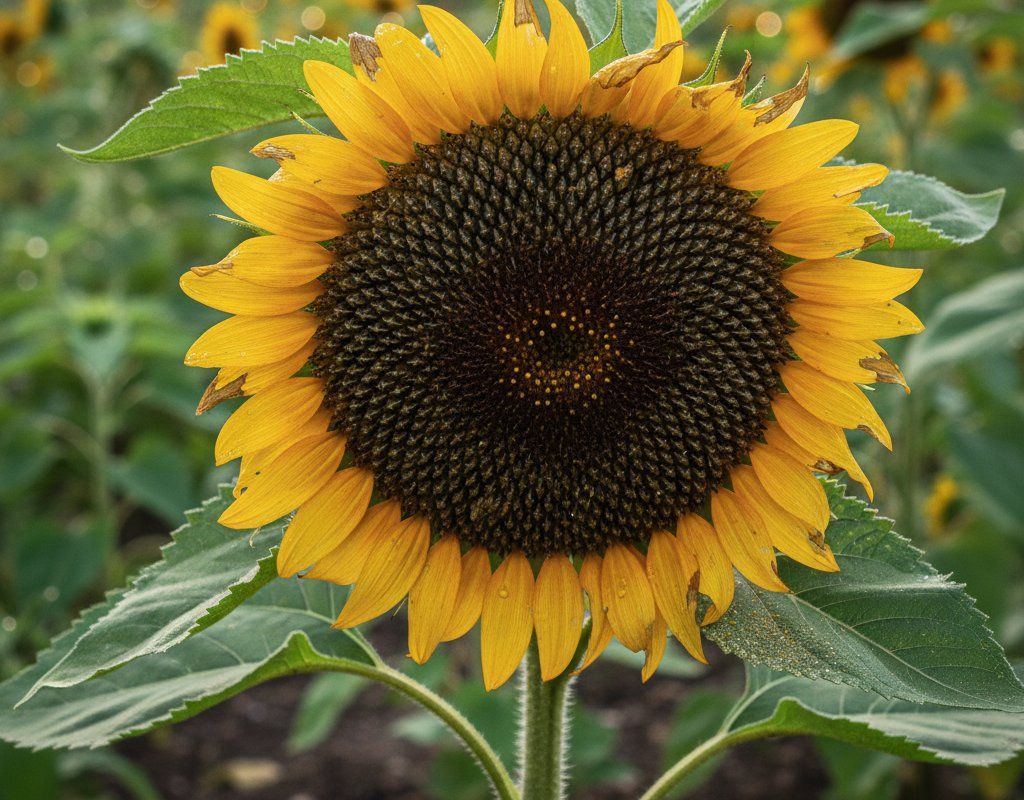
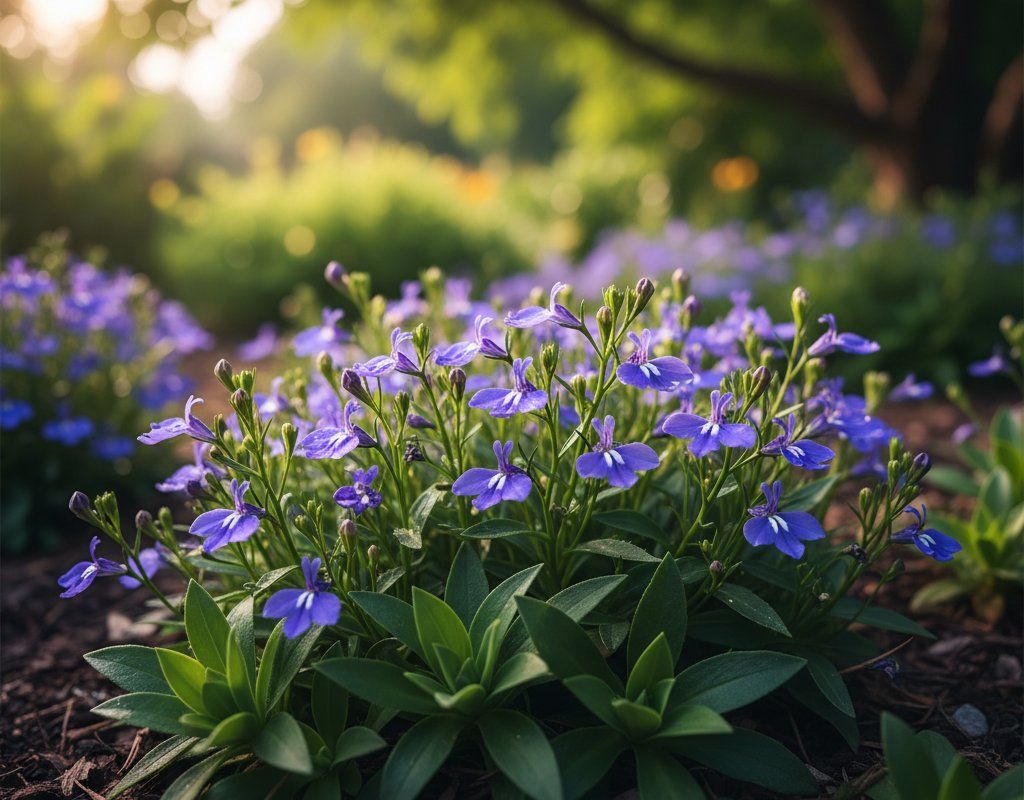
🌸Best Flowers to Plant with Spinach
These flowers protect your Spinach from pests and attract pollinators for better harvests.
For Pest Control



Get a Reminder When It's Time to Plant
We'll email you when key planting windows open for your zone.