
Spinach in Zone 5B — Mid-Atlantic
Spinacia oleracea · Your Complete 2026 Planting Guide
Last Call for Seed Starting!
Indoor seed starting window closes in 5 days.
Start Seeds This Week
Start seeds now for transplanting later.
Or Wait for Starts
If you don’t want to start seeds, starts will be available around March 23.
How to Plant Spinach in Zone 5B — Mid-Atlantic
Here are all your options for getting spinach in the ground, from the easiest method to more advanced approaches.
Direct Sow Seeds
RecommendedEarly March through late August
around March 9
Consider succession planting every 2-3 weeks for continuous harvest.
Spinach loves cold soil. Direct sow as soon as ground can be worked.
Start Seeds Indoors
RecommendedMid February through early March
around February 23
Then transplant: Late March through early May
Start seeds 4-6 weeks before transplanting outdoors.
Buy Starts
Works WellLate March through early May
around March 23
Plant purchased starts after last frost (April 20).
Transplant Outdoors
Timing InfoLate March through early May
around March 23
Can tolerate light frost, but wait for soil to be workable.
You have a nice window — no need to rush.
Fall Planting
Mid August through mid September
September 3 ideal · Direct sow for fall harvest
Plant a second crop in mid-summer for fall harvest. Spinach actually prefers the cooling temperatures of fall.
Overview
Spinach thrives in our Mid-Atlantic climate, giving you fresh, nutrient-packed greens from early spring through late fall. Unlike the tough, bitter leaves you find at the store, homegrown spinach has tender texture and sweet flavor that transforms salads, smoothies, and cooked dishes. Our four seasons and reliable rainfall create ideal conditions for multiple plantings, letting you harvest continuously through our 178-day growing season.
The humid summers and variable spring weather can challenge spinach, but proper timing makes all the difference. Plant early in spring and again in late summer to avoid the heat stress that causes bolting. With succession planting, you'll have fresh spinach available for most of the year, even surviving light frosts that would kill more tender greens.
Starting Seeds Indoors
Starting spinach seeds indoors works well in the Mid-Atlantic when you want an early spring harvest or better control over germination. Start seeds in mid-February through early March, about 4 weeks before transplanting outdoors. Spinach seeds germinate quickly in cool conditions—around 60-65°F—so you don't need a heat mat.
Use seed trays filled with quality potting mix and plant seeds ¼ inch deep. Bottom watering works best since it prevents damping off and keeps soil evenly moist without creating soggy conditions. Place trays in a bright window or under grow lights, providing 12-14 hours of light daily.
Our moderate spring conditions make indoor starting less critical than in harsher climates, but it gives you a 2-3 week head start over direct sowing. This method works especially well for your first spring planting when soil might still be too wet or cold to work easily.
Transplanting Outdoors
Transplant your indoor-started spinach seedlings from late March through early May, once soil can be worked and isn't waterlogged from spring rains. Spinach handles cool weather beautifully, tolerating temperatures down to the mid-20s, so don't worry about those occasional late cold snaps we get in April.
Harden off seedlings gradually over 7-10 days, starting with 2-3 hours outdoors in partial shade and extending time daily. Our variable spring weather—warm one day, chilly the next—actually helps toughen up transplants naturally. Watch the forecast and bring them in if hard frost threatens.
Space transplants 4-6 inches apart in rows or blocks, giving each plant room to form its rosette of leaves. Plant at the same depth they were growing in their containers and water gently to settle soil around roots. The clay soil common in our region holds moisture well, which spinach appreciates, but make sure drainage is adequate to prevent root rot.
Direct Sowing
Direct sowing is often the preferred method for spinach in the Mid-Atlantic since the seeds love cold soil and germinate reliably in cool conditions. Sow from early March through late August, taking advantage of our long growing season for multiple successions. Plant as soon as your soil can be worked in spring—even if it's still quite cool.
Prepare beds by loosening clay soil with compost or aged manure to improve drainage and workability. Plant seeds ½ inch deep and 2 inches apart, then thin to 4-6 inches as seedlings develop. The seeds will sit dormant until soil temperatures reach 35-40°F, then germinate quickly once conditions are right.
For continuous harvests, sow new rows every 2-3 weeks through late spring, then resume in mid-August for fall crops. Summer sowings work best in partial shade with consistent moisture, while spring and fall plantings can handle full sun. Our even rainfall pattern supports direct seeding better than in drier climates.
Watering Spinach in Zone 5B (Mid-Atlantic)
Consistent moisture is absolutely critical for spinach success in our Mid-Atlantic climate. These plants need about 1-1.5 inches of water weekly, including rainfall, to prevent the stress that triggers early bolting. Our humid summers can be deceiving—the air feels moist, but soil may still be dry at root level.
Check soil moisture by sticking your finger 2 inches deep near plant bases. The soil should feel like a wrung-out sponge—moist but not soggy. During our typical spring weather with alternating rain and sun, you may not need to water much. But once temperatures hit the 80s consistently, daily watering becomes essential.
Water at the base of plants rather than overhead to reduce disease problems in our humid conditions. Morning watering is ideal since it allows leaves to dry before evening, reducing the risk of downy mildew that thrives in our muggy summer nights. A soaker hose or drip irrigation works perfectly for spinach beds.
Mulch around plants with 2-3 inches of shredded leaves or straw to keep roots cool and retain moisture. This is especially important during late spring and early summer when our temperatures start climbing toward that 88°F average high. Watch for wilting leaves or bitter flavor—both signs that plants need more consistent water.
🧪Fertilizing Spinach
Feeding Schedule
Organic Fertilizer Options
Harvest Time
Your first spinach harvest will be ready from mid-April through late October, depending on planting time. Most varieties mature in about 40 days from seed, but you can start harvesting baby leaves much sooner. Begin picking when outer leaves reach 3-4 inches long, cutting individual leaves at the base with scissors or a sharp knife.
For continuous production, harvest the outer leaves while leaving the center growing point intact. This "cut-and-come-again" method keeps plants producing for weeks, especially in our cool spring and fall weather. You can also cut entire plants about 1 inch above soil level—they'll often regrow for a second harvest if conditions stay cool.
As our first frost approaches in mid-October, harvest becomes more urgent. Spinach can survive light frosts and even tastes sweeter after exposure to cold, but hard freezes will damage leaves. Plan your final fall plantings in mid-August through mid-September to ensure harvest before winter arrives.
Quality declines quickly once hot weather hits, so harvest frequently during late spring warm-ups. Leaves that look perfect in the morning can be bitter and tough by afternoon when temperatures soar. Early morning harvests give you the best flavor and texture.
Common Problems in Zone 5B (Mid-Atlantic)
Bolting shows up as a sudden flower stalk shooting up from the center of your spinach plant, often seemingly overnight. The leaves become bitter and tough once this happens, shifting the plant's energy from leaf production to seed production. Our variable spring weather, especially those warm spells in April followed by cool snaps, can trigger premature bolting along with summer heat stress.
Plant at the right times—early spring and late summer—to avoid the worst heat. Provide afternoon shade during warm weather and keep soil consistently moist, as drought stress accelerates bolting. Choose bolt-resistant varieties like 'Space' or 'Bloomsdale' for better heat tolerance in our climate.
Downy mildew appears as yellow patches on leaf tops with fuzzy gray-purple growth underneath, particularly on older leaves. Our humid summer conditions create perfect conditions for this fungal disease, especially when combined with overhead watering or poor air circulation. Affected leaves eventually brown and die from the bottom up.
Remove affected leaves immediately and improve air circulation by proper spacing. Always water at the base rather than overhead, since our high humidity already provides plenty of moisture in the air. Consider copper-based fungicides for prevention during humid periods, and choose resistant varieties when available.
Leaf miners create distinctive serpentine tunnels or blotches between leaf surfaces, leaving white or brown trails that follow the pest's feeding pattern. These small fly larvae are more problematic during warm weather and can quickly disfigure entire crops.
Our Mid-Atlantic humidity and moderate-to-hot summers create challenging conditions for spinach, making proper timing and site selection crucial. The combination of heat and humidity accelerates disease problems while stressing plants toward bolting. Focus on spring and fall plantings, provide afternoon shade during warm periods, and ensure excellent drainage in our often clay-heavy soils.
Best Companions for Spinach
Plant these nearby for healthier Spinach and better harvests.
Keep Away From
Companion Planting Details
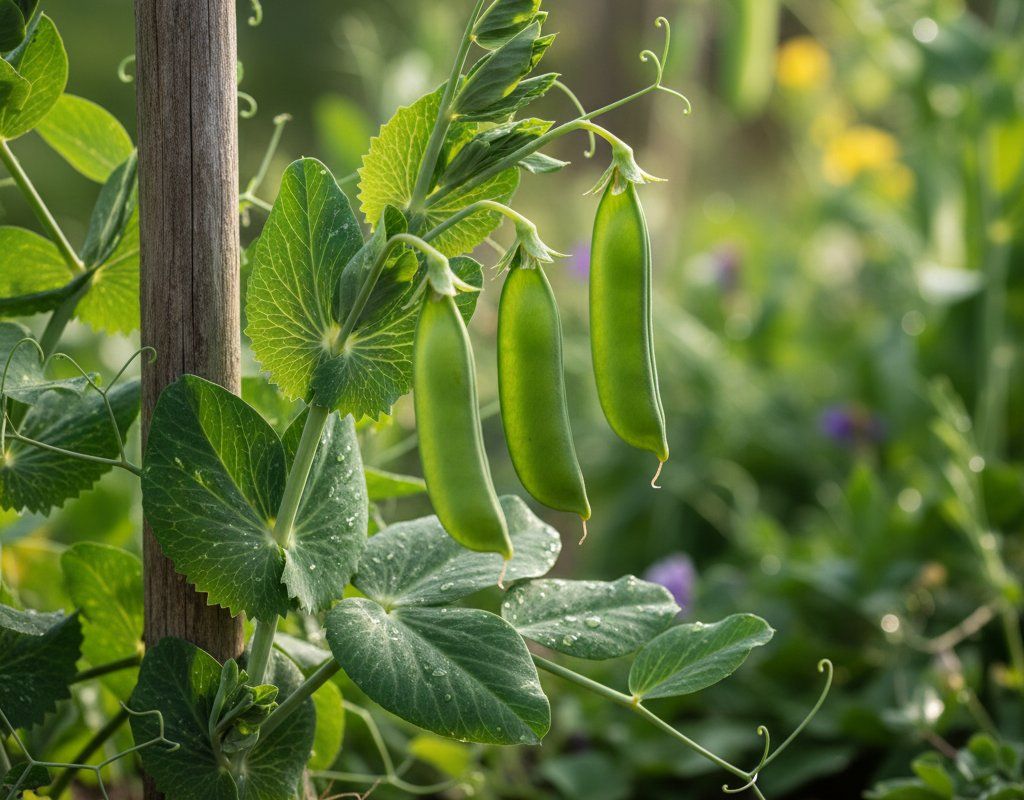
Spinach makes excellent companions with strawberries, peas, beans, and brassicas in Mid-Atlantic gardens. Plant it alongside strawberry beds where it benefits from the same cool, moist conditions and helps suppress weeds between berry plants. Peas and beans work well because they fix nitrogen that spinach can use, while their vertical growth doesn't compete for the same ground space.
Brassicas like lettuce, kale, and cabbage share similar growing requirements and pest problems, making them logical companions for simplified care routines. All these cool-season crops appreciate consistent moisture and benefit from the same organic matter amendments that help our clay soils drain better. Avoid planting spinach near tall, spreading plants that might shade it excessively or compete heavily for water during our sometimes-dry summer periods.
🌸Best Flowers to Plant with Spinach
These flowers protect your Spinach from pests and attract pollinators for better harvests.
For Pest Control




Get a Reminder When It's Time to Plant
We'll email you when key planting windows open for your zone.