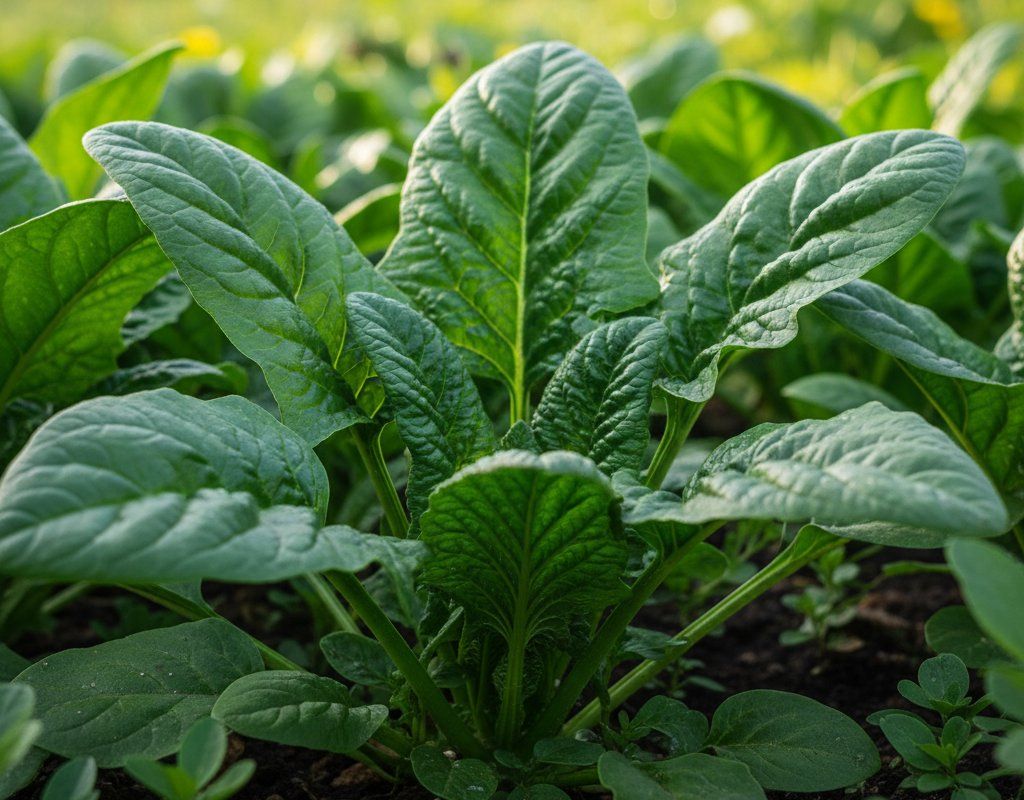
Spinach in Zone 5B — Mountain West
Spinacia oleracea · Your Complete 2026 Planting Guide
Ideal Time: Start Seeds Indoors!
This is the perfect time for the biggest, best harvest.
Start Seeds Now
- Start seeds in trays or pots with seed-starting mix
- Keep soil moist and warm (70-80°F)
- Transplant outdoors Early April through mid May
Not Starting from Seed?
Buy starts around April 7 — that works great too!
How to Plant Spinach in Zone 5B — Mountain West
Here are all your options for getting spinach in the ground, from the easiest method to more advanced approaches.
Direct Sow Seeds
RecommendedLate March through early August
around March 24
Consider succession planting every 2-3 weeks for continuous harvest.
Spinach loves cold soil. Direct sow as soon as ground can be worked.
Start Seeds Indoors
RecommendedEarly to late March
around March 10
Then transplant: Early April through mid May
Start seeds 4-6 weeks before transplanting outdoors.
Buy Starts
Works WellEarly April through mid May
around April 7
Plant purchased starts after last frost (May 5).
Transplant Outdoors
Timing InfoEarly April through mid May
around April 7
Can tolerate light frost, but wait for soil to be workable.
You have a nice window — no need to rush.
Fall Planting
Early August through early September
August 20 ideal · Direct sow for fall harvest
Plant a second crop in mid-summer for fall harvest. Spinach actually prefers the cooling temperatures of fall.
Overview
Spinach thrives in our Mountain West climate, making it one of the most reliable cool-season crops you can grow at altitude. The intense sunlight here develops incredible flavor complexity while our naturally cool nights keep the leaves tender and sweet. You'll taste the difference between your homegrown spinach and store-bought immediately – ours has a mineral richness and crisp texture that's hard to find elsewhere.
Our short 149-day growing season might seem limiting, but spinach actually loves our cool springs and falls. The key is working with our late spring start and cool nights even in summer. With proper timing, you can harvest fresh spinach from early May through early October, getting multiple crops from the same space.
Starting Seeds Indoors
Starting spinach indoors makes sense if you want the earliest possible harvest or if late spring weather is particularly unpredictable. Sow seeds in early to late March, about 4 weeks before you plan to transplant outdoors. Use seed trays with good drainage and keep them consistently moist using bottom watering – this prevents the tiny seeds from washing around.
Spinach seeds germinate best in cool conditions (50-70°F), so you don't need heat mats like you would for tomatoes. Place trays under grow lights or in a bright window. Since our spring arrives late at altitude, indoor starting gives you a head start on the season, especially for that first early crop when fresh greens are most welcome.
Transplanting Outdoors
Transplant your indoor-started spinach from early April through mid-May, once the soil can be worked and daytime temperatures stay above freezing. The timing depends more on soil conditions than air temperature – spinach handles cold better than most vegetables. Harden off seedlings gradually over a week, starting with just a few hours outside and building up to full days.
Space plants 4-6 inches apart in rows or blocks. Our intense UV can shock young transplants, so consider providing light shade cloth for the first week if you're planting during a particularly sunny stretch. The cool nights will help them establish quickly once they adjust to outdoor conditions.
Direct Sowing
Direct sowing works beautifully for spinach in our climate since it actually prefers cool soil. Sow seeds from late March through early August, timing plantings every 2-3 weeks for continuous harvest. The soil should be workable but doesn't need to be warm – spinach will germinate in soil as cool as 35°F.
Prepare your planting area by working compost into the soil to help retain moisture in our dry climate. Plant seeds ¼ inch deep and 2 inches apart, then thin to 4-6 inches once they're established. Direct-sown plants often outperform transplants because they develop stronger root systems from the start, making them more drought-tolerant in our low-humidity environment.
Watering Spinach in Zone 5B (Mountain West)
Consistent moisture is absolutely critical for spinach in our dry Mountain climate. Unlike regions with regular summer rain, you'll need to water deliberately and frequently. Spinach needs about 1-1.5 inches of water per week, but our low humidity and intense sun mean you'll likely need to water every 2-3 days during the growing season.
Use the finger test – stick your finger 2 inches into the soil near your plants. If it's dry at that depth, it's time to water. Water deeply at the base of plants rather than overhead, since our low humidity means leaves dry quickly but also means any water on foliage evaporates fast without helping the roots.
Morning watering works best here because it keeps the soil cool during our warm afternoons and gives plants time to absorb moisture before the intense afternoon sun hits. Mulch around plants with grass clippings or straw to help retain soil moisture – this is especially important in our dry climate where soil can dry out within hours of watering.
Watch for signs of stress: underwatered spinach will bolt quickly and develop bitter leaves, while overwatered plants in our well-draining mountain soils are rare but show yellowing leaves and weak growth. Most spinach problems here trace back to inconsistent watering rather than too much or too little.
🧪Fertilizing Spinach
Feeding Schedule
Organic Fertilizer Options
Harvest Time
Your first spinach harvest will be ready from early May through early October, depending on when you planted. With our 40-day growing season for spinach, spring plantings started in March will be ready by early to mid-May, giving you fresh greens right when you're craving them most after winter.
Harvest outer leaves when they reach 3-4 inches long, cutting them cleanly with scissors or pinching them off at the base. Leave the center growing point intact and you'll get continuous harvests for 4-6 weeks from each planting. For baby spinach, harvest entire plants when leaves are 2-3 inches long, cutting about 1 inch above soil level – many plants will regrow for a second cutting.
The cool nights in our climate keep spinach sweet longer than in hot-summer regions, but watch for bolting during warm spells in late spring and summer. Once plants send up flower stalks, the leaves become bitter quickly. This is why succession planting every 2-3 weeks works so well here – you'll always have tender young plants coming along.
As first frost approaches in early October, harvest entire plants or cover them with row covers. Spinach can handle light frost and actually improves in flavor after cold nights, but a hard freeze will end the season. Consider a final planting in early August for fresh spinach right up to winter.
Common Problems in Zone 5B (Mountain West)
Bolting The flower stalk shoots up from the center and leaves turn bitter almost overnight. You'll notice the plant suddenly getting taller with a thick central stem developing. This is spinach's natural response to heat stress, long days, or drought – common during our warm spells in late spring and summer.
Our intense high-altitude sun can trigger bolting even when air temperatures seem reasonable. Plant bolt-resistant varieties and provide afternoon shade during hot spells. Keep soil consistently moist since drought stress accelerates bolting. Time plantings to avoid the hottest part of summer (mid-July through early August) or choose heat-tolerant varieties for summer growing.
Downy Mildew Yellow patches appear on leaf tops with gray-purple fuzzy growth on the undersides, starting from the bottom leaves and working up. Leaves eventually brown and die. This fungal disease thrives in the cool, humid conditions we sometimes get during spring and fall, especially when morning dew is heavy.
Our generally low humidity actually helps prevent downy mildew compared to more humid climates, but it can still occur during wet springs. Water at soil level rather than overhead, even though our dry air means wet leaves dry quickly. Remove affected leaves immediately and improve air circulation by proper spacing. Copper-based fungicides work for prevention if you've had problems before.
Leaf Miners Winding white or brown trails appear inside the leaves, created by tiny fly larvae tunneling between leaf surfaces. The damage looks like someone drew squiggly lines on your spinach leaves. While not fatal to the plant, it makes the leaves unappetizing and can weaken the plant over time.
Remove affected leaves immediately and destroy them – don't compost them since the larvae can complete their development. Row covers during peak fly season (late spring and early summer) prevent adults from laying eggs on leaves. Our intense UV and dry conditions aren't particularly favorable to leaf miners compared to more humid regions, but they can still appear, especially in irrigated garden areas.
Mountain West Specific Challenges Our moderate-altitude heat combined with intense UV can stress spinach faster than you might expect from the air temperature alone. The low humidity means plants lose moisture quickly, making consistent watering even more critical than in humid climates. Plan for more frequent watering than general spinach guides suggest, and don't be surprised if your plants bolt earlier than expected during sunny, dry spells.
Best Companions for Spinach
Plant these nearby for healthier Spinach and better harvests.

Keep Away From
Companion Planting Details
Spinach pairs beautifully with strawberries in our Mountain climate – the spinach provides living mulch that helps retain soil moisture while the strawberry plants offer light shade that prevents bolting during warm spells. Plant peas and beans nearby since they fix nitrogen in the soil, feeding your spinach naturally while their vertical growth doesn't compete for the same space.
Brassicas like lettuce, arugula, and radishes make excellent companions because they have similar water and soil needs, making irrigation simpler in our dry climate. They also mature at different rates, maximizing your harvest from limited garden space. Avoid planting spinach near nothing in particular – it's one of the most compatible vegetables you can grow and benefits from the microclimates created by neighboring plants in our intense sun and low humidity conditions.
🌸Best Flowers to Plant with Spinach
These flowers protect your Spinach from pests and attract pollinators for better harvests.
For Pest Control




Get a Reminder When It's Time to Plant
We'll email you when key planting windows open for your zone.