
Spinach in Zone 6A — Midwest
Spinacia oleracea · Your Complete 2026 Planting Guide
Last Call for Seed Starting!
Indoor seed starting window closes in 5 days.
Start Seeds This Week
Start seeds now for transplanting later.
Or Wait for Starts
If you don’t want to start seeds, starts will be available around March 23.
How to Plant Spinach in Zone 6A — Midwest
Here are all your options for getting spinach in the ground, from the easiest method to more advanced approaches.
Direct Sow Seeds
RecommendedEarly March through late August
around March 9
Consider succession planting every 2-3 weeks for continuous harvest.
Spinach loves cold soil. Direct sow as soon as ground can be worked.
Start Seeds Indoors
RecommendedMid February through early March
around February 23
Then transplant: Late March through early May
Start seeds 4-6 weeks before transplanting outdoors.
Buy Starts
Works WellLate March through early May
around March 23
Plant purchased starts after last frost (April 20).
Transplant Outdoors
Timing InfoLate March through early May
around March 23
Can tolerate light frost, but wait for soil to be workable.
You have a nice window — no need to rush.
Fall Planting
Mid August through mid September
September 3 ideal · Direct sow for fall harvest
Plant a second crop in mid-summer for fall harvest. Spinach actually prefers the cooling temperatures of fall.
Overview
Spinach is a Midwest gardener's dream crop, thriving in our fertile soil and giving you two full growing seasons to enjoy fresh, crisp leaves that put store-bought to shame. Unlike the tough, bitter spinach you'll find at the grocery store, homegrown spinach is tender, sweet, and incredibly versatile — perfect for everything from fresh salads to sautéed sides that actually taste good.
Our Zone 6A climate can throw some curveballs with variable spring weather and summer heat spells, but spinach's cold-hardy nature makes it surprisingly manageable once you nail the timing. With our 178-day growing season, you can squeeze in both early spring and fall crops, making the most of those cooler months when this leafy green truly shines.
Starting Seeds Indoors
Starting spinach indoors isn't the most common approach, but it makes sense if you want to get a jump on the season or have limited garden space to succession plant. Start your seeds from mid-February through early March, about four weeks before you plan to transplant outside.
Set up seed trays in a cool spot — spinach actually prefers temperatures around 50-60°F for germination, which works perfectly in most Midwest basements or unheated porches during late winter. Use bottom watering to keep the soil consistently moist without creating the damp conditions that invite fungal problems.
The main advantage here in the Midwest is getting around our unpredictable spring weather. While direct-sown spinach might struggle with late cold snaps or sudden warm spells, indoor starts give you more control over those critical first few weeks of growth.
Transplanting Outdoors
Transplant your spinach seedlings outdoors from late March through early May, timing it so they go out about two weeks before your last expected frost. Spinach handles light frost beautifully, so you don't need to wait until Memorial Day like you would with tomatoes.
Harden off your seedlings for about a week before transplanting — gradually expose them to outdoor conditions for longer periods each day. This step is especially important in the Midwest since our spring weather can swing from 40°F to 70°F in the same week.
Space transplants 4-6 inches apart in rows or scatter them throughout your garden beds. The key timing here is getting them established while the soil is still cool but workable — that sweet spot when our clay soil has dried out enough to dig but hasn't warmed up enough to stress the plants.
Direct Sowing
Direct sowing is actually the preferred method for spinach in our region since these plants love cold soil and don't mind our unpredictable spring weather. Sow seeds from early March through late August, with the heaviest planting happening in early spring and again in late summer.
Get your seeds in the ground as soon as you can work the soil in spring — often mid to late March here in Zone 6A. Spinach seeds will germinate in soil temperatures as low as 35°F, so don't worry about waiting for things to warm up. Plant seeds ½ inch deep and 2 inches apart, then thin to 4-6 inches as they grow.
For fall crops, start sowing again in mid-August through mid-September. These plantings will give you fresh spinach right through the first frost and often beyond, since mature spinach can handle temperatures down to the low 20s without protection.
Watering Spinach in Zone 6A (Midwest)
Spinach needs consistent moisture but not waterlogged conditions — think of it as the goldilocks of watering requirements. In our moderate-to-humid Midwest summers with 30-40 inches of annual rainfall, you'll need to supplement natural precipitation during dry spells but avoid overwatering during our typically wet periods.
Use the finger test: stick your finger 2 inches into the soil, and water if it feels dry at that depth. During cool spring weather, this might mean watering once or twice a week, but during summer heat spells, you could be watering every other day. Aim for about 1-1.5 inches of total water per week, including rainfall.
Water at the base of plants rather than overhead, especially given our moderate-to-humid conditions that can encourage fungal diseases. Early morning watering is ideal because it keeps the soil cool during the heat of the day and gives plants time to dry before evening.
Watch for signs of stress: wilting or yellowing leaves usually mean you're either under-watering or overwatering. A thin layer of straw mulch helps maintain consistent soil moisture and keeps roots cool during those 86°F summer days we often see in July and August.
🧪Fertilizing Spinach
Feeding Schedule
Organic Fertilizer Options
Harvest Time
You can start harvesting spinach leaves about 40 days from planting, typically from mid-April through late October depending on when you planted. Look for outer leaves that are 3-4 inches long — they should be dark green, crisp, and tender to the touch.
Harvest by cutting individual outer leaves at the base, leaving the center growing point intact for continued production. You can also cut the entire plant about 1 inch above soil level, and it will regrow for a second harvest in 2-3 weeks. This cut-and-come-again method works especially well with fall plantings.
Keep harvesting regularly to prevent bolting, especially as spring weather warms up or during summer heat spells. Once temperatures consistently hit the upper 70s, spinach will want to go to seed, so harvest aggressively or provide some afternoon shade to extend the season.
As we approach our first frost in mid-October, spinach actually gets sweeter and more tender. You can often harvest fresh leaves well into November, and in mild years, spinach will overwinter under a light cover for very early spring greens.
Common Problems in Zone 6A (Midwest)
Bolting Your spinach suddenly sends up a tall flower stalk and the leaves become bitter and tough. This happens when plants shift from leaf production to seed production, turning your tender greens into inedible disappointments.
Hot weather, long days, and drought stress trigger bolting, which is why timing is so critical in our Midwest climate. Those sudden late spring heat spells that jump from 60°F to 85°F can shock spinach into flowering mode. Keep soil consistently moist during warm spells, provide afternoon shade when temperatures hit the upper 70s, and choose bolt-resistant varieties like 'Space' or 'Bloomsdale Long Standing.'
Downy Mildew Yellow patches appear on leaf tops with fuzzy gray-purple growth on the undersides, and leaves brown and die from the bottom up. This fungal disease thrives in our moderate-to-humid conditions, especially during cool, wet spring weather.
The pathogen spreads through wind-carried spores and loves the combination of moisture and moderate temperatures we often get in April and May. Remove affected leaves immediately, improve air circulation by proper spacing, and always water at the base rather than overhead. Copper-based fungicides applied preventively can help, and resistant varieties like 'Corvair' offer good protection.
Leaf Miners Thin, winding white or brown trails appear on leaves where tiny larvae tunnel between the leaf surfaces. While the damage is mostly cosmetic, heavy infestations can weaken plants and make leaves unappetizing.
These small flies lay eggs on leaf undersides, and the resulting larvae create those telltale squiggly tunnels. Remove affected leaves promptly, and consider using floating row covers during peak fly activity in late spring and early fall. The damage is worse during warm, dry conditions, so maintaining consistent soil moisture helps keep plants vigorous enough to outgrow minor infestations.
Midwest Specific Challenges Our wet summers can create perfect conditions for fungal diseases, while sudden heat spells stress plants into bolting. The key is choosing the right varieties for our climate and timing plantings to avoid the worst of summer heat while taking advantage of our long, cool falls for extended harvests.
Best Companions for Spinach
Plant these nearby for healthier Spinach and better harvests.

Keep Away From
Companion Planting Details
Spinach pairs beautifully with strawberries in the garden — the spinach provides natural ground cover that helps retain moisture for strawberry plants while the berries offer just enough shade to keep spinach cool during summer heat spells. Peas and beans make excellent neighbors since their nitrogen-fixing abilities feed the soil that spinach loves, and their vertical growth doesn't compete for the same soil space.
Brassicas like cabbage, broccoli, and kale work well with spinach because they share similar cool-weather preferences and soil requirements, making crop rotation and garden planning easier. Plus, they all benefit from the same consistent moisture and fertile soil that our Midwest gardens naturally provide. Avoid planting spinach near tall, spreading crops that might shade it out completely, though in our hot summers, a little afternoon shade from taller neighbors can actually be beneficial.
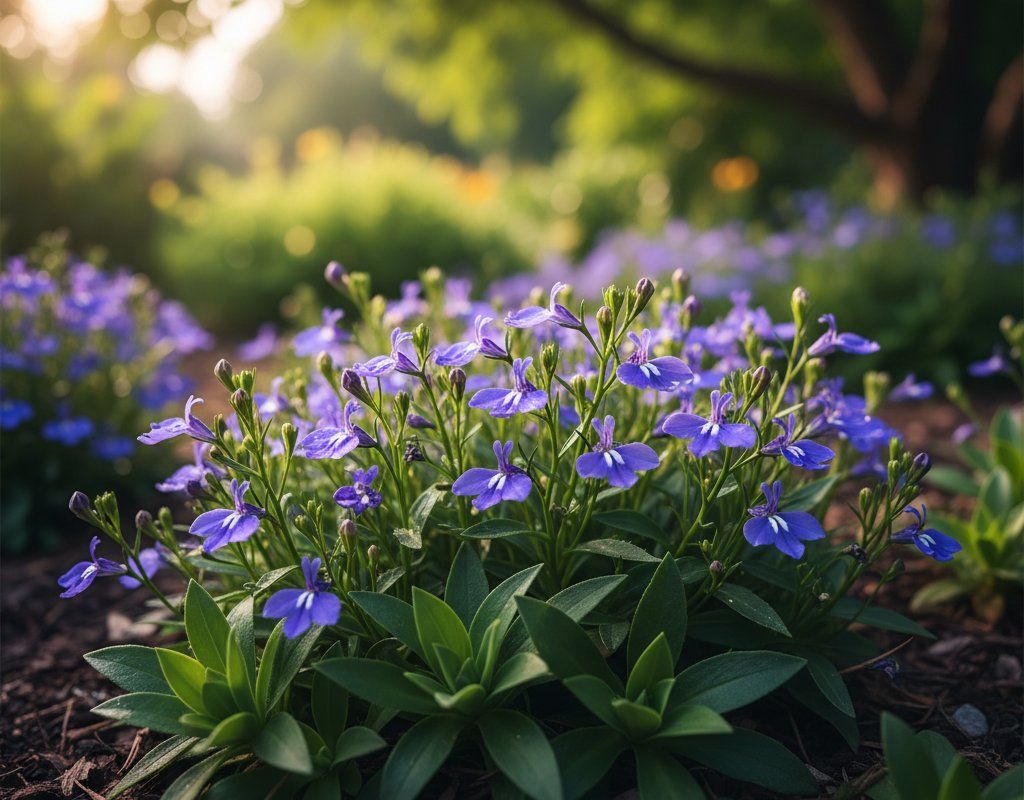
🌸Best Flowers to Plant with Spinach
These flowers protect your Spinach from pests and attract pollinators for better harvests.
For Pest Control



Get a Reminder When It's Time to Plant
We'll email you when key planting windows open for your zone.