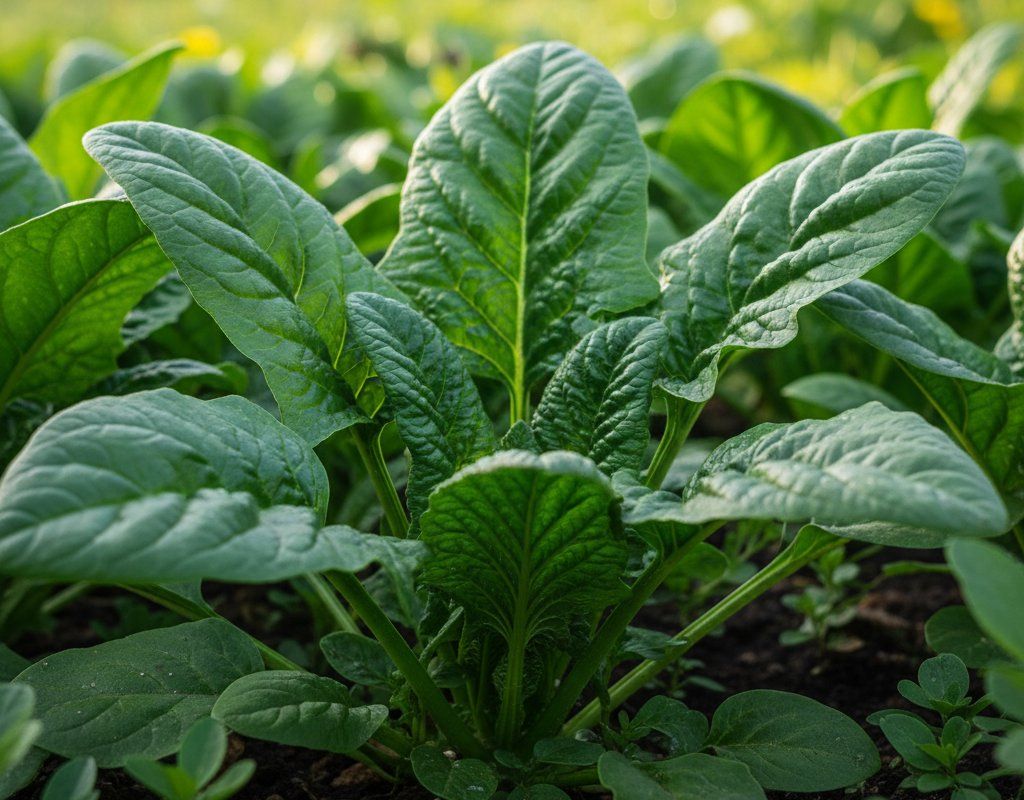
Spinach in Zone 6A — Northeast
Spinacia oleracea · Your Complete 2026 Planting Guide
Last Call for Seed Starting!
Indoor seed starting window closes in 5 days.
Start Seeds This Week
Start seeds now for transplanting later.
Or Wait for Starts
If you don’t want to start seeds, starts will be available around March 23.
How to Plant Spinach in Zone 6A — Northeast
Here are all your options for getting spinach in the ground, from the easiest method to more advanced approaches.
Direct Sow Seeds
RecommendedEarly March through late August
around March 9
Consider succession planting every 2-3 weeks for continuous harvest.
Spinach loves cold soil. Direct sow as soon as ground can be worked.
Start Seeds Indoors
RecommendedMid February through early March
around February 23
Then transplant: Late March through early May
Start seeds 4-6 weeks before transplanting outdoors.
Buy Starts
Works WellLate March through early May
around March 23
Plant purchased starts after last frost (April 20).
Transplant Outdoors
Timing InfoLate March through early May
around March 23
Can tolerate light frost, but wait for soil to be workable.
You have a nice window — no need to rush.
Fall Planting
Mid August through mid September
September 3 ideal · Direct sow for fall harvest
Plant a second crop in mid-summer for fall harvest. Spinach actually prefers the cooling temperatures of fall.
Overview
Spinach thrives in our Northeast climate like few other greens can. Those cool nights that frustrate tomato growers actually sweeten spinach leaves, making them far more tender and flavorful than anything you'll find shipped from warmer regions. With our moderate summers and even rainfall, you can grow multiple crops from early spring through late fall, giving you fresh spinach for nearly eight months of the year.
Yes, our short growing season and unpredictable spring frosts can be tricky, but spinach is one of the most cold-hardy vegetables you can grow. With our 178-day growing season, you have plenty of time for succession planting and multiple harvests. The key is working with our climate's natural rhythm rather than fighting it – something spinach makes surprisingly easy.
Starting Seeds Indoors
Starting spinach indoors isn't the most common approach, but it can give you a head start when our late Northeast spring keeps you itching to garden. Start seeds indoors from mid-February through early March, about four weeks before you plan to transplant. This timing lets you get seedlings ready just as the soil becomes workable in late March.
Use seed-starting trays filled with quality potting mix, keeping the soil consistently moist through bottom watering. Spinach seeds germinate best at 60-70°F, so a heat mat helps in our chilly late-winter homes. Once seedlings emerge, they prefer cooler conditions around 50-60°F – perfect for a sunny, unheated mudroom or cold frame.
The main advantage of indoor starting in our region is insurance against our unpredictable spring weather. If a late frost threatens your transplants, you can easily protect them or delay planting by a week or two without losing your entire crop.
Transplanting Outdoors
Transplant your indoor-started spinach seedlings outdoors from late March through early May, once the soil can be worked and temperatures stay consistently above 20°F at night. Our spring soil is often still quite cold, which spinach actually prefers over warm conditions.
Harden off seedlings for a full week before transplanting – gradually increasing their outdoor time from a few hours to overnight stays. Space transplants 4-6 inches apart in rows or blocks. In our rocky New England soil, work in some compost or aged manure to improve both drainage and water retention.
Don't worry too much about late frosts during this window. Spinach can handle temperatures down to the low 20s once established, and transplants are generally more cold-hardy than you might expect. Just keep some row cover handy for particularly harsh nights.
Direct Sowing
Direct sowing is often the preferred method for spinach in the Northeast, and you have a surprisingly long window – from early March through late August. The key is understanding that spinach loves cold soil, so you can start sowing as soon as the ground can be worked, even while snow patches linger.
For spring plantings, work compost into your planting area once the soil isn't muddy. In our rocky soil, creating raised beds or deeply worked rows makes a huge difference. Sow seeds ¼ inch deep and 2 inches apart, then thin to 4-6 inches once they're established. The cold spring soil actually helps with germination and prevents early bolting.
Summer and fall sowings work best in a spot that gets morning sun but afternoon shade, especially during our warmest weeks in July and August. The beauty of direct sowing is that you can succession plant every two weeks for continuous harvests right up until hard frost in mid-October.
Watering Spinach in Zone 6A (Northeast)
Spinach needs consistent moisture but not waterlogged soil – something our moderate Northeast climate makes fairly manageable with some attention to timing. Aim for about 1-1.5 inches of water per week, including rainfall. Our even annual rainfall of 40-50 inches helps, but summer dry spells still require supplemental watering.
Use the finger test regularly: stick your finger 2 inches into the soil near your plants. If it's dry at that depth, it's time to water. During our moderate summer heat with typical highs around 82°F, check every few days. In our sometimes humid conditions, water at the base of plants rather than overhead to prevent fungal issues like downy mildew.
Morning watering works best in our climate because it gives plants time to dry before evening, reducing disease pressure from our moderate-to-humid summers. A 2-inch layer of straw or grass clipping mulch helps retain soil moisture and keeps roots cool during warm spells – crucial since spinach bolts quickly when stressed by heat and drought.
Watch for signs of water stress: wilting during the day (even when soil feels moist), leaves becoming thick and bitter, or premature flower stalks appearing. These are your cues to increase watering frequency, provide afternoon shade, or both.
🧪Fertilizing Spinach
Feeding Schedule
Organic Fertilizer Options
Harvest Time
You can start harvesting spinach about 40 days from seeding, which means your first spring sowings give you fresh leaves from mid-April onward, continuing through late October with succession plantings. Look for outer leaves that are 3-4 inches long – they're perfect at this size, tender and sweet from our cool nights.
Harvest by cutting individual outer leaves about an inch from the base, leaving the growing center intact for continuous production. You can also cut the entire rosette about 1 inch above soil level and it will regrow for a second harvest, though individual leaves give you longer production. Always harvest in the morning when leaves are crisp and full of moisture.
Keep harvesting regularly to prevent bolting, especially as day length increases through spring and summer. Once you see a central flower stalk forming, harvest the entire plant immediately – the leaves become bitter once flowering begins. Plan your final fall sowings by mid-September to get mature plants before our first frost around mid-October.
In late fall, spinach can handle light frosts beautifully, often becoming even sweeter. Row covers can extend your harvest several weeks past first frost, giving you fresh spinach well into November some years.
Common Problems in Zone 6A (Northeast)
Bolting You'll notice a thick central stalk shooting up from the plant's center, often with small yellow flowers. The leaves become smaller, tougher, and bitter once this happens. In our Northeast climate, bolting usually occurs during hot spells in late spring or summer, or when plants experience drought stress during our occasional dry periods.
Plant at the right times for our region – early spring and late summer sowings are most successful. Provide afternoon shade during July and August heat waves, and keep soil consistently moist. Choose slow-bolt varieties like 'Space' or 'Tyee' for summer plantings. Succession plant every two weeks rather than trying to keep one planting going through our entire growing season.
Downy Mildew Look for yellow patches on leaf tops with fuzzy gray-purple growth on the undersides, especially during our cool, humid spring and fall weather. Leaves brown and die from the bottom up, and the problem spreads quickly in our sometimes humid conditions.
Remove affected leaves immediately and dispose of them away from your garden. Improve air circulation by proper spacing and avoid overhead watering in our moderate-to-humid climate. Water at the base of plants early in the day so foliage dries quickly. Copper-based fungicides can help prevent spread, and varieties like 'Reflect' show good resistance.
Leaf Miners You'll see winding white or tan trails through the leaves where tiny larvae tunnel between leaf surfaces. While not fatal to the plant, these tunnels make leaves unappetizing and can weaken plants over time.
Remove affected leaves promptly and destroy them to break the lifecycle. Row covers during peak egg-laying periods (late spring and late summer) provide good protection. Beneficial insects like parasitic wasps help control these pests naturally in our diverse Northeast ecosystem.
Northeast Specific Challenges Our rocky soil can cause poor germination and stunted growth – work in compost annually and consider raised beds for best results. Deer love spinach almost as much as we do, so fencing or netting may be necessary. The moderate heat and humidity of our summers create ideal conditions for fungal diseases, making proper spacing and morning watering especially important here.
Best Companions for Spinach
Plant these nearby for healthier Spinach and better harvests.

Keep Away From
Companion Planting Details
Spinach pairs beautifully with other cool-season crops that share similar growing preferences in our Northeast climate. Plant it alongside peas and beans, which fix nitrogen in the soil that spinach can use, while spinach's shallow roots don't compete with their deeper ones. Strawberries make excellent companions since they prefer similar cool, moist conditions and their low growth habit provides natural ground cover.
Brassicas like lettuce, arugula, and Asian greens work well together since they all thrive in our cool springs and falls, and you can harvest them all at similar stages. This combination also makes efficient use of row covers during unexpected cold snaps. Avoid planting spinach near nothing in particular – it's one of the most compatible garden plants you can grow, with no significant bad companions to worry about in our region.
🌸Best Flowers to Plant with Spinach
These flowers protect your Spinach from pests and attract pollinators for better harvests.
For Pest Control




Get a Reminder When It's Time to Plant
We'll email you when key planting windows open for your zone.