
Spinach in Zone 6B — Pacific Northwest
Spinacia oleracea · Your Complete 2026 Planting Guide
Ideal Time: Start Seeds Indoors!
This is the perfect time for the biggest, best harvest.
Start Seeds Now
- Start seeds in trays or pots with seed-starting mix
- Keep soil moist and warm (70-80°F)
- Transplant outdoors Early April through mid May
Not Starting from Seed?
Buy starts around April 3 — that works great too!
How to Plant Spinach in Zone 6B — Pacific Northwest
Here are all your options for getting spinach in the ground, from the easiest method to more advanced approaches.
Direct Sow Seeds
RecommendedMid March through mid August
around March 20
Consider succession planting every 2-3 weeks for continuous harvest.
Spinach loves cold soil. Direct sow as soon as ground can be worked.
Start Seeds Indoors
RecommendedLate February through mid March
around March 6
Then transplant: Early April through mid May
Start seeds 4-6 weeks before transplanting outdoors.
Buy Starts
Works WellEarly April through mid May
around April 3
Plant purchased starts after last frost (May 1).
Transplant Outdoors
Timing InfoEarly April through mid May
around April 3
Can tolerate light frost, but wait for soil to be workable.
You have a nice window — no need to rush.
Fall Planting
Mid August through mid September
August 29 ideal · Direct sow for fall harvest
Plant a second crop in mid-summer for fall harvest. Spinach actually prefers the cooling temperatures of fall.
Overview
Spinach thrives in our mild Pacific Northwest summers, where cool nights and temperatures that rarely climb above 90°F create perfect conditions for this leafy green. Our dry summer months mean less disease pressure, while the cool spring and fall weather extends your growing window far beyond what gardeners in hotter climates can manage. Fresh spinach from your garden has a crisp sweetness that makes store-bought leaves taste like cardboard by comparison.
Our 162-day growing season gives you multiple opportunities to grow spinach, though our cool springs can slow early plantings and our wet springs occasionally bring challenges. The key is working with our climate patterns rather than against them - timing your sowings to take advantage of those cool, mild conditions that spinach absolutely loves.
Starting Seeds Indoors
Starting spinach indoors isn't essential in the Pacific Northwest, but it can give you a head start during our slow spring warm-up. Sow seeds from late February through mid-March, about 4 weeks before your last frost date. Use seed trays with good drainage and keep them at around 60-70°F for germination.
Bottom watering works best for spinach seedlings - fill your tray with water and let the soil soak it up from below. This prevents the delicate stems from damping off. Our overcast spring days mean you'll need supplemental light if starting indoors, so position seedlings under grow lights or in your brightest south-facing window.
The main advantage of indoor starts is getting established plants ready to transplant as soon as soil conditions allow. Since spinach loves cool weather, you can often transplant these seedlings earlier than direct-sown seeds would be ready.
Transplanting Outdoors
Transplant your indoor-started spinach from early April through mid-May, timing it with our last frost period. Spinach handles light frosts well, so you don't need to wait for completely frost-free conditions. Harden off seedlings for about a week by gradually exposing them to outdoor conditions.
Space transplants 4-6 inches apart in rows or blocks. Our wet springs can make soil sticky, so wait for a dry spell when your garden soil crumbles rather than clumps. Plant at the same depth they were growing in their containers.
Watch for those late spring temperature swings that can stress young plants. A simple row cover or cold frame gives transplants protection during unexpected cool snaps, while also providing some slug protection during our damp spring weather.
Direct Sowing
Direct sowing works beautifully for spinach in the Pacific Northwest since this crop actually prefers cool soil conditions. You can sow from mid-March through mid-August, taking advantage of our long growing season. The soil doesn't need to be warm - spinach seeds germinate in soil as cool as 35°F.
Prepare your planting area by working compost into the top few inches of soil. Our clay-heavy soils benefit from this organic matter to improve drainage during wet periods. Sow seeds about half an inch deep and 4-6 inches apart, or plant more densely and thin later.
Spring sowings often germinate slowly due to our cool soil temperatures, but that's perfectly fine for spinach. The plants that emerge will be sturdy and well-adapted to your garden conditions. For continuous harvest, make new sowings every 2-3 weeks through late summer.
Watering Spinach in Zone 6B (Pacific Northwest)
Spinach needs consistent moisture but not waterlogged conditions - a balance that works well with our Pacific Northwest climate patterns. During our wet springs, you may barely need to water at all. Focus your attention on summer watering when our dry season kicks in.
Check soil moisture by sticking your finger 2 inches deep near the plants. The soil should feel like a wrung-out sponge - moist but not soggy. During our dry summer months, aim for about an inch of water per week, including any rainfall. Morning watering helps keep the soil cool, which spinach appreciates during warm spells.
Water at the base of plants rather than overhead to reduce disease problems in our humid spring conditions. Overwatering shows up as yellowing lower leaves and slow growth, while underwatered spinach bolts quickly and develops bitter, tough leaves. The mild heat of our summers means spinach actually tolerates brief dry periods better than in hotter climates.
A light mulch of straw or grass clippings helps retain soil moisture during our dry months and keeps roots cool. This is especially helpful for fall plantings that need to establish before winter rains return.
🧪Fertilizing Spinach
Feeding Schedule
Organic Fertilizer Options
Harvest Time
Your first spinach harvest typically comes in late April from early spring plantings, with succession crops producing through mid-October. At 40 days from seed, spinach develops quickly in our cool conditions. Look for outer leaves that reach 3-4 inches long - they'll be tender and sweet.
Harvest by cutting individual outer leaves at the base, leaving the center growing point intact. This "cut and come again" approach keeps plants producing for weeks. You can also cut the entire rosette about an inch above soil level, and most varieties will regrow for a second harvest.
Our cool nights actually improve spinach flavor by concentrating sugars in the leaves. Fall harvests often taste even better than spring ones. Keep harvesting regularly to prevent bolting, especially during any warm spells we get in late spring or early summer.
As your first frost approaches in early October, harvest remaining plants completely. Unlike some crops, spinach won't continue producing after hard freezes, though light frosts can actually sweeten the leaves for a final delicious harvest.
Common Problems in Zone 6B (Pacific Northwest)
Bolting shows up as a tall flower stalk shooting up from the center of your spinach plant, with leaves becoming bitter and tough. This happens when plants experience heat stress or long daylight hours, though our mild summers make this less common than in hotter regions. Plant heat-tolerant varieties for summer sowings and provide afternoon shade during warm spells. Keep soil consistently moist, as drought stress triggers bolting faster than heat alone.
Downy mildew appears as yellow patches on leaf tops with fuzzy gray-purple growth on the undersides, eventually causing leaves to brown and die from the bottom up. Our wet springs create perfect conditions for this fungal disease to develop and spread. Remove affected leaves immediately and improve air circulation around plants. Always water at soil level rather than overhead, and avoid working with wet plants to prevent spreading spores.
Leaf miners create winding white or tan trails through spinach leaves where tiny larvae tunnel between leaf surfaces. These small flies lay eggs on leaves, and the hatching larvae feed inside the leaf tissue. Remove affected leaves promptly and consider floating row covers during peak fly activity in late spring and early summer.
Pacific Northwest Specific Challenges: Our combination of wet springs and dry summers actually works in spinach's favor compared to many other regions. The main challenge is timing plantings to avoid the wettest periods that encourage fungal diseases, while taking advantage of our cool temperatures that extend the growing season. Slugs can be problematic during wet periods, so consider copper barriers or organic slug baits around young plants.
Best Companions for Spinach
Plant these nearby for healthier Spinach and better harvests.

Keep Away From
Companion Planting Details
Spinach pairs beautifully with strawberries in Pacific Northwest gardens - the spinach provides ground cover that conserves moisture during our dry summers while the strawberry plants offer light shade that prevents bolting. Plant spinach between strawberry rows or around individual plants. Peas and beans also make excellent companions since they fix nitrogen that spinach can use, and their vertical growth doesn't compete for the same soil space.
Brassicas like kale, cabbage, and broccoli work well near spinach because they have similar water and soil needs, making garden management easier during our distinct wet and dry seasons. Avoid planting spinach near tall, dense plants that might shade it too much during our already overcast spring days - spinach needs good light even though it tolerates partial shade better than many vegetables.
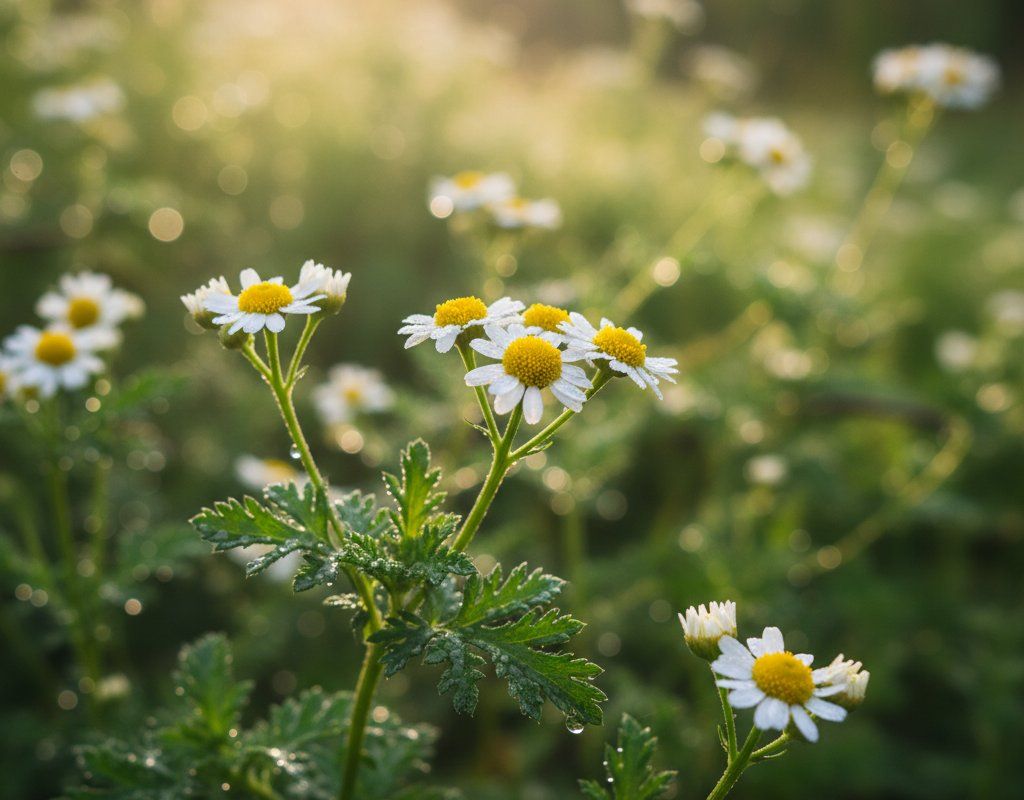
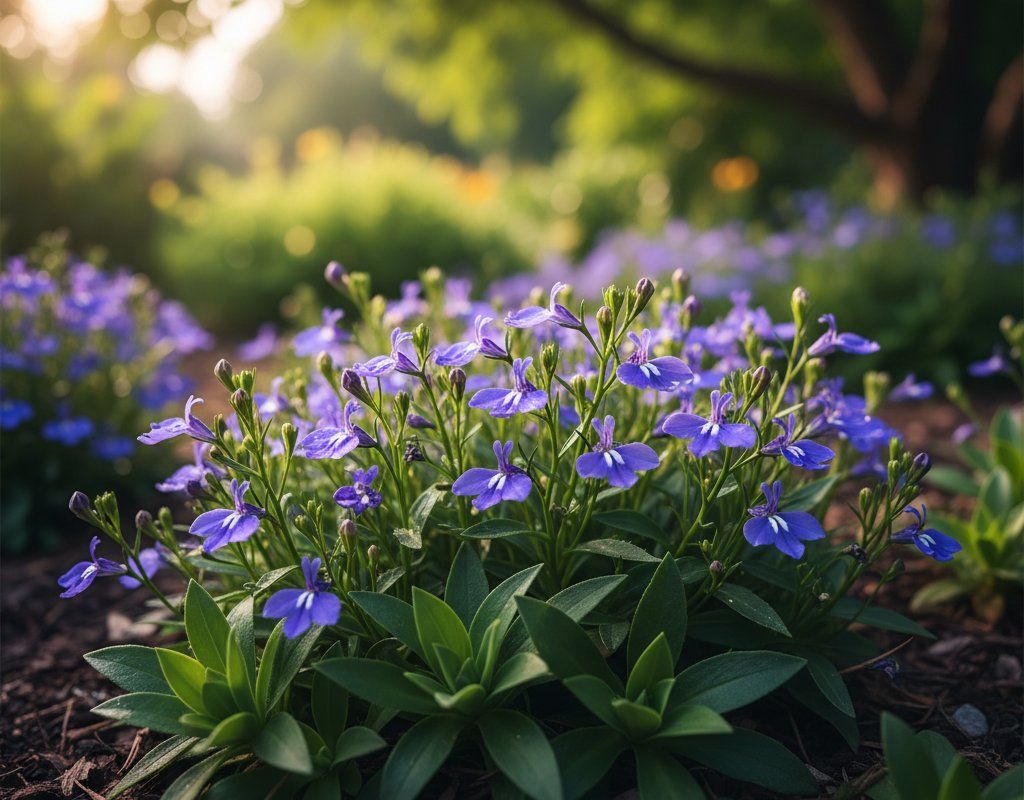
🌸Best Flowers to Plant with Spinach
These flowers protect your Spinach from pests and attract pollinators for better harvests.
For Pest Control



Get a Reminder When It's Time to Plant
We'll email you when key planting windows open for your zone.