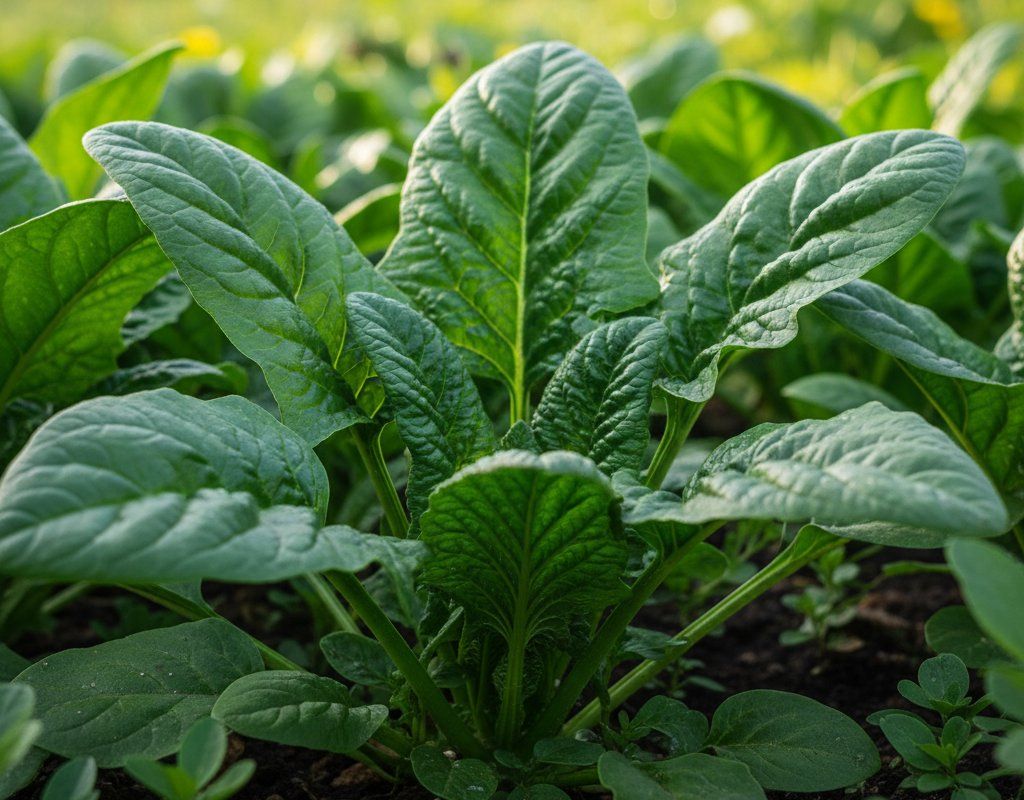
Spinach in Zone 7A — Desert Southwest
Spinacia oleracea · Your Complete 2026 Planting Guide
Time to Buy Starts!
Seed starting window passed, but starts are available now.
Buy Starts Now
Head to your local nursery, Home Depot, or farmers market for transplants.
- Look for stocky plants with dark green leaves
- Avoid leggy seedlings or plants already flowering
- Check that roots aren't circling the pot (rootbound)
How to Plant Spinach in Zone 7A — Desert Southwest
Here are all your options for getting spinach in the ground, from the easiest method to more advanced approaches.
Direct Sow Seeds
RecommendedMid February through mid September
around February 11
Consider succession planting every 2-3 weeks for continuous harvest.
Spinach loves cold soil. Direct sow as soon as ground can be worked.
Start Seeds Indoors
RecommendedLate January through mid February
around January 28
Then transplant: Late February through early April
Start seeds 4-6 weeks before transplanting outdoors.
Buy Starts
Works WellLate February through early April
around February 25
Plant purchased starts after last frost (March 25).
Transplant Outdoors
Timing InfoLate February through early April
around February 25
Can tolerate light frost, but wait for soil to be workable.
You have a nice window — no need to rush.
Fall Planting
Mid September through mid October
September 29 ideal · Direct sow for fall harvest
Plant a second crop in mid-summer for fall harvest. Spinach actually prefers the cooling temperatures of fall.
Overview
Spinach thrives in our Desert Southwest's winter growing season, offering fresh, iron-rich leaves when summer crops have long since succumbed to the extreme heat. Unlike store-bought spinach that often arrives wilted from long transport, your homegrown varieties stay crisp and flavorful, perfect for salads, sautéing, or adding to our region's popular breakfast burritos. The plant's compact rosette fits well in raised beds or containers, making efficient use of precious garden space.
While our extreme heat and arid conditions challenge many crops, spinach actually benefits from our mild winters and low disease pressure. The key is working with our 230-day growing season by planting during our cooler months - fall through early spring - and avoiding the brutal summer altogether. With proper timing and consistent moisture, you'll enjoy multiple harvests throughout our extended growing window.
Starting Seeds Indoors
Starting spinach indoors isn't the most common approach in the Desert Southwest, but it makes sense if you want to get a jump on the growing season or have limited outdoor space during our brief cool period. Start seeds in late January through mid-February, about 4 weeks before your planned transplant date. Since spinach prefers cool soil and our spring warms up quickly, indoor starting lets you control the germination environment.
Use standard seed trays with good drainage and keep soil temperature around 50-60°F - cooler than most crops prefer. Bottom watering works well here, preventing the delicate seedlings from damping off in our low humidity conditions. Place trays in bright, indirect light or under grow lights for 12-14 hours daily.
Since our spring character is very early compared to other Zone 7A regions, you'll want seedlings ready to transplant by late February. Keep them in a cool location - even an unheated garage works during our mild Desert Southwest winters.
Transplanting Outdoors
Transplant your spinach seedlings from late February through early April, timing this with our last frost period around late March. Start hardening them off a full week before transplanting by gradually increasing their outdoor exposure - begin with 2-3 hours of morning sun and build up daily. Our temperature swings can shock tender seedlings, so this gradual transition is essential.
Space transplants 4-6 inches apart in prepared beds with amended soil. Plant them slightly deeper than they were growing in containers, which helps anchor them against our occasional spring winds. Choose a location that receives morning sun but gets some afternoon shade, especially if you're planting in March or April when daytime temperatures start climbing.
Water transplants thoroughly at planting and keep soil consistently moist for the first week while roots establish. Our low humidity can stress newly transplanted seedlings, so consider using shade cloth if temperatures suddenly spike above 75°F during the establishment period.
Direct Sowing
Direct sowing works well for spinach in the Desert Southwest since the seeds actually prefer cool soil for germination. Sow from mid-February through mid-September, though your best success comes with fall planting in mid-September through mid-October when soil temperatures start dropping from summer highs.
Prepare beds by working compost into the top 6 inches of soil - this helps with both drainage and water retention in our challenging desert conditions. Sow seeds ½ inch deep and 2 inches apart, later thinning to 4-6 inches between plants. The soil temperature should be between 45-65°F for best germination, which happens naturally during our fall and winter months.
Spring direct sowing requires more attention to soil moisture since seeds can dry out quickly in our arid conditions. Fall sowing often benefits from monsoon moisture still in the soil, making germination more reliable. Keep the seed bed consistently moist until germination, which typically takes 7-14 days in cool weather.
Watering Spinach in Zone 7A (Desert Southwest)
Spinach needs consistent moisture to prevent bolting and maintain tender leaves, which requires extra attention in our arid Desert Southwest climate. Unlike many vegetables, spinach performs best with soil that stays evenly moist but never waterlogged. Check soil moisture daily using the finger test - stick your finger 2 inches deep, and water when it feels dry at that depth.
During our mild winter growing season, spinach typically needs about 1 inch of water per week, but this increases as temperatures rise in spring. Water deeply at the base of plants rather than overhead watering - our low humidity means leaves dry quickly, but overhead watering can encourage disease and wastes precious water through evaporation. Morning watering helps keep soil temperatures cool, which spinach appreciates as our spring days warm up.
Watch for signs of water stress carefully in our extreme heat periods. Underwatered spinach shows wilted, yellowing outer leaves and may bolt prematurely. Overwatered plants develop yellowing leaves that feel soggy rather than crisp. During our hottest months, even well-watered spinach struggles - this is why most Desert Southwest gardeners stick to fall and winter plantings.
Apply 2-3 inches of organic mulch around plants to conserve moisture and keep soil temperatures down. In our region, wood chips or shredded leaves work better than plastic mulch, which can overheat soil during warm spells.
🧪Fertilizing Spinach
Feeding Schedule
Organic Fertilizer Options
Harvest Time
Your first spinach harvest typically arrives in late March if you planted in February, continuing through mid-November with successive plantings. Since spinach matures in about 40 days, you can time multiple plantings to ensure continuous harvests throughout our mild winter months. Start harvesting when outer leaves reach 3-4 inches long and feel tender rather than tough.
Harvest by cutting outer leaves at the base, leaving the center growing point intact for continued production. Use clean scissors or a sharp knife to avoid damaging the plant. You can also cut the entire rosette about 1 inch above soil level - it will regrow for a second harvest, though subsequent leaves may be smaller.
Pick leaves regularly to encourage continued growth and prevent the plant from bolting. In our Desert Southwest conditions, spinach can produce for 2-3 months when temperatures stay cool, but it will bolt quickly once daytime temperatures consistently reach the 80s. The leaves remain edible after light bolting but become increasingly bitter.
As first frost approaches in early November, harvest entire plants or cover with row cover for extended production. Since our frosts are typically light, protected spinach often continues producing into December, extending your fresh greens well into winter.
Common Problems in Zone 7A (Desert Southwest)
Bolting Bolting appears as a tall flower stalk shooting up from the center of your spinach plant, often seemingly overnight. The leaves become bitter and tough once the plant shifts energy to seed production. In the Desert Southwest, this typically happens when daytime temperatures consistently reach the upper 70s or 80s, which can occur unexpectedly during spring warm spells. Keep soil consistently moist and provide afternoon shade when temperatures spike. Choose bolt-resistant varieties like 'Tyee' or 'Space', and time plantings for fall rather than spring to avoid our rapidly warming conditions.
Downy Mildew This disease shows up as yellow patches on leaf tops with fuzzy gray or purple growth on the undersides, eventually causing leaves to brown and die from the bottom up. While less common in our arid climate, downy mildew can develop during monsoon season or when overhead watering creates humid conditions around plants. Remove affected leaves immediately and improve air circulation between plants. Always water at soil level rather than overhead, and avoid working with wet plants. Copper-based fungicides can help prevent spread during humid periods.
Leaf Miners These tiny larvae create winding, white trails or "mines" through spinach leaves as they tunnel between the leaf surfaces. The affected leaves look unsightly and eventually yellow or brown. Leaf miners are common in the Desert Southwest year-round and can quickly damage crops. Remove affected leaves immediately and dispose of them away from the garden. Row covers prevent adult flies from laying eggs on leaves, though this requires good timing before infestation begins. Beneficial insects like parasitic wasps help control populations naturally.
Desert Southwest Specific Challenges Our extreme heat and low humidity create unique stresses for spinach that gardeners in other Zone 7A regions don't face. Plants bolt much faster once temperatures climb, and the arid conditions can quickly dry out soil around shallow-rooted spinach. The alkaline soil common in our region can also limit nutrient uptake, making regular soil amendments with compost essential for healthy growth.
Best Companions for Spinach
Plant these nearby for healthier Spinach and better harvests.
Keep Away From
Companion Planting Details
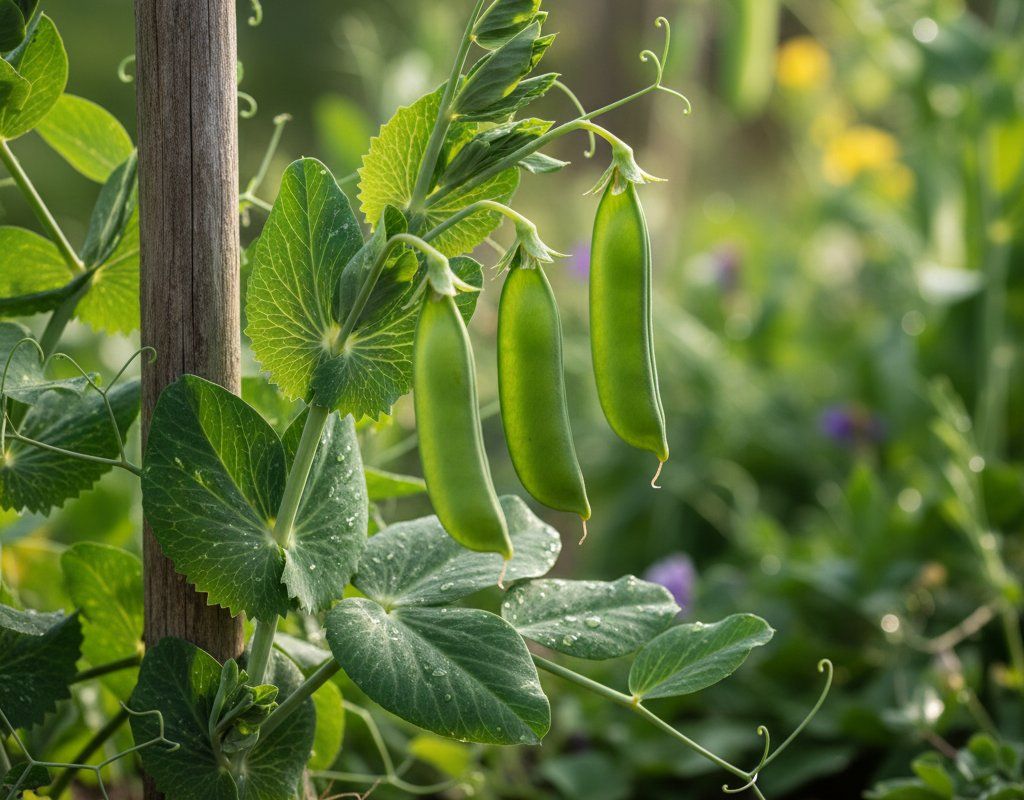
Spinach pairs well with cool-season crops that share similar growing requirements in our Desert Southwest conditions. Plant it alongside peas and beans, which fix nitrogen that spinach readily uses, while the legumes benefit from spinach's shallow root system that doesn't compete for deep nutrients. Strawberries make excellent companions since both prefer consistent moisture and can share space efficiently - the strawberry plants provide some shade for spinach during warm spells.
Brassicas like kale, broccoli, and cabbage work well near spinach since they grow during the same cool seasons and have similar water needs. These companions can also provide beneficial shade as they mature, helping protect spinach from our intense spring sun. Avoid planting spinach near deep-rooted plants that might compete for the consistent moisture spinach requires, though there aren't any plants that actively harm spinach growth.
🌸Best Flowers to Plant with Spinach
These flowers protect your Spinach from pests and attract pollinators for better harvests.
For Pest Control



Get a Reminder When It's Time to Plant
We'll email you when key planting windows open for your zone.