
Spinach in Zone 7A — Northern California
Spinacia oleracea · Your Complete 2026 Planting Guide
Time to Buy Starts!
Seed starting window passed, but starts are available now.
Buy Starts Now
Head to your local nursery, Home Depot, or farmers market for transplants.
- Look for stocky plants with dark green leaves
- Avoid leggy seedlings or plants already flowering
- Check that roots aren't circling the pot (rootbound)
How to Plant Spinach in Zone 7A — Northern California
Here are all your options for getting spinach in the ground, from the easiest method to more advanced approaches.
Direct Sow Seeds
RecommendedEarly February through mid September
around February 6
Consider succession planting every 2-3 weeks for continuous harvest.
Spinach loves cold soil. Direct sow as soon as ground can be worked.
Start Seeds Indoors
RecommendedMid January through early February
around January 23
Then transplant: Mid February through early April
Start seeds 4-6 weeks before transplanting outdoors.
Buy Starts
Works WellMid February through early April
around February 20
Plant purchased starts after last frost (March 20).
Transplant Outdoors
Timing InfoMid February through early April
around February 20
Can tolerate light frost, but wait for soil to be workable.
You have a nice window — no need to rush.
Fall Planting
Mid September through mid October
September 29 ideal · Direct sow for fall harvest
Plant a second crop in mid-summer for fall harvest. Spinach actually prefers the cooling temperatures of fall.
Overview
Spinach thrives in Northern California's Mediterranean climate, giving you fresh, nutrient-dense greens when store-bought options are at their most expensive. Your long, mild winters and early springs mean you can harvest tender baby leaves while other regions are still frozen solid. The cool morning fog and moderate summer temperatures create perfect conditions for this cool-season crop.
Our dry summers and occasional heat waves can challenge spinach, but your 235-day growing season offers multiple planting windows to work around the heat. With proper timing and a bit of shade during the hottest months, you'll enjoy homegrown spinach from early spring through late fall.
Starting Seeds Indoors
Starting spinach seeds indoors isn't essential in Northern California, but it can give you a head start during our early spring season. Sow seeds in seed trays from mid-January through early February, about four weeks before your planned transplant date. Use a basic seed-starting mix and keep trays at 60-70°F.
Bottom watering works best for spinach seedlings since they're prone to damping off in overly moist surface conditions. Set your seed trays in shallow water and let the soil absorb moisture from below. With our mild winter conditions, you won't need grow lights if you place trays near a south-facing window.
Indoor starting makes most sense when you want to maximize your early harvest window or if you're dealing with variable microclimates that might still see late cold snaps in February.
Transplanting Outdoors
Transplant your spinach seedlings outdoors from mid-February through early April, once soil temperatures reach 40°F and nighttime lows stay above 25°F. In Northern California, this timing aligns perfectly with our warming spring trend, though you'll want to watch for those occasional temperature swings that can catch early plantings off guard.
Harden off seedlings gradually over one week by placing them outside for increasing periods each day. Start with 2-3 hours in filtered sunlight, then extend to full days by week's end. Space transplants 4-6 inches apart in rows, giving each plant room to develop its full rosette.
Your biggest concern at transplant time is managing our variable spring weather. Keep row covers handy for unexpected cold snaps, and be ready to provide temporary shade if we get an early warm spell that might stress young plants.
Direct Sowing
Direct sowing is often the preferred method for spinach in Northern California since these plants love cool soil and don't mind our chilly winter conditions. Sow seeds directly from early February through mid-September, taking advantage of our extended growing windows. Spinach actually germinates better in cool soil, so don't wait for things to warm up.
Prepare your bed with loose, well-draining soil enriched with compost. Sow seeds ½ inch deep and 2-3 inches apart, then thin to 4-6 inches once seedlings emerge. In our clay-heavy soils, adding compost or aged chicken manure improves both drainage and fertility.
The key advantage of direct sowing is avoiding transplant shock during temperature swings. Seeds sown in place develop stronger root systems and handle our variable spring weather better than transplanted seedlings.
Watering Spinach in Zone 7A (Northern California)
Spinach needs consistent moisture to prevent bolting, which becomes critical during Northern California's warm, dry periods. Aim for about 1 inch of water per week, adjusting upward during our typical summer heat and downward during our rainy winter months. The finger test works well—stick your finger 2 inches into the soil, and water when it feels dry at that depth.
Water at the base rather than overhead to prevent disease issues in our low-humidity conditions. Morning watering is especially important here since it keeps soil cool during the day and reduces evaporation. During our hot summer stretches, you might need to water every other day to maintain that consistent moisture spinach craves.
Watch for signs of water stress: leaves that look dull or slightly wilted in the afternoon, or plants that bolt prematurely when temperatures rise. Overwatering shows up as yellowing lower leaves or stunted growth. Our fast-draining soils mean overwatering is less common than underwatering.
A 2-3 inch layer of organic mulch helps retain moisture during our dry summers and reduces watering frequency. Straw or shredded leaves work well and break down to improve soil over time.
🧪Fertilizing Spinach
Feeding Schedule
Organic Fertilizer Options
Harvest Time
Your first spinach harvest typically arrives from mid-March through mid-November, depending on your planting schedule. With our 40-day maturity window, seeds sown in early February will be ready for picking by mid-March. You'll have tender baby leaves even sooner if you're succession planting every 2-3 weeks.
Harvest outer leaves when they reach 3-4 inches long, cutting them with clean scissors about an inch above the soil line. This cut-and-come-again method keeps plants producing for weeks. For full rosettes, cut the entire plant 1 inch above soil level—new growth will emerge from the crown for a second harvest.
Morning is the best harvest time in Northern California since leaves are crisp from cool overnight temperatures. During our hot summer months, get out early before the sun hits your beds. Fresh-cut spinach stores best when rinsed in cold water immediately and stored in the refrigerator with slightly damp paper towels.
As your first frost approaches in early November, harvest remaining plants completely. Unlike some greens, spinach won't survive hard freezes, so gather all mature leaves rather than hoping for post-frost recovery.
Common Problems in Zone 7A (Northern California)
Bolting shows up as a tall flower stalk shooting from the center of your spinach plant, making leaves bitter and tough. You'll notice the plant shifting from producing tender leaves to focusing energy on seed production. In Northern California, bolting typically happens when day length increases rapidly in late spring or during unexpected heat waves. Combat this by planting in partial shade during warm months, maintaining consistent soil moisture, and choosing bolt-resistant varieties like 'Olympia' or 'Space'. Succession planting every 2-3 weeks ensures continuous harvests before each planting bolts.
Downy mildew appears as yellow patches on leaf tops with fuzzy gray-purple growth on undersides, eventually causing leaves to brown and die from the bottom up. Our cool, foggy mornings create ideal conditions for this fungal disease, especially in coastal microclimates. Remove affected leaves immediately and improve air circulation by proper spacing. Water at soil level rather than overhead, and apply copper-based fungicides preventively during foggy periods.
Leaf miners create white, squiggly tunnels visible inside leaf tissue as tiny larvae feed between leaf surfaces. These pests are common in Northern California and can ruin the appearance of your harvest. Row covers during peak activity periods (spring and fall) provide the best prevention. Remove affected leaves promptly and dispose in trash, not compost. Beneficial insects like parasitic wasps help control populations naturally.
Northern California Specific Challenges: Our moderate-to-hot summers and low humidity create perfect bolting conditions for spinach, while our dry-summer rainfall pattern means you'll need consistent irrigation. Variable microclimates across the region mean coastal gardeners deal more with downy mildew from morning fog, while inland areas face greater heat stress and faster soil drying.
Best Companions for Spinach
Plant these nearby for healthier Spinach and better harvests.

Keep Away From
Companion Planting Details
Spinach pairs beautifully with strawberries, peas, beans, and brassicas in Northern California gardens. Strawberries make excellent companions since both prefer cool conditions and similar watering schedules—plant spinach around your strawberry bed edges for efficient use of space. Peas and beans fix nitrogen in soil, feeding your spinach naturally while providing light shade during our warm spring months.
Brassicas like lettuce, cabbage, and kale share similar growing requirements and pest management strategies, making them logical garden partners. All these cool-season crops benefit from the same protective strategies during heat waves and can be succession planted together. There aren't any significant companion plants to avoid with spinach, making it one of the most garden-friendly crops for mixed plantings in our Mediterranean climate.
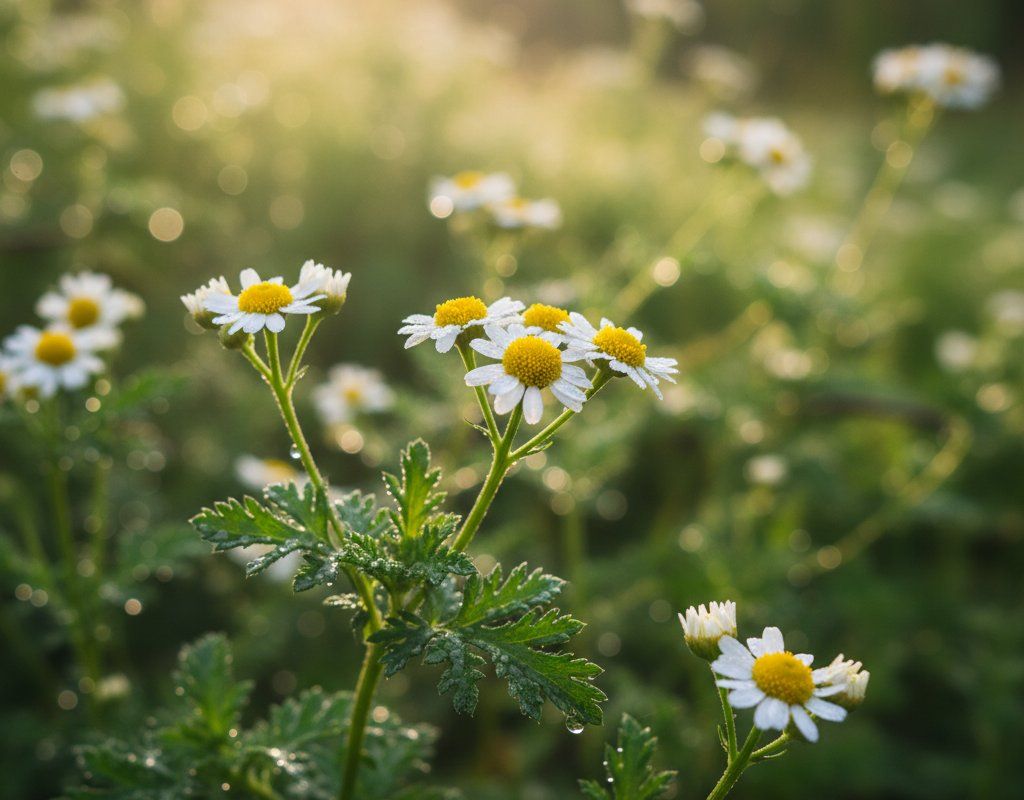
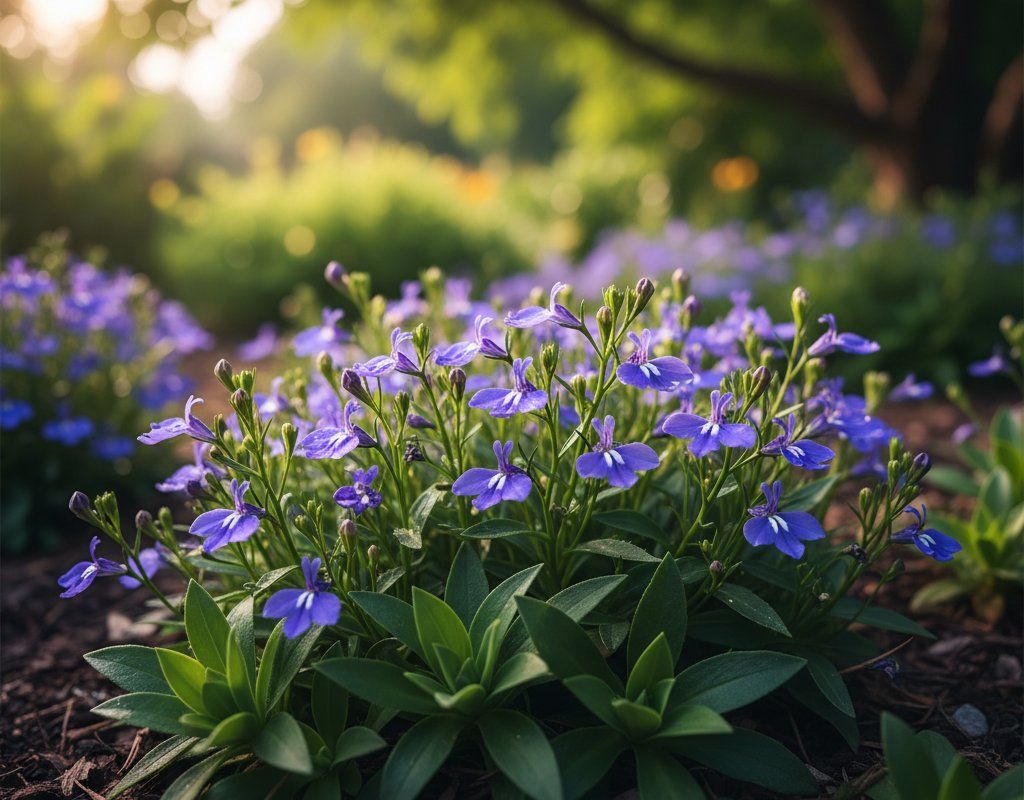
🌸Best Flowers to Plant with Spinach
These flowers protect your Spinach from pests and attract pollinators for better harvests.
For Pest Control



Get a Reminder When It's Time to Plant
We'll email you when key planting windows open for your zone.