
Spinach in Zone 7B — Northern California
Spinacia oleracea · Your Complete 2026 Planting Guide
Time to Buy Starts!
Seed starting window passed, but starts are available now.
Buy Starts Now
Head to your local nursery, Home Depot, or farmers market for transplants.
- Look for stocky plants with dark green leaves
- Avoid leggy seedlings or plants already flowering
- Check that roots aren't circling the pot (rootbound)
How to Plant Spinach in Zone 7B — Northern California
Here are all your options for getting spinach in the ground, from the easiest method to more advanced approaches.
Direct Sow Seeds
RecommendedEarly February through late September
around February 1
Consider succession planting every 2-3 weeks for continuous harvest.
Spinach loves cold soil. Direct sow as soon as ground can be worked.
Start Seeds Indoors
RecommendedMid January through early February
around January 18
Then transplant: Mid February through late March
Start seeds 4-6 weeks before transplanting outdoors.
Buy Starts
Works WellMid February through late March
around February 15
Plant purchased starts after last frost (March 15).
Transplant Outdoors
Timing InfoMid February through late March
around February 15
Can tolerate light frost, but wait for soil to be workable.
You have a nice window — no need to rush.
Fall Planting
Mid September through mid October
October 4 ideal · Direct sow for fall harvest
Plant a second crop in mid-summer for fall harvest. Spinach actually prefers the cooling temperatures of fall.
Overview
Spinach thrives in Northern California's Mediterranean climate, giving you fresh, nutrient-dense greens when store-bought options taste like cardboard. Our mild winters and long growing season mean you can harvest spinach from mid-March through late November – something gardeners in harsher climates can only dream of. The cool, moist conditions of our winter and spring create perfect growing weather for this leafy green.
Yes, our hot, dry summers and unpredictable microclimates can challenge cool-season crops like spinach. But with proper timing and water-wise techniques, you can work around these hurdles. Your 245-day growing season gives you multiple planting windows, so if one crop bolts early, you have plenty of time for succession plantings.
Starting Seeds Indoors
Starting spinach indoors isn't the most common approach, but it makes sense if you want precise timing or protection from unpredictable early spring weather. Sow seeds in seed trays from mid-January through early February, about four weeks before you plan to transplant outdoors. Spinach seeds germinate best in cool conditions – around 50-60°F – so you won't need heat mats like you would for tomatoes.
Set up your seedlings under grow lights or in a bright, cool spot. Bottom watering works best to prevent damping-off and keeps the soil evenly moist without waterlogging. Since our Northern California springs start early, you'll be transplanting these seedlings into garden beds while other regions are still dealing with snow.
The main advantage of indoor starting is getting a jump on the season and avoiding any late cold snaps that might slow direct-sown seeds. Just remember that spinach doesn't love root disturbance, so handle transplants gently.
Transplanting Outdoors
Transplant your spinach seedlings from mid-February through late March, timing it with our region's early spring emergence. These plants handle cool weather beautifully – they're actually more cold-hardy than heat-tolerant – so don't wait for warm soil temperatures. As soon as nighttime lows stay above the mid-20s consistently, you're good to go.
Harden off seedlings gradually over a week, starting with a few hours of filtered sunlight and building up to full outdoor exposure. This process is especially important in Northern California because our microclimates can vary dramatically even within a single yard. Space transplants 4-6 inches apart in rows or scatter them throughout mixed beds.
Watch for those warm spells that can hit in late February or early March. If temperatures spike above 75°F for several days, provide some afternoon shade with row covers or plant taller crops nearby. Your transplants will establish quickly in our cool, moist spring conditions.
Direct Sowing
Direct sowing spinach works beautifully in Northern California from early February through late September, though you'll want to skip the hottest months of summer unless you can provide consistent shade. Spinach loves cold soil and will germinate happily when soil temperatures are in the 40s – perfect timing for our late winter weather patterns.
Prepare beds with loose, well-draining soil enriched with compost. Sow seeds ¼ to ½ inch deep, spacing them 4-6 inches apart or broadcasting them and thinning later. The beauty of direct sowing is that you avoid transplant shock entirely, and spinach actually prefers to stay put once its roots are established.
For continuous harvests, succession plant every 2-3 weeks from early spring through late fall. Skip planting during our hottest months (typically late June through early September) unless you have a consistently shaded spot. Resume sowing in mid-September for excellent fall and early winter crops that will handle our mild frosts without protection.
Watering Spinach in Zone 7B (Northern California)
Spinach demands consistent soil moisture – this isn't a plant you can let dry out between waterings like Mediterranean herbs. In Northern California's low-humidity climate, you'll need to water more frequently than gardeners in humid regions, but less than those dealing with extreme heat. Aim for about 1 to 1.5 inches per week, adjusting based on rainfall and temperature.
Check soil moisture by sticking your finger 2 inches deep near the base of plants. If it feels dry, it's time to water. During our mild spring weather, this might mean watering every 3-4 days. As temperatures climb toward summer, daily watering becomes necessary to prevent the quick bolting that hot, dry conditions trigger in spinach.
Water at the base of plants rather than overhead to reduce disease risk in our low-humidity climate. Drip irrigation or soaker hoses work perfectly for spinach beds. Early morning watering helps keep soil temperatures cool throughout the day – crucial for preventing heat stress that leads to bitter, tough leaves.
Apply a thin layer of organic mulch around plants to retain moisture and keep roots cool, but don't pile it thick since spinach has a relatively shallow root system. During water restrictions, prioritize your spinach beds since they can't tolerate drought stress like established perennials can.
🧪Fertilizing Spinach
Feeding Schedule
Organic Fertilizer Options
Harvest Time
Your first spinach harvest begins around mid-March and can continue through late November in Northern California – one of the longest harvest windows you'll find for any leafy green. With our 40-day maturity period, you'll see harvestable leaves within 6 weeks of direct sowing, even sooner from transplants.
Harvest individual outer leaves when they reach 3-4 inches long, leaving the center growing point intact for continuous production. Cut leaves cleanly with scissors or pinch them off at the base. You can also harvest entire rosettes by cutting the whole plant about 1 inch above soil level – most varieties will regrow for a second cutting if conditions remain cool.
The key to extended harvests is timing your plantings with our climate patterns. Spring crops planted in early February will produce through late May before heat stress causes bolting. Fall plantings from mid-September onward will carry you through our mild winter, often producing right up until your next spring planting cycle begins.
As temperatures approach the upper 70s consistently, watch for the telltale signs of bolting – elongated stems and flower buds forming in the center. Harvest immediately when you see these signs, even if leaves are smaller than ideal. Once bolting begins, leaves turn bitter quickly and the plant shifts energy from leaf production to seed formation.
Common Problems in Zone 7B (Northern California)
Bolting shows up as elongated stems shooting up from the center of your spinach rosette, often with small yellow flowers forming at the tips. This premature flowering makes leaves bitter and tough, essentially ending your harvest. Northern California's unpredictable warm spells, especially those late winter and early spring temperature swings, are major triggers for bolting in cool-season crops like spinach.
Plant at the right time for each season and choose bolt-resistant varieties like 'Space' or 'Tyee'. Provide afternoon shade during warm spells using row covers or companion planting with taller crops. Most importantly, keep soil consistently moist – drought stress combined with heat is a guaranteed bolting trigger in our dry climate.
Downy mildew appears as yellow patches on leaf tops with a fuzzy gray-purple growth on the undersides. Affected leaves eventually brown and die from the bottom up. This fungal disease thrives in the cool, moist conditions of Northern California winters and springs, spreading rapidly through wind-carried spores.
Remove affected leaves immediately and improve air circulation by proper spacing and avoiding overcrowding. Water only at the base of plants, never overhead – our low humidity helps, but wet leaves still create perfect conditions for disease. Copper-based fungicides applied preventively can help, especially during our foggy winter months along the coast.
Leaf miners create distinctive serpentine tunnels or blotches visible through spinach leaves, caused by tiny larvae feeding between the leaf surfaces. You'll often see small white or yellow flies hovering around plants – these are the adults laying eggs. The damage rarely kills plants but makes leaves unsightly and can reduce overall vigor.
Remove affected leaves immediately and dispose of them away from the garden. Row covers during peak laying periods (typically spring and fall) provide excellent protection. Beneficial insects like parasitic wasps help control populations naturally, so avoid broad-spectrum insecticides that harm these allies.
Northern California Specific Challenges: Our region's combination of moderate-to-hot summers, low humidity, and extended dry periods creates unique stress conditions for spinach. The dramatic temperature swings between foggy coastal areas and inland valleys mean timing and microclimate management become crucial for success.
Best Companions for Spinach
Plant these nearby for healthier Spinach and better harvests.

Keep Away From
Companion Planting Details
Spinach pairs beautifully with strawberries in Northern California gardens – the strawberry plants provide light shade during warm spells while spinach acts as a living mulch, keeping strawberry roots cool and moist. Peas and beans make excellent companions since they fix nitrogen in the soil, feeding your heavy-feeding spinach without additional fertilizer applications. Plant these legumes on the sunny side of spinach beds to provide natural afternoon shade.
Brassicas like kale, cabbage, and broccoli work well planted nearby since they share similar cool-season growing preferences and water needs – crucial for efficient irrigation in our water-conscious region. These plants also tend to mature at different rates, so you can maximize space utilization throughout the long growing season. Avoid planting spinach near large, aggressive feeders like corn or winter squash, which will outcompete it for nutrients and water in our naturally lean soils.
🌸Best Flowers to Plant with Spinach
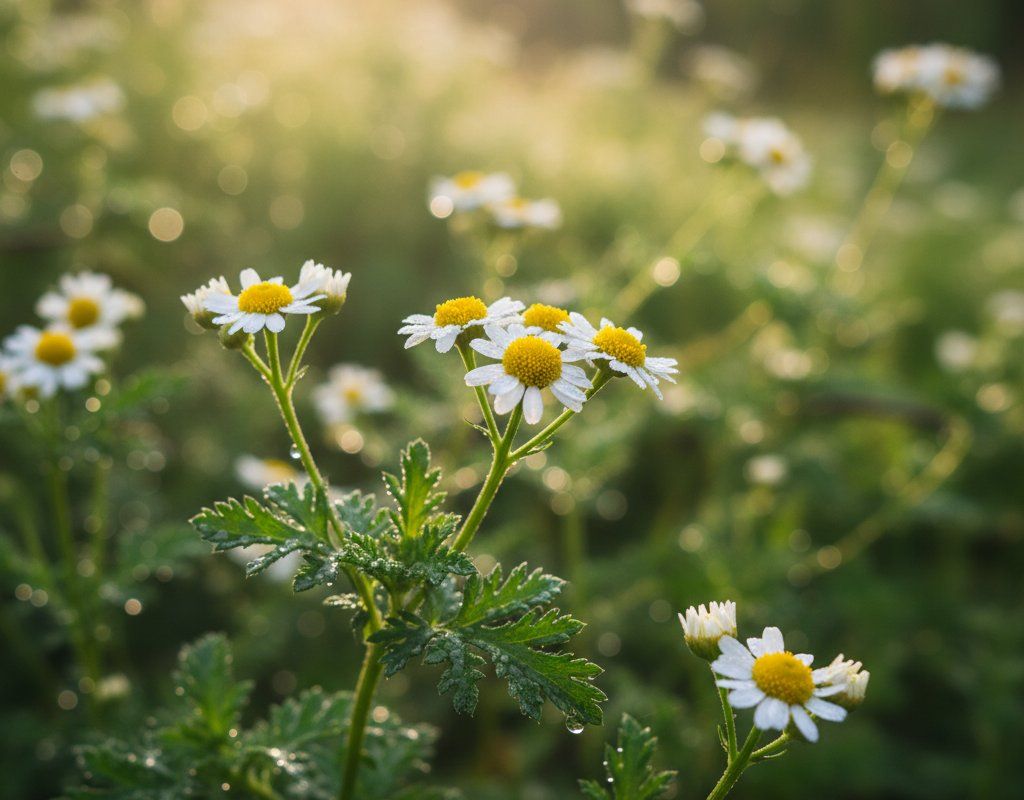
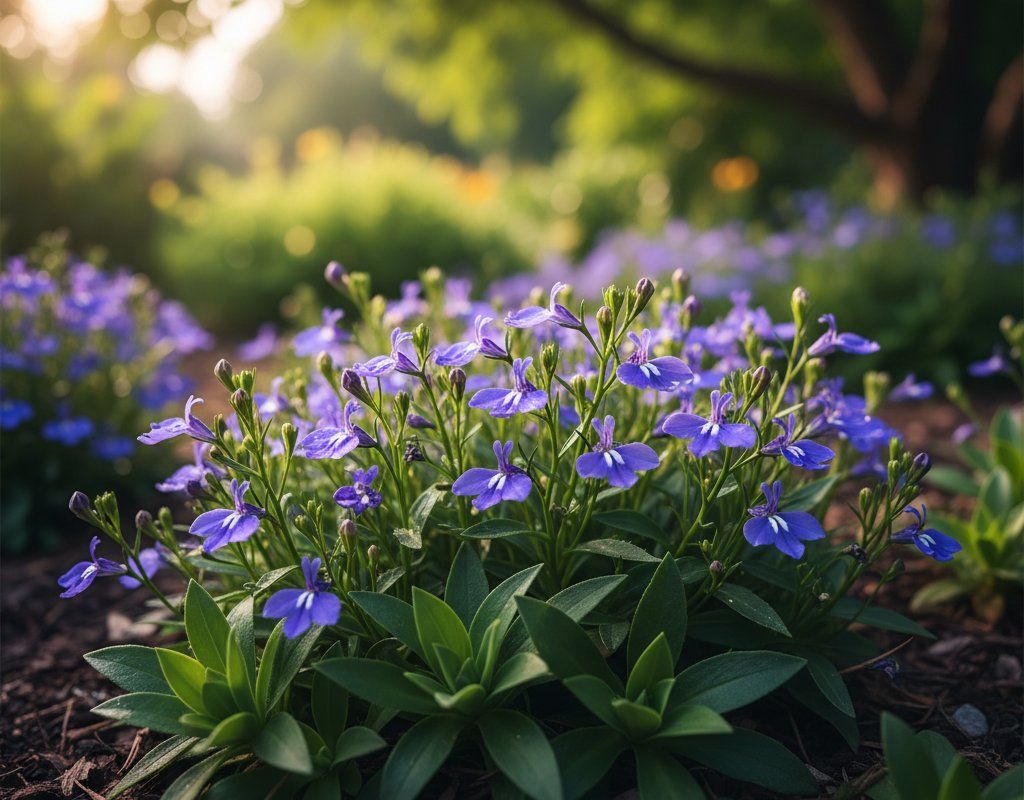
These flowers protect your Spinach from pests and attract pollinators for better harvests.
For Pest Control



Get a Reminder When It's Time to Plant
We'll email you when key planting windows open for your zone.