
Spinach in Zone 9A — Texas
Spinacia oleracea · Your Complete 2026 Planting Guide
Harvest Time!
Your Spinach should be producing now!
Harvest Tips
Harvest outer leaves for cut-and-come-again, or cut whole head.
How to Plant Spinach in Zone 9A — Texas
Here are all your options for getting spinach in the ground, from the easiest method to more advanced approaches.
Direct Sow Seeds
RecommendedEarly January through mid October
around January 4
Consider succession planting every 2-3 weeks for continuous harvest.
Spinach loves cold soil. Direct sow as soon as ground can be worked.
Start Seeds Indoors
RecommendedMid December through early January
around December 21
Then transplant: Mid January through early March
Start seeds 4-6 weeks before transplanting outdoors.
Buy Starts
Works WellMid January through early March
around January 18
Plant purchased starts after last frost (February 15).
Transplant Outdoors
Timing InfoMid January through early March
around January 18
Can tolerate light frost, but wait for soil to be workable.
You have a nice window — no need to rush.
Fall Planting
Early October through early November
October 24 ideal · Direct sow for fall harvest
Plant a second crop in mid-summer for fall harvest. Spinach actually prefers the cooling temperatures of fall.
Overview
Spinach thrives in Texas's unique growing pattern, giving you fresh, iron-rich greens that taste worlds better than anything you'll find in stores. In our Zone 9A climate, you can grow spinach during our long, mild winters and catch it again in fall before the Texas heat shuts things down. Those tender, dark leaves are perfect for everything from morning smoothies to wilted dinner sides, and nothing beats the satisfaction of harvesting your own greens when the grocery store spinach costs a fortune and tastes like wet cardboard.
Yes, our unpredictable weather and brutal summer heat can challenge cool-season crops like spinach, but timing is everything here. With our 293-day growing season and relatively mild winters, you actually have two excellent windows to grow spinach successfully. Plant it right, and you'll be harvesting fresh greens while your neighbors are still talking about how expensive produce has gotten.
Starting Seeds Indoors
Starting spinach seeds indoors makes sense if you want to maximize your winter growing window or get a jump start on fall plantings. Start seeds in mid-December through early January, about four weeks before you plan to transplant outside. You'll need seed trays with good drainage and a warm spot that stays around 60-65°F for germination.
Use bottom watering to keep seeds moist without creating the damp conditions that invite damping-off disease. A simple tray underneath your seed containers works perfectly. Since Texas springs start early and can turn hot fast, indoor starts let you get stronger plants ready to handle our unpredictable weather swings.
Spinach doesn't love being transplanted as much as other crops, so handle seedlings gently and don't let them get too large indoors. Four-inch tall seedlings transplant better than bigger ones that might bolt from the shock.
Transplanting Outdoors
Transplant your indoor-started spinach seedlings from mid-January through early March, timing it for when soil temperatures are still cool but the worst freeze risk has passed. In Texas, this window gives you the longest harvest period before our heat shuts everything down. Harden off seedlings for a full week first, gradually exposing them to outdoor conditions for longer periods each day.
Space plants 4-6 inches apart in rows or blocks, giving them room to form full rosettes without crowding. Texas weather can swing dramatically during transplant season, so keep row covers handy for unexpected cold snaps or late freezes that occasionally surprise us even in March.
Plant transplants in the late afternoon or on cloudy days to reduce transplant shock. Our February and March sun can be stronger than seedlings expect, and stressed plants bolt faster when the heat arrives early.
Direct Sowing
Direct sowing works beautifully for spinach in Texas since this crop actually prefers cool soil and doesn't mind light frosts. Sow seeds from early January through mid-October, though your best results come from winter and early fall plantings. Spinach germinates well in cold soil, often better than warm soil, which makes our mild winter perfect for direct seeding.
Prepare beds with loose, well-draining soil and sow seeds about half an inch deep, spacing them 4-6 inches apart. In our clay-heavy Texas soils, adding compost helps with both drainage and germination. Seeds can handle soil temperatures down to 35°F, so don't wait for warm weather to plant your winter crop.
For fall plantings, sow in early October through early November when nighttime temperatures start dropping but soil still has warmth for germination. This timing gives you fresh spinach through our mild winter months, often lasting until the heat really cranks up in late spring.
Watering Spinach in Zone 9A (Texas)
Spinach needs consistent moisture but never waterlogged soil, which can be tricky with our unpredictable Texas rainfall that swings from drought to flash floods. Aim for about an inch of water per week, checking soil moisture with the finger test - stick your finger two inches deep, and water when it feels dry at that depth. Even moisture is critical because stressed spinach bolts to seed quickly, especially as temperatures rise.
Water at the base of plants rather than overhead to prevent disease issues that thrive in our variable humidity. Morning watering works best here, giving plants time to dry before evening and helping keep soil cooler during our hot afternoons. During dry spells, which we get plenty of, you might need to water every other day to maintain that consistent moisture.
Watch for signs of stress: wilted leaves mean you're behind on watering, while yellow, mushy leaves suggest overwatering or poor drainage. In summer heat, even well-watered spinach will struggle, which is why we focus on cool-season growing here.
A two-inch layer of mulch helps retain moisture and keeps soil temperatures cooler, extending your harvest window. Use light-colored mulch like straw rather than dark materials that absorb heat - every degree matters when you're trying to keep spinach happy in Texas.
🧪Fertilizing Spinach
Feeding Schedule
Organic Fertilizer Options
Harvest Time
Your first spinach harvest typically comes 40 days after planting, which means mid-February through mid-December harvests depending on when you planted. In Texas, timing this right means you can harvest fresh spinach throughout our mild winter months and again in fall before hard freeze arrives around early December.
Start harvesting when outer leaves reach 3-4 inches long, cutting them at the base with clean scissors or your fingers. Take the largest outer leaves first, leaving the center growing point intact for continuous production. You can also cut the entire rosette about an inch above soil level, and it'll regrow for a second harvest if temperatures stay cool.
Harvest in the morning when leaves are crisp and full of moisture. Texas heat can make leaves wilt and bitter by afternoon, even in winter. Pick regularly to keep plants producing - spinach that's left too long develops thick, tough leaves that aren't pleasant to eat.
As first frost approaches in early December, you can harvest entire plants and store them in the refrigerator, or cover plants with row covers to extend the season. Unlike tomatoes, spinach actually sweetens up after light frosts, so don't rush to harvest everything at the first freeze warning.
Common Problems in Zone 9A (Texas)
Bolting
Bolting shows up as a tall flower stalk shooting up from the center of your spinach plant, and once it happens, the leaves turn bitter and tough. You'll see the plant suddenly stretch upward instead of producing more leaves. In Texas, this typically happens when unseasonably warm weather hits your cool-season spinach, or when plants get stressed by inconsistent watering during our unpredictable spring weather.
Hot days, long daylight hours, and drought stress all trigger bolting in spinach. Our early springs and sudden temperature swings make timing critical here. Plant early enough to get a good harvest before heat arrives, keep soil consistently moist, and consider providing afternoon shade when temperatures start climbing into the 80s.
Downy Mildew
Downy mildew appears as yellow patches on the tops of leaves with fuzzy gray-purple growth on the undersides. Leaves brown and die from the bottom up, and it spreads fast in cool, humid conditions. In Texas, this often shows up during our variable humidity periods, especially when we get morning dew followed by warm, muggy days.
This fungal-like pathogen spreads through wind-carried spores and thrives in the exact conditions spinach loves - cool and moist. Remove affected leaves immediately and improve air circulation around plants. Always water at the base rather than overhead, and avoid working around wet plants to prevent spreading spores.
Leaf Miners
Leaf miners create winding, white trails or tunnels through spinach leaves where tiny larvae feed between the leaf surfaces. You'll see squiggly lines that look like someone drew on your leaves with white ink. The trails eventually brown out, and heavily damaged leaves become inedible.
These small fly larvae tunnel through leaves, and while they rarely kill plants, they make your harvest look terrible. Row covers during peak fly seasons help prevent adults from laying eggs on leaves. Remove damaged leaves promptly and till soil after harvest to disrupt the pest cycle.
Texas Specific Challenges
Our hot-to-extreme summer heat and unpredictable rainfall patterns make spinach a definite cool-season crop here. The variable humidity can promote disease issues, while drought stress causes immediate bolting. Fire ants don't typically bother spinach directly, but flash floods can drown plants, and our unpredictable late freezes can damage crops you thought were safe. Success with spinach in Texas comes down to timing it right for our mild winters and protecting it from our extreme summer conditions.
Best Companions for Spinach
Plant these nearby for healthier Spinach and better harvests.

Keep Away From
Companion Planting Details
Spinach pairs beautifully with strawberries, which appreciate the same cool conditions and consistent moisture while their shallow roots don't compete directly. Peas and beans make excellent companions since they fix nitrogen in the soil that spinach loves, plus their growing seasons overlap perfectly in our Texas climate. Plant spinach near your cool-season brassicas like broccoli, cabbage, and kale - they all thrive in the same mild winter conditions and help each other by confusing pests that might target just one crop type.
Avoid planting spinach near heavy feeders that will compete for nutrients, though there aren't any plants that actively harm spinach growth. The main consideration in Texas is timing - make sure your companion plants all prefer the same cool-season growing window, since our brutal summer heat will shut down anything cool-weather loving regardless of what you plant it next to.
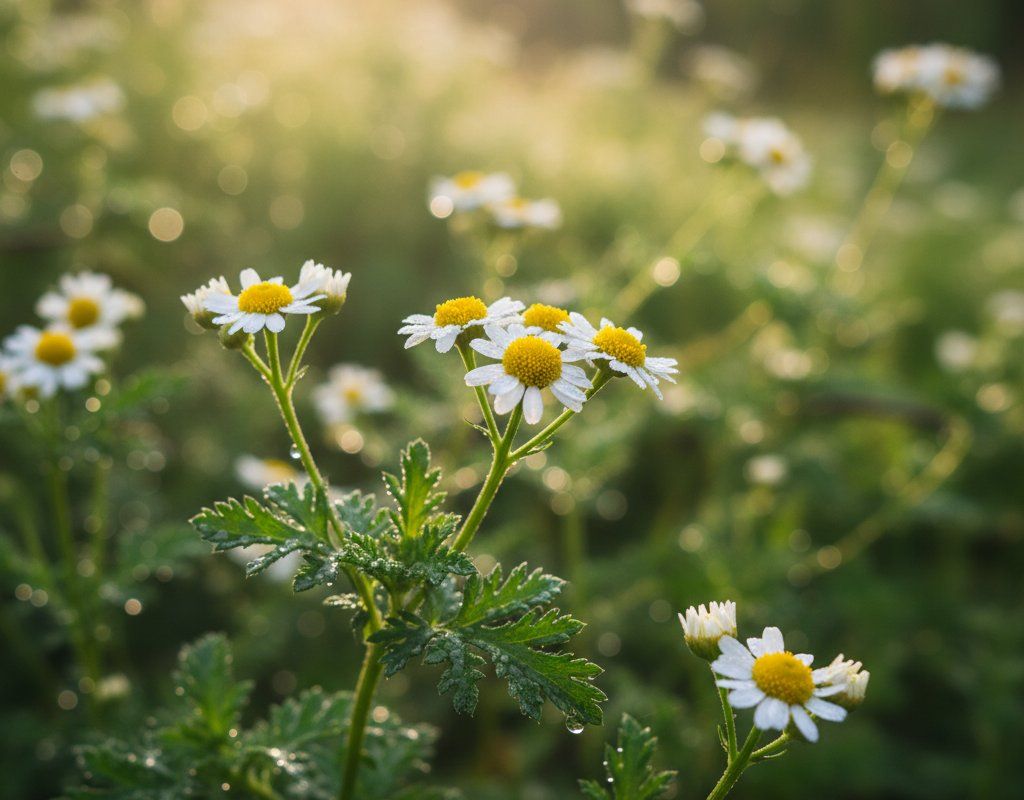
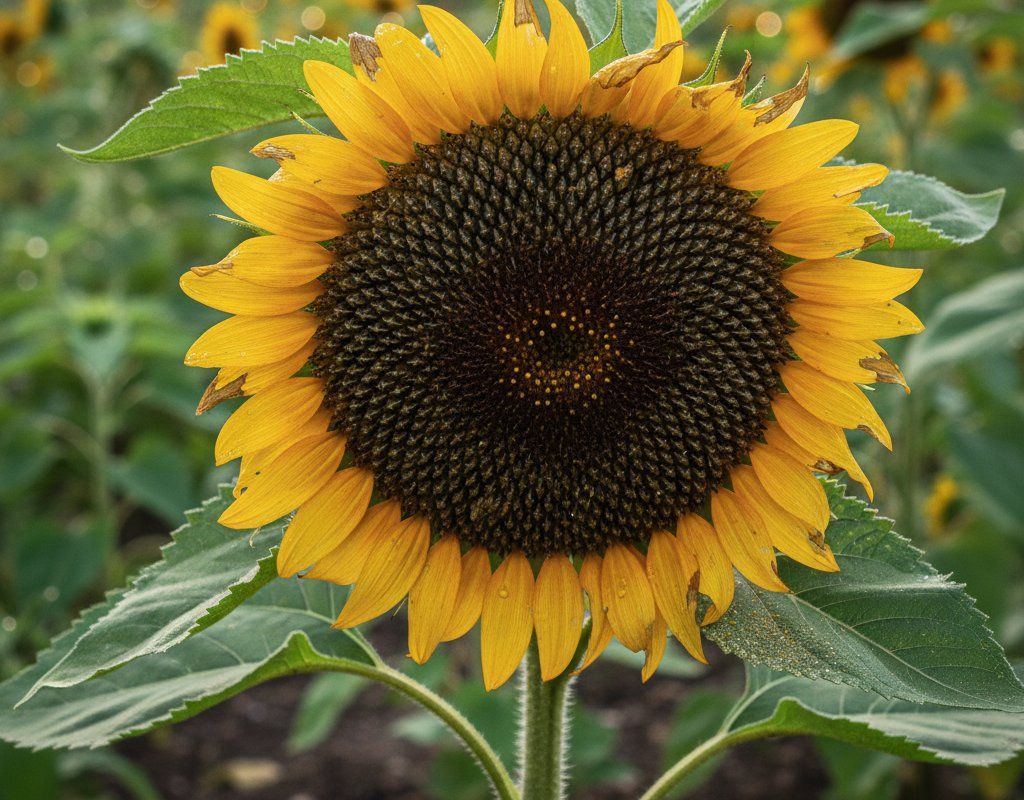
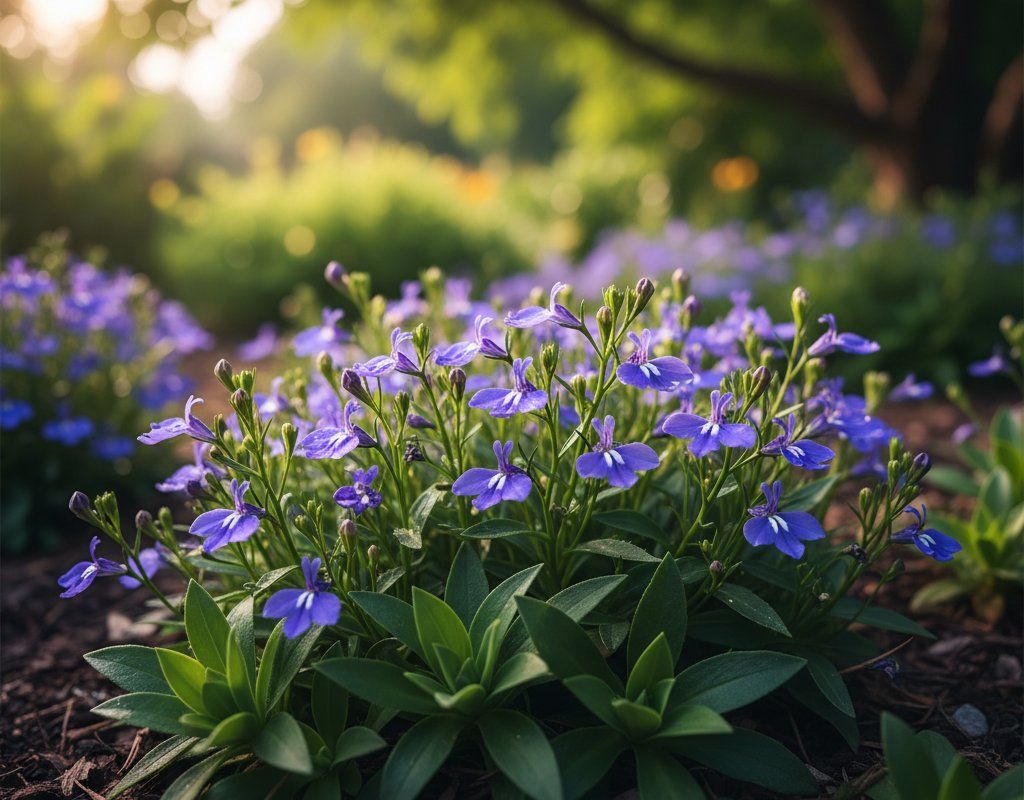
🌸Best Flowers to Plant with Spinach
These flowers protect your Spinach from pests and attract pollinators for better harvests.
For Pest Control


Get a Reminder When It's Time to Plant
We'll email you when key planting windows open for your zone.