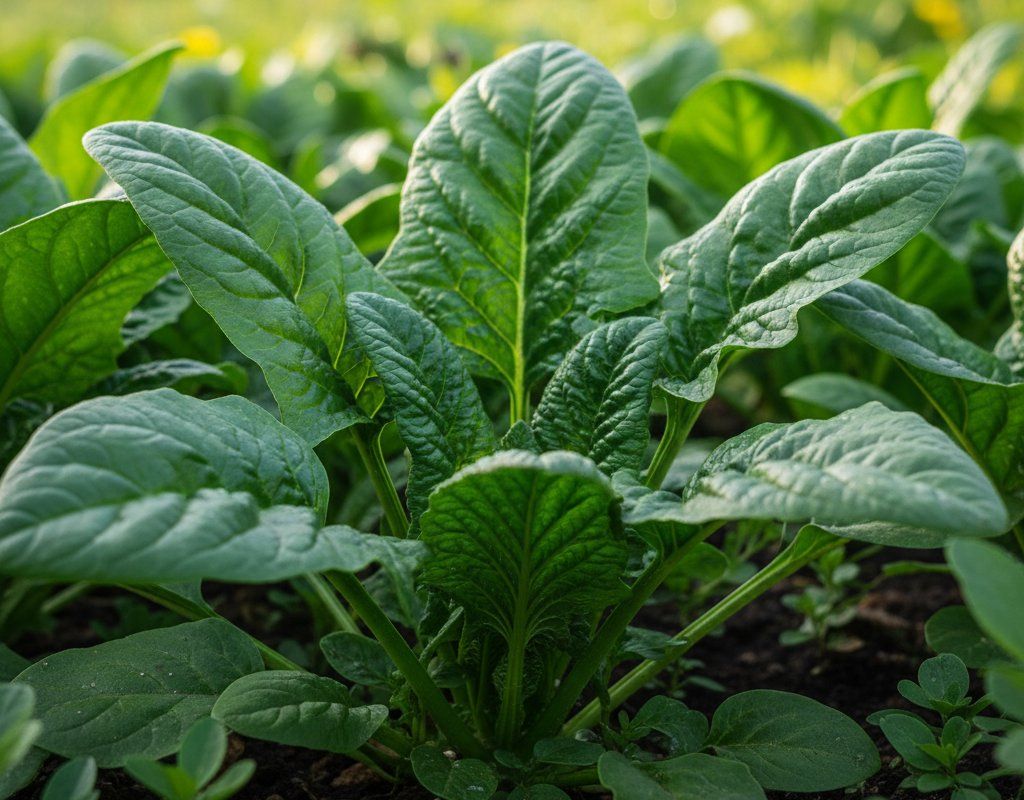
Spinach in Zone 9B — Florida
Spinacia oleracea · Your Complete 2026 Planting Guide
Harvest Time!
Your Spinach should be producing now!
Harvest Tips
Harvest outer leaves for cut-and-come-again, or cut whole head.
How to Plant Spinach in Zone 9B — Florida
Here are all your options for getting spinach in the ground, from the easiest method to more advanced approaches.
Direct Sow Seeds
RecommendedEarly December through early November
around December 9
Consider succession planting every 2-3 weeks for continuous harvest.
Spinach loves cold soil. Direct sow as soon as ground can be worked.
Start Seeds Indoors
RecommendedMid November through early December
around November 25
Then transplant: Late December through early February
Start seeds 4-6 weeks before transplanting outdoors.
Buy Starts
Works WellLate December through early February
around December 23
Plant purchased starts after last frost (January 20).
Transplant Outdoors
Timing InfoLate December through early February
around December 23
Can tolerate light frost, but wait for soil to be workable.
You have a nice window — no need to rush.
Fall Planting
Early November through early December
November 18 ideal · Direct sow for fall harvest
Plant a second crop in mid-summer for fall harvest. Spinach actually prefers the cooling temperatures of fall.
Overview
Spinach thrives in Florida's winter garden when you work with our reversed growing seasons instead of fighting them. While other regions struggle with short winter days, you get to harvest fresh, tender spinach leaves through our mild winter months when the humidity drops and those blazing summer temperatures finally ease up. Nothing beats the sweet, iron-rich flavor of homegrown spinach picked fresh from your own garden - far superior to the wilted, sandy-textured stuff shipped from distant farms.
The key to success here is embracing Florida's unique calendar where summer is our rest season and winter is prime growing time. Yes, our extreme humidity and sandy soils present challenges, but with your 344-day growing season, you have an enormous window to get spinach right. Time your plantings for the cooler months, and you'll avoid the heat stress and bolting that plague gardeners trying to grow spinach in summer.
Starting Seeds Indoors
Starting spinach seeds indoors makes sense if you want to get a head start on the season or live in an area where December temperatures still swing too warm for direct sowing. Start your seeds mid-November through early December, about four weeks before you plan to transplant. This timing works well since you're preparing transplants during our transition from hot autumn into cooler winter weather.
Set up your seed trays in a spot that stays around 60-70°F - not too warm, as spinach actually prefers cool conditions even for germination. Use bottom watering to keep the soil evenly moist without creating the surface wetness that invites fungal problems in our humid climate. Your seedlings will be ready to harden off by late December when outdoor conditions become more favorable.
Since our spring growing season is essentially winter and early spring, indoor starting gives you more control over those early weeks when weather can still be unpredictable. Just remember that spinach doesn't love root disturbance, so handle transplants gently.
Transplanting Outdoors
Transplant your spinach seedlings from late December through early February, when daytime highs settle into the comfortable 70s and nighttime temperatures drop into the 50s and 60s. This timing takes advantage of Florida's "winter spring" - our prime growing season when humidity levels drop and plants can actually breathe.
Harden off your seedlings gradually over a full week before transplanting. Start with just an hour or two of morning sun, then increase exposure daily until they're spending full days outdoors. Even though spinach is frost-hardy, the transition from indoor growing conditions to our outdoor humidity and temperature swings needs to be gradual.
Space your transplants 4-6 inches apart in rows or blocks. Plant them at the same depth they were growing in their containers, and water them in well at the base. Late December and January plantings often do best since they establish during our coolest, most comfortable weather and have time to size up before any late-season heat waves hit.
Direct Sowing
Direct sowing works beautifully for spinach in Florida since this crop actually prefers cool soil and doesn't transplant as well as some vegetables. Sow your seeds from early December through early November, timing your plantings for when soil temperatures drop below 70°F consistently. This usually happens once our summer heat finally breaks and those first cool fronts start moving through.
Prepare your planting area by working compost into the sandy soil to improve water retention and fertility. Spinach seeds germinate best in soil temperatures between 50-70°F, so wait for that natural cooling rather than trying to force summer plantings. Plant seeds about half an inch deep and space them 4-6 inches apart, or plant more densely and thin later.
The beauty of direct sowing in Florida is that you can make succession plantings every 2-3 weeks from December through February to extend your harvest window. Your seeds will germinate quickly in the mild weather, and plants establish strong root systems that help them handle any unexpected warm spells.
Watering Spinach in Zone 9B (Florida)
Spinach needs consistent, even moisture but absolutely cannot tolerate waterlogged soil - a real challenge in Florida where we swing between drought conditions and sudden deluges. During your main growing season (winter through early spring), aim for about an inch of water per week, including rainfall. Check soil moisture with the finger test, pushing down 2 inches deep; the soil should feel like a wrung-out sponge.
Water at the base of plants rather than overhead, especially important in our high-humidity climate where wet leaves invite downy mildew and other fungal problems. Early morning watering works best since it gives plants time to dry off before the humidity climbs, and it keeps the root zone cooler throughout the day. In our sandy soils, you'll likely need to water more frequently but with smaller amounts to prevent nutrients from leaching away.
Watch for signs of water stress carefully - spinach bolts quickly when it gets too dry or too hot. Leaves will look dull and may start to pucker when the plant is thirsty. Overwatering shows up as yellowing lower leaves and slug problems, which love our humid conditions. During any unseasonable warm spells, increase watering frequency and consider temporary shade cloth.
Apply a light layer of organic mulch around plants to help retain moisture in our sandy soil, but keep it a few inches away from the stems to prevent pest and disease issues in our humid climate. Compost or shredded leaves work well and break down to improve soil structure over time.
🧪Fertilizing Spinach
Feeding Schedule
Organic Fertilizer Options
Harvest Time
Your first spinach harvest typically comes mid-January to early February, about 40 days from direct sowing or 6-8 weeks from indoor starts. Look for outer leaves that reach 3-4 inches long with good dark green color and crisp texture. Don't wait too long - younger leaves taste sweeter and more tender than fully mature ones.
Harvest by cutting individual outer leaves at the base with clean scissors or a sharp knife, leaving the growing center intact for continued production. You can also cut the entire rosette about an inch above soil level, and most varieties will regrow for a second harvest. This cut-and-come-again method works especially well in Florida's extended growing season.
Keep harvesting regularly to encourage new leaf production and prevent plants from shifting energy into flowering. In our climate, spinach can produce for several months when kept well-watered and harvested frequently. As temperatures start climbing in late March or early April, leaves may become slightly more bitter, but they're still perfectly good for cooking.
When the first warm spell hits and flower stalks appear, harvest everything at once. The leaves are still edible even after bolting starts, though they'll be stronger flavored. Use them in smoothies, soups, or sautéed dishes where the more intense flavor actually works well.
Common Problems in Zone 9B (Florida)
Bolting shows up as a tall flower stalk shooting up from the center of the plant, often seemingly overnight. Once this happens, leaves become bitter and tough as the plant shifts all energy into seed production. In Florida, bolting usually occurs when we get an unexpected warm spell in late winter or early spring, or when plants experience drought stress during temperature swings.
Keep plants consistently watered and consider temporary shade cloth during any 80-degree days. Choose bolt-resistant varieties like 'Space' or 'Tyee' that tolerate heat better than standard types. Time your plantings for the coolest part of our growing season and make succession sowings rather than trying to extend one planting too long.
Downy mildew appears as yellow patches on leaf tops with fuzzy gray-purple growth on the undersides, eventually causing leaves to brown and die from the bottom up. This fungal disease thrives in our humid conditions, especially during cool, damp mornings that are common in Florida's winter growing season.
Remove affected leaves immediately and dispose of them in the trash, not your compost. Improve air circulation by proper spacing and avoid overhead watering completely. Water at the base early in the morning so plants dry quickly. Copper-based fungicides can help prevent spread, and varieties like 'Corvair' show good resistance.
Leaf miners create winding white or tan tunnels through the leaves, making them unsightly and reducing the edible portion. These tiny larvae of small flies are particularly troublesome in Florida's year-round growing climate where pest populations don't get knocked back by hard freezes.
Row covers during the most vulnerable early growth stages help prevent adult flies from laying eggs. Remove and destroy affected leaves promptly. Yellow sticky traps can help monitor and catch adult flies. Since leaf miners rarely kill plants outright, focus on prevention and quick harvest of clean leaves.
Florida Specific Challenges: Our high humidity creates perfect conditions for fungal diseases, while sandy soils drain quickly but don't hold nutrients well. The lack of hard freezes means pest populations persist year-round, requiring more vigilant monitoring than gardeners in colder climates face.
Best Companions for Spinach
Plant these nearby for healthier Spinach and better harvests.

Keep Away From
Companion Planting Details
Strawberries make excellent companions for spinach in Florida since both crops thrive in our cooler months and have similar water needs. The strawberry plants provide light shade that helps prevent bolting during unexpected warm spells, while spinach's shallow roots don't compete with the strawberry root system. Plant them together in late fall for a productive winter garden combination.
Peas and beans also work well with spinach since the legumes fix nitrogen that feeds the leafy greens throughout the growing season. Cool-season brassicas like lettuce, kale, and broccoli share similar timing and growing requirements, making crop rotation and garden planning easier in Florida's compressed cool season. Avoid planting spinach near heavy feeders like tomatoes or peppers, though this isn't usually an issue since those warm-season crops grow during opposite times of year in our climate.
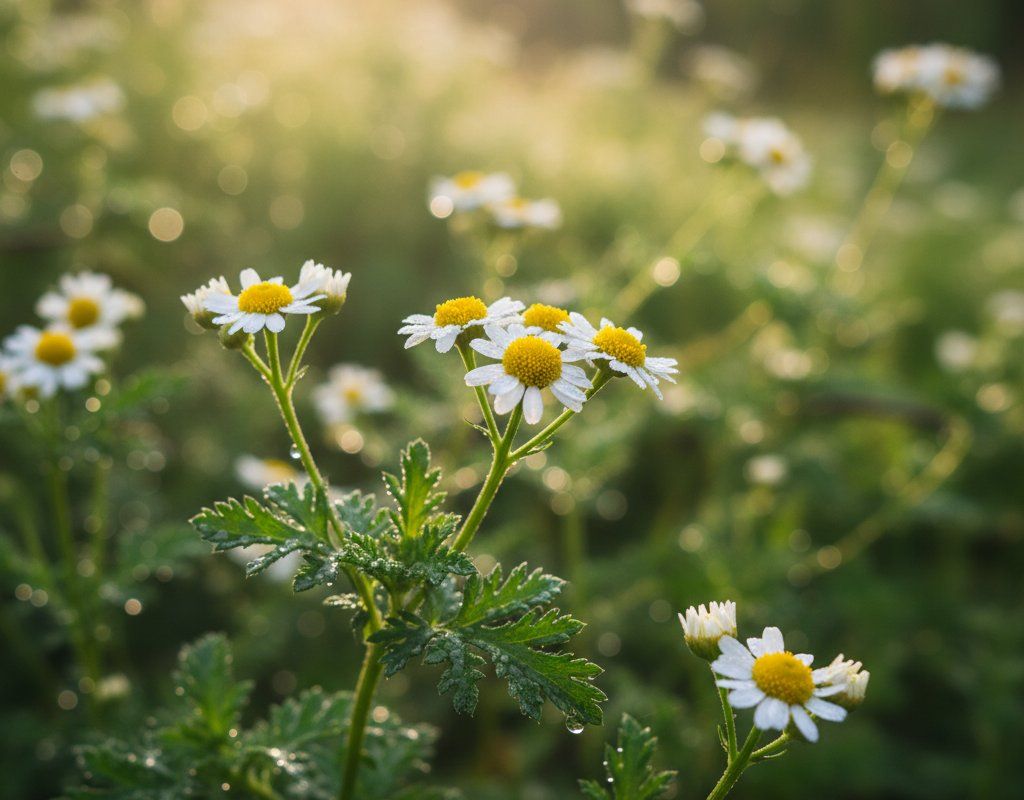
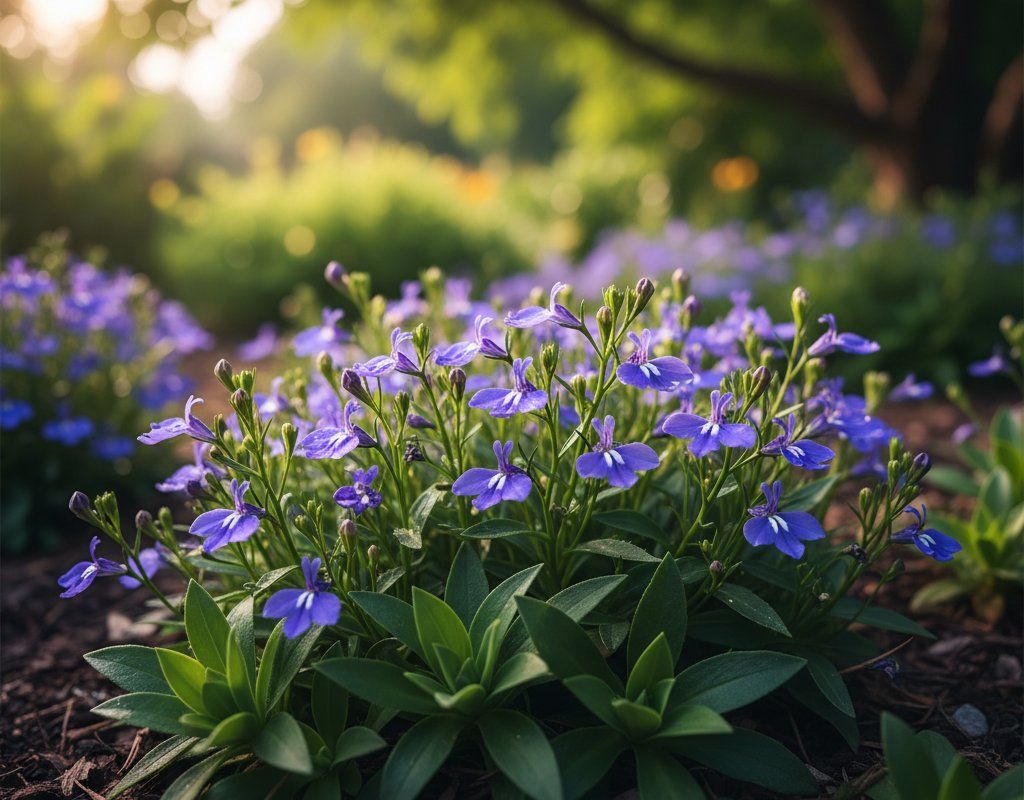
🌸Best Flowers to Plant with Spinach
These flowers protect your Spinach from pests and attract pollinators for better harvests.
For Pest Control



Get a Reminder When It's Time to Plant
We'll email you when key planting windows open for your zone.