
Squash in Zone 8B — Florida
Cucurbita maxima · Your Complete 2026 Planting Guide
Time to Buy Starts!
Seed starting window passed, but starts are available now.
Buy Starts Now
Head to your local nursery, Home Depot, or farmers market for transplants.
- Look for stocky plants with dark green leaves
- Avoid leggy seedlings or plants already flowering
- Check that roots aren't circling the pot (rootbound)
How to Plant Squash in Zone 8B — Florida
Here are all your options for getting squash in the ground, from the easiest method to more advanced approaches.
Direct Sow Seeds
RecommendedLate February through early September
around February 22
Consider succession planting every 2-3 weeks for continuous harvest.
Summer squash grows quickly from direct-sown seeds.
Buy Starts
Works WellEarly to late March
around March 1
Plant purchased starts after last frost (February 15).
Start Seeds Indoors
Works WellEarly to late February
around February 8
Then transplant: Early to late March
Start seeds 3-5 weeks before transplanting outdoors.
Transplant Outdoors
Timing InfoEarly to late March
around March 1
Wait until nighttime temperatures stay above 50°F.
You have a nice window — no need to rush.
Overview
Growing squash in Zone 8B Florida gives you an incredible harvest window that stretches from late spring through early winter. Our long growing season means you can enjoy fresh butternut, acorn, and delicata squash for months, storing them well into the following year. The satisfaction of growing your own storage crops is especially rewarding here, where most vegetables need constant replanting in our humid climate.
Florida's extreme humidity and summer heat do challenge squash growing, but timing is everything. Plant early in our reversed spring season, and your vines will establish before the brutal summer months arrive. With our 303-day growing season, you have flexibility other gardeners don't – multiple planting windows and the ability to succession plant for extended harvests.
Starting Seeds Indoors
Starting squash seeds indoors works well if you want to get ahead of our unpredictable late winter weather. Start seeds in early to late February, about three weeks before you plan to transplant outdoors. Our spring arrives differently than up north – we get warm spells followed by cool snaps that can stress young seedlings.
Use seed starting trays filled with quality potting mix, and keep them consistently warm (70-80°F works well). Bottom watering prevents fungal issues that our high humidity can encourage. A heat mat helps maintain consistent soil temperature during those cooler February nights.
Give your seedlings bright light for 12-14 hours daily once they emerge. In Florida, starting indoors mainly helps you avoid transplant shock during temperature swings, though direct sowing usually works just as well here.
Transplanting Outdoors
Transplant your indoor-started squash seedlings from early to late March, when nighttime temperatures stay consistently above 60°F. This timing puts them in the ground after our last frost risk but before summer heat becomes overwhelming. Your seedlings need about a week of hardening off – gradually increasing outdoor exposure.
Space transplants 48-72 inches apart, giving them room to spread in our growing season that can stretch well past 300 days. The wider spacing also improves air circulation, which helps prevent fungal diseases that thrive in our humid conditions.
Watch for late cold snaps during transplanting season. Keep row covers handy to protect young plants if temperatures dip unexpectedly. Once established, your transplants will take off quickly in our warm soil.
Direct Sowing
Direct sowing is the preferred method for squash in Florida – the seeds germinate quickly in our warm soil and establish strong root systems without transplant shock. Sow from late February through early September, though spring plantings typically perform better than fall ones. Summer heat can stress germinating seeds, so early spring timing works best.
Prepare your soil by working in compost or aged manure to improve drainage in our naturally sandy soils. Plant seeds 1 inch deep when soil temperatures reach 65°F consistently. Space them 48-72 inches apart – this might seem excessive, but squash vines spread aggressively in our long growing season and need room for good air circulation.
Summer squash varieties germinate and grow remarkably fast here. You'll see sprouts within 5-7 days in warm spring soil, and the vines will quickly establish before summer's peak heat arrives. Plant in hills of 2-3 seeds, then thin to the strongest seedling once they're established.
Watering Squash in Zone 8B (Florida)
Watering squash in Florida requires balancing our wet summers with the plants' need for consistent but not excessive moisture. During spring establishment, water deeply once or twice per week, providing about 1-1.5 inches total. Our sandy soils drain quickly, so you'll need to water more frequently than gardeners with clay soils, but less than you might expect given our heat.
Use the finger test – stick your finger 2 inches into the soil near the base of the plant. If it's dry at that depth, it's time to water. Always water at the base rather than overhead; our extremely high humidity means wet leaves invite fungal problems. A soaker hose or drip irrigation works perfectly for squash rows.
Summer brings its own challenges with afternoon thunderstorms dumping 50-65 inches annually. During rainy periods, back off supplemental watering completely. Too much water during fruit development can cause splitting and reduces storage quality. Watch for yellowing lower leaves (overwatering) or wilting despite moist soil (root problems from poor drainage).
Mulch around plants with 2-3 inches of organic matter to retain soil moisture and keep roots cool during our hot summers. Pine straw works well here and breaks down slowly in our climate. Reduce watering as fruits mature and shells harden – this concentrates sugars and improves storage life.
🧪Fertilizing Squash
Feeding Schedule
Organic Fertilizer Options
Harvest Time
Your first squash harvest typically begins in mid-May through mid-December, about 85 days after planting. Unlike summer squash, winter squash varieties need time to fully mature on the vine – harvest too early and they won't store well. Wait until the shell resists denting when you press it with your fingernail, and the stem turns dry and corky.
Cut (don't pull) the stem about 2 inches from the fruit using clean pruning shears. This stem stub is crucial for preventing rot during storage. Harvest on a dry day when possible, as wet conditions can introduce bacteria through the cut stem. Handle gently – even small nicks can lead to storage problems.
Our Florida growing season means you might be harvesting into December before our first frost arrives. If frost threatens and fruits aren't quite ready, harvest them anyway and let them cure in a warm, dry location. Fully mature fruits will continue to harden off the vine for several days.
Store cured squash in a cool, dry place with good air circulation. Properly harvested and cured winter squash can keep for 6-8 months, providing fresh eating well into the following year when most Florida gardens are in their summer slowdown.
Common Problems in Zone 8B (Florida)
Squash Vine Borers appear as sudden wilting of entire vine sections, often when plants looked healthy the day before. Look for small holes at the stem base with sawdust-like frass around them – that's where the fat white grubs have burrowed inside. Our warm Florida springs create perfect conditions for the adult clearwing moths to lay eggs at stem bases.
The larvae tunnel through stems, cutting off water and nutrient flow completely. Wrap vulnerable stems with aluminum foil or floating row covers during early season egg-laying periods. If caught early, you can inject Bt (Bacillus thuringiensis) into affected stems through the hole. Plant butternut varieties, which show more resistance than other winter squash types.
Powdery Mildew shows up as white, powdery coating on leaves and stems, eventually causing leaves to curl, yellow, and die. Despite our high humidity, this fungus actually prefers dry leaf surfaces – it's the warm days and cooler nights of our spring and fall that trigger it. Poor air circulation makes it worse.
Space plants properly and remove affected leaves immediately. Neem oil applications help, but surprisingly, a milk spray (1 part milk to 9 parts water) proves very effective. Apply either treatment in early morning or evening to avoid leaf burn. Improve air movement around plants by pruning excess foliage.
Squash Bugs are gray-brown, shield-shaped insects that cluster on leaf undersides, leaving bronze-colored egg clusters. Affected leaves develop bronze spots that turn brown and crispy as the bugs inject toxins while feeding. These pests thrive in our warm, humid conditions and can quickly overwhelm plants.
Hand-pick adults and crush egg clusters daily during peak season. Set board traps – adults hide under boards overnight, so flip them in the morning and destroy the bugs. Remove all plant debris in fall since adults overwinter in garden waste. Our year-round growing season means constant vigilance is necessary.
Florida Specific Challenges: Our extreme humidity and frequent summer rains create perfect conditions for fungal diseases, while our sandy soils drain so quickly that consistent watering becomes critical. Hurricane season can damage or destroy mature vines, making succession planting especially important here. The combination of heat, humidity, and wet summers means you'll fight fungal issues more than gardeners in drier climates.
Best Companions for Squash
Plant these nearby for healthier Squash and better harvests.

Keep Away From
Companion Planting Details
Plant squash with corn and beans for the classic Three Sisters combination – corn provides natural trellises, beans fix nitrogen, and squash leaves shade soil and deter pests. In Florida's intense sun, this soil shading becomes especially valuable. Radishes planted around squash hills help break up compacted soil and may deter squash vine borers with their pungent roots.
Marigolds make excellent companions here, as their strong scent confuses many squash pests while adding color to the garden. Plant them around the perimeter of squash beds rather than directly in hills. Avoid planting squash near potatoes – they compete for similar soil nutrients and can attract similar pest problems, making both crops more vulnerable in our challenging growing conditions.
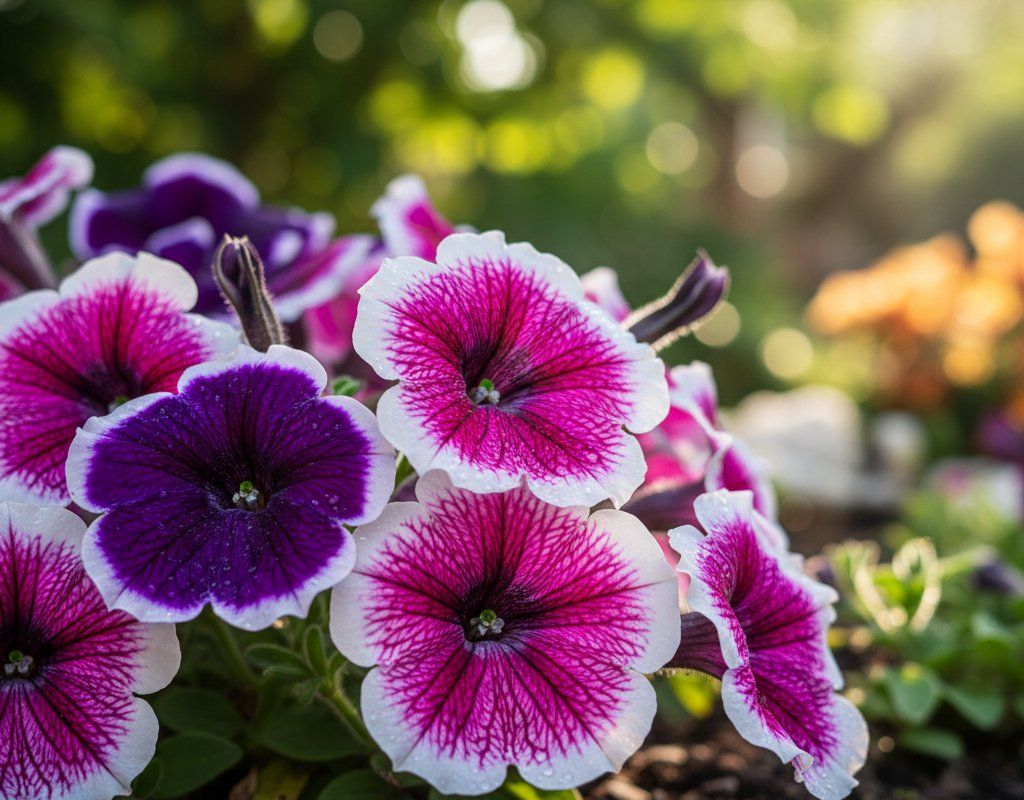
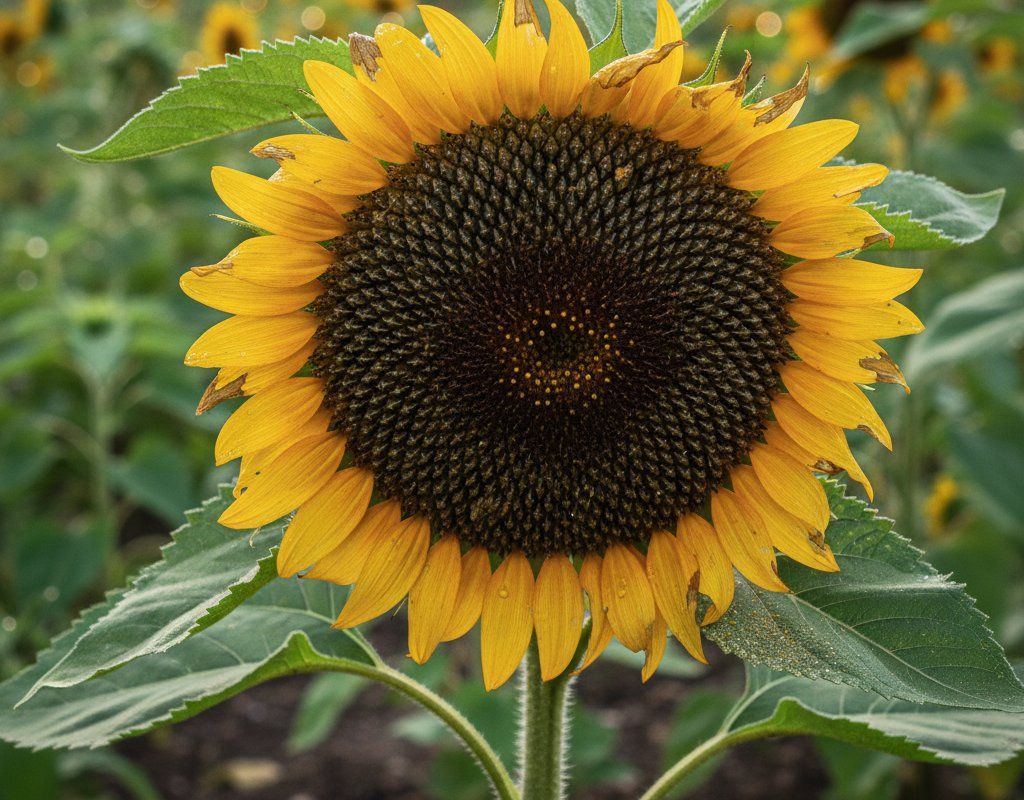
🌸Best Flowers to Plant with Squash
These flowers protect your Squash from pests and attract pollinators for better harvests.
For Pest Control






Get a Reminder When It's Time to Plant
We'll email you when key planting windows open for your zone.