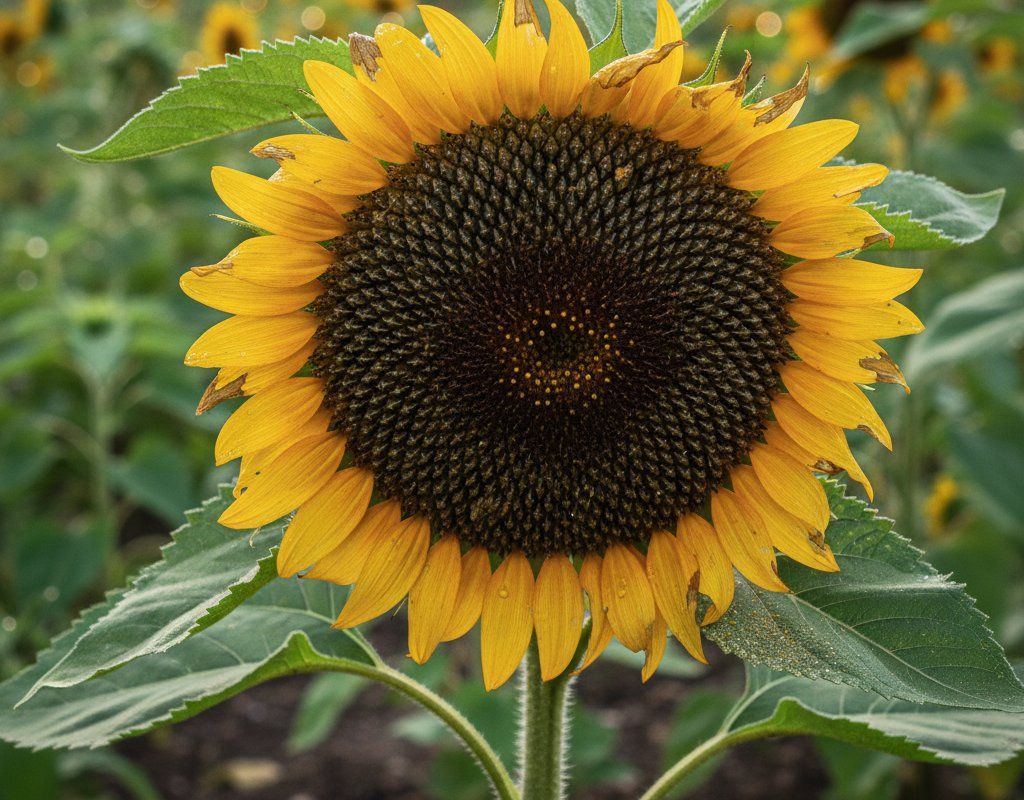
Sunflower in Zone 4A — Midwest
Helianthus annuus · Your Complete 2026 Planting Guide
Planning Ahead — Great!
You’re ahead of the season. Here’s when to start.
Mark Your Calendar
How to Plant Sunflower in Zone 4A — Midwest
Here are all your options for getting sunflower in the ground, from the easiest method to more advanced approaches.
Direct Sow Seeds
RecommendedMid May through mid June
around May 15
Direct sow as soon as conditions allow.
Sunflowers are easy to direct sow and grow quickly.
Buy Starts
Works WellLate May through mid June
around May 22
Plant purchased starts after last frost (May 15).
Start Seeds Indoors
Works WellLate April through mid May
around May 1
Then transplant: Late May through mid June
Start seeds 3-5 weeks before transplanting outdoors.
Transplant Outdoors
Timing InfoLate May through mid June
around May 22
Wait until nighttime temperatures stay above 50°F.
You have a nice window — no need to rush.
Overview
Sunflowers are a fantastic addition to any Midwest garden, bringing a burst of color and providing a source of delicious seeds. The towering stalks and bright blooms thrive in our fertile soil and make a beautiful backdrop to your vegetable garden. Plus, who doesn't love watching the birds feast on the seeds in the fall?
Our Midwest weather can be unpredictable, especially in the spring, and we sometimes get summer heat spells. But don't worry, sunflowers are surprisingly resilient. With our 128-day growing season, you'll have plenty of time to enjoy these beauties, as long as you time things right.
Starting Seeds Indoors
Starting sunflower seeds indoors is possible, but honestly, it's usually not necessary here in the Midwest. Because our growing season is short but warm, direct sowing is more efficient and less work. However, if you want a head start or have limited space outdoors, you can start seeds indoors late April through mid May, about three weeks before you plan to transplant.
Use seed trays with a good seed-starting mix, and keep them in a warm place with plenty of light – a sunny south-facing window or under grow lights works well. Bottom watering is helpful to keep the soil consistently moist without soaking the seedlings. Just set the tray in a shallow dish of water and let the soil absorb what it needs. With our moderate-to-late springs, this gives you a little extra control.
Transplanting Outdoors
If you started your sunflower seeds indoors, it's time to transplant them outdoors late May through mid June. Before you do, make sure to harden them off by gradually exposing them to outdoor conditions for about a week. Start with an hour or two of sunlight and wind, and gradually increase the time each day.
When transplanting, space the seedlings 18-24 inches apart in a sunny spot with well-drained soil. Keep an eye on the weather forecast – we can still get unexpected cool snaps even in late May, so be prepared to cover the young plants if frost threatens.
Direct Sowing
Direct sowing is the easiest and most common way to grow sunflowers in the Midwest. Wait until mid May through mid June, after the danger of frost has passed. Sunflowers germinate best in warm soil, so make sure the soil temperature is consistently above 60°F.
Prepare your soil by loosening it and adding some compost or other organic matter. Plant the seeds about 1 inch deep and space them 18-24 inches apart. Water well after planting, and keep the soil consistently moist until the seedlings emerge. Sunflowers are easy to direct sow and grow quickly in our fertile soil, so you'll see sprouts in no time.
Watering Sunflower in Zone 4A (Midwest)
Sunflowers are moderately drought-tolerant once established, thanks to their deep taproot, but they still need regular watering, especially when young. In the Midwest, our summers can be wet, so be careful not to overwater.
During the first few weeks after planting, water deeply whenever the top 2 inches of soil feel dry to the touch – do the "finger test." Usually, about 1 inch of water per week is sufficient. Water at the base of the plant to avoid getting the leaves wet, which can encourage fungal diseases in our moderate-to-humid climate.
Signs of underwatering include wilting leaves, while yellowing leaves can indicate overwatering. Applying a layer of mulch around the base of the plants helps to retain moisture and suppress weeds, which is particularly helpful during our summer heat spells.
🧪Fertilizing Sunflower
Feeding Schedule
Organic Fertilizer Options
Harvest Time
You can expect to harvest your sunflower seeds early August through mid September, about 80 days after planting. The best indicator of ripeness is when the back of the flower head turns brown and the seeds are plump and slightly loose.
To harvest the seeds, cut the flower head off the stalk, leaving about a foot of stem attached. Hang the head upside down in a dry, well-ventilated place for a few weeks to allow the seeds to dry completely. If you're growing sunflowers for cut flowers, harvest them when the petals first open. As our first frost approaches around mid- September, harvest any remaining heads, even if they're not fully ripe, and bring them indoors to dry.
Common Problems in Zone 4A (Midwest)
Here are some common problems you might encounter growing sunflowers in the Midwest:
Birds Eating Seeds
- What it looks like: Sunflower heads with missing seeds or significant damage. You might also see birds actively pecking at the heads.
- What causes it: Birds, especially goldfinches and blackbirds, love sunflower seeds. They're a readily available food source, especially as other food sources dwindle.
- How to fix/prevent it: Cover the sunflower heads with netting or burlap bags once the seeds start to mature. You can also try using bird deterrents like reflective tape or decoys.
Sunflower Moth
- What it looks like: Webbing on the flower heads, along with small, brown caterpillars feeding on the seeds.
- What causes it: Sunflower moths lay their eggs on the flower heads, and the larvae hatch and feed on the developing seeds.
- How to fix/prevent it: Inspect your sunflowers regularly for signs of moth activity. Remove any affected heads and dispose of them. You can also use insecticidal soap or Bacillus thuringiensis (Bt) to control the larvae.
Downy Mildew
- What it looks like: Yellow patches on leaf tops with fuzzy gray-purple growth on undersides. Leaves brown and die from the bottom up.
- What causes it: An Oomycete pathogen that spreads in cool, humid conditions via wind-carried spores.
- How to fix/prevent it: Remove affected leaves immediately. Improve air circulation around the plants by spacing them properly. Water at the base, never overhead. Copper-based fungicides can be used for prevention. Plant resistant varieties where available.
Midwest Specific Challenges: Our moderate-to-hot heat and moderate-to-humid humidity can create favorable conditions for fungal diseases like downy mildew. Regular monitoring and good air circulation are key to preventing problems. Also, be aware that strong winds from summer storms can topple tall sunflowers, so consider staking them for support.
Best Companions for Sunflower
Plant these nearby for healthier Sunflower and better harvests.




Keep Away From
Companion Planting Details
Sunflowers can be great companions for other plants in your Midwest garden.
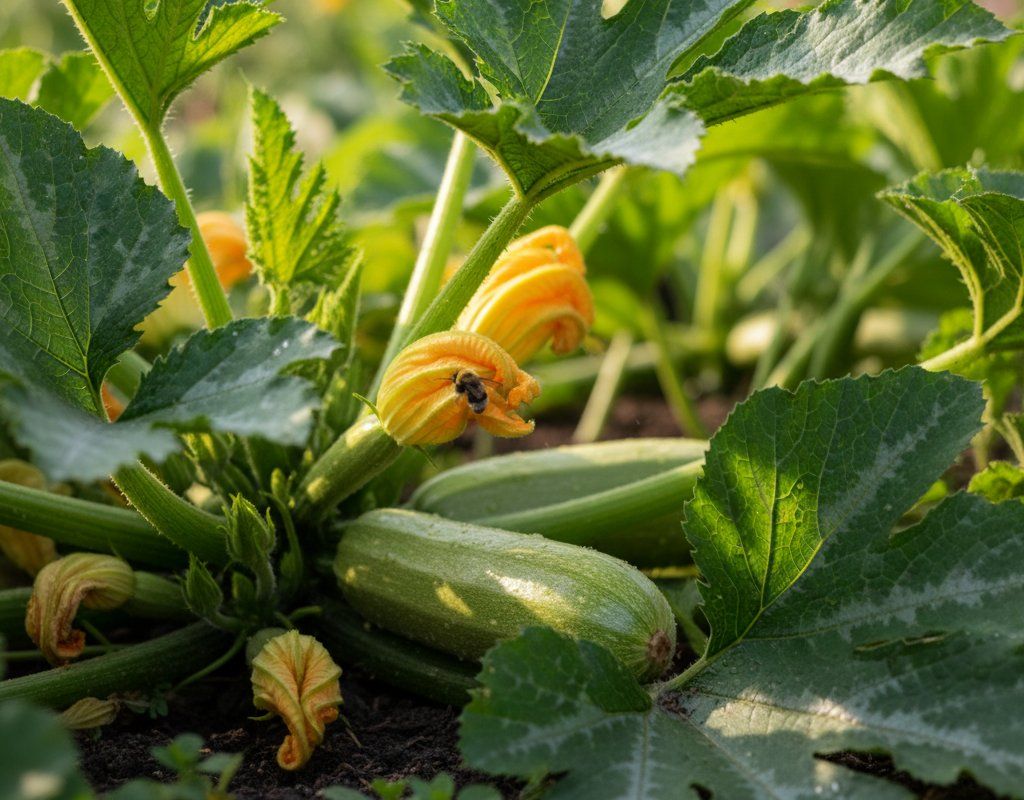
- Cucumber and Squash: These sprawling plants can benefit from the shade provided by sunflowers during our summer heat spells, and the sunflowers can act as a trellis for the vines.
- Green Beans: Sunflowers can provide support for climbing beans, and beans help fix nitrogen in the soil, which benefits the sunflowers.
- Corn: The tall stalks of corn and sunflowers can provide mutual support, and they both thrive in similar conditions.
- Lettuce: Plant lettuce near the base of sunflowers to give it some shade in the heat of the summer.
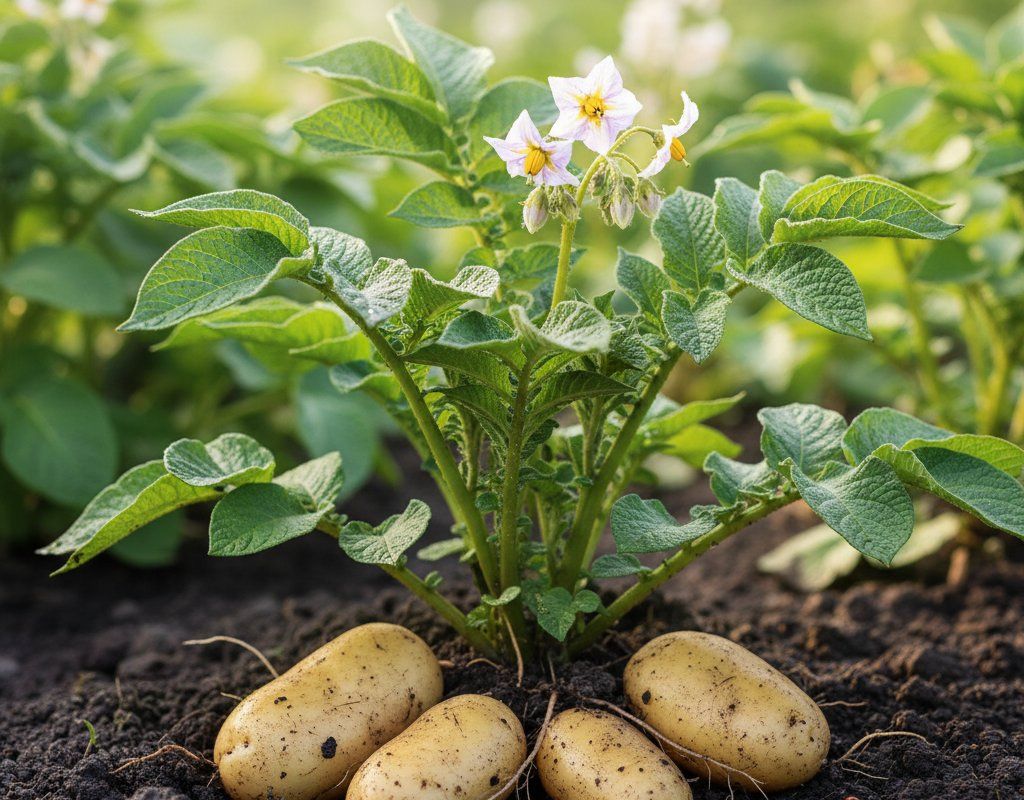
Avoid planting potatoes near sunflowers. Potatoes are susceptible to some of the same fungal diseases as sunflowers, and planting them together can increase the risk of disease spread.
🥬Best Vegetables to Pair With Sunflower
Sunflower benefits these vegetables through pest control, pollinator attraction, or improved garden health.



Get a Reminder When It's Time to Plant
We'll email you when key planting windows open for your zone.