
Sunflower in Zone 9A — Texas
Helianthus annuus · Your Complete 2026 Planting Guide
Time to Buy Starts!
Seed starting window passed, but starts are available now.
Buy Starts Now
Head to your local nursery, Home Depot, or farmers market for transplants.
- Look for stocky plants with dark green leaves
- Avoid leggy seedlings or plants already flowering
- Check that roots aren't circling the pot (rootbound)
How to Plant Sunflower in Zone 9A — Texas
Here are all your options for getting sunflower in the ground, from the easiest method to more advanced approaches.
Direct Sow Seeds
RecommendedMid February through early September
around February 15
Consider succession planting every 2-3 weeks for continuous harvest.
Sunflowers are easy to direct sow and grow quickly.
Buy Starts
Works WellLate February through late March
around February 22
Plant purchased starts after last frost (February 15).
Start Seeds Indoors
Works WellLate January through mid February
around February 1
Then transplant: Late February through late March
Start seeds 3-5 weeks before transplanting outdoors.
Transplant Outdoors
Timing InfoLate February through late March
around February 22
Wait until nighttime temperatures stay above 50°F.
You have a nice window — no need to rush.
Overview
Sunflowers aren't just beautiful, they're a rewarding addition to any Texas garden. Imagine harvesting your own seeds for snacking or attracting beneficial pollinators to your vegetable patch. Plus, they're surprisingly easy to grow in our long growing season.
Sure, we have to contend with the Texas heat and unpredictable weather, but with a little planning, you can enjoy these sunny giants. Our 293-day growing season gives you plenty of time to get them established and thriving.
Starting Seeds Indoors
Starting sunflower seeds indoors isn't essential, but it can give you a head start, especially for those earlier blooms. If you're aiming for "plant early, harvest early," starting indoors gives you a little extra control. Begin late January through mid February, about 3 weeks before you plan to transplant.
Use seed trays with a good seed-starting mix, keep them warm, and provide plenty of light. Bottom watering helps prevent damping-off; just set the tray in a shallow dish of water until the surface of the soil is moist. Since spring can come early here, this helps get your plants ready when the weather cooperates.
Transplanting Outdoors
Transplant your sunflower seedlings outdoors late February through late March, once the danger of a hard freeze has passed. Before planting, harden them off by gradually exposing them to outdoor conditions for about a week. This helps them adjust to the Texas sun and wind.
Space your plants 18-24 inches apart to give them room to grow. Keep an eye on the weather forecast; those late-season cold snaps can still happen, so be ready to cover your seedlings if needed.
Direct Sowing
Direct sowing is the easiest and most common way to grow sunflowers here in Texas. You can sow seeds mid February through early September, giving you plenty of flexibility. Just make sure the soil temperature is consistently above 60°F.
Prepare your soil by loosening it and adding some compost. Plant seeds about 1 inch deep and 18-24 inches apart. Sunflowers are quick growers, so you'll see sprouts in no time.
Watering Sunflower in Zone 9A (Texas)
Sunflowers are moderately drought-tolerant once established, thanks to their deep taproots, which is great for our unpredictable rainfall here in Texas. However, consistent watering is crucial, especially when they're young and during those scorching summer months. Water deeply but infrequently.
A good rule of thumb is to water about 1-2 inches per week, depending on rainfall. Stick your finger about 2 inches deep into the soil; if it feels dry, it's time to water. Water at the base of the plant to avoid wetting the foliage, which can encourage fungal diseases, especially with our variable humidity.
Signs of underwatering include wilting leaves and stunted growth. Overwatering can lead to root rot, so make sure your soil drains well. A layer of mulch around the base of the plants helps retain moisture and suppress weeds, and it's a must-have to combat the Texas heat.
🧪Fertilizing Sunflower
Feeding Schedule
Organic Fertilizer Options
Harvest Time
Your first sunflower harvest can be expected early May through early December, about 80 days after planting. For seeds, wait until the back of the flower head turns brown and the seeds are plump and slightly loose. You can also harvest for cut flowers when the petals first open.
To harvest seeds, cut the entire flower head and hang it upside down in a dry, well-ventilated place until the seeds are completely dry. For cut flowers, cut the stem at an angle early in the morning. As our first frost approaches around early December, harvest any remaining mature heads to salvage seeds before the freeze damages them.
Common Problems in Zone 9A (Texas)
Here are some common problems you might encounter growing sunflowers in Texas:
Birds Eating Seeds
- What it looks like: Missing seeds from the flower head, damaged or pecked at petals.
- What causes it: Birds are attracted to the readily available food source, especially as seeds mature.
- How to fix/prevent it: Cover the flower heads with netting or burlap bags once the petals start to dry. You can also try using bird deterrents like reflective tape or decoys.
Sunflower Moth
- What it looks like: Larvae (caterpillars) inside the flower head, webbing, and damaged seeds.
- What causes it: Adult moths lay eggs on the flower heads, and the larvae feed on the seeds.
- How to fix/prevent it: Inspect flower heads regularly for signs of infestation. Remove and destroy any affected heads. Bacillus thuringiensis (Bt) can be used as a biological control.
Downy Mildew
- What it looks like: Yellow patches on leaf tops with fuzzy gray-purple growth on undersides. Leaves brown and die from the bottom up.
- What causes it: Oomycete pathogen that spreads in cool, humid conditions via wind-carried spores.
- How to fix/prevent it: Remove affected leaves immediately. Improve air circulation. Water at the base, never overhead. Copper-based fungicides can be used for prevention. Plant resistant varieties where available.
Texas Specific Challenges: The hot-to-extreme heat can stress sunflowers, making them more susceptible to pests and diseases. Variable humidity can also contribute to fungal problems. Unpredictable rainfall patterns mean you need to be vigilant about watering and drainage. And don’t forget to protect your plants from fire ants!
Best Companions for Sunflower
Plant these nearby for healthier Sunflower and better harvests.




Keep Away From

Companion Planting Details
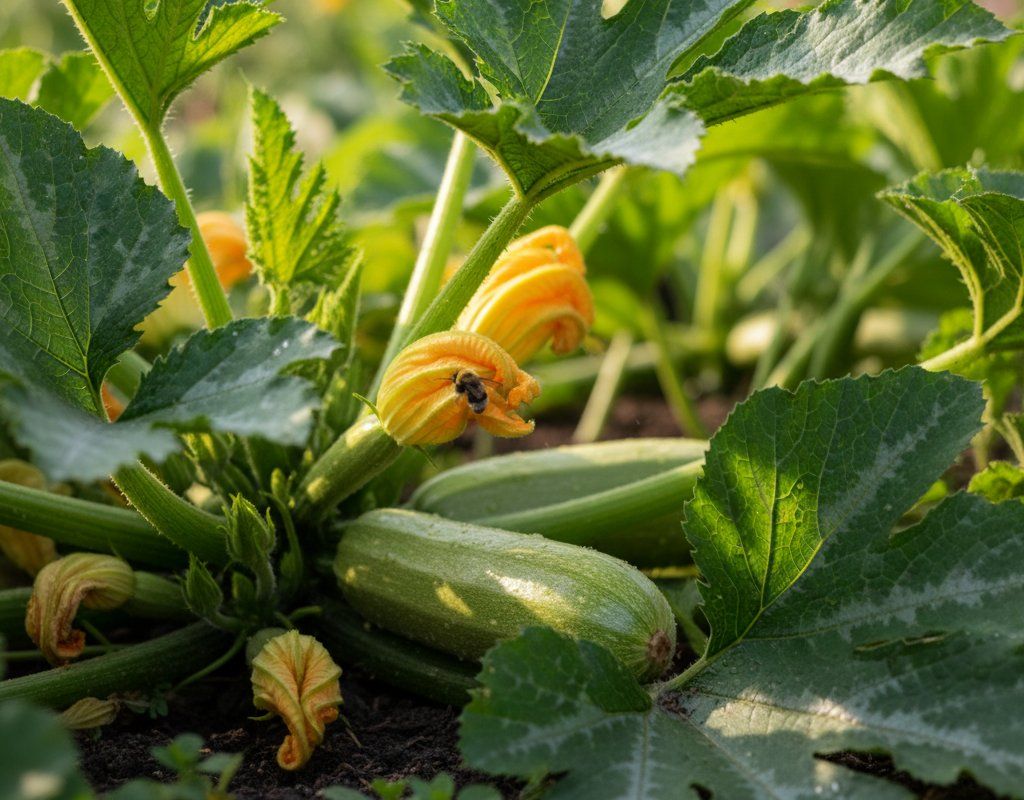
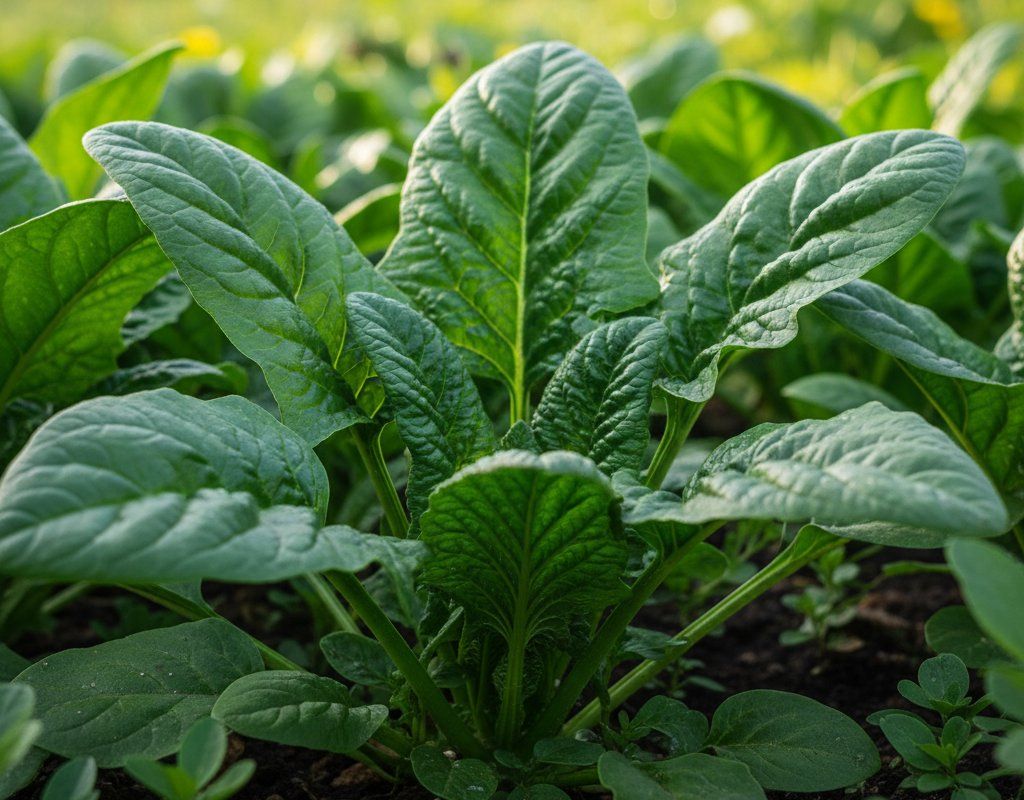
Sunflowers make great companions for several plants in your Texas garden. Cucumbers and squash benefit from the sunflower's shade during the hottest part of the day. Green beans can use the sunflower stalks as a natural trellis. Corn and sunflowers are classic companions, as they both benefit from the other's presence. Lettuce appreciates the partial shade provided by sunflowers, which helps prevent bolting in the Texas heat.
Avoid planting potatoes near sunflowers, as they can compete for the same nutrients in the soil.
🥬Best Vegetables to Pair With Sunflower
Sunflower benefits these vegetables through pest control, pollinator attraction, or improved garden health.


Get a Reminder When It's Time to Plant
We'll email you when key planting windows open for your zone.