
Sweet Alyssum in Zone 4A — Mountain West
Lobularia maritima · Your Complete 2026 Planting Guide
Planning Ahead — Great!
You’re ahead of the season. Here’s when to start.
Mark Your Calendar
How to Plant Sweet Alyssum in Zone 4A — Mountain West
Here are all your options for getting sweet alyssum in the ground, from the easiest method to more advanced approaches.
Direct Sow Seeds
RecommendedEarly May through mid July
around May 6
Consider succession planting every 2-3 weeks for continuous harvest.
Start Seeds Indoors
RecommendedMid March through early April
around March 25
Then transplant: Early May through mid June
Start seeds 6-8 weeks before transplanting outdoors.
Buy Starts
Works WellEarly May through mid June
around May 6
Plant purchased starts after last frost (May 20).
Transplant Outdoors
Timing InfoEarly May through mid June
around May 6
Can tolerate light frost, but wait for soil to be workable.
You have a nice window — no need to rush.
Overview
Sweet Alyssum is a fantastic choice for high altitude gardening. Its delicate, honey-scented flowers add a charming touch to any garden, attracting beneficial insects and acting as a living mulch. Plus, the cool nights we experience here in the Mountain West actually enhance the fragrance of the blooms.
Our short season and intense sun present challenges, but Sweet Alyssum's relatively quick 45-day maturity makes it a winner. With a little planning within our 118-day growing season, you can enjoy its beauty from mid-June right up until our first frosts arrive.
Starting Seeds Indoors
Starting Sweet Alyssum indoors gives you a head start, especially with our late springs. Begin in mid-March through early April, about six weeks before you plan to transplant. This is a good option if you want flowers as early as possible, or if you're aiming for a specific color or variety.
Use seed trays filled with a good seed-starting mix. Provide warmth using a heat mat, and ensure ample light with grow lights. Bottom watering keeps the seedlings consistently moist without encouraging fungal diseases, which can be a problem even with our low humidity.
Transplanting Outdoors
Transplant your Sweet Alyssum seedlings outdoors from early May through mid-June, once the danger of hard frost has passed. Be sure to harden them off for about a week beforehand, gradually exposing them to the elements. This is crucial because our intense UV can shock tender seedlings.
Space them 6-8 inches apart to allow for their spreading growth habit. Keep an eye on the weather forecast. Even in May and June, we can get unexpected cold snaps, so be ready to cover your transplants if needed.
Direct Sowing
Direct sowing Sweet Alyssum is a simple and effective method, especially if you're not in a rush for early blooms. Sow seeds directly into the garden from early May through mid-July. This gives you a wide window to work with, even if the spring weather is unpredictable.
Prepare the soil by loosening it and removing any rocks or debris. Sweet Alyssum prefers slightly alkaline soil, which is common in our region. Gently press the seeds into the soil, keeping them 6-8 inches apart. Keep the soil consistently moist until germination.
Watering Sweet Alyssum in Zone 4A (Mountain West)
Sweet Alyssum needs consistent moisture, but doesn't like to be waterlogged. The key is to find the right balance, especially with our dry climate. Aim for moderate watering, keeping the soil consistently moist but not soggy.
During the cooler spring and fall months, watering once or twice a week is usually sufficient. In the heat of summer, you might need to water every other day, especially if the plants are in full sun. Use the finger test: if the top two inches of soil feel dry, it's time to water. Usually about 1 inch of water per week is sufficient. Water at the base of the plants to avoid wetting the foliage, which can lead to fungal problems, even with our low humidity.
Signs of underwatering include wilting leaves and dry, cracked soil. Overwatering can lead to yellowing leaves and root rot. A light layer of organic mulch, like compost, will help retain moisture and keep the soil cool, which is beneficial in our intense sun.
Pruning & Maintaining Sweet Alyssum
Sweet Alyssum requires minimal pruning, but a little maintenance can keep it looking its best. The main goal is to shear back leggy plants in midsummer. Our intense sun can sometimes cause them to stretch and become sparse.
When plants start to look straggly, simply shear them back by about half. Don't worry, they'll bounce back quickly with fresh growth and more flowers. As the first frost approaches in mid-September, you can let the plants go to seed or simply pull them up. They often self-seed, so you might find volunteer plants next spring.
🧪Fertilizing Sweet Alyssum
Feeding Schedule
Organic Fertilizer Options
Harvest Time
Sweet Alyssum is primarily grown for its ornamental value and its ability to attract beneficial insects, so there's no traditional "harvesting" involved. You can expect the first flowers to appear about 45 days after planting, typically from mid-June through late September.
The plants will bloom continuously throughout the growing season, providing a beautiful display and attracting pollinators like bees and butterflies. Simply enjoy the flowers as they are. As the season winds down and the first frost approaches in mid-September, let the plants go to seed to encourage self-seeding for the following year.
Common Problems in Zone 4A (Mountain West)
Here are some common problems you might encounter with Sweet Alyssum in the Mountain West:
Downy Mildew
- What it looks like: Yellow patches on leaf tops with fuzzy gray-purple growth on the undersides. Leaves brown and die from the bottom up.
- What causes it: This fungal disease thrives in cool, humid conditions. While our humidity is generally low, cool nights combined with overhead watering can create a favorable environment.
- How to fix/prevent it: Remove affected leaves immediately. Improve air circulation by spacing plants properly. Water at the base, never overhead. Copper-based fungicides can be used as a preventative measure.
May die back in extreme heat
- What it looks like: During the hottest part of the summer, especially with our intense sun, the plants might wilt or even die back.
- What causes it: Sweet Alyssum prefers cooler temperatures and can struggle in extreme heat.
- How to fix/prevent it: Provide some afternoon shade during the hottest part of the day. Ensure consistent watering. Mulching can also help keep the soil cool. Don't worry, even if they die back, they often recover when temperatures cool down.
Flea Beetles
- What it looks like: Tiny round holes (shot-hole pattern) in leaves. You might also see small, dark beetles that jump when disturbed.
- What causes it: Flea beetles are small jumping insects that feed on the leaves of various plants, especially young seedlings.
- How to fix/prevent it: Row covers are effective at protecting seedlings during their vulnerable stage. Delay planting until plants are larger and more resilient. Kaolin clay coating or neem oil spray can also help deter these pests.
Mountain West Specific Challenges: Our moderate-at-altitude summer heat, low humidity, and dry rainfall can actually be beneficial for Sweet Alyssum. The low humidity reduces the risk of fungal diseases, and the dry rainfall means you have more control over watering. However, the intense sun can be tough on young plants, so providing some shade during the hottest part of the day can be helpful.
Best Companions for Sweet Alyssum
Plant these nearby for healthier Sweet Alyssum and better harvests.
View Full Companion Planting Chart →

Companion Planting Details
Sweet Alyssum makes a great companion plant in the Mountain West garden.
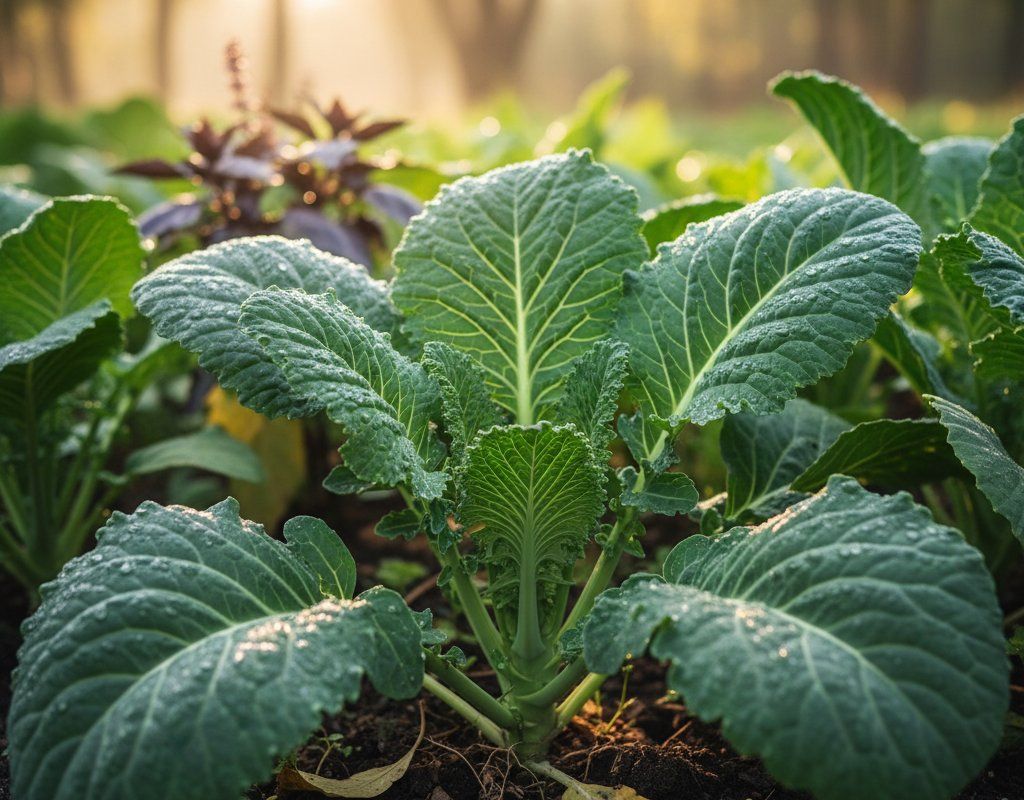
- Broccoli: Sweet Alyssum attracts beneficial insects that prey on broccoli pests, like aphids and cabbage worms.
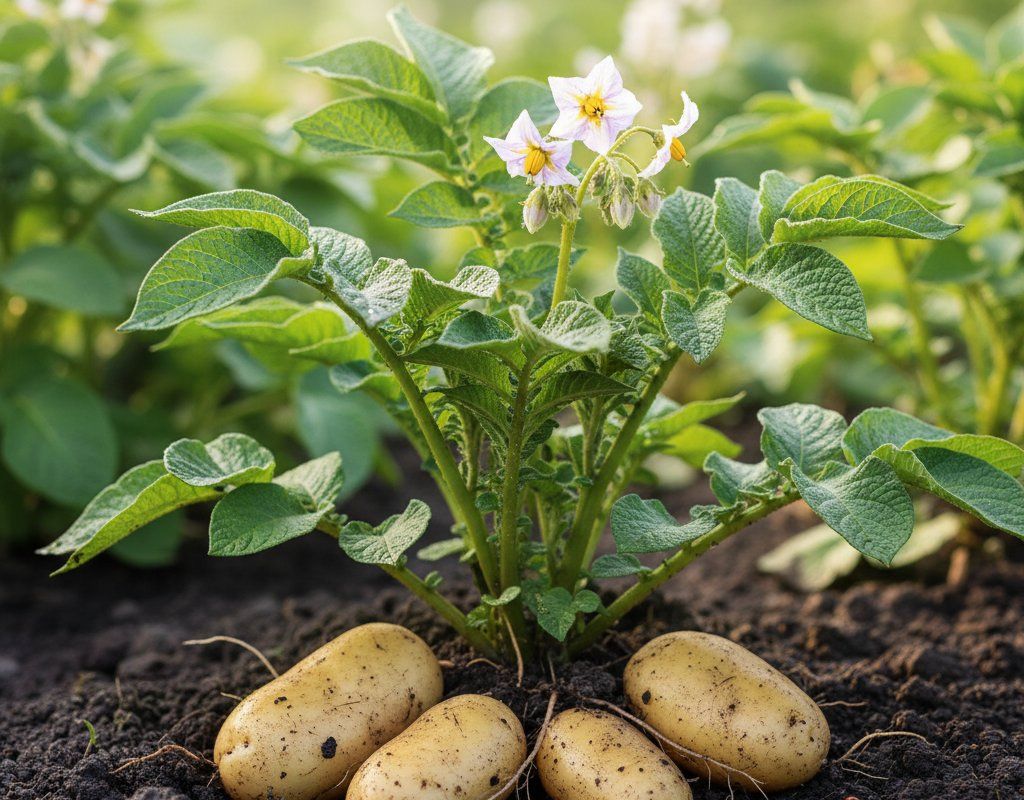
- Potato: The fragrant flowers of Sweet Alyssum can help deter potato beetles.
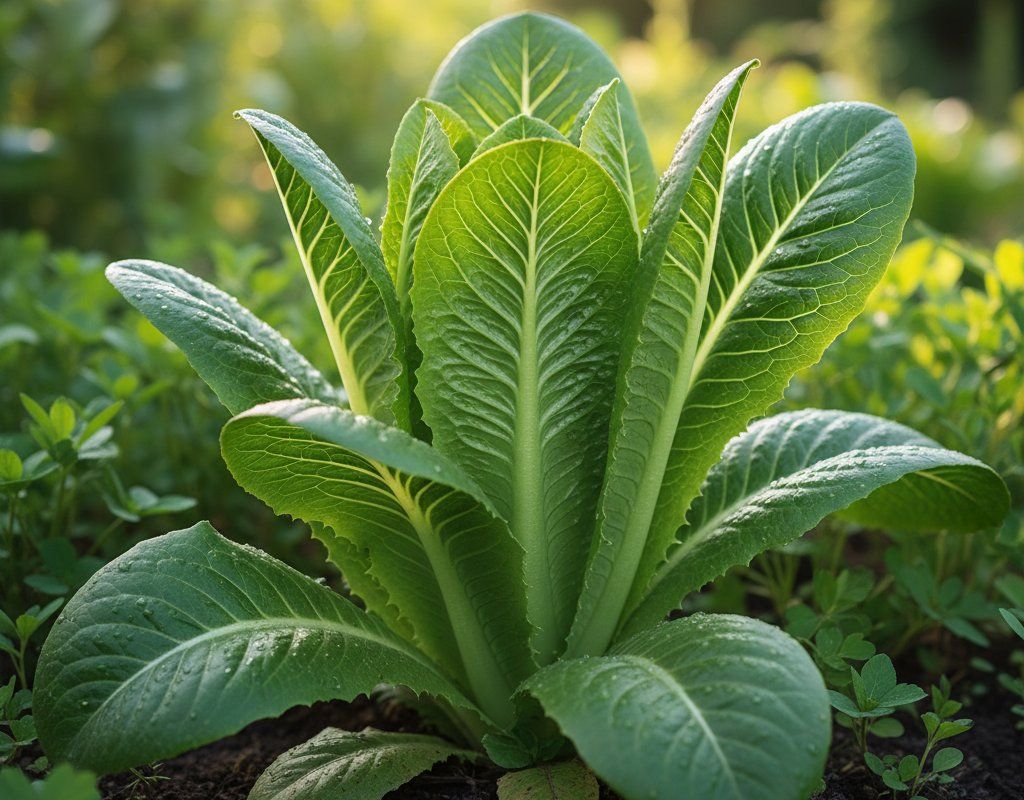
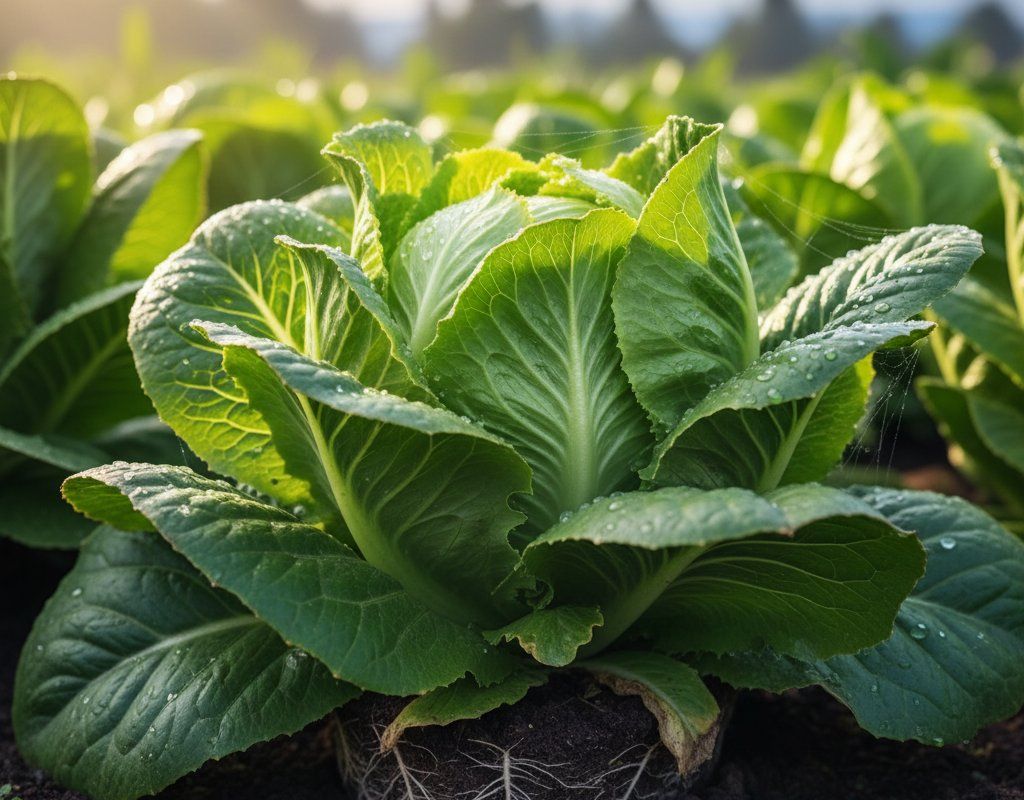
- Lettuce: Sweet Alyssum acts as a living mulch, helping to keep the soil cool and moist for lettuce, which appreciates cooler temperatures.
Avoid planting Sweet Alyssum near plants that are highly susceptible to flea beetles, as it can sometimes attract these pests.
🥬Best Vegetables to Pair With Sweet Alyssum
Sweet Alyssum benefits these vegetables through pest control, pollinator attraction, or improved garden health.

Get a Reminder When It's Time to Plant
We'll email you when key planting windows open for your zone.